PoliCheck Network
← Back to bills
H.Res. 1469119th CongressReferred to the Committee on the Judiciary, and in addition to the Committees on Energy and Commerce, and Education and Workforce, for a period to be subsequently determined by the Speaker, in each case for consideration of such provisions as fall within the jurisdiction of the committee concerned.

Condemning a legal opinion issued by the U.S. Department of Justice on June 18, 2026, regarding the Olmstead v. L.C., the 1999 Supreme Court decision that recognized institutional isolation of people with disabilities as discrimination under the Americans with Disabilities Act.

Introduced: Aug 3, 2026
Latest action: Aug 3, 2026

Latest Action

Referred to the Committee on the Judiciary, and in addition to the Committees on Energy and Commerce, and Education and Workforce, for a period to be subsequently determined by the Speaker, in each case for consideration of such provisions as fall within the jurisdiction of the committee concerned.

1
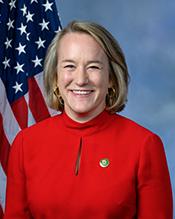
Primary Sponsors
2
Cosponsors
2
Recorded Actions
0
Linked Votes

Plain-English AI Summary

What this bill means

Generated from the official bill text to make the legislation easier to understand.

Summary Ready

What this bill does

House Resolution 1469 (H.Res. 1469) is a non-binding resolution that expresses the official position of the U.S. House of Representatives regarding disability rights and Medicaid policy. Specifically, the resolution: * Formally condemns a June 18, 2026 legal opinion and a July 20, 2026 enforcement notice issued by the Department of Justice (DOJ) related to the Americans with Disabilities Act (ADA), Section 504 of the Rehabilitation Act, and the Supreme Court's 1999 *Olmstead v. L.C.* decision. * Calls on the DOJ to immediately withdraw its June 18, 2026 opinion regarding community integration requirements for people with disabilities. * States opposition to reductions in Medicaid funding, work-reporting requirements, and other eligibility barriers. * Urges Congress to reverse Medicaid spending cuts and increase funding for home- and community-based services (HCBS). * Reaffirms support for the *Olmstead v. L.C.* Supreme Court ruling, which protects individuals with disabilities from unnecessary institutional isolation. * Recognizes and commends advocates and workers who help expand community-based support services.

Who it affects

While the resolution does not directly create new legal rights or obligations, it addresses issues affecting: * **Individuals with disabilities**, particularly those who rely on or seek home- and community-based care rather than institutional care. * **Medicaid recipients and applicants** who could be impacted by program funding levels or work-reporting rules. * **The Department of Justice (DOJ)**, which is urged to alter its legal guidance. * **Advocates and care providers** working in long-term, community-based support services.

What would change

Because this is a non-binding resolution, it does not mandate any immediate legal or administrative changes. However, it officially requests the following actions: * **DOJ Guidance:** Asks the Department of Justice to rescind its June 18, 2026 opinion on disability integration. * **Medicaid Rules:** Urges Congress to eliminate Medicaid work-reporting requirements and remove barriers that restrict access to coverage.

Money or funding

* **Direct Spending:** $0. This resolution does not authorize, appropriate, or direct any federal funds. * **Policy Stance on Funding:** Expresses opposition to Medicaid spending cuts and formally calls on Congress to increase federal financial support for home- and community-based services.

Important exceptions or limits

* **Non-Binding Status:** This resolution carries no force of law. It does not legally obligate the DOJ to withdraw its opinion, nor does it force Congress to change Medicaid law or adjust spending levels.

Plain-English bottom line

This resolution acts as an official statement from the House expressing opposition to a recent Department of Justice opinion on disability integration and calling for protected, expanded Medicaid funding for community-based disability services. It does not change any existing laws, funding levels, or administrative rules on its own.

This summary was generated by AI from the official bill text. It is intended to make legislation easier to understand and does not replace the original legal language.

AI model: gemini-3.6-flashUpdated: Oct 18, 2026Review official bill text ↗

Official Summary

Official legislative summary associated with this bill.

No official summary is currently available.

Primary Sponsors

Members listed as primary sponsors of this legislation.

Cosponsors

Members who joined this legislation as cosponsors.

Recorded Actions

Official legislative actions recorded for this measure.

H11100Aug 3, 2026

Submitted in House

Official source ↗
H11100Aug 3, 2026

Referred to the Committee on the Judiciary, and in addition to the Committees on Energy and Commerce, and Education and Workforce, for a period to be subsequently determined by the Speaker, in each case for consideration of such provisions as fall within the jurisdiction of the committee concerned.

Official source ↗

Linked Votes

Roll-call votes associated with this legislation.

No roll-call votes are currently linked to this bill.
Discussion notificationsSign in to subscribe
?
No comments yet. Start the conversation.