PoliCheck Network
← Back to bills
H.R. 10014119th CongressReferred to the Committee on the Budget, and in addition to the Committee on Rules, for a period to be subsequently determined by the Speaker, in each case for consideration of such provisions as fall within the jurisdiction of the committee concerned.

Restoring Accountability in Appropriations Act

Introduced: Aug 3, 2026
Latest action: Aug 3, 2026

Latest Action

Referred to the Committee on the Budget, and in addition to the Committee on Rules, for a period to be subsequently determined by the Speaker, in each case for consideration of such provisions as fall within the jurisdiction of the committee concerned.

1
Primary Sponsors
0
Cosponsors
2
Recorded Actions
0
Linked Votes

Plain-English AI Summary

What this bill means

Generated from the official bill text to make the legislation easier to understand.

Summary Ready

What this bill does

This bill amends the Impoundment Control Act of 1974 to create legal mechanisms for challenging the improper withholding (impoundment) of federal funds by the executive branch. It creates a private right of action for individuals to file lawsuits in federal court and establishes a fast-track process for the House of Representatives to sue the federal government over unauthorized fund deferrals or reserves.

Who it affects

* **Private Individuals and Organizations:** Any person or entity negatively affected ("aggrieved") by an illegal withholding of federal budget funds. * **Executive Branch Officials and Employees:** Federal agencies, officers, and employees who withhold budgeted funds from being spent. * **House Leadership:** The Speaker of the House, Majority Leader, Minority Leader, and the Chairs and Ranking Members of the House Budget and Oversight committees. * **Government Accountability Office (GAO):** The Comptroller General, who is tasked with investigating suspected fund withholdings and reporting on them. * **Federal Courts:** U.S. district courts, specifically including the U.S. District Court for the District of Columbia.

What would change

* **Private Lawsuits:** * Allows affected individuals to file civil lawsuits against the United States and individual federal employees in U.S. district courts. * Authorizes courts to issue temporary or permanent injunctions or restraining orders to force agencies and employees to release withheld funds. * **Congressional Investigations and Lawsuits:** * Authorizes specific House leaders ("covered individuals") to submit written requests asking the Comptroller General to investigate suspected, unreported presidential impoundments. Requests must describe the funds, state the rationale, and set a report deadline of at least 90 calendar days. * Permits covered leaders to introduce an enforcement resolution if the Comptroller General fails to meet the report deadline. * Requires an enforcement resolution to be introduced within 45 calendar days of receiving a Comptroller General report detailing illegal fund withholdings. * Mandates that if the House passes the enforcement resolution, the House must initiate a civil lawsuit in the U.S. District Court for the District of Columbia. * Directs the Speaker of the House to initiate or join the lawsuit and directs the House Office of the General Counsel to represent the House. * **Fast-Track House Procedures:** * Establishes strict rules to speed up House votes on enforcement resolutions: committees must report the resolution without changes within two legislative days (or be automatically bypassed), standard procedural objections are waived, and debate is limited to two hours split equally between supporters and opponents, with no amendments or delay tactics allowed.

Money or funding

* **Budget Authority:** The bill focuses on enforcing the obligation of federal funds that Congress has already budgeted, requiring agencies to release withheld money. * **Legal Spending:** The bill authorizes the House Office of the General Counsel to hire outside legal counsel and expert witnesses to represent the House in litigation. * **Specific Costs:** The bill summary does not state specific dollar amounts authorized or appropriated for administrative costs, court fees, or outside counsel.

Important exceptions or limits

* **Deadlines:** House leaders must give the Comptroller General at least 90 calendar days to issue a report. Any enforcement resolution in the House must be introduced within 45 calendar days of receiving the Comptroller General's report. * **Jurisdiction:** House lawsuits must be filed specifically in the U.S. District Court for the District of Columbia, whereas private civil lawsuits may be filed in any appropriate U.S. district court. * **Existing Rights Preserved:** Clarifies that the bill does not restrict or prevent private legal actions regarding fund impoundments that are authorized under other existing laws. * **Incomplete Provision:** The provided text ends mid-sentence regarding an implementation deadline involving the Speaker, so full details on that specific deadline are unclear from the text provided.

Plain-English bottom line

This bill enables both individual citizens and the U.S. House of Representatives to sue the federal government or executive branch employees in federal court to force the release of congressionally approved funds that are illegally withheld.

This summary was generated by AI from the official bill text. It is intended to make legislation easier to understand and does not replace the original legal language.

AI model: gemini-3.6-flashUpdated: Oct 19, 2026Review official bill text ↗

Official Summary

Official legislative summary associated with this bill.

No official summary is currently available.

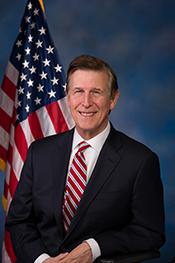
Primary Sponsors

Members listed as primary sponsors of this legislation.
Cosponsors

Members who joined this legislation as cosponsors.

No cosponsors found.

Recorded Actions

Official legislative actions recorded for this measure.

H11100Aug 3, 2026

Referred to the Committee on the Budget, and in addition to the Committee on Rules, for a period to be subsequently determined by the Speaker, in each case for consideration of such provisions as fall within the jurisdiction of the committee concerned.

Official source ↗
Intro-HAug 3, 2026

Introduced in House

Official source ↗

Linked Votes

Roll-call votes associated with this legislation.

No roll-call votes are currently linked to this bill.
Discussion notificationsSign in to subscribe
?
No comments yet. Start the conversation.