← Back to bills
H.R. 10049119th CongressReferred to the House Committee on Ways and Means.
Visitable Inclusive Tax credits for Accessible Living (VITAL) Act
Introduced: Aug 6, 2026
Latest action: Aug 6, 2026
Latest Action
Referred to the House Committee on Ways and Means.
1
Primary Sponsors
1
Cosponsors
2
Recorded Actions
0
Linked Votes
Plain-English AI Summary
What this bill means
Generated from the official bill text to make the legislation easier to understand.
What this bill does
This bill amends the Low-Income Housing Tax Credit (LIHTC) program within the Internal Revenue Code. It increases the total amount of tax credits allocated to states and creates financial incentives and state mandates to construct affordable, walkable housing tailored for people with disabilities and older adults.
Who it affects
* **State Housing Credit Agencies:** Required to update their state allocation plans and ensure specific funding quotas are met for accessible housing.
* **Low-Income Housing Developers:** Permitted to claim higher tax credits if they build housing that meets federal accessibility and location standards.
* **Individuals with Disabilities and Older Adults:** Low-income residents who have mental, physical, sensory, or developmental disabilities who need accessible, walkable low-income housing.
What would change
* **Higher State Tax Credit Funding:** The baseline amount of tax credits given to states will increase starting in 2026.
* **Developer Incentives for Accessible and Walkable Housing:** Starting after December 31, 2026, housing developers can receive a 150% "basis boost"—which increases the project cost baseline used to calculate their tax credits—if their building meets specific accessibility, walkability, and state approval rules.
* **State Target Quotas:** States must update their Qualified Allocation Plans (the rules used to distribute tax credits) to ensure that, over any rolling 3-year period, at least 40% of all LIHTC-funded housing units are part of projects that set aside at least half their units for people with disabilities.
* **Bonus Counting for State Quotas:** To help states meet their 40% target, any housing unit that meets both the accessibility requirement and the location walkability requirement will count twice toward the 40% goal.
Money or funding
The bill increases federal tax credit allowances granted to states as follows:
* **2026 Allocations:** Raised to $4.25 per state resident, with a minimum guaranteed allocation of $4,876,000 for smaller states.
* **2027 Allocations:** Calculated at 1.25 times the 2026 baseline amount, adjusted for inflation (using 2024 as the base year). The small-state minimum will increase using the same formula.
* **Post-2027 Allocations:** Adjusted annually for inflation (using 2026 as the base year).
Additionally, developers who qualify for the 150% basis boost will receive higher tax credit amounts based on 150% of their eligible baseline costs.
Important exceptions or limits
To qualify for the 150% tax credit basis boost, a housing project must meet **all three** of the following conditions:
1. At least 50% of the low-income units are designed and designated for people with mental, physical, sensory, or developmental disabilities under Uniform Federal Accessibility Standards (or successor standards named by the Treasury Secretary).
2. The building is located in an Environmental Protection Agency (EPA)-designated census block group rated as above-average in walkability, or is adjacent to two or more such census tracts.
3. The state housing credit agency formally determines that the extra credit boost is necessary to make the project financially feasible.
Plain-English bottom line
This bill increases the overall pool of federal tax credits available for low-income housing starting in 2026 and mandates that states reserve a significant portion of those credits for accessible housing, while offering extra tax subsidies to developers who build walkable housing for people with disabilities.
This summary was generated by AI from the official bill text. It is intended to make legislation easier to understand and does not replace the original legal language.
Official Summary
Official legislative summary associated with this bill.
No official summary is currently available.
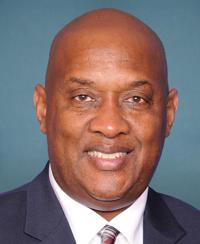
Primary Sponsors
Members listed as primary sponsors of this legislation.
Cosponsors
Members who joined this legislation as cosponsors.

Recorded Actions
Official legislative actions recorded for this measure.
Linked Votes
Roll-call votes associated with this legislation.
No roll-call votes are currently linked to this bill.
Discussion notificationsSign in to subscribe
No comments yet. Start the conversation.