PoliCheck Network
← Back to bills
H.R. 10052119th CongressReferred to the House Committee on the Judiciary.

Right to Worship Act

Introduced: Aug 6, 2026
Latest action: Aug 6, 2026

Latest Action

Referred to the House Committee on the Judiciary.

1
Primary Sponsors
9
Cosponsors
2
Recorded Actions
0
Linked Votes

Plain-English AI Summary

What this bill means

Generated from the official bill text to make the legislation easier to understand.

Summary Ready

What this bill does

The Right to Worship Act (H.R. 10052) creates federal civil bans, administrative fines, and lawsuit options to prevent people from disrupting religious services or blocking access to houses of worship.

Who it affects

* **Individuals attending services:** People who attend or participate in scheduled religious services at a house of worship. * **Houses of worship:** Religious facilities with pedestrian or vehicular entryways. * **Protesters or violators:** Any person involved in conduct affecting interstate commerce who intentionally disrupts a service or blocks access. * **The U.S. Attorney General:** Authorized to enforce the law by assessing administrative fines.

What would change

* **Prohibited Actions:** It would be illegal to knowingly disrupt a scheduled religious service or stop people from participating in one. It would also be illegal to conspire with or cause another person to do so. * **Time and Location Rules:** The restrictions apply specifically: * Within **100 feet** of any pedestrian or vehicular entrance to a house of worship. * During the window from **1 hour before** a scheduled service until **1 hour after** it ends. * **Legal Remedies:** People harmed by a violation are granted the right to file a private civil lawsuit.

Money or funding

The bill does not outline general government funding or appropriations, but it authorizes the U.S. Attorney General to charge civil administrative fines to violators: * **First offense:** $2,500 * **Second offense:** $5,000 * **Third or subsequent offense:** $10,000 per occurrence

Important exceptions or limits

* **Interstate Commerce Requirement:** The ban only applies to individuals involved in conduct that substantially affects interstate commerce. * **Intent Required:** A person must act "knowingly" to violate the law. * **Time and Space Limits:** The restrictions do not apply outside the 100-foot boundary around entryways or outside the window of 1 hour before to 1 hour after a service. * **Incomplete Information:** The provided summary cuts off mid-sentence under the civil lawsuits section ("...may file a civil lawsuit in"), so specific details regarding court jurisdiction, monetary damages, or additional lawsuit remedies are unclear from the text provided.

Plain-English bottom line

This bill makes it a federal violation to intentionally block entry to a house of worship or disrupt a religious service within 100 feet of an entrance and within an hour of the service. Violators face federal administrative fines up to $10,000 and potential civil lawsuits from affected individuals.

This summary was generated by AI from the official bill text. It is intended to make legislation easier to understand and does not replace the original legal language.

AI model: gemini-3.6-flashUpdated: Sep 26, 2026Review official bill text ↗

Official Summary

Official legislative summary associated with this bill.

No official summary is currently available.

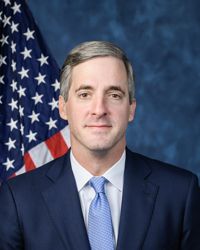
Primary Sponsors

Members listed as primary sponsors of this legislation.
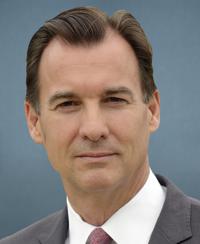
Cosponsors

Members who joined this legislation as cosponsors.
Recorded Actions

Official legislative actions recorded for this measure.

H11100Aug 6, 2026

Referred to the House Committee on the Judiciary.

Official source ↗
Intro-HAug 6, 2026

Introduced in House

Official source ↗

Linked Votes

Roll-call votes associated with this legislation.

No roll-call votes are currently linked to this bill.
Discussion notificationsSign in to subscribe
?
No comments yet. Start the conversation.