← Back to bills
S. 5372119th CongressRead twice and referred to the Committee on the Judiciary.
Kayleigh’s Law Act of 2026
Introduced: Aug 7, 2026
Latest action: Aug 7, 2026
Latest Action
Read twice and referred to the Committee on the Judiciary.
1
Primary Sponsors
0
Cosponsors
2
Recorded Actions
0
Linked Votes
Plain-English AI Summary
What this bill means
Generated from the official bill text to make the legislation easier to understand.
What this bill does
The Kayleigh’s Law Act of 2026 amends federal criminal law (Title 18 of the United States Code) to require federal courts to issue mandatory, lifetime no-contact orders against individuals convicted of certain violent or sexual federal crimes.
Who it affects
* **Defendants:** Individuals convicted of specified federal felony offenses, including violent crimes, sexual abuse or misconduct, sex trafficking, child pornography, child exploitation, and interstate stalking.
* **Victims:** Victims of covered federal crimes who request a no-contact order, or who consent to the government requesting one on their behalf.
* **Federal Courts:** Federal judges and court systems responsible for issuing, serving, and enforcing these no-contact orders.
What would change
* **Mandatory Injunctions:** If a defendant is convicted of a covered offense, the federal court **must** issue a no-contact order if requested by the victim or by the government with the victim's consent.
* **Timing and Service:** The court must issue the order at the time of sentencing and serve it to the defendant during the sentencing proceeding.
* **Broad Scope of Prohibited Contact:** The order bans all direct and indirect contact, including physical interactions, written, oral, electronic, or digital communications, interactions made through third parties, or contacts made via automated or technological systems.
* **Duration:** The no-contact order remains in effect for the rest of the defendant's natural life, unless a court formally suspends or terminates it.
* **Process to End or Suspend an Order:** An order can only be suspended or terminated through a formal court hearing where evidence is presented.
* A **victim** may request a hearing to suspend or end the order by alleging a change in circumstances or that the conviction was pardoned or commuted.
* A **defendant** may request a hearing to suspend or end the order only by alleging that the underlying conviction was dismissed or overturned on appeal.
* **Penalties:** Violating a federal no-contact order is punishable as contempt of court.
* **State Jurisdiction:** The bill explicitly states that federal no-contact orders do not affect or restrict their enforcement within state legal systems.
Money or funding
* **Victim Protections:** Federal courts are strictly prohibited from charging or collecting any fees from a victim for issuing a no-contact order.
* The bill summary does not mention any specific federal appropriations, spending amounts, or general tax provisions.
Important exceptions or limits
* Mandatory orders apply only after a conviction for specific federal offenses defined in the bill.
* Courts are only required to issue an order if the victim requests it or consents to the government requesting it.
* Defendants cannot ask a court to remove or suspend the order simply due to a change in circumstances; they may only do so if their conviction is formally overturned or dismissed on appeal.
Plain-English bottom line
This bill mandates that federal courts issue lifetime, fee-free no-contact orders against individuals convicted of serious federal violent or sexual crimes whenever a victim requests one, establishing clear rules for court service, lifetime enforcement, contempt-of-court penalties, and limited conditions for removal.
This summary was generated by AI from the official bill text. It is intended to make legislation easier to understand and does not replace the original legal language.
Official Summary
Official legislative summary associated with this bill.
No official summary is currently available.
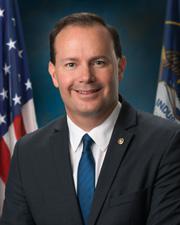
Primary Sponsors
Members listed as primary sponsors of this legislation.
Cosponsors
Members who joined this legislation as cosponsors.
No cosponsors found.
Recorded Actions
Official legislative actions recorded for this measure.
Linked Votes
Roll-call votes associated with this legislation.
No roll-call votes are currently linked to this bill.
Discussion notificationsSign in to subscribe
No comments yet. Start the conversation.