← Back to bills
H.R. 10085119th CongressReferred to the House Committee on Education and Workforce.
Lifelong Learning Act
Introduced: Aug 13, 2026
Latest action: Aug 13, 2026
Latest Action
Referred to the House Committee on Education and Workforce.
1
Primary Sponsors
0
Cosponsors
2
Recorded Actions
0
Linked Votes
Plain-English AI Summary
What this bill means
Generated from the official bill text to make the legislation easier to understand.
What this bill does
The Lifelong Learning Act (H.R. 10085) changes rules for local workforce development programs. It raises the limits on how much local workforce boards can spend on training current workers and managing transitional job programs. It also sets up new performance reporting rules for worker training and allows local workforce boards to directly manage workforce service delivery centers, provided they meet specific oversight requirements.
Who it affects
* **Local workforce development boards:** Gain higher spending caps for specific training programs and the ability to operate workforce service centers.
* **Workers:** Incumbent workers (currently employed workers receiving additional training) and individuals in transitional job programs.
* **Government officials:** Local chief elected officials, state Governors, the U.S. Secretary of Labor, and the U.S. Secretary of Education.
* **State workforce agencies:** Required to track and report program performance data.
What would change
* **Requirements:**
* States that run local incumbent worker training programs must include performance data for those programs in their official reports.
* States, the U.S. Secretary of Labor, and the U.S. Secretary of Education must use this performance data to update and adjust state performance targets for adult and dislocated worker programs.
* If a local workforce board serves as a center manager, it must create a written agreement with the local chief elected official outlining internal controls to prevent conflicts of interest. These controls must follow Office of Management and Budget (OMB) circulars and state conflict-of-interest policies.
* **Authorizations and Permissions:**
* Local workforce development boards are permitted to reserve a larger share of their local adult and dislocated worker funds for specialized programs.
* Local workforce development boards are authorized to serve as "one-stop operators" (the organizations managing main workforce service centers) if they meet state criteria and receive approval.
Money or funding
The bill does not create new taxes, fees, or overall federal spending. Instead, it changes how local workforce development boards can allocate their existing local adult and dislocated worker funds:
* **Incumbent Worker Training:** Increases the maximum amount a board may set aside for training currently employed workers from 20% to 30% of these funds.
* **Transitional Jobs:** Increases the maximum amount a board may set aside for transitional jobs from 10% to 15% of these funds.
Important exceptions or limits
* A local workforce board may only act as a one-stop operator if it meets state eligibility rules and obtains explicit approval from both the Governor and the local chief elected official.
* Local boards serving as one-stop operators cannot operate without strict conflict-of-interest safeguards documented in a formal written agreement.
Plain-English bottom line
This bill gives local workforce boards more flexibility to use existing workforce funding for current worker training and transitional jobs. It also creates a path for local boards to manage service centers directly—as long as local and state leaders approve and conflict-of-interest rules are followed—while requiring states and federal agencies to track and use training performance results to guide program goals.
This summary was generated by AI from the official bill text. It is intended to make legislation easier to understand and does not replace the original legal language.
Official Summary
Official legislative summary associated with this bill.
No official summary is currently available.
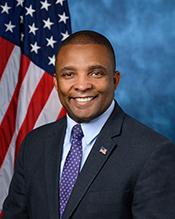
Primary Sponsors
Members listed as primary sponsors of this legislation.
Cosponsors
Members who joined this legislation as cosponsors.
No cosponsors found.
Recorded Actions
Official legislative actions recorded for this measure.
Linked Votes
Roll-call votes associated with this legislation.
No roll-call votes are currently linked to this bill.
Discussion notificationsSign in to subscribe
No comments yet. Start the conversation.