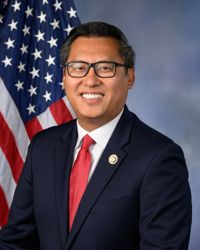
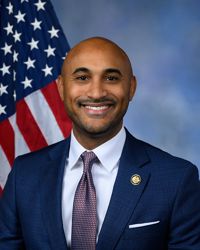
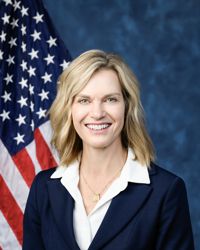
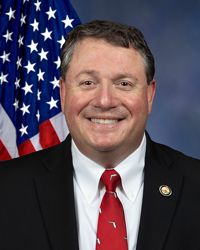
PoliCheck Network
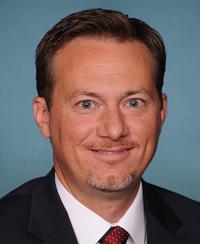
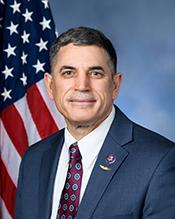
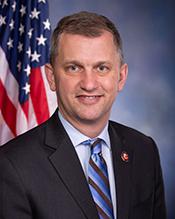
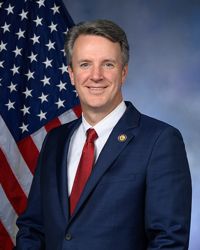
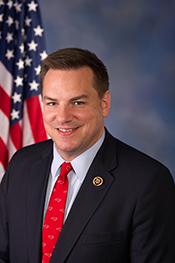
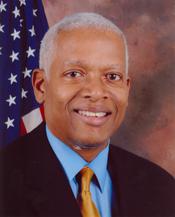
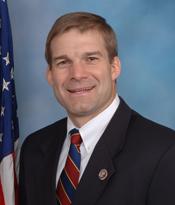
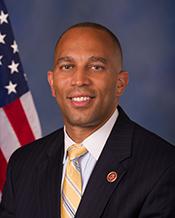
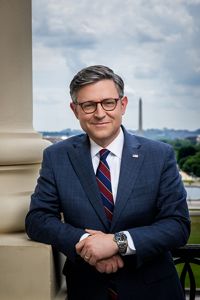
← Back to bill
House Roll Call 131PassedMay 15, 2025

On Passage

Passed

H.R. 2240 — Improving Law Enforcement Officer Safety and Wellness Through Data Act
403
Yea / Aye
11
Nay / No
0
Present
19
Not Voting
433
Total

Party Breakdown

How members of each party voted on this roll call.

Republican

219 members

Yea / Aye212 (97%)
Nay / No0 (0%)
Not Voting7 (3%)

Democrat

213 members

Yea / Aye190 (89%)
Nay / No11 (5%)
Not Voting12 (6%)

Independent

1 members

Yea / Aye1 (100%)
Nay / No0 (0%)

Yea / Aye

Members who voted in favor.

403 members
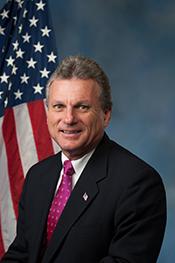
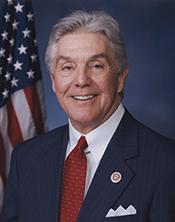
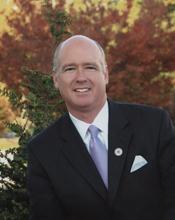
Robert B. Aderholt

Robert B. Aderholt

Republican • Alabama

District 4

Yea
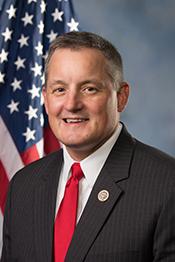
Mark E. Amodei

Mark E. Amodei

Republican • Nevada

District 2

Yea
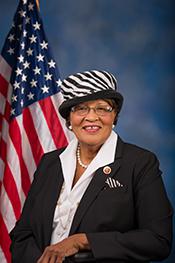
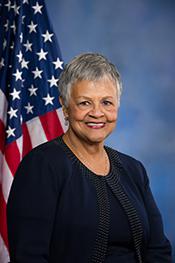
Alma S. Adams

Alma S. Adams

Democrat • North Carolina

District 12

Yea
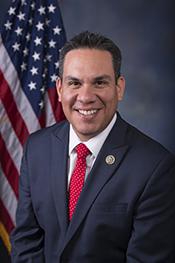
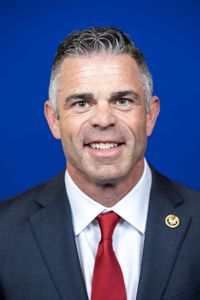
Pete Aguilar

Pete Aguilar

Democrat • California

District 33

Yea
Rick W. Allen

Rick W. Allen

Republican • Georgia

District 12

Yea
Jodey C. Arrington

Jodey C. Arrington

Republican • Texas

District 19

Yea
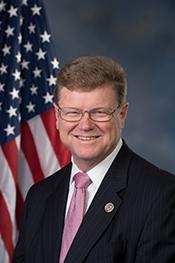
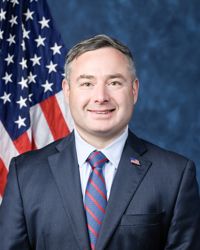
Mark Alford

Mark Alford

Republican • Missouri

District 4

Yea
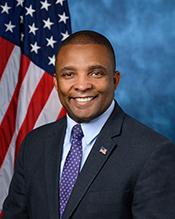
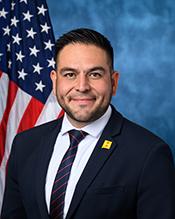
Gabe Amo

Gabe Amo

Democrat • Rhode Island

District 1

Yea
Yassamin Ansari

Yassamin Ansari

Democrat • Arizona

District 3

Yea
Sanford D. Bishop

Sanford D. Bishop

Democrat • Georgia

District 2

Yea
Cliff Bentz

Cliff Bentz

Republican • Oregon

District 2

Yea
Stephanie I. Bice

Stephanie I. Bice

Republican • Oklahoma

District 5

Yea
Lauren Boebert

Lauren Boebert

Republican • Colorado

District 4

Yea
Gus M. Bilirakis

Gus M. Bilirakis

Republican • Florida

District 12

Yea
Suzanne Bonamici

Suzanne Bonamici

Democrat • Oregon

District 1

Yea
Joyce Beatty

Joyce Beatty

Democrat • Ohio

District 3

Yea
Andy Barr

Andy Barr

Republican • Kentucky

District 6

Yea
Julia Brownley

Julia Brownley

Democrat • California

District 26

Yea
Ami Bera

Ami Bera

Democrat • California

District 6

Yea
Brian Babin

Brian Babin

Republican • Texas

District 36

Yea
Donald S. Beyer

Donald S. Beyer

Democrat • Virginia

District 8

Yea
Mike Bost

Mike Bost

Republican • Illinois

District 12

Yea
Brendan F. Boyle

Brendan F. Boyle

Democrat • Pennsylvania

District 2

Yea
Don Bacon

Don Bacon

Republican • Nebraska

District 2

Yea
Nanette Diaz Barragán

Nanette Diaz Barragán

Democrat • California

District 44

Yea
Jack Bergman

Jack Bergman

Republican • Michigan

District 1

Yea
Andy Biggs

Andy Biggs

Republican • Arizona

District 5

Yea
Troy Balderson

Troy Balderson

Republican • Ohio

District 12

Yea
James R. Baird

James R. Baird

Republican • Indiana

District 4

Yea
Tim Burchett

Tim Burchett

Republican • Tennessee

District 2

Yea
Shontel M. Brown

Shontel M. Brown

Democrat • Ohio

District 11

Yea
Aaron Bean

Aaron Bean

Republican • Florida

District 4

Yea
Nikki Budzinski

Nikki Budzinski

Democrat • Illinois

District 13

Yea
Eric Burlison

Eric Burlison

Republican • Missouri

District 7

Yea
Josh Brecheen

Josh Brecheen

Republican • Oklahoma

District 2

Yea
Becca Balint

Becca Balint

Democrat • Vermont

Yea
Tom Barrett

Tom Barrett

Republican • Michigan

District 7

Yea
Michael Baumgartner

Michael Baumgartner

Republican • Washington

District 5

Yea
Nicholas J. Begich

Nicholas J. Begich

Republican • Alaska

Yea
Wesley Bell

Wesley Bell

Democrat • Missouri

District 1

Yea
Sheri Biggs

Sheri Biggs

Republican • South Carolina

District 3

Yea
Janelle S. Bynum

Janelle S. Bynum

Democrat • Oregon

District 5

Yea
Robert P. Bresnahan

Robert P. Bresnahan

Republican • Pennsylvania

District 8

Yea
Ken Calvert

Ken Calvert

Republican • California

District 41

Yea
James E. Clyburn

James E. Clyburn

Democrat • South Carolina

District 6

Yea
Kat Cammack

Kat Cammack

Republican • Florida

District 3

Yea
John R. Carter

John R. Carter

Republican • Texas

District 31

Yea
Tom Cole

Tom Cole

Republican • Oklahoma

District 4

Yea
Ed Case

Ed Case

Democrat • Hawaii

District 1

Yea
Jim Costa

Jim Costa

Democrat • California

District 21

Yea
Emanuel Cleaver

Emanuel Cleaver

Democrat • Missouri

District 5

Yea
Henry Cuellar

Henry Cuellar

Democrat • Texas

District 28

Yea
Kathy Castor

Kathy Castor

Democrat • Florida

District 14

Yea
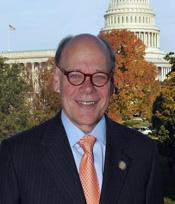
Steve Cohen

Steve Cohen

Democrat • Tennessee

District 9

Yea
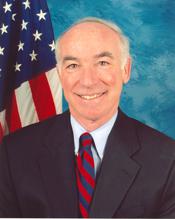
Joe Courtney

Joe Courtney

Democrat • Connecticut

District 2

Yea
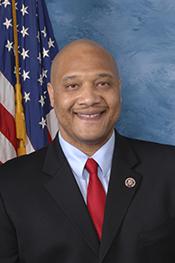
André Carson

André Carson

Democrat • Indiana

District 7

Yea
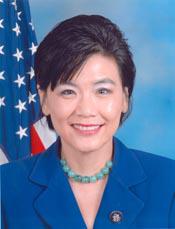
Judy Chu

Judy Chu

Democrat • California

District 28

Yea
Eric A. "Rick" Crawford

Eric A. "Rick" Crawford

Republican • Arkansas

District 1

Yea
Joaquin Castro

Joaquin Castro

Democrat • Texas

District 20

Yea
Katherine M. Clark

Katherine M. Clark

Democrat • Massachusetts

District 5

Yea
Earl L. "Buddy" Carter

Earl L. "Buddy" Carter

Republican • Georgia

District 1

Yea
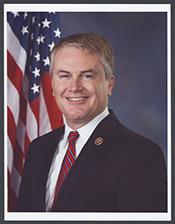
James Comer

James Comer

Republican • Kentucky

District 1

Yea
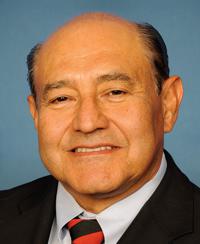
J. Luis Correa

J. Luis Correa

Democrat • California

District 46

Yea
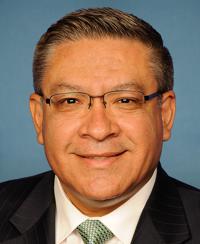
Salud O. Carbajal

Salud O. Carbajal

Democrat • California

District 24

Yea
Michael Cloud

Michael Cloud

Republican • Texas

District 27

Yea
Andrew S. Clyde

Andrew S. Clyde

Republican • Georgia

District 9

Yea
Sean Casten

Sean Casten

Democrat • Illinois

District 6

Yea
Ben Cline

Ben Cline

Republican • Virginia

District 6

Yea
Angie Craig

Angie Craig

Democrat • Minnesota

District 2

Yea
Dan Crenshaw

Dan Crenshaw

Republican • Texas

District 2

Yea
Jason Crow

Jason Crow

Democrat • Colorado

District 6

Yea
Gilbert Ray Cisneros

Gilbert Ray Cisneros

Democrat • California

District 31

Yea
Troy A. Carter

Troy A. Carter

Democrat • Louisiana

District 2

Yea
Mike Carey

Mike Carey

Republican • Ohio

District 15

Yea
Sheila Cherfilus-McCormick

Sheila Cherfilus-McCormick

Democrat • Florida

District 20

Yea
Mike Collins

Mike Collins

Republican • Georgia

District 10

Yea
Jasmine Crockett

Jasmine Crockett

Democrat • Texas

District 30

Yea
Juan Ciscomani

Juan Ciscomani

Republican • Arizona

District 6

Yea
Herbert C. Conaway

Herbert C. Conaway

Democrat • New Jersey

District 3

Yea
Jeff Crank

Jeff Crank

Republican • Colorado

District 5

Yea
Byron Donalds

Byron Donalds

Republican • Florida

District 19

Yea
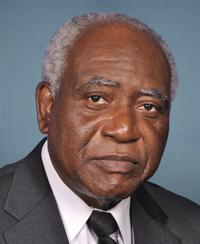
Danny K. Davis

Danny K. Davis

Democrat • Illinois

District 7

Yea
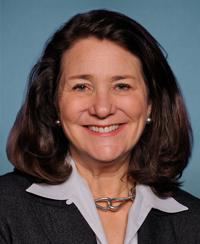
Diana DeGette

Diana DeGette

Democrat • Colorado

District 1

Yea
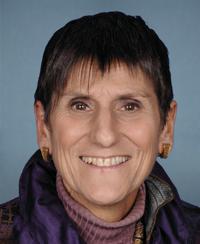
Rosa L. DeLauro

Rosa L. DeLauro

Democrat • Connecticut

District 3

Yea
Donald G. Davis

Donald G. Davis

Democrat • North Carolina

District 1

Yea
Christopher R. Deluzio

Christopher R. Deluzio

Democrat • Pennsylvania

District 17

Yea
Monica De La Cruz

Monica De La Cruz

Republican • Texas

District 15

Yea
Mario Diaz-Balart

Mario Diaz-Balart

Republican • Florida

District 26

Yea
Scott DesJarlais

Scott DesJarlais

Republican • Tennessee

District 4

Yea
Suzan K. DelBene

Suzan K. DelBene

Democrat • Washington

District 1

Yea
Mark DeSaulnier

Mark DeSaulnier

Democrat • California

District 10

Yea
Debbie Dingell

Debbie Dingell

Democrat • Michigan

District 6

Yea
Warren Davidson

Warren Davidson

Republican • Ohio

District 8

Yea
Neal P. Dunn

Neal P. Dunn

Republican • Florida

District 2

Yea
Sharice Davids

Sharice Davids

Democrat • Kansas

District 3

Yea
Madeleine Dean

Madeleine Dean

Democrat • Pennsylvania

District 4

Yea
Troy Downing

Troy Downing

Republican • Montana

District 2

Yea
Maxine Dexter

Maxine Dexter

Democrat • Oregon

District 3

Yea
Jake Ellzey

Jake Ellzey

Republican • Texas

District 6

Yea
Mike Ezell

Mike Ezell

Republican • Mississippi

District 4

Yea
Chuck Edwards

Chuck Edwards

Republican • North Carolina

District 11

Yea
Tom Emmer

Tom Emmer

Republican • Minnesota

District 6

Yea
Dwight Evans

Dwight Evans

Democrat • Pennsylvania

District 3

Yea
Adriano Espaillat

Adriano Espaillat

Democrat • New York

District 13

Yea
Ron Estes

Ron Estes

Republican • Kansas

District 4

Yea
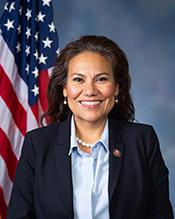
Veronica Escobar

Veronica Escobar

Democrat • Texas

District 16

Yea
Gabe Evans

Gabe Evans

Republican • Colorado

District 8

Yea
Sarah Elfreth

Sarah Elfreth

Democrat • Maryland

District 3

Yea
Cleo Fields

Cleo Fields

Democrat • Louisiana

District 6

Yea
Pat Fallon

Pat Fallon

Republican • Texas

District 4

Yea
Randy Feenstra

Randy Feenstra

Republican • Iowa

District 4

Yea
Virginia Foxx

Virginia Foxx

Republican • North Carolina

District 5

Yea
Bill Foster

Bill Foster

Democrat • Illinois

District 11

Yea
Charles J. "Chuck" Fleischmann

Charles J. "Chuck" Fleischmann

Republican • Tennessee

District 3

Yea
Lois Frankel

Lois Frankel

Democrat • Florida

District 22

Yea
Brian K. Fitzpatrick

Brian K. Fitzpatrick

Republican • Pennsylvania

District 1

Yea
Lizzie Fletcher

Lizzie Fletcher

Democrat • Texas

District 7

Yea
Russ Fulcher

Russ Fulcher

Republican • Idaho

District 1

Yea
Michelle Fischbach

Michelle Fischbach

Republican • Minnesota

District 7

Yea
Scott Fitzgerald

Scott Fitzgerald

Republican • Wisconsin

District 5

Yea
Scott Franklin

Scott Franklin

Republican • Florida

District 18

Yea
Mike Flood

Mike Flood

Republican • Nebraska

District 1

Yea
Brad Finstad

Brad Finstad

Republican • Minnesota

District 1

Yea
Valerie P. Foushee

Valerie P. Foushee

Democrat • North Carolina

District 4

Yea
Russell Fry

Russell Fry

Republican • South Carolina

District 7

Yea
Vince Fong

Vince Fong

Republican • California

District 20

Yea
Shomari Figures

Shomari Figures

Democrat • Alabama

District 2

Yea
Julie Fedorchak

Julie Fedorchak

Republican • North Dakota

Yea
Laura Friedman

Laura Friedman

Democrat • California

District 30

Yea
Randy Fine

Randy Fine

Republican • Florida

District 6

Yea
Sam Graves

Sam Graves

Republican • Missouri

District 6

Yea
Brett Guthrie

Brett Guthrie

Republican • Kentucky

District 2

Yea
Paul A. Gosar

Paul A. Gosar

Republican • Arizona

District 9

Yea
H. Morgan Griffith

H. Morgan Griffith

Republican • Virginia

District 9

Yea
Glenn Grothman

Glenn Grothman

Republican • Wisconsin

District 6

Yea
Vicente Gonzalez

Vicente Gonzalez

Democrat • Texas

District 34

Yea
Jimmy Gomez

Jimmy Gomez

Democrat • California

District 34

Yea
Sylvia R. Garcia

Sylvia R. Garcia

Democrat • Texas

District 29

Yea
Lance Gooden

Lance Gooden

Republican • Texas

District 5

Yea
Mark E. Green

Mark E. Green

Republican • Tennessee

District 7

Yea
Michael Guest

Michael Guest

Republican • Mississippi

District 3

Yea
Jared F. Golden

Jared F. Golden

Democrat • Maine

District 2

Yea
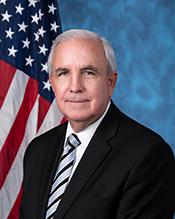
Carlos A. Gimenez

Carlos A. Gimenez

Republican • Florida

District 28

Yea
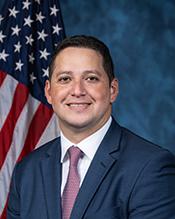
Tony Gonzales

Tony Gonzales

Republican • Texas

District 23

Yea
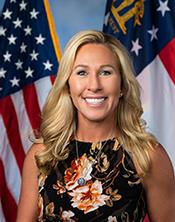
Marjorie Taylor Greene

Marjorie Taylor Greene

Republican • Georgia

District 14

Yea
Andrew R. Garbarino

Andrew R. Garbarino

Republican • New York

District 2

Yea
Robert Garcia

Robert Garcia

Democrat • California

District 42

Yea
Daniel S. Goldman

Daniel S. Goldman

Democrat • New York

District 10

Yea
Marie Gluesenkamp Perez

Marie Gluesenkamp Perez

Democrat • Washington

District 3

Yea
Craig A. Goldman

Craig A. Goldman

Republican • Texas

District 12

Yea
Laura Gillen

Laura Gillen

Democrat • New York

District 4

Yea
Maggie Goodlander

Maggie Goodlander

Democrat • New Hampshire

District 2

Yea
Adam Gray

Adam Gray

Democrat • California

District 13

Yea
Steny H. Hoyer

Steny H. Hoyer

Democrat • Maryland

District 5

Yea
James A. Himes

James A. Himes

Democrat • Connecticut

District 4

Yea
Andy Harris

Andy Harris

Republican • Maryland

District 1

Yea
Bill Huizenga

Bill Huizenga

Republican • Michigan

District 4

Yea
Steven Horsford

Steven Horsford

Democrat • Nevada

District 4

Yea
Richard Hudson

Richard Hudson

Republican • North Carolina

District 9

Yea
Jared Huffman

Jared Huffman

Democrat • California

District 2

Yea
J. French Hill

J. French Hill

Republican • Arkansas

District 2

Yea
Clay Higgins

Clay Higgins

Republican • Louisiana

District 3

Yea
Jahana Hayes

Jahana Hayes

Democrat • Connecticut

District 5

Yea
Kevin Hern

Kevin Hern

Republican • Oklahoma

District 1

Yea
Chrissy Houlahan

Chrissy Houlahan

Democrat • Pennsylvania

District 6

Yea
Diana Harshbarger

Diana Harshbarger

Republican • Tennessee

District 1

Yea
Josh Harder

Josh Harder

Democrat • California

District 9

Yea
Ashley Hinson

Ashley Hinson

Republican • Iowa

District 2

Yea
Erin Houchin

Erin Houchin

Republican • Indiana

District 9

Yea
Val T. Hoyle

Val T. Hoyle

Democrat • Oregon

District 4

Yea
Wesley Hunt

Wesley Hunt

Republican • Texas

District 38

Yea
Harriet M. Hageman

Harriet M. Hageman

Republican • Wyoming

Yea
Abraham J. Hamadeh

Abraham J. Hamadeh

Republican • Arizona

District 8

Yea
Mike Haridopolos

Mike Haridopolos

Republican • Florida

District 8

Yea
Jeff Hurd

Jeff Hurd

Republican • Colorado

District 3

Yea
Pat Harrigan

Pat Harrigan

Republican • North Carolina

District 10

Yea
Mark Harris

Mark Harris

Republican • North Carolina

District 8

Yea
Darrell Issa

Darrell Issa

Republican • California

District 48

Yea
Glenn Ivey

Glenn Ivey

Democrat • Maryland

District 4

Yea
Henry C. "Hank" Johnson

Henry C. "Hank" Johnson

Democrat • Georgia

District 4

Yea
Jim Jordan

Jim Jordan

Republican • Ohio

District 4

Yea
Hakeem S. Jeffries

Hakeem S. Jeffries

Democrat • New York

District 8

Yea
Mike Johnson

Mike Johnson

Republican • Louisiana

District 4

Yea
Dusty Johnson

Dusty Johnson

Republican • South Dakota

Yea
John Joyce

John Joyce

Republican • Pennsylvania

District 13

Yea
Ronny Jackson

Ronny Jackson

Republican • Texas

District 13

Yea
Sara Jacobs

Sara Jacobs

Democrat • California

District 51

Yea
Jonathan L. Jackson

Jonathan L. Jackson

Democrat • Illinois

District 1

Yea
Julie Johnson

Julie Johnson

Democrat • Texas

District 32

Yea
Brian Jack

Brian Jack

Republican • Georgia

District 3

Yea
Marcy Kaptur

Marcy Kaptur

Democrat • Ohio

District 9

Yea
William R. Keating

William R. Keating

Democrat • Massachusetts

District 9

Yea
Mike Kelly

Mike Kelly

Republican • Pennsylvania

District 16

Yea
Robin L. Kelly

Robin L. Kelly

Democrat • Illinois

District 2

Yea
Trent Kelly

Trent Kelly

Republican • Mississippi

District 1

Yea
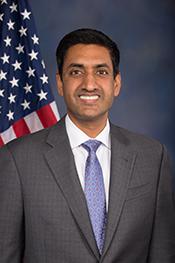
Ro Khanna

Ro Khanna

Democrat • California

District 17

Yea
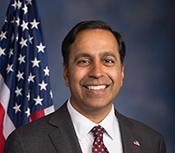
Raja Krishnamoorthi

Raja Krishnamoorthi

Democrat • Illinois

District 8

Yea
David Kustoff

David Kustoff

Republican • Tennessee

District 8

Yea
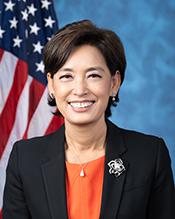
Young Kim

Young Kim

Republican • California

District 40

Yea
Thomas H. Kean

Thomas H. Kean

Republican • New Jersey

District 7

Yea
Jennifer A. Kiggans

Jennifer A. Kiggans

Republican • Virginia

District 2

Yea
Sydney Kamlager-Dove

Sydney Kamlager-Dove

Democrat • California

District 37

Yea
Kevin Kiley

Kevin Kiley

Independent • California

District 3

Yea
Timothy M. Kennedy

Timothy M. Kennedy

Democrat • New York

District 26

Yea
Brad Knott

Brad Knott

Republican • North Carolina

District 13

Yea
Teresa Leger Fernandez

Teresa Leger Fernandez

Democrat • New Mexico

District 3

Yea
Frank D. Lucas

Frank D. Lucas

Republican • Oklahoma

District 3

Yea
John B. Larson

John B. Larson

Democrat • Connecticut

District 1

Yea
Rick Larsen

Rick Larsen

Democrat • Washington

District 2

Yea
Stephen F. Lynch

Stephen F. Lynch

Democrat • Massachusetts

District 8

Yea
Robert E. Latta

Robert E. Latta

Republican • Ohio

District 5

Yea
Doug LaMalfa

Doug LaMalfa

Republican • California

District 1

Yea
Ted Lieu

Ted Lieu

Democrat • California

District 36

Yea
Barry Loudermilk

Barry Loudermilk

Republican • Georgia

District 11

Yea
Darin LaHood

Darin LaHood

Republican • Illinois

District 16

Yea
Susie Lee

Susie Lee

Democrat • Nevada

District 3

Yea
Mike Levin

Mike Levin

Democrat • California

District 49

Yea
Julia Letlow

Julia Letlow

Republican • Louisiana

District 5

Yea
Anna Paulina Luna

Anna Paulina Luna

Republican • Florida

District 13

Yea
Laurel M. Lee

Laurel M. Lee

Republican • Florida

District 15

Yea
Nick LaLota

Nick LaLota

Republican • New York

District 1

Yea
Michael Lawler

Michael Lawler

Republican • New York

District 17

Yea
Nicholas A. Langworthy

Nicholas A. Langworthy

Republican • New York

District 23

Yea
Greg Landsman

Greg Landsman

Democrat • Ohio

District 1

Yea
Morgan Luttrell

Morgan Luttrell

Republican • Texas

District 8

Yea
George Latimer

George Latimer

Democrat • New York

District 16

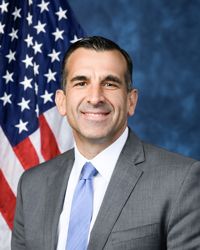
Yea
Sam T. Liccardo

Sam T. Liccardo

Democrat • California

District 16

Yea
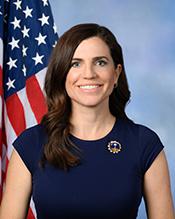
Nancy Mace

Nancy Mace

Republican • South Carolina

District 1

Yea
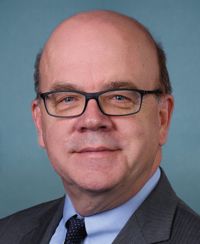
James P. McGovern

James P. McGovern

Democrat • Massachusetts

District 2

Yea
Nicole Malliotakis

Nicole Malliotakis

Republican • New York

District 11

Yea
Kweisi Mfume

Kweisi Mfume

Democrat • Maryland

District 7

Yea
Tracey Mann

Tracey Mann

Republican • Kansas

District 1

Yea
Lisa C. McClain

Lisa C. McClain

Republican • Michigan

District 9

Yea
Gregory W. Meeks

Gregory W. Meeks

Democrat • New York

District 5

Yea
Betty McCollum

Betty McCollum

Democrat • Minnesota

District 4

Yea
Michael T. McCaul

Michael T. McCaul

Republican • Texas

District 10

Yea
Gwen Moore

Gwen Moore

Democrat • Wisconsin

District 4

Yea
Doris O. Matsui

Doris O. Matsui

Democrat • California

District 7

Yea
Tom McClintock

Tom McClintock

Republican • California

District 5

Yea
Thomas Massie

Thomas Massie

Republican • Kentucky

District 4

Yea
Grace Meng

Grace Meng

Democrat • New York

District 6

Yea
John R. Moolenaar

John R. Moolenaar

Republican • Michigan

District 2

Yea
Seth Moulton

Seth Moulton

Democrat • Massachusetts

District 6

Yea
Brian J. Mast

Brian J. Mast

Republican • Florida

District 21

Yea
Daniel Meuser

Daniel Meuser

Republican • Pennsylvania

District 9

Yea
Carol D. Miller

Carol D. Miller

Republican • West Virginia

District 1

Yea
Joseph D. Morelle

Joseph D. Morelle

Democrat • New York

District 25

Yea
Lucy McBath

Lucy McBath

Democrat • Georgia

District 6

Yea
Gregory F. Murphy

Gregory F. Murphy

Republican • North Carolina

District 3

Yea
Mary E. Miller

Mary E. Miller

Republican • Illinois

District 15

Yea
Barry Moore

Barry Moore

Republican • Alabama

District 1

Yea
Blake D. Moore

Blake D. Moore

Republican • Utah

District 1

Yea
Frank J. Mrvan

Frank J. Mrvan

Democrat • Indiana

District 1

Yea
Mariannette Miller-Meeks

Mariannette Miller-Meeks

Republican • Iowa

District 1

Yea
Cory Mills

Cory Mills

Republican • Florida

District 7

Yea
Jared Moskowitz

Jared Moskowitz

Democrat • Florida

District 23

Yea
Richard McCormick

Richard McCormick

Republican • Georgia

District 7

Yea
Morgan McGarvey

Morgan McGarvey

Democrat • Kentucky

District 3

Yea
Max L. Miller

Max L. Miller

Republican • Ohio

District 7

Yea
Seth Magaziner

Seth Magaziner

Democrat • Rhode Island

District 2

Yea
Nathaniel Moran

Nathaniel Moran

Republican • Texas

District 1

Yea
Kevin Mullin

Kevin Mullin

Democrat • California

District 15

Yea
Robert Menendez

Robert Menendez

Democrat • New Jersey

District 8

Yea
Jennifer L. McClellan

Jennifer L. McClellan

Democrat • Virginia

District 4

Yea
Celeste Maloy

Celeste Maloy

Republican • Utah

District 2

Yea
LaMonica McIver

LaMonica McIver

Democrat • New Jersey

District 10

Yea
Ryan Mackenzie

Ryan Mackenzie

Republican • Pennsylvania

District 7

Yea
John W. Mannion

John W. Mannion

Democrat • New York

District 22

Yea
Mark B. Messmer

Mark B. Messmer

Republican • Indiana

District 8

Yea
Kelly Morrison

Kelly Morrison

Democrat • Minnesota

District 3

Yea
Riley M. Moore

Riley M. Moore

Republican • West Virginia

District 2

Yea
Tim Moore

Tim Moore

Republican • North Carolina

District 14

Yea
Kristen McDonald Rivet

Kristen McDonald Rivet

Democrat • Michigan

District 8

Yea
Sarah McBride

Sarah McBride

Democrat • Delaware

Yea
John J. McGuire

John J. McGuire

Republican • Virginia

District 5

Yea
Addison P. McDowell

Addison P. McDowell

Republican • North Carolina

District 6

Yea
Dave Min

Dave Min

Democrat • California

District 47

Yea
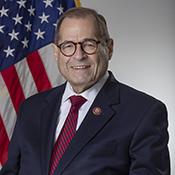
Jerrold Nadler

Jerrold Nadler

Democrat • New York

District 12

Yea
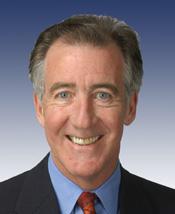
Richard E. Neal

Richard E. Neal

Democrat • Massachusetts

District 1

Yea
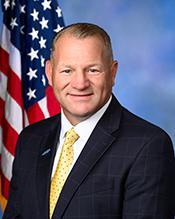
Troy E. Nehls

Troy E. Nehls

Republican • Texas

District 22

Yea
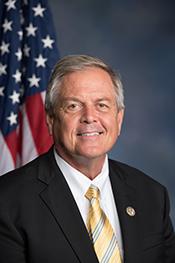
Ralph Norman

Ralph Norman

Republican • South Carolina

District 5

Yea
Joe Neguse

Joe Neguse

Democrat • Colorado

District 2

Yea
Zachary Nunn

Zachary Nunn

Republican • Iowa

District 3

Yea
Jay Obernolte

Jay Obernolte

Republican • California

District 23

Yea
Burgess Owens

Burgess Owens

Republican • Utah

District 4

Yea
Ilhan Omar

Ilhan Omar

Democrat • Minnesota

District 5

Yea
Andrew Ogles

Andrew Ogles

Republican • Tennessee

District 5

Yea
Johnny Olszewski

Johnny Olszewski

Democrat • Maryland

District 2

Yea
Robert F. Onder

Robert F. Onder

Republican • Missouri

District 3

Yea
Frank Pallone

Frank Pallone

Democrat • New Jersey

District 6

Yea
August Pfluger

August Pfluger

Republican • Texas

District 11

Yea
Nancy Pelosi

Nancy Pelosi

Democrat • California

District 11

Yea
Chellie Pingree

Chellie Pingree

Democrat • Maine

District 1

Yea
Scott Perry

Scott Perry

Republican • Pennsylvania

District 10

Yea
Mark Pocan

Mark Pocan

Democrat • Wisconsin

District 2

Yea
Scott H. Peters

Scott H. Peters

Democrat • California

District 50

Yea
Gary J. Palmer

Gary J. Palmer

Republican • Alabama

District 6

Yea
Jimmy Panetta

Jimmy Panetta

Democrat • California

District 19

Yea
Chris Pappas

Chris Pappas

Democrat • New Hampshire

District 1

Yea
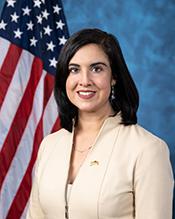
Nellie Pou

Nellie Pou

Democrat • New Jersey

District 9

Yea
Jimmy Patronis

Jimmy Patronis

Republican • Florida

District 1

Yea
Mike Quigley

Mike Quigley

Democrat • Illinois

District 5

Yea
Deborah K. Ross

Deborah K. Ross

Democrat • North Carolina

District 2

Yea
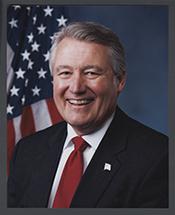
Harold Rogers

Harold Rogers

Republican • Kentucky

District 5

Yea
Mike D. Rogers

Mike D. Rogers

Republican • Alabama

District 3

Yea
Patrick Ryan

Patrick Ryan

Democrat • New York

District 18

Yea
Raul Ruiz

Raul Ruiz

Democrat • California

District 25

Yea
David Rouzer

David Rouzer

Republican • North Carolina

District 7

Yea
John H. Rutherford

John H. Rutherford

Republican • Florida

District 5

Yea
Guy Reschenthaler

Guy Reschenthaler

Republican • Pennsylvania

District 14

Yea
John W. Rose

John W. Rose

Republican • Tennessee

District 6

Yea
Chip Roy

Chip Roy

Republican • Texas

District 21

Yea
Michael A. Rulli

Michael A. Rulli

Republican • Ohio

District 6

Yea
Luz M. Rivas

Luz M. Rivas

Democrat • California

District 29

Yea
Emily Randall

Emily Randall

Democrat • Washington

District 6

Yea
Josh Riley

Josh Riley

Democrat • New York

District 19

Yea
Maria Elvira Salazar

Maria Elvira Salazar

Republican • Florida

District 27

Yea
Robert C. "Bobby" Scott

Robert C. "Bobby" Scott

Democrat • Virginia

District 3

Yea
Pete Sessions

Pete Sessions

Republican • Texas

District 17

Yea
Brad Sherman

Brad Sherman

Democrat • California

District 32

Yea
Adam Smith

Adam Smith

Democrat • Washington

District 9

Yea
Christopher H. Smith

Christopher H. Smith

Republican • New Jersey

District 4

Yea
Victoria Spartz

Victoria Spartz

Republican • Indiana

District 5

Yea
Janice D. Schakowsky

Janice D. Schakowsky

Democrat • Illinois

District 9

Yea
Michael K. Simpson

Michael K. Simpson

Republican • Idaho

District 2

Yea
Linda T. Sánchez

Linda T. Sánchez

Democrat • California

District 38

Yea
David Scott

David Scott

Democrat • Georgia

District 13

Yea
Marilyn Strickland

Marilyn Strickland

Democrat • Washington

District 10

Yea
Adrian Smith

Adrian Smith

Republican • Nebraska

District 3

Yea
Steve Scalise

Steve Scalise

Republican • Louisiana

District 1

Yea
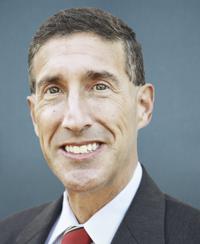
David Schweikert

David Schweikert

Republican • Arizona

District 1

Yea
Terri A. Sewell

Terri A. Sewell

Democrat • Alabama

District 7

Yea
Marlin A. Stutzman

Marlin A. Stutzman

Republican • Indiana

District 3

Yea
Austin Scott

Austin Scott

Republican • Georgia

District 8

Yea
Bradley Scott Schneider

Bradley Scott Schneider

Democrat • Illinois

District 10

Yea
Eric Swalwell

Eric Swalwell

Democrat • California

District 14

Yea
Jason Smith

Jason Smith

Republican • Missouri

District 8

Yea
Elise M. Stefanik

Elise M. Stefanik

Republican • New York

District 21

Yea
Lloyd Smucker

Lloyd Smucker

Republican • Pennsylvania

District 11

Yea
Darren Soto

Darren Soto

Democrat • Florida

District 9

Yea
Thomas R. Suozzi

Thomas R. Suozzi

Democrat • New York

District 3

Yea
Mary Gay Scanlon

Mary Gay Scanlon

Democrat • Pennsylvania

District 5

Yea
Greg Stanton

Greg Stanton

Democrat • Arizona

District 4

Yea
Pete Stauber

Pete Stauber

Republican • Minnesota

District 8

Yea
Bryan Steil

Bryan Steil

Republican • Wisconsin

District 1

Yea
W. Gregory Steube

W. Gregory Steube

Republican • Florida

District 17

Yea
Haley M. Stevens

Haley M. Stevens

Democrat • Michigan

District 11

Yea
Kim Schrier

Kim Schrier

Democrat • Washington

District 8

Yea
Melanie A. Stansbury

Melanie A. Stansbury

Democrat • New Mexico

District 1

Yea
Dale W. Strong

Dale W. Strong

Republican • Alabama

District 5

Yea
Hillary J. Scholten

Hillary J. Scholten

Democrat • Michigan

District 3

Yea
Emilia Strong Sykes

Emilia Strong Sykes

Democrat • Ohio

District 13

Yea
Keith Self

Keith Self

Republican • Texas

District 3

Yea
Eric Sorensen

Eric Sorensen

Democrat • Illinois

District 17

Yea
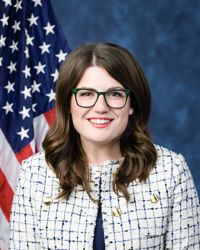
Andrea Salinas

Andrea Salinas

Democrat • Oregon

District 6

Yea
Derek Schmidt

Derek Schmidt

Republican • Kansas

District 2

Yea
Jefferson Shreve

Jefferson Shreve

Republican • Indiana

District 6

Yea
Suhas Subramanyam

Suhas Subramanyam

Democrat • Virginia

District 10

Yea
Lateefah Simon

Lateefah Simon

Democrat • California

District 12

Yea
Thomas P. Tiffany

Thomas P. Tiffany

Republican • Wisconsin

District 7

Yea
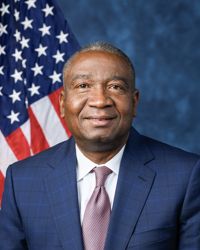
Bennie G. Thompson

Bennie G. Thompson

Democrat • Mississippi

District 2

Yea
Mike Thompson

Mike Thompson

Democrat • California

District 4

Yea
Michael R. Turner

Michael R. Turner

Republican • Ohio

District 10

Yea
Glenn Thompson

Glenn Thompson

Republican • Pennsylvania

District 15

Yea
Dina Titus

Dina Titus

Democrat • Nevada

District 1

Yea
Paul Tonko

Paul Tonko

Democrat • New York

District 20

Yea
Mark Takano

Mark Takano

Democrat • California

District 39

Yea
Norma J. Torres

Norma J. Torres

Democrat • California

District 35

Yea
Claudia Tenney

Claudia Tenney

Republican • New York

District 24

Yea
William R. Timmons

William R. Timmons

Republican • South Carolina

District 4

Yea
Ritchie Torres

Ritchie Torres

Democrat • New York

District 15

Yea
Jill N. Tokuda

Jill N. Tokuda

Democrat • Hawaii

District 2

Yea
Shri Thanedar

Shri Thanedar

Democrat • Michigan

District 13

Yea
David J. Taylor

David J. Taylor

Republican • Ohio

District 2

Yea
Derek Tran

Derek Tran

Democrat • California

District 45

Yea
Lauren Underwood

Lauren Underwood

Democrat • Illinois

District 14

Yea
Nydia M. Velázquez

Nydia M. Velázquez

Democrat • New York

District 7

Yea
David G. Valadao

David G. Valadao

Republican • California

District 22

Yea
Juan Vargas

Juan Vargas

Democrat • California

District 52

Yea
Marc A. Veasey

Marc A. Veasey

Democrat • Texas

District 33

Yea
Jefferson Van Drew

Jefferson Van Drew

Republican • New Jersey

District 2

Yea
Beth Van Duyne

Beth Van Duyne

Republican • Texas

District 24

Yea
Derrick Van Orden

Derrick Van Orden

Republican • Wisconsin

District 3

Yea
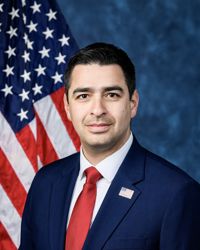
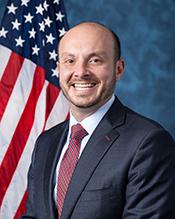
Gabe Vasquez

Gabe Vasquez

Democrat • New Mexico

District 2

Yea
Eugene Simon Vindman

Eugene Simon Vindman

Democrat • Virginia

District 7

Yea
Maxine Waters

Maxine Waters

Democrat • California

District 43

Yea
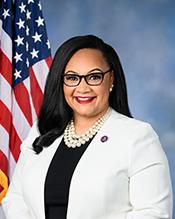
Nikema Williams

Nikema Williams

Democrat • Georgia

District 5

Yea
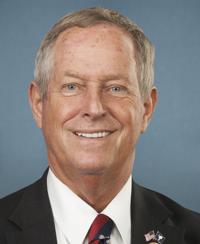
Joe Wilson

Joe Wilson

Republican • South Carolina

District 2

Yea
Debbie Wasserman Schultz

Debbie Wasserman Schultz

Democrat • Florida

District 25

Yea
Tim Walberg

Tim Walberg

Republican • Michigan

District 5

Yea
Robert J. Wittman

Robert J. Wittman

Republican • Virginia

District 1

Yea
Daniel Webster

Daniel Webster

Republican • Florida

District 11

Yea
Frederica S. Wilson

Frederica S. Wilson

Democrat • Florida

District 24

Yea
Steve Womack

Steve Womack

Republican • Arkansas

District 3

Yea
Ann Wagner

Ann Wagner

Republican • Missouri

District 2

Yea
Randy K. Sr. Weber

Randy K. Sr. Weber

Republican • Texas

District 14

Yea
Roger Williams

Roger Williams

Republican • Texas

District 25

Yea
Bruce Westerman

Bruce Westerman

Republican • Arkansas

District 4

Yea
Bonnie Watson Coleman

Bonnie Watson Coleman

Democrat • New Jersey

District 12

Yea
Tony Wied

Tony Wied

Republican • Wisconsin

District 8

Yea
George Whitesides

George Whitesides

Democrat • California

District 27

Yea
Rudy Yakym

Rudy Yakym

Republican • Indiana

District 2

Yea
Ryan K. Zinke

Ryan K. Zinke

Republican • Montana

District 1

Yea

Nay / No

Members who voted against.

11 members

Not Voting

Members who did not cast a recorded vote.

19 members

Lobbying Context

Federal lobbying disclosures that explicitly identify H.R. 2240. These records show reported lobbying involving the legislation; they do not establish that every member of Congress, sponsor, or voter was personally contacted.

INTERNATIONAL UNION OF POLICE ASSOCIATIONS AFL-CIO

Registrant: INTERNATIONAL UNION OF POLICE ASSOCIATIONS, AFL-CIO

2nd Quarter (Apr 1 - June 30)
Jul 10, 2026

Reported lobbying issue

Law Enforcement/Crime/Criminal Justice: HR 2243, HR 2240, s419, S1912 S 122, S 825, HR 1902, HR 35, HR 1821, HR 3304, S419, S666, HR 4053, HR 3859, HR 31, HR 30, S, 2001, HR 578, HR 3486, S978, S 167, HR 1236, HR 2668, HR 1188, HR 1470 S 122, HR 503, S 636, HR 1505, S 83, S 679, HR 2243, S 1517 HR 7390 HR 8179

Government entities reported: HOUSE OF REPRESENTATIVES SENATE

Reported filing-period amount: $20,000

This is the amount reported for the filing/reporting period and should not be interpreted as money spent lobbying this bill alone.

View official LDA filing ↗

INTERNATIONAL UNION OF POLICE ASSOCIATIONS AFL-CIO

Registrant: INTERNATIONAL UNION OF POLICE ASSOCIATIONS, AFL-CIO

1st Quarter (Jan 1 - Mar 31)
Apr 11, 2026

Reported lobbying issue

Law Enforcement/Crime/Criminal Justice: HR 2243, HR 2240, s419, S1912 S 122, S 825, HR 1902, HR 35, HR 1821, HR 3304, S419, S666, HR 4053, HR 3859, HR 31, HR 30, S, 2001, HR 578, HR 3486, S978, S 167, HR 1236, HR 2668, HR 1188, HR 1470 S 122, HR 503, S 636, HR 1505, S 83, S 679, HR 2243, S 1517 HR 7390 HR 8179

Government entities reported: HOUSE OF REPRESENTATIVES SENATE

Reported filing-period amount: $20,000

This is the amount reported for the filing/reporting period and should not be interpreted as money spent lobbying this bill alone.

View official LDA filing ↗

INTERNATIONAL UNION OF POLICE ASSOCIATIONS AFL-CIO

Registrant: INTERNATIONAL UNION OF POLICE ASSOCIATIONS, AFL-CIO

4th Quarter (Oct 1 - Dec 31)
Jan 12, 2026

Reported lobbying issue

Law Enforcement/Crime/Criminal Justice: HR 2243, HR 2240, s419, S1912 S 122, S 825, HR 1902, HR 35, HR 1821, HR 3304, S419, S666, HR 4053, HR 3859, HR 31, HR 30, S, 2001, HR 578, HR 3486, S978, S 167, HR 1236, HR 2668, HR 1188, HR 1470 S 122, HR 503, S 636, HR 1505, S 83, S 679, HR 2243, S 1517

Government entities reported: HOUSE OF REPRESENTATIVES SENATE

Reported filing-period amount: $20,000

This is the amount reported for the filing/reporting period and should not be interpreted as money spent lobbying this bill alone.

View official LDA filing ↗

INTERNATIONAL UNION OF POLICE ASSOCIATIONS AFL-CIO

Registrant: INTERNATIONAL UNION OF POLICE ASSOCIATIONS, AFL-CIO

3rd Quarter (July 1 - Sep 30)
Oct 17, 2025

Reported lobbying issue

Law Enforcement/Crime/Criminal Justice: HR 2243, HR 2240, s419, S1912 S 122, S 825, HR 1902, HR 35, HR 1821, HR 3304, S419, S666, HR 4053, HR 3859, HR 31, HR 30, S, 2001, HR 578, HR 3486, S978, S 167, HR 1236, HR 2668, HR 1188, HR 1470 S 122, HR 503, S 636, HR 1505, S 83, S 679, HR 2243, S 1517

Government entities reported: HOUSE OF REPRESENTATIVES SENATE

Reported filing-period amount: $20,000

This is the amount reported for the filing/reporting period and should not be interpreted as money spent lobbying this bill alone.

View official LDA filing ↗

INTERNATIONAL UNION OF POLICE ASSOCIATIONS AFL-CIO

Registrant: INTERNATIONAL UNION OF POLICE ASSOCIATIONS, AFL-CIO

2nd Quarter (Apr 1 - June 30)
Jul 10, 2025

Reported lobbying issue

Law Enforcement/Crime/Criminal Justice: HR 2243, HR 2240, s419, S1912 S 122

Government entities reported: HOUSE OF REPRESENTATIVES SENATE

Reported filing-period amount: $20,000

This is the amount reported for the filing/reporting period and should not be interpreted as money spent lobbying this bill alone.

View official LDA filing ↗

NATIONAL FRATERNAL ORDER OF POLICE

Registrant: NATIONAL FRATERNAL ORDER OF POLICE

2nd Quarter (Apr 1 - June 30)
Jul 24, 2026

Reported lobbying issue

Law Enforcement/Crime/Criminal Justice: H.R. 378 (Buchanan, R-FL) the Thin Blue Line Act, which would expand the list of aggravating factors in death penalty determinations for those who target, kill, or attempt to kill a law enforcement or other public safety officer; H.R. 503 (Foxx, R-NC) the Qualified Immunity Act, which would codify the existing qualified immunity doctrine; H.R. 621 (Joyce, R-OH), the Protecting First Responders from Secondary Exposure Act, which would allow State and local governments to purchase containment devices through the existing Comprehensive Opioid, Stimulant, and Substance Abuse Program (COSSAP); H.R. 633 (Salazar, R-FL) the Tools to Address Known Exploitation by Immobilizing Technological Deepfakes on Websites and Network (TAKE IT DOWN) Act, which would clarify and expand agency authority to combat the distribution of exploitative deepfake technology; H.R. 911 (Fitzpatrick, R-FL) the Patriot Day Act, which would establish September 11th as a permanent Federal holiday; H.R. 993 (Correa, D-CA) the Directing Resources for Officers Navigating Emergencies (DRONE) Act, which would allow law enforcement agencies to use Edward R. Byrne Memorial Justice Assistance Grant (Byrne-JAG) funds to help purchase and operate unmanned aircraft systems; H.R. 1046 (Bacon, R-NE) the Marc Fischer Memorial Interdiction of Fentanyl in Postal Mail at Federal Prisons Act, which would require the Director of the Bureau of Prisons to develop and implement a strategy to interdict fentanyl and other synthetic drugs in the mail at Federal correctional facilities; H.R. 1236 (Barr, R-KY) the Chief Herbert D. Proffitt Act, which would amend the Public Safety Officers Benefits program and allow survivors to file for death or disability benefits for officers no in active service, provided their death or disability was connected to their service as a law enforcement officer; H.R. 1260 (Malliotakis, R-NY) the U.S. Park Police Modernization Act, which would address the growing crisis that faces the USPP and its ability to protect and serve the public; H.R. 1266 (Panetta, D-CA), the Combating Illicit Xylazine Act, which would appropriate steps to add xylazine to the Controlled Substances Act; H.R. 1269 (Scanlon, D-PA) the Honoring Our Fallen Heroes Act, which would categorize duty-related cancer fatalities as a line of duty death under the Public Safety Officers Benefits (PSOB) program; H.R. 1443 (Van Drew, R-NJ) the Public Safety Free Speech Act, which would clarify and protect the speech of a public safety employee by allowing them to take legal action against an employer who violates this right; TOP PRIORITY - H.R. 1505 (Stauber, D-MN) the Public Safety Employer-Employee Cooperation Act, which would guarantee public safety officers the right to form and join unions and bargain collectively with their employers over wages, hours, and working conditions; PRIORITY - H.R. 1551 (Rutherford, R-FL) the Protect and Serve Act, which would impose Federal penalties on individuals who deliberately target local, State or Federal law enforcement officers with violence; H.R. 1556 (Bresnahan, R-PA) Erics Law, which would amend current law to allow Federal prosecutors to impanel a second jury for the sentencing phase of a Federal capital case if the first jury does not reach a unanimous decision on the sentence; H.R. 1726 (Neguse, D-CO) the Project Safe Neighborhoods Reauthorization Act, which would reauthorize critical funding and support for local law enforcement agencies and community organizations that help reduce violent crime and enhance public safety; H.R. 1773 (Rutherford, R-FL) the Federal Firearms Licensee Protection Act, which would make firearm thefts a Federal offense punishable by up to 20 years in prison; H.R. 2305 (Miller-Meeks, R-IA) the Corrections Officer Blake Schwarz Suicide Prevention Act, which would establish a grant program that would provide funding to the Federal Bureau of Prisons, States, and localities to carry out mental health screenings and provide referrals, where applicable, to mental healthcare providers for those corrections officers who are struggling with their mental health; PRIORITY - H.R. 2094 (Rutherford, R-FL) the Homes for Every Local Protector, Educator, and Responder (HELPER) Act, which would give law enforcement more opportunities to find homes they can afford on a public servants salary based on the VA home loan program; H.R. 2096 (Garbarino, R-NY) the Protecting Our Nations Capital Emergency Act. which would restore the collective bargaining rights, non-disclosure protections, and disciplinary protocols of MPD officers that were lost in the implementation of the CPJRAA; H.R. 2194 (Harder, D-CA) the HIDTA Enhancement Act, which would increase the HIDTA programs budget by over $28 million to provide for the creation of new grant programs in order to enhance fentanyl seizure operations and improve coordination between law enforcement agencies; H.R. 2189 (Fitzgerald, R-WI) the Law Enforcement Innovate to De-Escalate Act, which would establish the term less-than-lethal projectile device in Federal statute to ensure that these devices are properly classified by the U.S. Department of Justice (DOJ) based on a new five step criteria; H.R. 2240 (Moore, R-NC) the Improving Law Enforcement Officer Safety and Wellness Through Data Act, which would expand the data collected by the Federal government on attacks and aggressions against law enforcement officers in a comprehensive way; H.R. 2502 (Kaptur, D-OH) the Law Enforcement Training for Mental Health Crisis Response Act, which would provide grants to law enforcement departments at the state, local, territorial, and tribal level to obtain vital behavioral health crisis response training to resolve behavioral health crisis situations more safely and effectively; H.R. 2654 (Stauber, D-MN), the Lifesaving Gear for Police Act, which would protect the important surplus equipment programs for State and local law enforcement, like the 1033 program, from politically-driven interference and competing Executive Orders; H.R. 2711 (Gottheimer, D-NJ,) the Invest to Protect Act, which would establish a grant program that would be used for the training of officers from police departments and municipalities that employ fewer than 175 law enforcement officers; H.R. 2735 (Nehls, R-TX) the Strengthening Child Exploitation Enforcement Act, which would close loopholes in Federal child abuse criminal statutes. H.R. 2752 (Van Drew, R-NJ) the Ensuring Safer Schools Act, which would allow funds from the DOJs Office of Community Oriented Policing Services (COPS) to be utilized for the training of military veterans and retired law enforcement officers to become school resource officers; H.R. 2964 (Taylor, R-OH) the Fight Fentanyl Act, which would provide over $333 million annually for the HIDTA program and allow for and support programs that would enhance fentanyl seizure operations and improve coordination between law enforcement agencies. H.R. 3267 (Houlahan, D-PA), the Public Service Loan Forgiveness (PSLF) Payment Completion Fairness Act, which would eliminate a technicality in the law that requires an applicant to be employed in a public service job to qualify for public loan forgiveness; H.R. 3366 (Pappas, D-NH), the Establishing Accreditation Grants for Law Enforcement (EAGLE) Act, which would establish a grant program that would pay the certification or re-certification fees for small and mid-sized law enforcement agencies; H.R. 3372 (Sykes, D-OH), the Law Enforcement Scenario-Based Training for Safety and De-Escalation Act, which would direct the Office of Community Oriented Policing Services (COPS) to authorize grants to State and local law enforcement agencies to provide law enforcement personnel access to an immersive, real-life, scenario-based training curriculum; H.R. 3398 (Kennedy, D-NY), the Aaron Salter, Jr. Responsible Body Armor Protection Act, which would bar civilians from purchasing, owning, or possessing enhanced body armor with ballistic resistance that meets or exceeds the RF1 standard; H.R. 3598 (Nehls, R-TX,) the De-escalation Drone Pilot Program Act, which would establish a pilot program for small, nonlethal deescalation unmanned aircraft to be used for law enforcement and public safety; H.R.3633 (Hill, R-AR) the "Digital Asset Market Clarity Act," which would establishes a regulatory framework for digital commodities, defined by the bill as digital assets that rely upon a blockchain for their value. H.R.3832 (Bacon, R-NE), the Kerrie Orozco First Responders Family Support Act, which would allow a surviving spouse, child, or parent of a U.S. citizen public safety officer who died in service or as a result of their service to apply for U.S. citizenship more quickly; H.R.4024 (Carbajal, D-CA), the Filling Public Safety Vacancies Act, which would provide a needed one-time boost of $162 million for the hiring program administered by the Office of Community Oriented Policing Services (COPS); H.R. 4334 (Kustoff, R-TN), the Restoring the Armed Career Criminal Act, which would better equip Federal prosecutors to pursue criminals; H.R. 4607 (Neguse, D-C0) the Samaritan Efforts to Ensure Key Health Emergency and Life-saving Protections (SEEK HELP) Act, which would close gaps in the Good Samaritan laws by ensuring that people cannot be prosecuted for drug possession when they seek medical assistance after witnessing or experiencing an overdose; H.R. 5282 (Reschenthaler, R-NY) the Reauthorizing Supporting and Treating Officers in Crisis (STOIC) Act, which would reauthorize funds made available from the DOJs Office of Community Oriented Policing Services (COPS) to continue services for law enforcement officers and their families to include stress reduction and suicide prevention through 2029; H.R. 5391 (Deluzio, D-PA) the Bipartisan Bulletproof Vest Partnership Program Expansion Act, which would increase reauthorization of the Patrick J. Leahy Bulletproof Vest Partnership program; H.R. 5403 (Landsman, D-OH) the Enhancing COPS Hiring Program Grants for Local Law Enforcement Act, which would allow funds administered by the DOJs Office of Community Oriented Policing Services (COPS) to be used to provide bonuses for the recruitment and retention of law enforcement officers; H.R 5594 (McDonald Rivet, D-MI) the Protect Your Pin Act, which would expand guidelines to allow local law enforcement agencies to use grant funding from the U.S. Department of Justices Local Law Enforcement Grants for Enforcement of Cybercrimes program to combat identity theft. H.R. 5744 (Vindman, D-VA) the Targeting Online Sales of Fentanyl Act, which would direct the GAO to investigate the methods used to enable online its sales and assess the procedures and efforts of Federal law enforcement and online providers in combating such; H.R. 6042 (Smith, R-NJ) the Law Against Nefarious Drones, Enforcement, Deconfliction (LANDED) Act, which would create policies for acquiring and deploying approved counter-UAS detection systems, authorize processes for State agencies to detect, monitor, and mitigate drone threats, and establish a grant program to fund equipment and training; H.R. 5107 (Clyde, R-GA) the Common-Sense Law Enforcement and Accountability Now in DC (CLEAN DC) Act, which would repeal the entirety of D.C.s Comprehensive Policing and Justice Reform Amendment Act of 2022. This legislation goes beyond just the restoration of the collective bargaining provisions and would also eliminate restrictive measures that have hampered the ability of the officers serving the Washington, D.C. Metropolitan Police Department (MPD) to do their jobs and allow them to perform their duties more effectively while maintaining essential protections; H.R. 6120 (Zinke, R-MT) the Strengthening Resources for Our Schools (SROs) Act, which would mend existing law to offer a Federal income tax exemption on retirement pay for any officer or veteran who chooses to serve as a School Resource Officer; H.R. 6602 (Torres, D-CA) the Supporting Blue Envelope Programs Act, which would allow individuals with Autism Spectrum Disorder (ASD) and Intellectual and Developmental Disabilities (I/DD) to physically present a blue envelope to officers during traffic stops in order to improve outcomes; H.R. 6605 (Vasquez, D-NM) the Secure Our Skies Drone Safety Act, which would require the Government Accountability Office to submit reports to Congress on the use of drone and counter-drone systems by law enforcement agencies and to submit recommendations on which policies should be changed to ensure law enforcement agencies can properly counter these threats; H.R. 6683 (Williams, R-TX) the Safer Schools Act, which would by creating two pilot grant programs for public schools within the U.S. Department of Justice (DOJ); H.R. 6911 (Harrigan, R-NC) the COPS Anti-Organized Crime and Cartel Enforcement Act, which would establish a new grant program to be administered by the Office of Community Oriented Policing Services (COPS) that would provide resources for State and local law enforcement agencies to create and equip specialized units dedicated to combatting organized crime, cartel operations, and transnational criminal organizations (TCOs). H.R. 7033 (Goldman, D-NY) the Federal Correctional Officer Paycheck Protection Act, which would establish a 35% increase to the General Schedule base pay for all BOP correctional staff, including GS, GL, and custodial wage-grade employees. H.R. 7114 (Moore, R-NC) the No Bounties on Badges Act, which would offer a Federal reward to anyone who provides credible information leading to the prevention, arrest, or conviction of an individual offering bounties to intimidate, harm, or kill a law enforcement officer; H.R. 7184 (McDowell, R-NC) the Preventing Rogue Equipment for Synthetic Substances (PRESS) Act, which would provide Federal prosecutors and law enforcement agencies with the authority to hold foreign entities accountable for intentionally importing pill presses and precursor chemicals for illicit drug manufacturing; H.R. 7718 (Weber, R-TX) the Officer John Barnes and Chief Michael Ansbro Public Safety Officers Benefits Program Expansion Act, which would improve the Public Safety Officers Benefits (PSOB) Program, ensuring that the men and women who serve our communities-and their families-receive timely and meaningful support when tragedy strikes; H.R. 7834 (Lee, R-FL) the Safe Cloud Storage Act, which establishes baseline security and data protection standards for cloud service providers that store sensitive government and law enforcement information; H.R. 7876 (Landsman, D-OH) the Secret Service-Local Law Enforcement Partnership Act, which would create an Extraordinary Protection Reimbursement Program that would authorize more than $61 million for law enforcement agencies that collaborate with the USSS. H.R. 8746 (Evans, R-PA) the Violent Incident Clearance and Technological Investigative Methods (VICTIM) Act, which would establish a grant program administered by the U.S. Department of Justice (DOJ) to help State and local law enforcement agencies improve their clearance rates for homicides and firearm-related violent crimes. H.R. 8750 (Harder, D-CA) the COPS Reauthorization Act, which would establish and reauthorize the Office of Community Oriented Policing Services (COPS) and all the programs it administers through 2031. H.R. 9503 (Rutherford, R-FL) the Officer Leslie Coffelt U.S. Secret Service Police Act, S. 2, the Secure America Act, would would fund several federal law enforcement agencies. S. 83 (Cruz, R-TX), the Thin Blue Line Act, which would provide that the murder of local or State prosecutors, law enforcement officers, or other public safety officers also be considered an aggravating factor in a Federal case; S. 122 (Banks, R-ID) the Qualified Immunity Act, which would codify the existing qualified immunity doctrine as established and upheld by the U.S. Supreme Court for decades; S. 146 (Cruz, R-TX) the Tools to Address Known Exploitation by Immobilizing Technological Deepfakes on Websites and Network (TAKE IT DOWN) Act, which would clarify and expand agency authority to combat the distribution of exploitative deepfake technology; S. 167 (Tillis, R-NC) the Protect and Serve Act, which would make it a Federal crime to target a law enforcement officer with an assault that results in serious bodily harm or death; S. 180 (Grassley R-IA) the Protecting First Responders from Secondary Exposure Act, which would allow State and local governments to purchase containment devices through the existing Comprehensive Opioid, Stimulant, and Substance Abuse Program (COSSAP); S. 237 (Klobuchar, D-MN) the Honoring Our Fallen Heroes Act, which would categorize duty-related cancer fatalities as a line of duty death under the Public Safety Officers Benefits (PSOB) program. S. 516 (Klobuchar, D-MN) the Stopping Harmful Image Exploitation and Limiting Distribution (SHIELD) Act, which would prohibit the distribution of Non-Consensually Distributed Intimate Images (NDII) that loopholes in select States have thus far prevented; S. 666 (Gillibrand, D-NY) the First Responders Wellness Act, which would establish a national hotline for first responders through the U.S. Department of Health and Human Services (HHS); S. 678 (Cortez Masto, D-NV) the Invest to Protect Act, which would establish a grant program, administered by the Community Oriented Policing Services Office within the U.S. Department of Justice, that would be used for the training of officers from police departments and municipalities that employ fewer than 200 law enforcement officers; S. 679 (Kennedy, R-LA) the LEOSA Reform Act, which would amend the Law Enforcement Officers Safety Act (LEOSA) exempting qualified active and retired law enforcement officers from local and State prohibitions on the carriage of concealed firearms; S. 767 (Kelly, D-AZ) the High Intensity Drug Trafficking Areas (HIDTA) Act, which would increase the HIDTA programs budget by over $28 million to provide for the creation of new grant programs that would enhance fentanyl seizure operations and improve coordination between law enforcement agencies; S. 911 (Masto, D-NV) the Chief Herbert D. Proffitt Act, which would amend the PSOB Program to ensure that Chief Proffitts family, and any others in a similar situation, would be eligible to apply for the programs benefit; PRIORITY - S. 978 (Moody, R-FL) the Homes for Every Local Protector, Educator, and Responder (HELPER) Act, which would give law enforcement more opportunities to find homes they can afford on a public servants salary based on the VA home loan program; S. 1077 (Collins, R-ME) the District of Columbia Local Funds Act, which would restore the District of Columbias ability to implement its Fiscal Year 2025 budget; S. 1247 (Schmitt, R-MO) the Public Safety Officer Free Speech Act, which would clarify and protect the speech of a public safety employee by allowing them to take legal action against an employer who violates this right; S. 1283 (Hagerty, R-TN), the Innovate to De-Escalate Modernization Act, which would establish the term less-than-lethal projectile device in Federal statute to ensure that these devices are properly classified by the U.S. Department of Justice (DOJ) based on a new five step criteria; S. 1295 (Justice, R-WV) the Bureau of Prisons Security Check and Action against Narcotics (BOP SCAN) in Mail Act, which would require the Director of the Bureau of Prisons to develop and implement a strategy to interdict fentanyl and other synthetic drugs in the mail at Federal correctional facilities; S. 1300 (Cornyn, R-TX) the Project Safe Neighborhoods Grant Program Authorization Act, which would reauthorize critical funding and support for local law enforcement agencies and community organizations that help reduce violent crime and enhance public safety; S. 1316 (Peters, D-MI) the Strong Communities Act, which would establish a grant program for local law enforcement agencies to assist in recruiting officers from their own community; S. 1333 (Cornyn, R-TX) the Strengthening Child Exploitation Enforcement Act, which would close loopholes in Federal child abuse criminal statutes; S. 1401 (Kennedy, R-LA) the Targeting Child Predators Act, which would extend the time law enforcement can seek a court order to delay a subpoena notification from 90 to 180 days; S. 1409 (Cornyn, R-TX) the Public Safety Officer Concussions and Traumatic Brain Injury Health Act, which would establish concussion protocols for Law Enforcement Agencies. S. 1572 (Blackburn, R-TN) the Federal Carjacking Enforcement Act, which would update the Federal statute governing carjacking offenses to make it easier for prosecutors to bring charges; S. 1595 (Cornyn, R-TX), the Improving Police Critical Aid for Responding to Emergencies (CARE) Act, which would expand the existing U.S. Department of Justices Edward Byrne Memorial Justice Assistance Grant (Byrne-JAG) program to allow for the purchase of trauma kits; S.2200 (Gallego, D-AZ), the First Responders Emergency Assistance Act, which would establish additional grants through the Department of Homeland Security to law enforcement agencies to areas near the Northern and Southern border; S. 2400(Fetterman, D-PA) the Art Market Integrity Act, which would require art dealers and auction houses to implement robust anti-money laundering compliance measures. S. 3023 (Blackburn, R-TN) the Safe Cloud Storage Act, which would establish baseline security and data protection standards for cloud service providers that store sensitive government and law enforcement information; S. 3189 (Sheehy, R-MT) the Strengthening Resources for Our Schools (SROs) Act, which would mend existing law to offer a Federal income tax exemption on retirement pay for any officer or veteran who chooses to serve as a School Resource Officer; S.3366 (Cornyn, R-TX) the Back the Blue Act, which would improve protections for law enforcement officers by increasing the penalties for those who kill or assault law enforcement officers, judges, and other public safety officers.; S.3453 (Scott, R-FL) the No Bounties on Badges Act, which would offer a Federal reward to anyone who provides credible information leading to the prevention, arrest, or conviction of an individual offering bounties to intimidate, harm, or kill a law enforcement officer. S. 3626 (Shaheen, D-NH) the Federal Correctional Officer Paycheck Protection Act, which would establish a 35% increase to the General Schedule base pay for all BOP correctional staff, including GS, GL, and custodial wage-grade employees; S. 3801(Grassley, R-IA) the the Combating Money Laundering, Terrorist Financing, and Counterfeiting Act, which would update and enhance Federal laws to combat money laundering operations and restrict the ability of criminals to profit from their crimes; S. 3897 (Gillibrand, D-NY) the Officer John Barnes and Chief Michael Ansbro Public Safety Officers Benefits Program Expansion Act, which would improve the Public Safety Officers Benefits (PSOB) Program, ensuring that the men and women who serve our communities-and their families-receive timely and meaningful support when tragedy strikes; S. 4260 (Cornyn, R-TX) the Child Predators Accountability Act, which would refine statutory definitions to ensure that the law encompasses both active and passive involvement of minors in sexually explicit depictions when the offender intentionally includes a child. S. 4446 (Moody, R-FL) the Preventing Rogue Equipment for Synthetic Substances (PRESS) Act, which would provide Federal prosecutors and law enforcement agencies with the authority to hold foreign entities accountable for intentionally importing pill presses and precursor chemicals for illicit drug manufacturing S. 4500 (Kennedy, R-LA) the Violent Incident Clearance and Technological Investigative Methods (VICTIM) Act, which would establish a grant program administered by the U.S. Department of Justice (DOJ) to help State and local law enforcement agencies improve their clearance rates for homicides and firearm-related violent crimes. Retirement: H.R. 3226 (Garbarino, R-NY), the Law Enforcement Officers Equity Act, which would expand the definition of law enforcement officer as it applies to salary and retirement benefits so that all Federal law enforcement officers will have access to them. Labor Issues/Antitrust/Workplace: TOP PRIORITY - H.R. 1505 (Stauber, D-MN) the Public Safety Employer-Employee Cooperation Act, which would guarantee public safety officers the right to form and join unions and bargain collectively with their employers over wages, hours, and working conditions; TOP PRIORITY - S. 636 (Hickenlooper, D-CO) the Public Safety Employer-Employee Cooperation Act, which would guarantee public safety officers the right to form and join unions and bargain collectively with their employers over wages, hours, and working conditions; Budget/Appropriations: S. 1077 (Collins, R-ME) the District of Columbia Local Funds Act, which would restore the District of Columbias ability to implement its Fiscal Year 2025 budget; Taxation/Internal Revenue Code: H.R. 405 (Fulcher, R-ID) the Keep Every Extra Penny (KEEP) Act, which would eliminate income tax on a public servants overtime pay; H.R. 7210 (Fitzpatrick, R-PA) the Fuel the Force Act, which amends both the Internal Revenue Code of 1986 and the Higher Education Act of 1965 to provide $100,000 in annual Federal income tax exclusion to full-time law enforcement officers with at least five years of service; H.R. 7361 (Gooden, R-TX) the No Tax on Restored Benefits Act, which would exclude lump-sum payments originating from the Social Security Fairness Act from Federal taxes. Firearms/Guns/Ammunition: TOP PRIORITY - H.R. 2243 (Bacon, R-NE) the LEOSA Reform Act, which would amend the Law Enforcement Officers Safety Act (LEOSA) exempting qualified active and retired law enforcement officers from local and State prohibitions on the carriage of concealed firearms; H.R. 2255 (Fry, R-SC) the Federal Law Enforcement Service Weapon Purchase Act, which would allow Federal law enforcement officers to purchase retired service weapons; S.4671 (Graham, R-SC) the Federal Firearms Licensee Protection Act, which would enhance penalties for those convicted of stealing a firearm from a Federal Firearms Licensee. Health Issues: H.R. 1410 (Garbarino, R-NY) the 9/11 Responder and Survivor Health Funding Correction Act, which addresses the impending funding shortfall facing the World Trade Center Health Program (WTCHP); H.R. 3327 (Bacon, R-NE) the Public Safety Retirees Healthcare Protection Act, which would update the Healthcare Enhancement for Local Public Safety (HELPS) Retirees Act in current Federal law; H.R. 6147 (Landsman, D-OH) the Expanding Health Care Options for First Responders Act, which would give law enforcement and other public safety professionals the option to buy into Medicare at the age of 50; S. 739 (Gillibrand, D-NY), the 9/11 Responder and Survivor Health Funding Correction Act, which addresses the impending funding shortfall facing the World Trade Center Health Program (WTCHP); S. 3221 (Gallego, D-AZ) the Expanding Health Care Options for First Responders Act, which would give law enforcement and other public safety professionals the option to buy into Medicare at the age of 50; Telecommunications: H.R.7386 (Dunn), the "First Responder Network Authority Reauthorization Act," which would reauthorize FirstNet.
Government entities reported: Homeland Security, Dept of (DHS) HOUSE OF REPRESENTATIVES Justice, Dept of (DOJ) SENATE White House Office Labor, Dept of (DOL) Commerce, Dept of (DOC)

Reported filing-period amount: $100,000

This is the amount reported for the filing/reporting period and should not be interpreted as money spent lobbying this bill alone.

View official LDA filing ↗

PEACE OFFICERS RESEARCH ASSOCIATION OF CALIFORNIA

Registrant: STEPTOE LLP

2nd Quarter (Apr 1 - June 30)
Jul 19, 2026

Reported lobbying issue

Housing: HELPER Act (H.R. 2094 / S. 978); Housing for Heroes Act (H.R. 7503). Law Enforcement/Crime/Criminal Justice: Issues relating to public safety, consent decree transparency, and nationwide standards; Providing Child Care for Police Officers Act of 2025 (S. 2337 / H.R. 3304); Invest to Protect Act (H.R. 2711 / S. 768); HIRRE Prosecutors Act of 2025 (H.R. 6666 / S. 3438); SROS Act (S. 3189 / H.R. 6120); Protect and Serve Act (H.R. 1551 / S. 167); Thin Blue Line Act (H.R. 378 / S. 83); Bipartisan Bulletproof Vest Partnership Program Expansion Act (H.R. 5391); Back the Blue Act (H.R. 4310 / S. 3366); Enhancing COPS Hiring Program Grants for Local Law Enforcement Act (H.R. 5403); Filling Public Safety Vacancies Act (H.R. 4024); Reauthorizing Support and Treatment for Officers in Crisis (STOIC) Act (S. 419 / H.R. 5282); Fighting Post-Traumatic Stress Disorder (PTSD) Act (S. 825); Improving Law Enforcement Officer Safety and Wellness Through Data Act (S. 1418 / H.R. 2240); Prosecutors Need to Prosecute Act (H.R. 350 / S. 234); LOOTER Act of 2025 (H.R. 3600); Combating Organized Retail Crime Act (H.R. 2853 / S. 1404); Counter-UAS Authority Security, Safety, and Reauthorization Act (H.R. 5061); Directing Resources for Officers Navigating Emergencies (DRONE) Act (H.R. 1058); Supporting Blue Envelope Programs Act (H.R. 6602); Protect Your PIN Act (H.R. 5594); Law Enforcement Officer and Firefighter Recreation Pass Act (S. 3456 / H.R. 183); National Law Enforcement Remembrance, Support, and Community Outreach Act (H.R. 309 / S. 3719); BADGES for Native Communities Act (H.R. 1010 / S. 390); Mystic Alerts Act (H.R. 7022); Next Generation 9-1-1 Act (H.R. 6505); Improving the Federal Response to Organized Retail Crime Act of 2025 (H.R. 6651); Counter Drone State and Local Defender Act (H.R. 7525); GUARD Act (S. 3062); Major Richard Star Act (H.R. 2102 / S. 1032); STOP CSAM Act of 2025 (H.R. 3921 / S. 1829); Medal of Sacrifice Act (H.R. 3497 / S. 3765); Karis Law Reporting Act (H.R. 5201); Emergency Reporting Act (H.R. 5200; Officer John Barnes and Chief Michael Ansbro Public Safety Officers Benefits Program Expansion Act of 2026 (H.R. 7718 / S. 3897); Crime Victims Fund Stabilization Act of 2025 (H.R. 909 / S. 1982); Strong Communities Act of 2025 (H.R. 3458 / S. 1316); Monitor Accountability Act (H.R. 8365 / S. 4917) Trucking/Shipping: Existing weight and length limits of commercial trucks Labor Issues/Antitrust/Workplace: Issues relating to collective bargaining; Public Service Employer-Employee Cooperation Act (S. 636, H.R. 1505); Public Service Freedom to Negotiate Act (S. 1352, H.R. 2736); Retired Law Enforcement Officers Continuing Service Act (S.1563, H.R.3846); After Hours Child Care Act (H.R. 7498 / S. 3845) Health Issues: FORCE Act of 2025 (H.R. 6157); Expanding Health Care Options for First Responders Act (S. 3221 / H.R. 6147); First Responders Wellness Act (S. 666); Public Safety Officer Concussion and Traumatic Brain Injury Health Act (S. 1409 / H.R. 2830). Budget/Appropriations: Funding for the Office of Community Oriented Policing Services (COPS) and Byrne Justice Assistance Grant programs; Commerce, Justice, Science and Related Agencies (CJS) report language pertaining to child care access for law enforcement families. Taxation/Internal Revenue Code: H.R. 7361 - No Tax on Restored Benefits Act (H.R. 7361); Fuel the Force Act (H.R. 7210) Alcohol and Drug Abuse: Combating Illicit Xylazine Act (H.R. 1266 / S. 545); Targeting Online Sales of Fentanyl Act (H.R. 5744); Combating Fentanyl Poisonings Act of 2025 (H.R. 5573); Ending Drug Trafficking in Our Communities Act (H.R. 2194); Protecting First Responders from Secondary Exposure Act of 2025 (H.R. 621 / S. 180); Marc Fischer Memorial Act (H.R. 1046 / S. 1295). Firearms/Guns/Ammunition: LEOSA Reform Act (H.R. 2243 / S. 679); Modern Firearm Safety Act (H.R. 4676); Law Enforcement Innovate to De-Escalate Act (H.R. 2189 / S. 1283); Concealed Carry Reciprocity Act (H.R. 38 / S. 65).

Government entities reported: HOUSE OF REPRESENTATIVES SENATE Justice, Dept of (DOJ) President of the U.S.

Reported filing-period amount: $50,000

This is the amount reported for the filing/reporting period and should not be interpreted as money spent lobbying this bill alone.

View official LDA filing ↗

NATIONAL FRATERNAL ORDER OF POLICE

Registrant: NATIONAL FRATERNAL ORDER OF POLICE

1st Quarter (Jan 1 - Mar 31)
Apr 23, 2026

Reported lobbying issue

Law Enforcement/Crime/Criminal Justice: PASSED HOUSE - H.R. 27 (Griffith, R-VA) the Halt All Lethal Trafficking of Fentanyl Act, which would permanently place fentanyl-related substances as a class into schedule I of the Controlled Substances Act. H.R. 378 (Buchanan, R-FL) the Thin Blue Line Act, which would expand the list of aggravating factors in death penalty determinations for those who target, kill, or attempt to kill a law enforcement or other public safety officer; H.R. 503 (Foxx, R-NC) the Qualified Immunity Act, which would codify the existing qualified immunity doctrine; H.R. 621 (Joyce, R-OH), the Protecting First Responders from Secondary Exposure Act, which would allow State and local governments to purchase containment devices through the existing Comprehensive Opioid, Stimulant, and Substance Abuse Program (COSSAP); H.R. 633 (Salazar, R-FL) the Tools to Address Known Exploitation by Immobilizing Technological Deepfakes on Websites and Network (TAKE IT DOWN) Act, which would clarify and expand agency authority to combat the distribution of exploitative deepfake technology; H.R. 911 (Fitzpatrick, R-FL) the Patriot Day Act, which would establish September 11th as a permanent Federal holiday; H.R. 993 (Correa, D-CA) the Directing Resources for Officers Navigating Emergencies (DRONE) Act, which would allow law enforcement agencies to use Edward R. Byrne Memorial Justice Assistance Grant (Byrne-JAG) funds to help purchase and operate unmanned aircraft systems; H.R. 1046 (Bacon, R-NE) the Marc Fischer Memorial Interdiction of Fentanyl in Postal Mail at Federal Prisons Act, which would require the Director of the Bureau of Prisons to develop and implement a strategy to interdict fentanyl and other synthetic drugs in the mail at Federal correctional facilities; H.R. 1236 (Barr, R-KY) the Chief Herbert D. Proffitt Act, which would amend the Public Safety Officers Benefits program and allow survivors to file for death or disability benefits for officers no in active service, provided their death or disability was connected to their service as a law enforcement officer; H.R. 1260 (Malliotakis, R-NY) the U.S. Park Police Modernization Act, which would address the growing crisis that faces the USPP and its ability to protect and serve the public; H.R. 1266 (Panetta, D-CA), the Combating Illicit Xylazine Act, which would appropriate steps to add xylazine to the Controlled Substances Act; H.R. 1269 (Scanlon, D-PA) the Honoring Our Fallen Heroes Act, which would categorize duty-related cancer fatalities as a line of duty death under the Public Safety Officers Benefits (PSOB) program; H.R. 1443 (Van Drew, R-NJ) the Public Safety Free Speech Act, which would clarify and protect the speech of a public safety employee by allowing them to take legal action against an employer who violates this right; TOP PRIORITY - H.R. 1505 (Stauber, D-MN) the Public Safety Employer-Employee Cooperation Act, which would guarantee public safety officers the right to form and join unions and bargain collectively with their employers over wages, hours, and working conditions; PRIORITY - H.R. 1551 (Rutherford, R-FL) the Protect and Serve Act, which would impose Federal penalties on individuals who deliberately target local, State or Federal law enforcement officers with violence; H.R. 1556 (Bresnahan, R-PA) Erics Law, which would amend current law to allow Federal prosecutors to impanel a second jury for the sentencing phase of a Federal capital case if the first jury does not reach a unanimous decision on the sentence; H.R. 1726 (Neguse, D-CO) the Project Safe Neighborhoods Reauthorization Act, which would reauthorize critical funding and support for local law enforcement agencies and community organizations that help reduce violent crime and enhance public safety; H.R. 1773 (Rutherford, R-FL) the Federal Firearms Licensee Protection Act, which would make firearm thefts a Federal offense punishable by up to 20 years in prison; H.R. 2305 (Miller-Meeks, R-IA) the Corrections Officer Blake Schwarz Suicide Prevention Act, which would establish a grant program that would provide funding to the Federal Bureau of Prisons, States, and localities to carry out mental health screenings and provide referrals, where applicable, to mental healthcare providers for those corrections officers who are struggling with their mental health; PRIORITY - H.R. 2094 (Rutherford, R-FL) the Homes for Every Local Protector, Educator, and Responder (HELPER) Act, which would give law enforcement more opportunities to find homes they can afford on a public servants salary based on the VA home loan program; H.R. 2096 (Garbarino, R-NY) the Protecting Our Nations Capital Emergency Act. which would restore the collective bargaining rights, non-disclosure protections, and disciplinary protocols of MPD officers that were lost in the implementation of the CPJRAA; H.R. 2194 (Harder, D-CA) the HIDTA Enhancement Act, which would increase the HIDTA programs budget by over $28 million to provide for the creation of new grant programs in order to enhance fentanyl seizure operations and improve coordination between law enforcement agencies; H.R. 2189 (Fitzgerald, R-WI) the Law Enforcement Innovate to De-Escalate Act, which would establish the term less-than-lethal projectile device in Federal statute to ensure that these devices are properly classified by the U.S. Department of Justice (DOJ) based on a new five step criteria; H.R. 2240 (Moore, R-NC) the Improving Law Enforcement Officer Safety and Wellness Through Data Act, which would expand the data collected by the Federal government on attacks and aggressions against law enforcement officers in a comprehensive way; H.R. 2502 (Kaptur, D-OH) the Law Enforcement Training for Mental Health Crisis Response Act, which would provide grants to law enforcement departments at the state, local, territorial, and tribal level to obtain vital behavioral health crisis response training to resolve behavioral health crisis situations more safely and effectively; H.R. 2654 (Stauber, D-MN), the Lifesaving Gear for Police Act, which would protect the important surplus equipment programs for State and local law enforcement, like the 1033 program, from politically-driven interference and competing Executive Orders; H.R. 2711 (Gottheimer, D-NJ,) the Invest to Protect Act, which would establish a grant program, administered by the Community Oriented Policing Services (COPS) Office within the U.S. Department of Justice (DOJ), that would be used for the training of officers from police departments and municipalities that employ fewer than 175 law enforcement officers; H.R. 2735 (Nehls, R-TX) the Strengthening Child Exploitation Enforcement Act, which would close loopholes in Federal child abuse criminal statutes. H.R. 2752 (Van Drew, R-NJ) the Ensuring Safer Schools Act, which would amend the Omnibus Crime Control and Safe Streets Act of 1968 by allowing funds from the DOJs Office of Community Oriented Policing Services (COPS) to be utilized for the training of military veterans and retired law enforcement officers to become school resource officers; H.R. 2964 (Taylor, R-OH) the Fight Fentanyl Act, which would provide over $333 million annually for the HIDTA program and allow for and support programs that would enhance fentanyl seizure operations and improve coordination between law enforcement agencies. H.R. 3267 (Houlahan, D-PA), the Public Service Loan Forgiveness (PSLF) Payment Completion Fairness Act, which would eliminate a technicality in the law that requires an applicant to be employed in a public service job to qualify for public loan forgiveness; H.R. 3366 (Pappas, D-NH), the Establishing Accreditation Grants for Law Enforcement (EAGLE) Act, which would establish a grant program that would pay the certification or re-certification fees for small and mid-sized law enforcement agencies; H.R. 3372 (Sykes, D-OH), the Law Enforcement Scenario-Based Training for Safety and De-Escalation Act, which would direct the Office of Community Oriented Policing Services (COPS) to authorize grants to State and local law enforcement agencies to provide law enforcement personnel access to an immersive, real-life, scenario-based training curriculum; H.R. 3398 (Kennedy, D-NY), the Aaron Salter, Jr. Responsible Body Armor Protection Act, which would bar civilians from purchasing, owning, or possessing enhanced body armor with ballistic resistance that meets or exceeds the RF1 standard; H.R. 3598 (Nehls, R-TX,) the De-escalation Drone Pilot Program Act, which would establish a pilot program for small, nonlethal deescalation unmanned aircraft to be used for law enforcement and public safety, and for other purposes. H.R.3832 (Bacon, R-NE), the Kerrie Orozco First Responders Family Support Act, which would allow a surviving spouse, child, or parent of a U.S. citizen public safety officer who died in service or as a result of their service to apply for U.S. citizenship more quickly by waiving the five-year continuous residence and the 30-month physical presence requirements for naturalization. H.R.4024 (Carbajal, D-CA), the Filling Public Safety Vacancies Act, which would provide a needed one-time boost of $162 million for the hiring program administered by the Office of Community Oriented Policing Services (COPS); H.R. 4334 (Kustoff, R-TN), the Restoring the Armed Career Criminal Act, which would better equip Federal prosecutors to pursue criminals; H.R. 4607 (Neguse, D-C0) the Samaritan Efforts to Ensure Key Health Emergency and Life-saving Protections (SEEK HELP) Act, which would close gaps in the Good Samaritan laws by ensuring that people cannot be prosecuted for drug possession when they seek medical assistance after witnessing or experiencing an overdose; H.R. 5282 (Reschenthaler, R-NY) the Reauthorizing Supporting and Treating Officers in Crisis (STOIC) Act, which would reauthorize funds made available from the DOJs Office of Community Oriented Policing Services (COPS) to continue services for law enforcement officers and their families to include stress reduction and suicide prevention through 2029; H.R. 5391 (Deluzio, D-PA) the Bipartisan Bulletproof Vest Partnership Program Expansion Act, which would increase reauthorization of the Patrick J. Leahy Bulletproof Vest Partnership program; H.R. 5403 (Landsman, D-OH) the Enhancing COPS Hiring Program Grants for Local Law Enforcement Act, which would allow funds administered by the DOJs Office of Community Oriented Policing Services (COPS) to be used to provide bonuses for the recruitment and retention of law enforcement officers; H.R 5594 (McDonald Rivet, D-MI) the Protect Your Pin Act, which would expand guidelines to allow local law enforcement agencies to use grant funding from the U.S. Department of Justices Local Law Enforcement Grants for Enforcement of Cybercrimes program to combat identity theft. H.R. 5744 (Vindman, D-VA) the Targeting Online Sales of Fentanyl Act, which would direct the GAO to investigate the methods used to enable online its sales and assess the procedures and efforts of Federal law enforcement and online providers in combating such; H.R. 6042 (Smith, R-NJ) the Law Against Nefarious Drones, Enforcement, Deconfliction (LANDED) Act, which would create policies for acquiring and deploying approved counter-UAS detection systems, authorize processes for State agencies to detect, monitor, and mitigate drone threats, and establish a grant program to fund equipment and training; H.R. 5107 (Clyde, R-GA) the Common-Sense Law Enforcement and Accountability Now in DC (CLEAN DC) Act, which would repeal the entirety of D.C.s Comprehensive Policing and Justice Reform Amendment Act of 2022. This legislation goes beyond just the restoration of the collective bargaining provisions and would also eliminate restrictive measures that have hampered the ability of the officers serving the Washington, D.C. Metropolitan Police Department (MPD) to do their jobs and allow them to perform their duties more effectively while maintaining essential protections; H.R. 6120 (Zinke, R-MT) the Strengthening Resources for Our Schools (SROs) Act, which would mend existing law to offer a Federal income tax exemption on retirement pay for any officer or veteran who chooses to serve as a School Resource Officer; H.R. 6602 (Torres, D-CA) the Supporting Blue Envelope Programs Act, which would allow individuals with Autism Spectrum Disorder (ASD) and Intellectual and Developmental Disabilities (I/DD) to physically present a blue envelope to officers during traffic stops in order to improve outcomes; H.R. 6605 (Vasquez, D-NM) the Secure Our Skies Drone Safety Act, which would require the Government Accountability Office to submit reports to Congress on the use of drone and counter-drone systems by law enforcement agencies and to submit recommendations on which policies should be changed to ensure law enforcement agencies can properly counter these threats; H.R. 6683 (Williams, R-TX) the Safer Schools Act, which would by creating two pilot grant programs for public schools within the U.S. Department of Justice (DOJ); H.R. 6911 (Harrigan, R-NC) the COPS Anti-Organized Crime and Cartel Enforcement Act, which would establish a new grant program to be administered by the Office of Community Oriented Policing Services (COPS) that would provide resources for State and local law enforcement agencies to create and equip specialized units dedicated to combatting organized crime, cartel operations, and transnational criminal organizations (TCOs). H.R. 7033 (Goldman, D-NY) the Federal Correctional Officer Paycheck Protection Act, which would establish a 35% increase to the General Schedule base pay for all BOP correctional staff, including GS, GL, and custodial wage-grade employees. H.R. 7114 (Moore, R-NC) the No Bounties on Badges Act, which would offer a Federal reward to anyone who provides credible information leading to the prevention, arrest, or conviction of an individual offering bounties to intimidate, harm, or kill a law enforcement officer; H.R. 7184 (McDowell, R-NC) the Preventing Rogue Equipment for Synthetic Substances (PRESS) Act, which would provide Federal prosecutors and law enforcement agencies with the authority to hold foreign entities accountable for intentionally importing pill presses and precursor chemicals for illicit drug manufacturing; H.R. 7718 (Weber, R-TX) the Officer John Barnes and Chief Michael Ansbro Public Safety Officers Benefits Program Expansion Act, which would improve the Public Safety Officers Benefits (PSOB) Program, ensuring that the men and women who serve our communities-and their families-receive timely and meaningful support when tragedy strikes; H.R. 7834 (Lee, R-FL) the Safe Cloud Storage Act, which establishes baseline security and data protection standards for cloud service providers that store sensitive government and law enforcement information; H.R. 7876 (Landsman, D-OH) the Secret Service-Local Law Enforcement Partnership Act, which would create an Extraordinary Protection Reimbursement Program that would authorize more than $61 million for law enforcement agencies that collaborate with the USSS. S. 83 (Cruz, R-TX), the Thin Blue Line Act, which would provide that the murder of local or State prosecutors, law enforcement officers, or other public safety officers also be considered an aggravating factor in a Federal case; S. 122 (Banks, R-ID) the Qualified Immunity Act, which would codify the existing qualified immunity doctrine as established and upheld by the U.S. Supreme Court for decades; S. 146 (Cruz, R-TX) the Tools to Address Known Exploitation by Immobilizing Technological Deepfakes on Websites and Network (TAKE IT DOWN) Act, which would clarify and expand agency authority to combat the distribution of exploitative deepfake technology; PRIORITY - S. 167 (Tillis, R-NC) the Protect and Serve Act, which would make it a Federal crime to target a law enforcement officer with an assault that results in serious bodily harm or death; S. 180 (Grassley R-IA) the Protecting First Responders from Secondary Exposure Act, which would allow State and local governments to purchase containment devices through the existing Comprehensive Opioid, Stimulant, and Substance Abuse Program (COSSAP); S. 237 (Klobuchar, D-MN) the Honoring Our Fallen Heroes Act, which would categorize duty-related cancer fatalities as a line of duty death under the Public Safety Officers Benefits (PSOB) program. S. 331 (Cassidy, R-LA) the Halt All Lethal Trafficking of Fentanyl Act, which would permanently place fentanyl-related substances as a class into schedule I of the Controlled Substances Act. S. 516 (Klobuchar, D-MN) the Stopping Harmful Image Exploitation and Limiting Distribution (SHIELD) Act, which would prohibit the distribution of Non-Consensually Distributed Intimate Images (NDII) that loopholes in select States have thus far prevented; S. 666 (Gillibrand, D-NY) the First Responders Wellness Act, which would establish a national hotline for first responders through the U.S. Department of Health and Human Services (HHS); S. 678 (Cortez Masto, D-NV) the Invest to Protect Act, which would establish a grant program, administered by the Community Oriented Policing Services Office within the U.S. Department of Justice, that would be used for the training of officers from police departments and municipalities that employ fewer than 200 law enforcement officers; TOP PRIORITY - S. 679 (Kennedy, R-LA) the LEOSA Reform Act, which would amend the Law Enforcement Officers Safety Act (LEOSA) exempting qualified active and retired law enforcement officers from local and State prohibitions on the carriage of concealed firearms; S. 767 (Kelly, D-AZ) the High Intensity Drug Trafficking Areas (HIDTA) Act, which would increase the HIDTA programs budget by over $28 million to provide for the creation of new grant programs that would enhance fentanyl seizure operations and improve coordination between law enforcement agencies; S. 911 (Masto, D-NV) the Chief Herbert D. Proffitt Act, which would amend the PSOB Program to ensure that Chief Proffitts family, and any others in a similar situation, would be eligible to apply for the programs benefit; PRIORITY - S. 978 (Moody, R-FL) the Homes for Every Local Protector, Educator, and Responder (HELPER) Act, which would give law enforcement more opportunities to find homes they can afford on a public servants salary based on the VA home loan program; S. 1077 (Collins, R-ME) the District of Columbia Local Funds Act, which would restore the District of Columbias ability to implement its Fiscal Year 2025 budget; S. 1247 (Schmitt, R-MO) the Public Safety Officer Free Speech Act, which would clarify and protect the speech of a public safety employee by allowing them to take legal action against an employer who violates this right; S. 1283 (Hagerty, R-TN), the Innovate to De-Escalate Modernization Act, which would establish the term less-than-lethal projectile device in Federal statute to ensure that these devices are properly classified by the U.S. Department of Justice (DOJ) based on a new five step criteria; S. 1295 (Justice, R-WV) the Bureau of Prisons Security Check and Action against Narcotics (BOP SCAN) in Mail Act, which would require the Director of the Bureau of Prisons to develop and implement a strategy to interdict fentanyl and other synthetic drugs in the mail at Federal correctional facilities; S. 1300 (Cornyn, R-TX) the Project Safe Neighborhoods Grant Program Authorization Act, which would reauthorize critical funding and support for local law enforcement agencies and community organizations that help reduce violent crime and enhance public safety; S. 1316 (Peters, D-MI) the Strong Communities Act, which would establish a grant program for local law enforcement agencies to assist in recruiting officers from their own community; S. 1333 (Cornyn, R-TX) the Strengthening Child Exploitation Enforcement Act, which would close loopholes in Federal child abuse criminal statutes; S. 1401 (Kennedy, R-LA) the Targeting Child Predators Act, which would extend the time law enforcement can seek a court order to delay a subpoena notification from 90 to 180 days; S. 1409 (Cornyn, R-TX) the Public Safety Officer Concussions and Traumatic Brain Injury Health Act, which would establish concussion protocols for Law Enforcement Agencies. S. 1572 (Blackburn, R-TN) the Federal Carjacking Enforcement Act, which would update the Federal statute governing carjacking offenses to make it easier for prosecutors to bring charges; S. 1595 (Cornyn, R-TX), the Improving Police Critical Aid for Responding to Emergencies (CARE) Act, which would expand the existing U.S. Department of Justices Edward Byrne Memorial Justice Assistance Grant (Byrne-JAG) program to allow for the purchase of trauma kits; S.2200 (Gallego, D-AZ), the First Responders Emergency Assistance Act, which would establish additional grants through the Department of Homeland Security to law enforcement agencies to areas near the Northern and Southern border; S. 2400(Fetterman, D-PA) the Art Market Integrity Act, which would require art dealers and auction houses to implement robust anti-money laundering compliance measures. S. 3023 (Blackburn, R-TN) the Safe Cloud Storage Act, which would establish baseline security and data protection standards for cloud service providers that store sensitive government and law enforcement information; S. 3189 (Sheehy, R-MT) the Strengthening Resources for Our Schools (SROs) Act, which would mend existing law to offer a Federal income tax exemption on retirement pay for any officer or veteran who chooses to serve as a School Resource Officer; S.3366 (Cornyn, R-TX) the Back the Blue Act, which would improve protections for law enforcement officers by increasing the penalties for those who kill or assault law enforcement officers, judges, and other public safety officers.; S.3453 (Scott, R-FL) the No Bounties on Badges Act, which would offer a Federal reward to anyone who provides credible information leading to the prevention, arrest, or conviction of an individual offering bounties to intimidate, harm, or kill a law enforcement officer. S. 3626 (Shaheen, D-NH) the Federal Correctional Officer Paycheck Protection Act, which would establish a 35% increase to the General Schedule base pay for all BOP correctional staff, including GS, GL, and custodial wage-grade employees; S. 3801(Grassley, R-IA) the the Combating Money Laundering, Terrorist Financing, and Counterfeiting Act, which would update and enhance Federal laws to combat money laundering operations and restrict the ability of criminals to profit from their crimes; S. 3897 (Gillibrand, D-NY) the Officer John Barnes and Chief Michael Ansbro Public Safety Officers Benefits Program Expansion Act, which would improve the Public Safety Officers Benefits (PSOB) Program, ensuring that the men and women who serve our communities-and their families-receive timely and meaningful support when tragedy strikes; S. 4260 (Cornyn, R-TX) the Child Predators Accountability Act, which would refine statutory definitions to ensure that the law encompasses both active and passive involvement of minors in sexually explicit depictions when the offender intentionally includes a child. Retirement: H.R. 3226 (Garbarino, R-NY), the Law Enforcement Officers Equity Act, which would expand the definition of law enforcement officer as it applies to salary and retirement benefits so that all Federal law enforcement officers will have access to them. Labor Issues/Antitrust/Workplace: TOP PRIORITY - H.R. 1505 (Stauber, D-MN) the Public Safety Employer-Employee Cooperation Act, which would guarantee public safety officers the right to form and join unions and bargain collectively with their employers over wages, hours, and working conditions; TOP PRIORITY - S. 636 (Hickenlooper, D-CO) the Public Safety Employer-Employee Cooperation Act, which would guarantee public safety officers the right to form and join unions and bargain collectively with their employers over wages, hours, and working conditions; Budget/Appropriations: S. 1077 (Collins, R-ME) the District of Columbia Local Funds Act, which would restore the District of Columbias ability to implement its Fiscal Year 2025 budget; Taxation/Internal Revenue Code: H.R. 405 (Fulcher, R-ID) the Keep Every Extra Penny (KEEP) Act, which would eliminate income tax on a public servants overtime pay; H.R. 7210 (Fitzpatrick, R-PA) the Fuel the Force Act, which amends both the Internal Revenue Code of 1986 and the Higher Education Act of 1965 to provide $100,000 in annual Federal income tax exclusion to full-time law enforcement officers with at least five years of service; H.R. 7361 (Gooden, R-TX) the No Tax on Restored Benefits Act, which would exclude lump-sum payments originating from the Social Security Fairness Act from Federal taxes. Firearms/Guns/Ammunition: TOP PRIORITY - H.R. 2243 (Bacon, R-NE) the LEOSA Reform Act, which would amend the Law Enforcement Officers Safety Act (LEOSA) exempting qualified active and retired law enforcement officers from local and State prohibitions on the carriage of concealed firearms; H.R. 2255 (Fry, R-SC) the Federal Law Enforcement Service Weapon Purchase Act, which would allow Federal law enforcement officers to purchase retired service weapons; Health Issues: H.R. 1410 (Garbarino, R-NY) the 9/11 Responder and Survivor Health Funding Correction Act, which addresses the impending funding shortfall facing the World Trade Center Health Program (WTCHP); H.R. 3327 (Bacon, R-NE) the Public Safety Retirees Healthcare Protection Act, which would update the Healthcare Enhancement for Local Public Safety (HELPS) Retirees Act in current Federal law; H.R. 6147 (Landsman, D-OH) the Expanding Health Care Options for First Responders Act, which would give law enforcement and other public safety professionals the option to buy into Medicare at the age of 50; S. 739 (Gillibrand, D-NY), the 9/11 Responder and Survivor Health Funding Correction Act, which addresses the impending funding shortfall facing the World Trade Center Health Program (WTCHP); S. 3221 (Gallego, D-AZ) the Expanding Health Care Options for First Responders Act, which would give law enforcement and other public safety professionals the option to buy into Medicare at the age of 50;

Government entities reported: Homeland Security, Dept of (DHS) HOUSE OF REPRESENTATIVES Justice, Dept of (DOJ) SENATE White House Office Labor, Dept of (DOL)

Reported filing-period amount: $100,000

This is the amount reported for the filing/reporting period and should not be interpreted as money spent lobbying this bill alone.

View official LDA filing ↗

PEACE OFFICERS RESEARCH ASSOCIATION OF CALIFORNIA

Registrant: STEPTOE LLP

1st Quarter (Jan 1 - Mar 31)
Apr 19, 2026

Reported lobbying issue

Housing: HELPER Act (H.R. 2094 / S. 978); Housing for Heroes Act (H.R. 7503). Health Issues: FORCE Act of 2025 (H.R. 6157); Expanding Health Care Options for First Responders Act (S. 3221 / H.R. 6147); First Responders Wellness Act (S. 666); Public Safety Officer Concussion and Traumatic Brain Injury Health Act (S. 1409 / H.R. 2830). Budget/Appropriations: Funding for the Office of Community Oriented Policing Services (COPS) and Byrne Justice Assistance Grant programs; Commerce, Justice, Science and Related Agencies (CJS) report language pertaining to child care access for law enforcement families. Law Enforcement/Crime/Criminal Justice: Issues relating to public safety, consent decree transparency, and nationwide standards; Providing Child Care for Police Officers Act of 2025 (S. 2337 / H.R. 3304); Invest to Protect Act (H.R. 2711 / S. 768); HIRRE Prosecutors Act of 2025 (H.R. 6666 / S. 3438); SROS Act (S. 3189 / H.R. 6120); Protect and Serve Act (H.R. 1551 / S. 167); Thin Blue Line Act (H.R. 378 / S. 83); Bipartisan Bulletproof Vest Partnership Program Expansion Act (H.R. 5391); Back the Blue Act (H.R. 4310 / S. 3366); Enhancing COPS Hiring Program Grants for Local Law Enforcement Act (H.R. 5403); Filling Public Safety Vacancies Act (H.R. 4024); Reauthorizing Support and Treatment for Officers in Crisis (STOIC) Act (S. 419 / H.R. 5282); Fighting Post-Traumatic Stress Disorder (PTSD) Act (S. 825); Improving Law Enforcement Officer Safety and Wellness Through Data Act (S. 1418 / H.R. 2240); Prosecutors Need to Prosecute Act (H.R. 350 / S. 234); LOOTER Act of 2025 (H.R. 3600); Combating Organized Retail Crime Act (H.R. 2853 / S. 1404); Counter-UAS Authority Security, Safety, and Reauthorization Act (H.R. 5061); Directing Resources for Officers Navigating Emergencies (DRONE) Act (H.R. 1058); Supporting Blue Envelope Programs Act (H.R. 6602); Protect Your PIN Act (H.R. 5594); Law Enforcement Officer and Firefighter Recreation Pass Act (S. 3456 / H.R. 183); National Law Enforcement Remembrance, Support, and Community Outreach Act (H.R. 309 / S. 3719); BADGES for Native Communities Act (H.R. 1010 / S. 390); Mystic Alerts Act (H.R. 7022); Next Generation 9-1-1 Act (H.R. 6505); Improving the Federal Response to Organized Retail Crime Act of 2025 (H.R. 6651); Counter Drone State and Local Defender Act (H.R. 7525); GUARD Act (S. 3062); Major Richard Star Act (H.R. 2102 / S. 1032); STOP CSAM Act of 2025 (H.R. 3921 / S. 1829); Medal of Sacrifice Act (H.R. 3497 / S. 3765); Karis Law Reporting Act (H.R. 5201); Emergency Reporting Act (H.R. 5200; Officer John Barnes and Chief Michael Ansbro Public Safety Officers Benefits Program Expansion Act of 2026 (H.R. 7718 / S. 3897); Crime Victims Fund Stabilization Act of 2025 (H.R. 909 / S. 1982); Strong Communities Act of 2025 (H.R. 3458 / S. 1316) Trucking/Shipping: Existing weight and length limits of commercial trucks Labor Issues/Antitrust/Workplace: Issues relating to collective bargaining; Public Service Employer-Employee Cooperation Act (S. 636, H.R. 1505); Public Service Freedom to Negotiate Act (S. 1352, H.R. 2736); Retired Law Enforcement Officers Continuing Service Act (S.1563, H.R.3846); After Hours Child Care Act (H.R. 7498 / S. 3845) Taxation/Internal Revenue Code: H.R. 7361 - No Tax on Restored Benefits Act (H.R. 7361); Fuel the Force Act (H.R. 7210) Alcohol and Drug Abuse: Combating Illicit Xylazine Act (H.R. 1266 / S. 545); Targeting Online Sales of Fentanyl Act (H.R. 5744); Combating Fentanyl Poisonings Act of 2025 (H.R. 5573); Ending Drug Trafficking in Our Communities Act (H.R. 2194); Protecting First Responders from Secondary Exposure Act of 2025 (H.R. 621 / S. 180); Marc Fischer Memorial Act (H.R. 1046 / S. 1295). Firearms/Guns/Ammunition: LEOSA Reform Act (H.R. 2243 / S. 679); Modern Firearm Safety Act (H.R. 4676); Law Enforcement Innovate to De-Escalate Act (H.R. 2189 / S. 1283); Concealed Carry Reciprocity Act (H.R. 38 / S. 65).

Government entities reported: HOUSE OF REPRESENTATIVES SENATE Justice, Dept of (DOJ) President of the U.S.

Reported filing-period amount: $50,000

This is the amount reported for the filing/reporting period and should not be interpreted as money spent lobbying this bill alone.

View official LDA filing ↗

NATIONAL FRATERNAL ORDER OF POLICE

Registrant: NATIONAL FRATERNAL ORDER OF POLICE

3rd Quarter (July 1 - Sep 30)
Mar 5, 2026

Reported lobbying issue

Law Enforcement/Crime/Criminal Justice: PASSED HOUSE - H.R. 27 (Griffith, R-VA) the Halt All Lethal Trafficking of Fentanyl Act, which would permanently place fentanyl-related substances as a class into schedule I of the Controlled Substances Act. H.R. 378 (Buchanan, R-FL) the Thin Blue Line Act, which would expand the list of aggravating factors in death penalty determinations for those who target, kill, or attempt to kill a law enforcement or other public safety officer; H.R. 621 (Joyce, R-OH), the Protecting First Responders from Secondary Exposure Act, which would allow State and local governments to purchase containment devices through the existing Comprehensive Opioid, Stimulant, and Substance Abuse Program (COSSAP); H.R. 633 (Salazar, R-FL) the Tools to Address Known Exploitation by Immobilizing Technological Deepfakes on Websites and Network (TAKE IT DOWN) Act, which would clarify and expand agency authority to combat the distribution of exploitative deepfake technology; H.R. 911 (Fitzpatrick, R-FL) the Patriot Day Act, which would establish September 11th as a permanent Federal holiday; H.R. 993 (Correa, D-CA) the Directing Resources for Officers Navigating Emergencies (DRONE) Act, which would allow law enforcement agencies to use Edward R. Byrne Memorial Justice Assistance Grant (Byrne-JAG) funds to help purchase and operate unmanned aircraft systems; H.R. 1046 (Bacon, R-NE) the Marc Fischer Memorial Interdiction of Fentanyl in Postal Mail at Federal Prisons Act, which would require the Director of the Bureau of Prisons to develop and implement a strategy to interdict fentanyl and other synthetic drugs in the mail at Federal correctional facilities; H.R. 1236 (Barr, R-KY) the Chief Herbert D. Proffitt Act, which would amend the Public Safety Officers Benefits program and allow survivors to file for death or disability benefits for officers no in active service, provided their death or disability was connected to their service as a law enforcement officer; H.R. 1260 (Malliotakis, R-NY) the U.S. Park Police Modernization Act, which would address the growing crisis that faces the USPP and its ability to protect and serve the public; H.R. 1266 (Panetta, D-CA), the Combating Illicit Xylazine Act, which would appropriate steps to add xylazine to the Controlled Substances Act; H.R. 1269 (Scanlon, D-PA) the Honoring Our Fallen Heroes Act, which would categorize duty-related cancer fatalities as a line of duty death under the Public Safety Officers Benefits (PSOB) program; H.R. 1443 (Van Drew, R-NJ) the Public Safety Free Speech Act, which would clarify and protect the speech of a public safety employee by allowing them to take legal action against an employer who violates this right; TOP PRIORITY - H.R. 1505 (Stauber, D-MN) the Public Safety Employer-Employee Cooperation Act, which would guarantee public safety officers the right to form and join unions and bargain collectively with their employers over wages, hours, and working conditions; PRIORITY - H.R. 1551 (Rutherford, R-FL) the Protect and Serve Act, which would impose Federal penalties on individuals who deliberately target local, State or Federal law enforcement officers with violence; H.R. 1556 (Bresnahan, R-PA) Erics Law, which would amend current law to allow Federal prosecutors to impanel a second jury for the sentencing phase of a Federal capital case if the first jury does not reach a unanimous decision on the sentence; H.R. 1726 (Neguse, D-CO) the Project Safe Neighborhoods Reauthorization Act, which would reauthorize critical funding and support for local law enforcement agencies and community organizations that help reduce violent crime and enhance public safety; H.R. 1773 (Rutherford, R-FL) the Federal Firearms Licensee Protection Act, which would make firearm thefts a Federal offense punishable by up to 20 years in prison; PRIORITY - H.R. 2094 (Rutherford, R-FL) the Homes for Every Local Protector, Educator, and Responder (HELPER) Act, which would give law enforcement more opportunities to find homes they can afford on a public servants salary based on the VA home loan program; H.R. 2096 (Garbarino, R-NY) the Protecting Our Nations Capital Emergency Act. which would restore the collective bargaining rights, non-disclosure protections, and disciplinary protocols of MPD officers that were lost in the implementation of the CPJRAA; H.R. 2194 (Harder, D-CA) the HIDTA Enhancement Act, which would increase the HIDTA programs budget by over $28 million to provide for the creation of new grant programs in order to enhance fentanyl seizure operations and improve coordination between law enforcement agencies; H.R. 2189 (Fitzgerald, R-WI) the Law Enforcement Innovate to De-Escalate Act, which would establish the term less-than-lethal projectile device in Federal statute to ensure that these devices are properly classified by the U.S. Department of Justice (DOJ) based on a new five step criteria; H.R. 2240 (Moore, R-NC) the Improving Law Enforcement Officer Safety and Wellness Through Data Act, which would expand the data collected by the Federal government on attacks and aggressions against law enforcement officers in a comprehensive way; H.R. 2502 (Kaptur, D-OH) the Law Enforcement Training for Mental Health Crisis Response Act, which would provide grants to law enforcement departments at the state, local, territorial, and tribal level to obtain vital behavioral health crisis response training to resolve behavioral health crisis situations more safely and effectively; H.R. 2654 (Stauber, D-MN), the Lifesaving Gear for Police Act, which would protect the important surplus equipment programs for State and local law enforcement, like the 1033 program, from politically-driven interference and competing Executive Orders; H.R. 2711 (Gottheimer, D-NJ,) the Invest to Protect Act, which would establish a grant program, administered by the Community Oriented Policing Services (COPS) Office within the U.S. Department of Justice (DOJ), that would be used for the training of officers from police departments and municipalities that employ fewer than 175 law enforcement officers; H.R. 2735 (Nehls, R-TX) the Strengthening Child Exploitation Enforcement Act, which would close loopholes in Federal child abuse criminal statutes. H.R. 2752 (Van Drew, R-NJ) the Ensuring Safer Schools Act, which would amend the Omnibus Crime Control and Safe Streets Act of 1968 by allowing funds from the DOJs Office of Community Oriented Policing Services (COPS) to be utilized for the training of military veterans and retired law enforcement officers to become school resource officers; H.R. 2964 (Taylor, R-OH) the Fight Fentanyl Act, which would provide over $333 million annually for the HIDTA program and allow for and support programs that would enhance fentanyl seizure operations and improve coordination between law enforcement agencies. H.R. 3267 (Houlahan, D-PA), the Public Service Loan Forgiveness (PSLF) Payment Completion Fairness Act, which would eliminate a technicality in the law that requires an applicant to be employed in a public service job to qualify for public loan forgiveness; H.R. 3366 (Pappas, D-NH), the Establishing Accreditation Grants for Law Enforcement (EAGLE) Act, which would establish a grant program that would pay the certification or re-certification fees for small and mid-sized law enforcement agencies; H.R. 3372 (Sykes, D-OH), the Law Enforcement Scenario-Based Training for Safety and De-Escalation Act, which would direct the Office of Community Oriented Policing Services (COPS) to authorize grants to State and local law enforcement agencies to provide law enforcement personnel access to an immersive, real-life, scenario-based training curriculum; H.R. 3398 (Kennedy, D-NY), the Aaron Salter, Jr. Responsible Body Armor Protection Act, which would bar civilians from purchasing, owning, or possessing enhanced body armor with ballistic resistance that meets or exceeds the RF1 standard; H.R.3832 (Bacon, R-NE), the Kerrie Orozco First Responders Family Support Act, which would allow a surviving spouse, child, or parent of a U.S. citizen public safety officer who died in service or as a result of their service to apply for U.S. citizenship more quickly by waiving the five-year continuous residence and the 30-month physical presence requirements for naturalization. H.R.4024 (Carbajal, D-CA), the Filling Public Safety Vacancies Act, which would provide a needed one-time boost of $162 million for the hiring program administered by the Office of Community Oriented Policing Services (COPS); H.R. 4334 (Kustoff, R-TN), the Restoring the Armed Career Criminal Act, which would better equip Federal prosecutors to pursue criminals; H.R. 4607 (Neguse, D-C0) the Samaritan Efforts to Ensure Key Health Emergency and Life-saving Protections (SEEK HELP) Act, which would close gaps in the Good Samaritan laws by ensuring that people cannot be prosecuted for drug possession when they seek medical assistance after witnessing or experiencing an overdose; H.R. 5282 (Reschenthaler, R-NY) the Reauthorizing Supporting and Treating Officers in Crisis (STOIC) Act, which would reauthorize funds made available from the DOJs Office of Community Oriented Policing Services (COPS) to continue services for law enforcement officers and their families to include stress reduction and suicide prevention through 2029; H.R. 5391 (Deluzio, D-PA) the Bipartisan Bulletproof Vest Partnership Program Expansion Act, which would increase reauthorization of the Patrick J. Leahy Bulletproof Vest Partnership program; H.R. 5403 (Landsman, D-OH) the Enhancing COPS Hiring Program Grants for Local Law Enforcement Act, which would allow funds administered by the DOJs Office of Community Oriented Policing Services (COPS) to be used to provide bonuses for the recruitment and retention of law enforcement officers; H.R 5594 (McDonald Rivet, D-MI) the Protect Your Pin Act, which would expand guidelines to allow local law enforcement agencies to use grant funding from the U.S. Department of Justices Local Law Enforcement Grants for Enforcement of Cybercrimes program to combat identity theft. S. 83 (Cruz, R-TX), the Thin Blue Line Act, which would provide that the murder of local or State prosecutors, law enforcement officers, or other public safety officers also be considered an aggravating factor in a Federal case; S. 122 (Banks, R-ID) the Qualified Immunity Act, which would codify the existing qualified immunity doctrine as established and upheld by the U.S. Supreme Court for decades; S. 146 (Cruz, R-TX) the Tools to Address Known Exploitation by Immobilizing Technological Deepfakes on Websites and Network (TAKE IT DOWN) Act, which would clarify and expand agency authority to combat the distribution of exploitative deepfake technology; PRIORITY - S. 167 (Tillis, R-NC) the Protect and Serve Act, which would make it a Federal crime to target a law enforcement officer with an assault that results in serious bodily harm or death; S. 180 (Grassley R-IA) the Protecting First Responders from Secondary Exposure Act, which would allow State and local governments to purchase containment devices through the existing Comprehensive Opioid, Stimulant, and Substance Abuse Program (COSSAP); S. 237 (Klobuchar, D-MN) the Honoring Our Fallen Heroes Act, which would categorize duty-related cancer fatalities as a line of duty death under the Public Safety Officers Benefits (PSOB) program. S. 331 (Cassidy, R-LA) the Halt All Lethal Trafficking of Fentanyl Act, which would permanently place fentanyl-related substances as a class into schedule I of the Controlled Substances Act. S. 516 (Klobuchar, D-MN) the Stopping Harmful Image Exploitation and Limiting Distribution (SHIELD) Act, which would prohibit the distribution of Non-Consensually Distributed Intimate Images (NDII) that loopholes in select States have thus far prevented; S. 666 (Gillibrand, D-NY) the First Responders Wellness Act, which would establish a national hotline for first responders through the U.S. Department of Health and Human Services (HHS); S. 678 (Cortez Masto, D-NV) the Invest to Protect Act, which would establish a grant program, administered by the Community Oriented Policing Services Office within the U.S. Department of Justice, that would be used for the training of officers from police departments and municipalities that employ fewer than 200 law enforcement officers; TOP PRIORITY - S. 679 (Kennedy, R-LA) the LEOSA Reform Act, which would amend the Law Enforcement Officers Safety Act (LEOSA) exempting qualified active and retired law enforcement officers from local and State prohibitions on the carriage of concealed firearms; S. 767 (Kelly, D-AZ) the High Intensity Drug Trafficking Areas (HIDTA) Act, which would increase the HIDTA programs budget by over $28 million to provide for the creation of new grant programs that would enhance fentanyl seizure operations and improve coordination between law enforcement agencies; S. 911 (Masto, D-NV) the Chief Herbert D. Proffitt Act, which would amend the PSOB Program to ensure that Chief Proffitts family, and any others in a similar situation, would be eligible to apply for the programs benefit; PRIORITY - S. 978 (Moody, R-FL) the Homes for Every Local Protector, Educator, and Responder (HELPER) Act, which would give law enforcement more opportunities to find homes they can afford on a public servants salary based on the VA home loan program; S. 1077 (Collins, R-ME) the District of Columbia Local Funds Act, which would restore the District of Columbias ability to implement its Fiscal Year 2025 budget; S. 1247 (Schmitt, R-MO) the Public Safety Officer Free Speech Act, which would clarify and protect the speech of a public safety employee by allowing them to take legal action against an employer who violates this right; S. 1283 (Hagerty, R-TN), the Innovate to De-Escalate Modernization Act, which would establish the term less-than-lethal projectile device in Federal statute to ensure that these devices are properly classified by the U.S. Department of Justice (DOJ) based on a new five step criteria; S. 1295 (Justice, R-WV) the Bureau of Prisons Security Check and Action against Narcotics (BOP SCAN) in Mail Act, which would require the Director of the Bureau of Prisons to develop and implement a strategy to interdict fentanyl and other synthetic drugs in the mail at Federal correctional facilities; S. 1300 (Cornyn, R-TX) the Project Safe Neighborhoods Grant Program Authorization Act, which would reauthorize critical funding and support for local law enforcement agencies and community organizations that help reduce violent crime and enhance public safety; S. 1316 (Peters, D-MI) the Strong Communities Act, which would establish a grant program for local law enforcement agencies to assist in recruiting officers from their own community; S. 1333 (Cornyn, R-TX) the Strengthening Child Exploitation Enforcement Act, which would close loopholes in Federal child abuse criminal statutes; S. 1401 (Kennedy, R-LA) the Targeting Child Predators Act, which would extend the time law enforcement can seek a court order to delay a subpoena notification from 90 to 180 days; S. 1409 (Cornyn, R-TX) the Public Safety Officer Concussions and Traumatic Brain Injury Health Act, which would establish concussion protocols for Law Enforcement Agencies. S. 1595 (Cornyn, R-TX), the Improving Police Critical Aid for Responding to Emergencies (CARE) Act, which would expand the existing U.S. Department of Justices Edward Byrne Memorial Justice Assistance Grant (Byrne-JAG) program to allow for the purchase of trauma kits; S.2200 (Gallego, D-AZ), the First Responders Emergency Assistance Act, which would establish additional grants through the Department of Homeland Security to law enforcement agencies to areas near the Northern and Southern border; S. 2400(Fetterman, D-PA) the Art Market Integrity Act, which would require art dealers and auction houses to implement robust anti-money laundering compliance measures. Retirement: H.R. 3226 (Garbarino, R-NY), the Law Enforcement Officers Equity Act, which would expand the definition of law enforcement officer as it applies to salary and retirement benefits so that all Federal law enforcement officers will have access to them. Taxation/Internal Revenue Code: H.R. 405 (Fulcher, R-ID) the Keep Every Extra Penny (KEEP) Act, which would eliminate income tax on a public servants overtime pay; Firearms/Guns/Ammunition: TOP PRIORITY - H.R. 2243 (Bacon, R-NE) the LEOSA Reform Act, which would amend the Law Enforcement Officers Safety Act (LEOSA) exempting qualified active and retired law enforcement officers from local and State prohibitions on the carriage of concealed firearms; H.R. 2255 (Fry, R-SC) the Federal Law Enforcement Service Weapon Purchase Act, which would allow Federal law enforcement officers to purchase retired service weapons; Labor Issues/Antitrust/Workplace: TOP PRIORITY - H.R. 1505 (Stauber, D-MN) the Public Safety Employer-Employee Cooperation Act, which would guarantee public safety officers the right to form and join unions and bargain collectively with their employers over wages, hours, and working conditions; TOP PRIORITY - S. 636 (Hickenlooper, D-CO) the Public Safety Employer-Employee Cooperation Act, which would guarantee public safety officers the right to form and join unions and bargain collectively with their employers over wages, hours, and working conditions; Budget/Appropriations: S. 1077 (Collins, R-ME) the District of Columbia Local Funds Act, which would restore the District of Columbias ability to implement its Fiscal Year 2025 budget; Health Issues: H.R. 1410 (Garbarino, R-NY) the 9/11 Responder and Survivor Health Funding Correction Act, which addresses the impending funding shortfall facing the World Trade Center Health Program (WTCHP); H.R. 3327 (Bacon, R-NE) the Public Safety Retirees Healthcare Protection Act, which would update the Healthcare Enhancement for Local Public Safety (HELPS) Retirees Act in current Federal law; S. 739 (Gillibrand, D-NY), the 9/11 Responder and Survivor Health Funding Correction Act, which addresses the impending funding shortfall facing the World Trade Center Health Program (WTCHP);

Government entities reported: Homeland Security, Dept of (DHS) HOUSE OF REPRESENTATIVES Justice, Dept of (DOJ) SENATE White House Office Labor, Dept of (DOL)

Reported filing-period amount: $100,000

This is the amount reported for the filing/reporting period and should not be interpreted as money spent lobbying this bill alone.

View official LDA filing ↗

NATIONAL FRATERNAL ORDER OF POLICE

Registrant: NATIONAL FRATERNAL ORDER OF POLICE

2nd Quarter (Apr 1 - June 30)
Mar 5, 2026

Reported lobbying issue

Law Enforcement/Crime/Criminal Justice: PASSED HOUSE - H.R. 27 (Griffith, R-VA) the Halt All Lethal Trafficking of Fentanyl Act, which would permanently place fentanyl-related substances as a class into schedule I of the Controlled Substances Act. H.R. 378 (Buchanan, R-FL) the Thin Blue Line Act, which would expand the list of aggravating factors in death penalty determinations for those who target, kill, or attempt to kill a law enforcement or other public safety officer; H.R. 621 (Joyce, R-OH), the Protecting First Responders from Secondary Exposure Act, which would allow State and local governments to purchase containment devices through the existing Comprehensive Opioid, Stimulant, and Substance Abuse Program (COSSAP); H.R. 633 (Salazar, R-FL) the Tools to Address Known Exploitation by Immobilizing Technological Deepfakes on Websites and Network (TAKE IT DOWN) Act, which would clarify and expand agency authority to combat the distribution of exploitative deepfake technology; H.R. 911 (Fitzpatrick, R-FL) the Patriot Day Act, which would establish September 11th as a permanent Federal holiday; H.R. 993 (Correa, D-CA) the Directing Resources for Officers Navigating Emergencies (DRONE) Act, which would allow law enforcement agencies to use Edward R. Byrne Memorial Justice Assistance Grant (Byrne-JAG) funds to help purchase and operate unmanned aircraft systems; H.R. 1046 (Bacon, R-NE) the Marc Fischer Memorial Interdiction of Fentanyl in Postal Mail at Federal Prisons Act, which would require the Director of the Bureau of Prisons to develop and implement a strategy to interdict fentanyl and other synthetic drugs in the mail at Federal correctional facilities; H.R. 1236 (Barr, R-KY) the Chief Herbert D. Proffitt Act, which would amend the Public Safety Officers Benefits program and allow survivors to file for death or disability benefits for officers no in active service, provided their death or disability was connected to their service as a law enforcement officer; H.R. 1260 (Malliotakis, R-NY) the U.S. Park Police Modernization Act, which would address the growing crisis that faces the USPP and its ability to protect and serve the public; H.R. 1266 (Panetta, D-CA), the Combating Illicit Xylazine Act, which would appropriate steps to add xylazine to the Controlled Substances Act; H.R. 1269 (Scanlon, D-PA) the Honoring Our Fallen Heroes Act, which would categorize duty-related cancer fatalities as a line of duty death under the Public Safety Officers Benefits (PSOB) program; H.R. 1443 (Van Drew, R-NJ) the Public Safety Free Speech Act, which would clarify and protect the speech of a public safety employee by allowing them to take legal action against an employer who violates this right; TOP PRIORITY - H.R. 1505 (Stauber, D-MN) the Public Safety Employer-Employee Cooperation Act, which would guarantee public safety officers the right to form and join unions and bargain collectively with their employers over wages, hours, and working conditions; PRIORITY - H.R. 1551 (Rutherford, R-FL) the Protect and Serve Act, which would impose Federal penalties on individuals who deliberately target local, State or Federal law enforcement officers with violence; H.R. 1556 (Bresnahan, R-PA) Erics Law, which would amend current law to allow Federal prosecutors to impanel a second jury for the sentencing phase of a Federal capital case if the first jury does not reach a unanimous decision on the sentence; H.R. 1726 (Neguse, D-CO) the Project Safe Neighborhoods Reauthorization Act, which would reauthorize critical funding and support for local law enforcement agencies and community organizations that help reduce violent crime and enhance public safety; H.R. 1773 (Rutherford, R-FL) the Federal Firearms Licensee Protection Act, which would make firearm thefts a Federal offense punishable by up to 20 years in prison; PRIORITY - H.R. 2094 (Rutherford, R-FL) the Homes for Every Local Protector, Educator, and Responder (HELPER) Act, which would give law enforcement more opportunities to find homes they can afford on a public servants salary based on the VA home loan program; H.R. 2096 (Garbarino, R-NY) the Protecting Our Nations Capital Emergency Act. which would restore the collective bargaining rights, non-disclosure protections, and disciplinary protocols of MPD officers that were lost in the implementation of the CPJRAA; H.R. 2194 (Harder, D-CA) the HIDTA Enhancement Act, which would increase the HIDTA programs budget by over $28 million to provide for the creation of new grant programs in order to enhance fentanyl seizure operations and improve coordination between law enforcement agencies; H.R. 2189 (Fitzgerald, R-WI) the Law Enforcement Innovate to De-Escalate Act, which would establish the term less-than-lethal projectile device in Federal statute to ensure that these devices are properly classified by the U.S. Department of Justice (DOJ) based on a new five step criteria; H.R. 2240 (Moore, R-NC) the Improving Law Enforcement Officer Safety and Wellness Through Data Act, which would expand the data collected by the Federal government on attacks and aggressions against law enforcement officers in a comprehensive way; H.R. 2502 (Kaptur, D-OH) the Law Enforcement Training for Mental Health Crisis Response Act, which would provide grants to law enforcement departments at the state, local, territorial, and tribal level to obtain vital behavioral health crisis response training to resolve behavioral health crisis situations more safely and effectively; H.R. 2654 (Stauber, D-MN), the Lifesaving Gear for Police Act, which would protect the important surplus equipment programs for State and local law enforcement, like the 1033 program, from politically-driven interference and competing Executive Orders; H.R. 2711 (Gottheimer, D-NJ,) the Invest to Protect Act, which would establish a grant program, administered by the Community Oriented Policing Services (COPS) Office within the U.S. Department of Justice (DOJ), that would be used for the training of officers from police departments and municipalities that employ fewer than 175 law enforcement officers; H.R. 2735 (Nehls, R-TX) the Strengthening Child Exploitation Enforcement Act, which would close loopholes in Federal child abuse criminal statutes. H.R. 2752 (Van Drew, R-NJ) the Ensuring Safer Schools Act, which would amend the Omnibus Crime Control and Safe Streets Act of 1968 by allowing funds from the DOJs Office of Community Oriented Policing Services (COPS) to be utilized for the training of military veterans and retired law enforcement officers to become school resource officers; H.R. 2964 (Taylor, R-OH) the Fight Fentanyl Act, which would provide over $333 million annually for the HIDTA program and allow for and support programs that would enhance fentanyl seizure operations and improve coordination between law enforcement agencies. H.R. 3267 (Houlahan, D-PA), the Public Service Loan Forgiveness (PSLF) Payment Completion Fairness Act, which would eliminate a technicality in the law that requires an applicant to be employed in a public service job to qualify for public loan forgiveness; H.R. 3366 (Pappas, D-NH), the Establishing Accreditation Grants for Law Enforcement (EAGLE) Act, which would establish a grant program that would pay the certification or re-certification fees for small and mid-sized law enforcement agencies; H.R. 3372 (Sykes, D-OH), the Law Enforcement Scenario-Based Training for Safety and De-Escalation Act, which would direct the Office of Community Oriented Policing Services (COPS) to authorize grants to State and local law enforcement agencies to provide law enforcement personnel access to an immersive, real-life, scenario-based training curriculum; H.R. 3398 (Kennedy, D-NY), the Aaron Salter, Jr. Responsible Body Armor Protection Act, which would bar civilians from purchasing, owning, or possessing enhanced body armor with ballistic resistance that meets or exceeds the RF1 standard; H.R.3832 (Bacon, R-NE), the Kerrie Orozco First Responders Family Support Act, which would allow a surviving spouse, child, or parent of a U.S. citizen public safety officer who died in service or as a result of their service to apply for U.S. citizenship more quickly by waiving the five-year continuous residence and the 30-month physical presence requirements for naturalization. H.R.4024 (Carbajal, D-CA), the Filling Public Safety Vacancies Act, which would provide a needed one-time boost of $162 million for the hiring program administered by the Office of Community Oriented Policing Services (COPS); H.R. 4334 (Kustoff, R-TN), the Restoring the Armed Career Criminal Act, which would better equip Federal prosecutors to pursue criminals; S. 83 (Cruz, R-TX), the Thin Blue Line Act, which would provide that the murder of local or State prosecutors, law enforcement officers, or other public safety officers also be considered an aggravating factor in a Federal case; S. 122 (Banks, R-ID) the Qualified Immunity Act, which would codify the existing qualified immunity doctrine as established and upheld by the U.S. Supreme Court for decades; S. 146 (Cruz, R-TX) the Tools to Address Known Exploitation by Immobilizing Technological Deepfakes on Websites and Network (TAKE IT DOWN) Act, which would clarify and expand agency authority to combat the distribution of exploitative deepfake technology; PRIORITY - S. 167 (Tillis, R-NC) the Protect and Serve Act, which would make it a Federal crime to target a law enforcement officer with an assault that results in serious bodily harm or death; S. 180 (Grassley R-IA) the Protecting First Responders from Secondary Exposure Act, which would allow State and local governments to purchase containment devices through the existing Comprehensive Opioid, Stimulant, and Substance Abuse Program (COSSAP); S. 237 (Klobuchar, D-MN) the Honoring Our Fallen Heroes Act, which would categorize duty-related cancer fatalities as a line of duty death under the Public Safety Officers Benefits (PSOB) program. S. 331 (Cassidy, R-LA) the Halt All Lethal Trafficking of Fentanyl Act, which would permanently place fentanyl-related substances as a class into schedule I of the Controlled Substances Act. S. 516 (Klobuchar, D-MN) the Stopping Harmful Image Exploitation and Limiting Distribution (SHIELD) Act, which would prohibit the distribution of Non-Consensually Distributed Intimate Images (NDII) that loopholes in select States have thus far prevented; S. 666 (Gillibrand, D-NY) the First Responders Wellness Act, which would establish a national hotline for first responders through the U.S. Department of Health and Human Services (HHS); S. 678 (Cortez Masto, D-NV) the Invest to Protect Act, which would establish a grant program, administered by the Community Oriented Policing Services Office within the U.S. Department of Justice, that would be used for the training of officers from police departments and municipalities that employ fewer than 200 law enforcement officers; TOP PRIORITY - S. 679 (Kennedy, R-LA) the LEOSA Reform Act, which would amend the Law Enforcement Officers Safety Act (LEOSA) exempting qualified active and retired law enforcement officers from local and State prohibitions on the carriage of concealed firearms; S. 767 (Kelly, D-AZ) the High Intensity Drug Trafficking Areas (HIDTA) Act, which would increase the HIDTA programs budget by over $28 million to provide for the creation of new grant programs that would enhance fentanyl seizure operations and improve coordination between law enforcement agencies; S. 911 (Masto, D-NV) the Chief Herbert D. Proffitt Act, which would amend the PSOB Program to ensure that Chief Proffitts family, and any others in a similar situation, would be eligible to apply for the programs benefit; PRIORITY - S. 978 (Moody, R-FL) the Homes for Every Local Protector, Educator, and Responder (HELPER) Act, which would give law enforcement more opportunities to find homes they can afford on a public servants salary based on the VA home loan program; S. 1077 (Collins, R-ME) the District of Columbia Local Funds Act, which would restore the District of Columbias ability to implement its Fiscal Year 2025 budget; S. 1247 (Schmitt, R-MO) the Public Safety Officer Free Speech Act, which would clarify and protect the speech of a public safety employee by allowing them to take legal action against an employer who violates this right; S. 1283 (Hagerty, R-TN), the Innovate to De-Escalate Modernization Act, which would establish the term less-than-lethal projectile device in Federal statute to ensure that these devices are properly classified by the U.S. Department of Justice (DOJ) based on a new five step criteria; S. 1295 (Justice, R-WV) the Bureau of Prisons Security Check and Action against Narcotics (BOP SCAN) in Mail Act, which would require the Director of the Bureau of Prisons to develop and implement a strategy to interdict fentanyl and other synthetic drugs in the mail at Federal correctional facilities; S. 1300 (Cornyn, R-TX) the Project Safe Neighborhoods Grant Program Authorization Act, which would reauthorize critical funding and support for local law enforcement agencies and community organizations that help reduce violent crime and enhance public safety; S. 1316 (Peters, D-MI) the Strong Communities Act, which would establish a grant program for local law enforcement agencies to assist in recruiting officers from their own community; S. 1333 (Cornyn, R-TX) the Strengthening Child Exploitation Enforcement Act, which would close loopholes in Federal child abuse criminal statutes; S. 1401 (Kennedy, R-LA) the Targeting Child Predators Act, which would extend the time law enforcement can seek a court order to delay a subpoena notification from 90 to 180 days; S. 1409 (Cornyn, R-TX) the Public Safety Officer Concussions and Traumatic Brain Injury Health Act, which would establish concussion protocols for Law Enforcement Agencies. S. 1595 (Cornyn, R-TX), the Improving Police Critical Aid for Responding to Emergencies (CARE) Act, which would expand the existing U.S. Department of Justices Edward Byrne Memorial Justice Assistance Grant (Byrne-JAG) program to allow for the purchase of trauma kits; S.2200 (Gallego, D-AZ), the First Responders Emergency Assistance Act, which would establish additional grants through the Department of Homeland Security to law enforcement agencies to areas near the Northern and Southern border; Retirement: H.R. 3226 (Garbarino, R-NY), the Law Enforcement Officers Equity Act, which would expand the definition of law enforcement officer as it applies to salary and retirement benefits so that all Federal law enforcement officers will have access to them. Taxation/Internal Revenue Code: H.R. 405 (Fulcher, R-ID) the Keep Every Extra Penny (KEEP) Act, which would eliminate income tax on a public servants overtime pay; Firearms/Guns/Ammunition: TOP PRIORITY - H.R. 2243 (Bacon, R-NE) the LEOSA Reform Act, which would amend the Law Enforcement Officers Safety Act (LEOSA) exempting qualified active and retired law enforcement officers from local and State prohibitions on the carriage of concealed firearms; H.R. 2255 (Fry, R-SC) the Federal Law Enforcement Service Weapon Purchase Act, which would allow Federal law enforcement officers to purchase retired service weapons; Labor Issues/Antitrust/Workplace: TOP PRIORITY - H.R. 1505 (Stauber, D-MN) the Public Safety Employer-Employee Cooperation Act, which would guarantee public safety officers the right to form and join unions and bargain collectively with their employers over wages, hours, and working conditions; TOP PRIORITY - S. 636 (Hickenlooper, D-CO) the Public Safety Employer-Employee Cooperation Act, which would guarantee public safety officers the right to form and join unions and bargain collectively with their employers over wages, hours, and working conditions; Budget/Appropriations: S. 1077 (Collins, R-ME) the District of Columbia Local Funds Act, which would restore the District of Columbias ability to implement its Fiscal Year 2025 budget; Health Issues: H.R. 1410 (Garbarino, R-NY) the 9/11 Responder and Survivor Health Funding Correction Act, which addresses the impending funding shortfall facing the World Trade Center Health Program (WTCHP); S. 739 (Gillibrand, D-NY), the 9/11 Responder and Survivor Health Funding Correction Act, which addresses the impending funding shortfall facing the World Trade Center Health Program (WTCHP);

Government entities reported: Homeland Security, Dept of (DHS) HOUSE OF REPRESENTATIVES Justice, Dept of (DOJ) SENATE White House Office Labor, Dept of (DOL)

Reported filing-period amount: $100,000

This is the amount reported for the filing/reporting period and should not be interpreted as money spent lobbying this bill alone.

View official LDA filing ↗

NATIONAL FRATERNAL ORDER OF POLICE

Registrant: NATIONAL FRATERNAL ORDER OF POLICE

1st Quarter (Jan 1 - Mar 31)
Mar 5, 2026

Reported lobbying issue

Law Enforcement/Crime/Criminal Justice: PASSED HOUSE - H.R. 27 (Griffith, R-VA) the Halt All Lethal Trafficking of Fentanyl Act, which would permanently place fentanyl-related substances as a class into schedule I of the Controlled Substances Act. H.R. 378 (Buchanan, R-FL) the Thin Blue Line Act, which would expand the list of aggravating factors in death penalty determinations for those who target, kill, or attempt to kill a law enforcement or other public safety officer; H.R. 621 (Joyce, R-OH), the Protecting First Responders from Secondary Exposure Act, which would allow State and local governments to purchase containment devices through the existing Comprehensive Opioid, Stimulant, and Substance Abuse Program (COSSAP); H.R. 633 (Salazar, R-FL) the Tools to Address Known Exploitation by Immobilizing Technological Deepfakes on Websites and Network (TAKE IT DOWN) Act, which would clarify and expand agency authority to combat the distribution of exploitative deepfake technology; H.R. 911 (Fitzpatrick, R-FL) the Patriot Day Act, which would establish September 11th as a permanent Federal holiday; H.R. 993 (Correa, D-CA) the Directing Resources for Officers Navigating Emergencies (DRONE) Act, which would allow law enforcement agencies to use Edward R. Byrne Memorial Justice Assistance Grant (Byrne-JAG) funds to help purchase and operate unmanned aircraft systems; H.R. 1046 (Bacon, R-NE) the Marc Fischer Memorial Interdiction of Fentanyl in Postal Mail at Federal Prisons Act, which would require the Director of the Bureau of Prisons to develop and implement a strategy to interdict fentanyl and other synthetic drugs in the mail at Federal correctional facilities; H.R. 1236 (Barr, R-KY) the Chief Herbert D. Proffitt Act, which would amend the Public Safety Officers Benefits program and allow survivors to file for death or disability benefits for officers no in active service, provided their death or disability was connected to their service as a law enforcement officer; H.R. 1260 (Malliotakis, R-NY) the U.S. Park Police Modernization Act, which would address the growing crisis that faces the USPP and its ability to protect and serve the public; H.R. 1266 (Panetta, D-CA), the Combating Illicit Xylazine Act, which would appropriate steps to add xylazine to the Controlled Substances Act; H.R. 1269 (Scanlon, D-PA) the Honoring Our Fallen Heroes Act, which would categorize duty-related cancer fatalities as a line of duty death under the Public Safety Officers Benefits (PSOB) program; H.R. 1443 (Van Drew, R-NJ) the Public Safety Free Speech Act, which would clarify and protect the speech of a public safety employee by allowing them to take legal action against an employer who violates this right; TOP PRIORITY - H.R. 1505 (Stauber, D-MN) the Public Safety Employer-Employee Cooperation Act, which would guarantee public safety officers the right to form and join unions and bargain collectively with their employers over wages, hours, and working conditions; PRIORITY - H.R. 1551 (Rutherford, R-FL) the Protect and Serve Act, which would impose Federal penalties on individuals who deliberately target local, State or Federal law enforcement officers with violence; H.R. 1556 (Bresnahan, R-PA) Erics Law, which would amend current law to allow Federal prosecutors to impanel a second jury for the sentencing phase of a Federal capital case if the first jury does not reach a unanimous decision on the sentence; H.R. 1726 (Neguse, D-CO) the Project Safe Neighborhoods Reauthorization Act, which would reauthorize critical funding and support for local law enforcement agencies and community organizations that help reduce violent crime and enhance public safety; H.R. 1773 (Rutherford, R-FL) the Federal Firearms Licensee Protection Act, which would make firearm thefts a Federal offense punishable by up to 20 years in prison; PRIORITY - H.R. 2094 (Rutherford, R-FL) the Homes for Every Local Protector, Educator, and Responder (HELPER) Act, which would give law enforcement more opportunities to find homes they can afford on a public servants salary based on the VA home loan program; H.R. 2096 (Garbarino, R-NY) the Protecting Our Nations Capital Emergency Act. which would restore the collective bargaining rights, non-disclosure protections, and disciplinary protocols of MPD officers that were lost in the implementation of the CPJRAA; H.R. 2194 (Harder, D-CA) the HIDTA Enhancement Act, which would increase the HIDTA programs budget by over $28 million to provide for the creation of new grant programs in order to enhance fentanyl seizure operations and improve coordination between law enforcement agencies; H.R. 2240 (Moore, R-NC) the Improving Law Enforcement Officer Safety and Wellness Through Data Act, which would expand the data collected by the Federal government on attacks and aggressions against law enforcement officers in a comprehensive way; H.R. 2502 (Kaptur, D-OH) the Law Enforcement Training for Mental Health Crisis Response Act, which would provide grants to law enforcement departments at the state, local, territorial, and tribal level to obtain vital behavioral health crisis response training to resolve behavioral health crisis situations more safely and effectively; H.R. 2654 (Stauber, D-MN), the Lifesaving Gear for Police Act, which would protect the important surplus equipment programs for State and local law enforcement, like the 1033 program, from politically-driven interference and competing Executive Orders; H.R. 2711 (Gottheimer, D-NJ,) the Invest to Protect Act, which would establish a grant program, administered by the Community Oriented Policing Services (COPS) Office within the U.S. Department of Justice (DOJ), that would be used for the training of officers from police departments and municipalities that employ fewer than 175 law enforcement officers; H.R. 2735 (Nehls, R-TX) the Strengthening Child Exploitation Enforcement Act, which would close loopholes in Federal child abuse criminal statutes. H.R. 2964 (Taylor, R-OH) the Fight Fentanyl Act, which would provide over $333 million annually for the HIDTA program and allow for and support programs that would enhance fentanyl seizure operations and improve coordination between law enforcement agencies. S. 83 (Cruz, R-TX), the Thin Blue Line Act, which would provide that the murder of local or State prosecutors, law enforcement officers, or other public safety officers also be considered an aggravating factor in a Federal case; S. 122 (Banks, R-ID) the Qualified Immunity Act, which would codify the existing qualified immunity doctrine as established and upheld by the U.S. Supreme Court for decades; S. 146 (Cruz, R-TX) the Tools to Address Known Exploitation by Immobilizing Technological Deepfakes on Websites and Network (TAKE IT DOWN) Act, which would clarify and expand agency authority to combat the distribution of exploitative deepfake technology; PRIORITY - S. 167 (Tillis, R-NC) the Protect and Serve Act, which would make it a Federal crime to target a law enforcement officer with an assault that results in serious bodily harm or death; S. 180 (Grassley R-IA) the Protecting First Responders from Secondary Exposure Act, which would allow State and local governments to purchase containment devices through the existing Comprehensive Opioid, Stimulant, and Substance Abuse Program (COSSAP); S. 237 (Klobuchar, D-MN) the Honoring Our Fallen Heroes Act, which would categorize duty-related cancer fatalities as a line of duty death under the Public Safety Officers Benefits (PSOB) program. S. 331 (Cassidy, R-LA) the Halt All Lethal Trafficking of Fentanyl Act, which would permanently place fentanyl-related substances as a class into schedule I of the Controlled Substances Act. S. 516 (Klobuchar, D-MN) the Stopping Harmful Image Exploitation and Limiting Distribution (SHIELD) Act, which would prohibit the distribution of Non-Consensually Distributed Intimate Images (NDII) that loopholes in select States have thus far prevented; S. 666 (Gillibrand, D-NY) the First Responders Wellness Act, which would establish a national hotline for first responders through the U.S. Department of Health and Human Services (HHS); S. 678 (Cortez Masto, D-NV) the Invest to Protect Act, which would establish a grant program, administered by the Community Oriented Policing Services Office within the U.S. Department of Justice, that would be used for the training of officers from police departments and municipalities that employ fewer than 200 law enforcement officers; TOP PRIORITY - S. 679 (Kennedy, R-LA) the LEOSA Reform Act, which would amend the Law Enforcement Officers Safety Act (LEOSA) exempting qualified active and retired law enforcement officers from local and State prohibitions on the carriage of concealed firearms; S. 767 (Kelly, D-AZ) the High Intensity Drug Trafficking Areas (HIDTA) Act, which would increase the HIDTA programs budget by over $28 million to provide for the creation of new grant programs that would enhance fentanyl seizure operations and improve coordination between law enforcement agencies; S. 911 (Masto, D-NV) the Chief Herbert D. Proffitt Act, which would amend the PSOB Program to ensure that Chief Proffitts family, and any others in a similar situation, would be eligible to apply for the programs benefit; PRIORITY - S. 978 (Moody, R-FL) the Homes for Every Local Protector, Educator, and Responder (HELPER) Act, which would give law enforcement more opportunities to find homes they can afford on a public servants salary based on the VA home loan program; S. 1077 (Collins, R-ME) the District of Columbia Local Funds Act, which would restore the District of Columbias ability to implement its Fiscal Year 2025 budget; S. 1247 (Schmitt, R-MO) the Public Safety Officer Free Speech Act, which would clarify and protect the speech of a public safety employee by allowing them to take legal action against an employer who violates this right; S. 1295 (Justice, R-WV) the Bureau of Prisons Security Check and Action against Narcotics (BOP SCAN) in Mail Act, which would require the Director of the Bureau of Prisons to develop and implement a strategy to interdict fentanyl and other synthetic drugs in the mail at Federal correctional facilities; S. 1300 (Cornyn, R-TX) the Project Safe Neighborhoods Grant Program Authorization Act, which would reauthorize critical funding and support for local law enforcement agencies and community organizations that help reduce violent crime and enhance public safety; S. 1316 (Peters, D-MI) the Strong Communities Act, which would establish a grant program for local law enforcement agencies to assist in recruiting officers from their own community; S. 1333 (Cornyn, R-TX) the Strengthening Child Exploitation Enforcement Act, which would close loopholes in Federal child abuse criminal statutes; S. 1401 (Kennedy, R-LA) the Targeting Child Predators Act, which would extend the time law enforcement can seek a court order to delay a subpoena notification from 90 to 180 days; S. 1409 (Cornyn, R-TX) the Public Safety Officer Concussions and Traumatic Brain Injury Health Act, which would establish concussion protocols for Law Enforcement Agencies. Retirement: The "Law Enforcement Officers Equity Act" Taxation/Internal Revenue Code: H.R. 405 (Fulcher, R-ID) the Keep Every Extra Penny (KEEP) Act, which would eliminate income tax on a public servants overtime pay; Firearms/Guns/Ammunition: TOP PRIORITY - H.R. 2243 (Bacon, R-NE) the LEOSA Reform Act, which would amend the Law Enforcement Officers Safety Act (LEOSA) exempting qualified active and retired law enforcement officers from local and State prohibitions on the carriage of concealed firearms; H.R. 2255 (Fry, R-SC) the Federal Law Enforcement Service Weapon Purchase Act, which would allow Federal law enforcement officers to purchase retired service weapons; Labor Issues/Antitrust/Workplace: TOP PRIORITY - H.R. 1505 (Stauber, D-MN) the Public Safety Employer-Employee Cooperation Act, which would guarantee public safety officers the right to form and join unions and bargain collectively with their employers over wages, hours, and working conditions; TOP PRIORITY - S. 636 (Hickenlooper, D-CO) the Public Safety Employer-Employee Cooperation Act, which would guarantee public safety officers the right to form and join unions and bargain collectively with their employers over wages, hours, and working conditions; Budget/Appropriations: S. 1077 (Collins, R-ME) the District of Columbia Local Funds Act, which would restore the District of Columbias ability to implement its Fiscal Year 2025 budget;

Government entities reported: Homeland Security, Dept of (DHS) HOUSE OF REPRESENTATIVES Justice, Dept of (DOJ) SENATE White House Office Labor, Dept of (DOL)

Reported filing-period amount: $100,000

This is the amount reported for the filing/reporting period and should not be interpreted as money spent lobbying this bill alone.

View official LDA filing ↗

NATIONAL FRATERNAL ORDER OF POLICE

Registrant: NATIONAL FRATERNAL ORDER OF POLICE

4th Quarter (Oct 1 - Dec 31)
Mar 5, 2026

Reported lobbying issue

Law Enforcement/Crime/Criminal Justice: PASSED HOUSE - H.R. 27 (Griffith, R-VA) the Halt All Lethal Trafficking of Fentanyl Act, which would permanently place fentanyl-related substances as a class into schedule I of the Controlled Substances Act. H.R. 378 (Buchanan, R-FL) the Thin Blue Line Act, which would expand the list of aggravating factors in death penalty determinations for those who target, kill, or attempt to kill a law enforcement or other public safety officer; H.R. 621 (Joyce, R-OH), the Protecting First Responders from Secondary Exposure Act, which would allow State and local governments to purchase containment devices through the existing Comprehensive Opioid, Stimulant, and Substance Abuse Program (COSSAP); H.R. 633 (Salazar, R-FL) the Tools to Address Known Exploitation by Immobilizing Technological Deepfakes on Websites and Network (TAKE IT DOWN) Act, which would clarify and expand agency authority to combat the distribution of exploitative deepfake technology; H.R. 911 (Fitzpatrick, R-FL) the Patriot Day Act, which would establish September 11th as a permanent Federal holiday; H.R. 993 (Correa, D-CA) the Directing Resources for Officers Navigating Emergencies (DRONE) Act, which would allow law enforcement agencies to use Edward R. Byrne Memorial Justice Assistance Grant (Byrne-JAG) funds to help purchase and operate unmanned aircraft systems; H.R. 1046 (Bacon, R-NE) the Marc Fischer Memorial Interdiction of Fentanyl in Postal Mail at Federal Prisons Act, which would require the Director of the Bureau of Prisons to develop and implement a strategy to interdict fentanyl and other synthetic drugs in the mail at Federal correctional facilities; H.R. 1236 (Barr, R-KY) the Chief Herbert D. Proffitt Act, which would amend the Public Safety Officers Benefits program and allow survivors to file for death or disability benefits for officers no in active service, provided their death or disability was connected to their service as a law enforcement officer; H.R. 1260 (Malliotakis, R-NY) the U.S. Park Police Modernization Act, which would address the growing crisis that faces the USPP and its ability to protect and serve the public; H.R. 1266 (Panetta, D-CA), the Combating Illicit Xylazine Act, which would appropriate steps to add xylazine to the Controlled Substances Act; H.R. 1269 (Scanlon, D-PA) the Honoring Our Fallen Heroes Act, which would categorize duty-related cancer fatalities as a line of duty death under the Public Safety Officers Benefits (PSOB) program; H.R. 1443 (Van Drew, R-NJ) the Public Safety Free Speech Act, which would clarify and protect the speech of a public safety employee by allowing them to take legal action against an employer who violates this right; TOP PRIORITY - H.R. 1505 (Stauber, D-MN) the Public Safety Employer-Employee Cooperation Act, which would guarantee public safety officers the right to form and join unions and bargain collectively with their employers over wages, hours, and working conditions; PRIORITY - H.R. 1551 (Rutherford, R-FL) the Protect and Serve Act, which would impose Federal penalties on individuals who deliberately target local, State or Federal law enforcement officers with violence; H.R. 1556 (Bresnahan, R-PA) Erics Law, which would amend current law to allow Federal prosecutors to impanel a second jury for the sentencing phase of a Federal capital case if the first jury does not reach a unanimous decision on the sentence; H.R. 1726 (Neguse, D-CO) the Project Safe Neighborhoods Reauthorization Act, which would reauthorize critical funding and support for local law enforcement agencies and community organizations that help reduce violent crime and enhance public safety; H.R. 1773 (Rutherford, R-FL) the Federal Firearms Licensee Protection Act, which would make firearm thefts a Federal offense punishable by up to 20 years in prison; PRIORITY - H.R. 2094 (Rutherford, R-FL) the Homes for Every Local Protector, Educator, and Responder (HELPER) Act, which would give law enforcement more opportunities to find homes they can afford on a public servants salary based on the VA home loan program; H.R. 2096 (Garbarino, R-NY) the Protecting Our Nations Capital Emergency Act. which would restore the collective bargaining rights, non-disclosure protections, and disciplinary protocols of MPD officers that were lost in the implementation of the CPJRAA; H.R. 2194 (Harder, D-CA) the HIDTA Enhancement Act, which would increase the HIDTA programs budget by over $28 million to provide for the creation of new grant programs in order to enhance fentanyl seizure operations and improve coordination between law enforcement agencies; H.R. 2189 (Fitzgerald, R-WI) the Law Enforcement Innovate to De-Escalate Act, which would establish the term less-than-lethal projectile device in Federal statute to ensure that these devices are properly classified by the U.S. Department of Justice (DOJ) based on a new five step criteria; H.R. 2240 (Moore, R-NC) the Improving Law Enforcement Officer Safety and Wellness Through Data Act, which would expand the data collected by the Federal government on attacks and aggressions against law enforcement officers in a comprehensive way; H.R. 2502 (Kaptur, D-OH) the Law Enforcement Training for Mental Health Crisis Response Act, which would provide grants to law enforcement departments at the state, local, territorial, and tribal level to obtain vital behavioral health crisis response training to resolve behavioral health crisis situations more safely and effectively; H.R. 2654 (Stauber, D-MN), the Lifesaving Gear for Police Act, which would protect the important surplus equipment programs for State and local law enforcement, like the 1033 program, from politically-driven interference and competing Executive Orders; H.R. 2711 (Gottheimer, D-NJ,) the Invest to Protect Act, which would establish a grant program, administered by the Community Oriented Policing Services (COPS) Office within the U.S. Department of Justice (DOJ), that would be used for the training of officers from police departments and municipalities that employ fewer than 175 law enforcement officers; H.R. 2735 (Nehls, R-TX) the Strengthening Child Exploitation Enforcement Act, which would close loopholes in Federal child abuse criminal statutes. H.R. 2752 (Van Drew, R-NJ) the Ensuring Safer Schools Act, which would amend the Omnibus Crime Control and Safe Streets Act of 1968 by allowing funds from the DOJs Office of Community Oriented Policing Services (COPS) to be utilized for the training of military veterans and retired law enforcement officers to become school resource officers; H.R. 2964 (Taylor, R-OH) the Fight Fentanyl Act, which would provide over $333 million annually for the HIDTA program and allow for and support programs that would enhance fentanyl seizure operations and improve coordination between law enforcement agencies. H.R. 3267 (Houlahan, D-PA), the Public Service Loan Forgiveness (PSLF) Payment Completion Fairness Act, which would eliminate a technicality in the law that requires an applicant to be employed in a public service job to qualify for public loan forgiveness; H.R. 3366 (Pappas, D-NH), the Establishing Accreditation Grants for Law Enforcement (EAGLE) Act, which would establish a grant program that would pay the certification or re-certification fees for small and mid-sized law enforcement agencies; H.R. 3372 (Sykes, D-OH), the Law Enforcement Scenario-Based Training for Safety and De-Escalation Act, which would direct the Office of Community Oriented Policing Services (COPS) to authorize grants to State and local law enforcement agencies to provide law enforcement personnel access to an immersive, real-life, scenario-based training curriculum; H.R. 3398 (Kennedy, D-NY), the Aaron Salter, Jr. Responsible Body Armor Protection Act, which would bar civilians from purchasing, owning, or possessing enhanced body armor with ballistic resistance that meets or exceeds the RF1 standard; H.R.3832 (Bacon, R-NE), the Kerrie Orozco First Responders Family Support Act, which would allow a surviving spouse, child, or parent of a U.S. citizen public safety officer who died in service or as a result of their service to apply for U.S. citizenship more quickly by waiving the five-year continuous residence and the 30-month physical presence requirements for naturalization. H.R.4024 (Carbajal, D-CA), the Filling Public Safety Vacancies Act, which would provide a needed one-time boost of $162 million for the hiring program administered by the Office of Community Oriented Policing Services (COPS); H.R. 4334 (Kustoff, R-TN), the Restoring the Armed Career Criminal Act, which would better equip Federal prosecutors to pursue criminals; H.R. 4607 (Neguse, D-C0) the Samaritan Efforts to Ensure Key Health Emergency and Life-saving Protections (SEEK HELP) Act, which would close gaps in the Good Samaritan laws by ensuring that people cannot be prosecuted for drug possession when they seek medical assistance after witnessing or experiencing an overdose; H.R. 5282 (Reschenthaler, R-NY) the Reauthorizing Supporting and Treating Officers in Crisis (STOIC) Act, which would reauthorize funds made available from the DOJs Office of Community Oriented Policing Services (COPS) to continue services for law enforcement officers and their families to include stress reduction and suicide prevention through 2029; H.R. 5391 (Deluzio, D-PA) the Bipartisan Bulletproof Vest Partnership Program Expansion Act, which would increase reauthorization of the Patrick J. Leahy Bulletproof Vest Partnership program; H.R. 5403 (Landsman, D-OH) the Enhancing COPS Hiring Program Grants for Local Law Enforcement Act, which would allow funds administered by the DOJs Office of Community Oriented Policing Services (COPS) to be used to provide bonuses for the recruitment and retention of law enforcement officers; H.R 5594 (McDonald Rivet, D-MI) the Protect Your Pin Act, which would expand guidelines to allow local law enforcement agencies to use grant funding from the U.S. Department of Justices Local Law Enforcement Grants for Enforcement of Cybercrimes program to combat identity theft. H.R. 5744 (Vindman, D-VA) the Targeting Online Sales of Fentanyl Act, which would direct the GAO to investigate the methods used to enable online its sales and assess the procedures and efforts of Federal law enforcement and online providers in combating such; H.R. 6042 (Smith, R-NJ) the Law Against Nefarious Drones, Enforcement, Deconfliction (LANDED) Act, which would create policies for acquiring and deploying approved counter-UAS detection systems, authorize processes for State agencies to detect, monitor, and mitigate drone threats, and establish a grant program to fund equipment and training; H.R. 6120 (Zinke, R-MT) the Strengthening Resources for Our Schools (SROs) Act, which would mend existing law to offer a Federal income tax exemption on retirement pay for any officer or veteran who chooses to serve as a School Resource Officer; H.R. 6602 (Torres, D-CA) the Supporting Blue Envelope Programs Act, which would allow individuals with Autism Spectrum Disorder (ASD) and Intellectual and Developmental Disabilities (I/DD) to physically present a blue envelope to officers during traffic stops in order to improve outcomes; H.R. 6605 (Vasquez, D-NM) the Secure Our Skies Drone Safety Act, which would require the Government Accountability Office to submit reports to Congress on the use of drone and counter-drone systems by law enforcement agencies and to submit recommendations on which policies should be changed to ensure law enforcement agencies can properly counter these threats; H.R. 6683 (Williams, R-TX) the Safer Schools Act, which would by creating two pilot grant programs for public schools within the U.S. Department of Justice (DOJ); H.R. 6911 (Harrigan, R-NC) the COPS Anti-Organized Crime and Cartel Enforcement Act, which would establish a new grant program to be administered by the Office of Community Oriented Policing Services (COPS) that would provide resources for State and local law enforcement agencies to create and equip specialized units dedicated to combatting organized crime, cartel operations, and transnational criminal organizations (TCOs). H.R. 7114 (Moore, R-NC) the No Bounties on Badges Act, which would offer a Federal reward to anyone who provides credible information leading to the prevention, arrest, or conviction of an individual offering bounties to intimidate, harm, or kill a law enforcement officer; S. 83 (Cruz, R-TX), the Thin Blue Line Act, which would provide that the murder of local or State prosecutors, law enforcement officers, or other public safety officers also be considered an aggravating factor in a Federal case; S. 122 (Banks, R-ID) the Qualified Immunity Act, which would codify the existing qualified immunity doctrine as established and upheld by the U.S. Supreme Court for decades; S. 146 (Cruz, R-TX) the Tools to Address Known Exploitation by Immobilizing Technological Deepfakes on Websites and Network (TAKE IT DOWN) Act, which would clarify and expand agency authority to combat the distribution of exploitative deepfake technology; PRIORITY - S. 167 (Tillis, R-NC) the Protect and Serve Act, which would make it a Federal crime to target a law enforcement officer with an assault that results in serious bodily harm or death; S. 180 (Grassley R-IA) the Protecting First Responders from Secondary Exposure Act, which would allow State and local governments to purchase containment devices through the existing Comprehensive Opioid, Stimulant, and Substance Abuse Program (COSSAP); S. 237 (Klobuchar, D-MN) the Honoring Our Fallen Heroes Act, which would categorize duty-related cancer fatalities as a line of duty death under the Public Safety Officers Benefits (PSOB) program. S. 331 (Cassidy, R-LA) the Halt All Lethal Trafficking of Fentanyl Act, which would permanently place fentanyl-related substances as a class into schedule I of the Controlled Substances Act. S. 516 (Klobuchar, D-MN) the Stopping Harmful Image Exploitation and Limiting Distribution (SHIELD) Act, which would prohibit the distribution of Non-Consensually Distributed Intimate Images (NDII) that loopholes in select States have thus far prevented; S. 666 (Gillibrand, D-NY) the First Responders Wellness Act, which would establish a national hotline for first responders through the U.S. Department of Health and Human Services (HHS); S. 678 (Cortez Masto, D-NV) the Invest to Protect Act, which would establish a grant program, administered by the Community Oriented Policing Services Office within the U.S. Department of Justice, that would be used for the training of officers from police departments and municipalities that employ fewer than 200 law enforcement officers; TOP PRIORITY - S. 679 (Kennedy, R-LA) the LEOSA Reform Act, which would amend the Law Enforcement Officers Safety Act (LEOSA) exempting qualified active and retired law enforcement officers from local and State prohibitions on the carriage of concealed firearms; S. 767 (Kelly, D-AZ) the High Intensity Drug Trafficking Areas (HIDTA) Act, which would increase the HIDTA programs budget by over $28 million to provide for the creation of new grant programs that would enhance fentanyl seizure operations and improve coordination between law enforcement agencies; S. 911 (Masto, D-NV) the Chief Herbert D. Proffitt Act, which would amend the PSOB Program to ensure that Chief Proffitts family, and any others in a similar situation, would be eligible to apply for the programs benefit; PRIORITY - S. 978 (Moody, R-FL) the Homes for Every Local Protector, Educator, and Responder (HELPER) Act, which would give law enforcement more opportunities to find homes they can afford on a public servants salary based on the VA home loan program; S. 1077 (Collins, R-ME) the District of Columbia Local Funds Act, which would restore the District of Columbias ability to implement its Fiscal Year 2025 budget; S. 1247 (Schmitt, R-MO) the Public Safety Officer Free Speech Act, which would clarify and protect the speech of a public safety employee by allowing them to take legal action against an employer who violates this right; S. 1283 (Hagerty, R-TN), the Innovate to De-Escalate Modernization Act, which would establish the term less-than-lethal projectile device in Federal statute to ensure that these devices are properly classified by the U.S. Department of Justice (DOJ) based on a new five step criteria; S. 1295 (Justice, R-WV) the Bureau of Prisons Security Check and Action against Narcotics (BOP SCAN) in Mail Act, which would require the Director of the Bureau of Prisons to develop and implement a strategy to interdict fentanyl and other synthetic drugs in the mail at Federal correctional facilities; S. 1300 (Cornyn, R-TX) the Project Safe Neighborhoods Grant Program Authorization Act, which would reauthorize critical funding and support for local law enforcement agencies and community organizations that help reduce violent crime and enhance public safety; S. 1316 (Peters, D-MI) the Strong Communities Act, which would establish a grant program for local law enforcement agencies to assist in recruiting officers from their own community; S. 1333 (Cornyn, R-TX) the Strengthening Child Exploitation Enforcement Act, which would close loopholes in Federal child abuse criminal statutes; S. 1401 (Kennedy, R-LA) the Targeting Child Predators Act, which would extend the time law enforcement can seek a court order to delay a subpoena notification from 90 to 180 days; S. 1409 (Cornyn, R-TX) the Public Safety Officer Concussions and Traumatic Brain Injury Health Act, which would establish concussion protocols for Law Enforcement Agencies. S. 1595 (Cornyn, R-TX), the Improving Police Critical Aid for Responding to Emergencies (CARE) Act, which would expand the existing U.S. Department of Justices Edward Byrne Memorial Justice Assistance Grant (Byrne-JAG) program to allow for the purchase of trauma kits; S.2200 (Gallego, D-AZ), the First Responders Emergency Assistance Act, which would establish additional grants through the Department of Homeland Security to law enforcement agencies to areas near the Northern and Southern border; S. 2400(Fetterman, D-PA) the Art Market Integrity Act, which would require art dealers and auction houses to implement robust anti-money laundering compliance measures. S. 3023 (Blackburn, R-TN) the Safe Cloud Storage Act, which would establish baseline security and data protection standards for cloud service providers that store sensitive government and law enforcement information; S. 3189 (Sheehy, R-MT) the Strengthening Resources for Our Schools (SROs) Act, which would mend existing law to offer a Federal income tax exemption on retirement pay for any officer or veteran who chooses to serve as a School Resource Officer; S.3366 (Cornyn, R-TX) the Back the Blue Act, which would improve protections for law enforcement officers by increasing the penalties for those who kill or assault law enforcement officers, judges, and other public safety officers.; S.3453 (Scott, R-FL) the No Bounties on Badges Act, which would offer a Federal reward to anyone who provides credible information leading to the prevention, arrest, or conviction of an individual offering bounties to intimidate, harm, or kill a law enforcement officer. Retirement: H.R. 3226 (Garbarino, R-NY), the Law Enforcement Officers Equity Act, which would expand the definition of law enforcement officer as it applies to salary and retirement benefits so that all Federal law enforcement officers will have access to them. Taxation/Internal Revenue Code: H.R. 405 (Fulcher, R-ID) the Keep Every Extra Penny (KEEP) Act, which would eliminate income tax on a public servants overtime pay; H.R. 7210 (Fitzpatrick, R-PA) the Fuel the Force Act, which amends both the Internal Revenue Code of 1986 and the Higher Education Act of 1965 to provide $100,000 in annual Federal income tax exclusion to full-time law enforcement officers with at least five years of service. Firearms/Guns/Ammunition: TOP PRIORITY - H.R. 2243 (Bacon, R-NE) the LEOSA Reform Act, which would amend the Law Enforcement Officers Safety Act (LEOSA) exempting qualified active and retired law enforcement officers from local and State prohibitions on the carriage of concealed firearms; H.R. 2255 (Fry, R-SC) the Federal Law Enforcement Service Weapon Purchase Act, which would allow Federal law enforcement officers to purchase retired service weapons; Labor Issues/Antitrust/Workplace: TOP PRIORITY - H.R. 1505 (Stauber, D-MN) the Public Safety Employer-Employee Cooperation Act, which would guarantee public safety officers the right to form and join unions and bargain collectively with their employers over wages, hours, and working conditions; TOP PRIORITY - S. 636 (Hickenlooper, D-CO) the Public Safety Employer-Employee Cooperation Act, which would guarantee public safety officers the right to form and join unions and bargain collectively with their employers over wages, hours, and working conditions; Budget/Appropriations: S. 1077 (Collins, R-ME) the District of Columbia Local Funds Act, which would restore the District of Columbias ability to implement its Fiscal Year 2025 budget; Health Issues: H.R. 1410 (Garbarino, R-NY) the 9/11 Responder and Survivor Health Funding Correction Act, which addresses the impending funding shortfall facing the World Trade Center Health Program (WTCHP); H.R. 3327 (Bacon, R-NE) the Public Safety Retirees Healthcare Protection Act, which would update the Healthcare Enhancement for Local Public Safety (HELPS) Retirees Act in current Federal law; H.R. 6147 (Landsman, D-OH) the Expanding Health Care Options for First Responders Act, which would give law enforcement and other public safety professionals the option to buy into Medicare at the age of 50; S. 739 (Gillibrand, D-NY), the 9/11 Responder and Survivor Health Funding Correction Act, which addresses the impending funding shortfall facing the World Trade Center Health Program (WTCHP); S. 3221 (Gallego, D-AZ) the Expanding Health Care Options for First Responders Act, which would give law enforcement and other public safety professionals the option to buy into Medicare at the age of 50;

Government entities reported: Homeland Security, Dept of (DHS) HOUSE OF REPRESENTATIVES Justice, Dept of (DOJ) SENATE White House Office Labor, Dept of (DOL)

Reported filing-period amount: $100,000

This is the amount reported for the filing/reporting period and should not be interpreted as money spent lobbying this bill alone.

View official LDA filing ↗

NATIONAL FRATERNAL ORDER OF POLICE

Registrant: NATIONAL FRATERNAL ORDER OF POLICE

4th Quarter (Oct 1 - Dec 31)
Feb 9, 2026

Reported lobbying issue

Law Enforcement/Crime/Criminal Justice: PASSED HOUSE - H.R. 27 (Griffith, R-VA) the Halt All Lethal Trafficking of Fentanyl Act, which would permanently place fentanyl-related substances as a class into schedule I of the Controlled Substances Act. H.R. 378 (Buchanan, R-FL) the Thin Blue Line Act, which would expand the list of aggravating factors in death penalty determinations for those who target, kill, or attempt to kill a law enforcement or other public safety officer; H.R. 621 (Joyce, R-OH), the Protecting First Responders from Secondary Exposure Act, which would allow State and local governments to purchase containment devices through the existing Comprehensive Opioid, Stimulant, and Substance Abuse Program (COSSAP); H.R. 633 (Salazar, R-FL) the Tools to Address Known Exploitation by Immobilizing Technological Deepfakes on Websites and Network (TAKE IT DOWN) Act, which would clarify and expand agency authority to combat the distribution of exploitative deepfake technology; H.R. 911 (Fitzpatrick, R-FL) the Patriot Day Act, which would establish September 11th as a permanent Federal holiday; H.R. 993 (Correa, D-CA) the Directing Resources for Officers Navigating Emergencies (DRONE) Act, which would allow law enforcement agencies to use Edward R. Byrne Memorial Justice Assistance Grant (Byrne-JAG) funds to help purchase and operate unmanned aircraft systems; H.R. 1046 (Bacon, R-NE) the Marc Fischer Memorial Interdiction of Fentanyl in Postal Mail at Federal Prisons Act, which would require the Director of the Bureau of Prisons to develop and implement a strategy to interdict fentanyl and other synthetic drugs in the mail at Federal correctional facilities; H.R. 1236 (Barr, R-KY) the Chief Herbert D. Proffitt Act, which would amend the Public Safety Officers Benefits program and allow survivors to file for death or disability benefits for officers no in active service, provided their death or disability was connected to their service as a law enforcement officer; H.R. 1260 (Malliotakis, R-NY) the U.S. Park Police Modernization Act, which would address the growing crisis that faces the USPP and its ability to protect and serve the public; H.R. 1266 (Panetta, D-CA), the Combating Illicit Xylazine Act, which would appropriate steps to add xylazine to the Controlled Substances Act; H.R. 1269 (Scanlon, D-PA) the Honoring Our Fallen Heroes Act, which would categorize duty-related cancer fatalities as a line of duty death under the Public Safety Officers Benefits (PSOB) program; H.R. 1443 (Van Drew, R-NJ) the Public Safety Free Speech Act, which would clarify and protect the speech of a public safety employee by allowing them to take legal action against an employer who violates this right; TOP PRIORITY - H.R. 1505 (Stauber, D-MN) the Public Safety Employer-Employee Cooperation Act, which would guarantee public safety officers the right to form and join unions and bargain collectively with their employers over wages, hours, and working conditions; PRIORITY - H.R. 1551 (Rutherford, R-FL) the Protect and Serve Act, which would impose Federal penalties on individuals who deliberately target local, State or Federal law enforcement officers with violence; H.R. 1556 (Bresnahan, R-PA) Erics Law, which would amend current law to allow Federal prosecutors to impanel a second jury for the sentencing phase of a Federal capital case if the first jury does not reach a unanimous decision on the sentence; H.R. 1726 (Neguse, D-CO) the Project Safe Neighborhoods Reauthorization Act, which would reauthorize critical funding and support for local law enforcement agencies and community organizations that help reduce violent crime and enhance public safety; H.R. 1773 (Rutherford, R-FL) the Federal Firearms Licensee Protection Act, which would make firearm thefts a Federal offense punishable by up to 20 years in prison; PRIORITY - H.R. 2094 (Rutherford, R-FL) the Homes for Every Local Protector, Educator, and Responder (HELPER) Act, which would give law enforcement more opportunities to find homes they can afford on a public servants salary based on the VA home loan program; H.R. 2096 (Garbarino, R-NY) the Protecting Our Nations Capital Emergency Act. which would restore the collective bargaining rights, non-disclosure protections, and disciplinary protocols of MPD officers that were lost in the implementation of the CPJRAA; H.R. 2194 (Harder, D-CA) the HIDTA Enhancement Act, which would increase the HIDTA programs budget by over $28 million to provide for the creation of new grant programs in order to enhance fentanyl seizure operations and improve coordination between law enforcement agencies; H.R. 2189 (Fitzgerald, R-WI) the Law Enforcement Innovate to De-Escalate Act, which would establish the term less-than-lethal projectile device in Federal statute to ensure that these devices are properly classified by the U.S. Department of Justice (DOJ) based on a new five step criteria; H.R. 2240 (Moore, R-NC) the Improving Law Enforcement Officer Safety and Wellness Through Data Act, which would expand the data collected by the Federal government on attacks and aggressions against law enforcement officers in a comprehensive way; H.R. 2502 (Kaptur, D-OH) the Law Enforcement Training for Mental Health Crisis Response Act, which would provide grants to law enforcement departments at the state, local, territorial, and tribal level to obtain vital behavioral health crisis response training to resolve behavioral health crisis situations more safely and effectively; H.R. 2654 (Stauber, D-MN), the Lifesaving Gear for Police Act, which would protect the important surplus equipment programs for State and local law enforcement, like the 1033 program, from politically-driven interference and competing Executive Orders; H.R. 2711 (Gottheimer, D-NJ,) the Invest to Protect Act, which would establish a grant program, administered by the Community Oriented Policing Services (COPS) Office within the U.S. Department of Justice (DOJ), that would be used for the training of officers from police departments and municipalities that employ fewer than 175 law enforcement officers; H.R. 2735 (Nehls, R-TX) the Strengthening Child Exploitation Enforcement Act, which would close loopholes in Federal child abuse criminal statutes. H.R. 2752 (Van Drew, R-NJ) the Ensuring Safer Schools Act, which would amend the Omnibus Crime Control and Safe Streets Act of 1968 by allowing funds from the DOJs Office of Community Oriented Policing Services (COPS) to be utilized for the training of military veterans and retired law enforcement officers to become school resource officers; H.R. 2964 (Taylor, R-OH) the Fight Fentanyl Act, which would provide over $333 million annually for the HIDTA program and allow for and support programs that would enhance fentanyl seizure operations and improve coordination between law enforcement agencies. H.R. 3267 (Houlahan, D-PA), the Public Service Loan Forgiveness (PSLF) Payment Completion Fairness Act, which would eliminate a technicality in the law that requires an applicant to be employed in a public service job to qualify for public loan forgiveness; H.R. 3366 (Pappas, D-NH), the Establishing Accreditation Grants for Law Enforcement (EAGLE) Act, which would establish a grant program that would pay the certification or re-certification fees for small and mid-sized law enforcement agencies; H.R. 3372 (Sykes, D-OH), the Law Enforcement Scenario-Based Training for Safety and De-Escalation Act, which would direct the Office of Community Oriented Policing Services (COPS) to authorize grants to State and local law enforcement agencies to provide law enforcement personnel access to an immersive, real-life, scenario-based training curriculum; H.R. 3398 (Kennedy, D-NY), the Aaron Salter, Jr. Responsible Body Armor Protection Act, which would bar civilians from purchasing, owning, or possessing enhanced body armor with ballistic resistance that meets or exceeds the RF1 standard; H.R.3832 (Bacon, R-NE), the Kerrie Orozco First Responders Family Support Act, which would allow a surviving spouse, child, or parent of a U.S. citizen public safety officer who died in service or as a result of their service to apply for U.S. citizenship more quickly by waiving the five-year continuous residence and the 30-month physical presence requirements for naturalization. H.R.4024 (Carbajal, D-CA), the Filling Public Safety Vacancies Act, which would provide a needed one-time boost of $162 million for the hiring program administered by the Office of Community Oriented Policing Services (COPS); H.R. 4334 (Kustoff, R-TN), the Restoring the Armed Career Criminal Act, which would better equip Federal prosecutors to pursue criminals; H.R. 4607 (Neguse, D-C0) the Samaritan Efforts to Ensure Key Health Emergency and Life-saving Protections (SEEK HELP) Act, which would close gaps in the Good Samaritan laws by ensuring that people cannot be prosecuted for drug possession when they seek medical assistance after witnessing or experiencing an overdose; H.R. 5282 (Reschenthaler, R-NY) the Reauthorizing Supporting and Treating Officers in Crisis (STOIC) Act, which would reauthorize funds made available from the DOJs Office of Community Oriented Policing Services (COPS) to continue services for law enforcement officers and their families to include stress reduction and suicide prevention through 2029; H.R. 5391 (Deluzio, D-PA) the Bipartisan Bulletproof Vest Partnership Program Expansion Act, which would increase reauthorization of the Patrick J. Leahy Bulletproof Vest Partnership program; H.R. 5403 (Landsman, D-OH) the Enhancing COPS Hiring Program Grants for Local Law Enforcement Act, which would allow funds administered by the DOJs Office of Community Oriented Policing Services (COPS) to be used to provide bonuses for the recruitment and retention of law enforcement officers; H.R 5594 (McDonald Rivet, D-MI) the Protect Your Pin Act, which would expand guidelines to allow local law enforcement agencies to use grant funding from the U.S. Department of Justices Local Law Enforcement Grants for Enforcement of Cybercrimes program to combat identity theft. H.R. 5744 (Vindman, D-VA) the Targeting Online Sales of Fentanyl Act, which would direct the GAO to investigate the methods used to enable online its sales and assess the procedures and efforts of Federal law enforcement and online providers in combating such; H.R. 6042 (Smith, R-NJ) the Law Against Nefarious Drones, Enforcement, Deconfliction (LANDED) Act, which would create policies for acquiring and deploying approved counter-UAS detection systems, authorize processes for State agencies to detect, monitor, and mitigate drone threats, and establish a grant program to fund equipment and training; H.R. 6120 (Zinke, R-MT) the Strengthening Resources for Our Schools (SROs) Act, which would mend existing law to offer a Federal income tax exemption on retirement pay for any officer or veteran who chooses to serve as a School Resource Officer; H.R. 6602 (Torres, D-CA) the Supporting Blue Envelope Programs Act, which would allow individuals with Autism Spectrum Disorder (ASD) and Intellectual and Developmental Disabilities (I/DD) to physically present a blue envelope to officers during traffic stops in order to improve outcomes; H.R. 6605 (Vasquez, D-NM) the Secure Our Skies Drone Safety Act, which would require the Government Accountability Office to submit reports to Congress on the use of drone and counter-drone systems by law enforcement agencies and to submit recommendations on which policies should be changed to ensure law enforcement agencies can properly counter these threats; H.R. 6683 (Williams, R-TX) the Safer Schools Act, which would by creating two pilot grant programs for public schools within the U.S. Department of Justice (DOJ); H.R. 6911 (Harrigan, R-NC) the COPS Anti-Organized Crime and Cartel Enforcement Act, which would establish a new grant program to be administered by the Office of Community Oriented Policing Services (COPS) that would provide resources for State and local law enforcement agencies to create and equip specialized units dedicated to combatting organized crime, cartel operations, and transnational criminal organizations (TCOs). H.R. 7114 (Moore, R-NC) the No Bounties on Badges Act, which would offer a Federal reward to anyone who provides credible information leading to the prevention, arrest, or conviction of an individual offering bounties to intimidate, harm, or kill a law enforcement officer; S. 83 (Cruz, R-TX), the Thin Blue Line Act, which would provide that the murder of local or State prosecutors, law enforcement officers, or other public safety officers also be considered an aggravating factor in a Federal case; S. 122 (Banks, R-ID) the Qualified Immunity Act, which would codify the existing qualified immunity doctrine as established and upheld by the U.S. Supreme Court for decades; S. 146 (Cruz, R-TX) the Tools to Address Known Exploitation by Immobilizing Technological Deepfakes on Websites and Network (TAKE IT DOWN) Act, which would clarify and expand agency authority to combat the distribution of exploitative deepfake technology; PRIORITY - S. 167 (Tillis, R-NC) the Protect and Serve Act, which would make it a Federal crime to target a law enforcement officer with an assault that results in serious bodily harm or death; S. 180 (Grassley R-IA) the Protecting First Responders from Secondary Exposure Act, which would allow State and local governments to purchase containment devices through the existing Comprehensive Opioid, Stimulant, and Substance Abuse Program (COSSAP); S. 237 (Klobuchar, D-MN) the Honoring Our Fallen Heroes Act, which would categorize duty-related cancer fatalities as a line of duty death under the Public Safety Officers Benefits (PSOB) program. S. 331 (Cassidy, R-LA) the Halt All Lethal Trafficking of Fentanyl Act, which would permanently place fentanyl-related substances as a class into schedule I of the Controlled Substances Act. S. 516 (Klobuchar, D-MN) the Stopping Harmful Image Exploitation and Limiting Distribution (SHIELD) Act, which would prohibit the distribution of Non-Consensually Distributed Intimate Images (NDII) that loopholes in select States have thus far prevented; S. 666 (Gillibrand, D-NY) the First Responders Wellness Act, which would establish a national hotline for first responders through the U.S. Department of Health and Human Services (HHS); S. 678 (Cortez Masto, D-NV) the Invest to Protect Act, which would establish a grant program, administered by the Community Oriented Policing Services Office within the U.S. Department of Justice, that would be used for the training of officers from police departments and municipalities that employ fewer than 200 law enforcement officers; TOP PRIORITY - S. 679 (Kennedy, R-LA) the LEOSA Reform Act, which would amend the Law Enforcement Officers Safety Act (LEOSA) exempting qualified active and retired law enforcement officers from local and State prohibitions on the carriage of concealed firearms; S. 767 (Kelly, D-AZ) the High Intensity Drug Trafficking Areas (HIDTA) Act, which would increase the HIDTA programs budget by over $28 million to provide for the creation of new grant programs that would enhance fentanyl seizure operations and improve coordination between law enforcement agencies; S. 911 (Masto, D-NV) the Chief Herbert D. Proffitt Act, which would amend the PSOB Program to ensure that Chief Proffitts family, and any others in a similar situation, would be eligible to apply for the programs benefit; PRIORITY - S. 978 (Moody, R-FL) the Homes for Every Local Protector, Educator, and Responder (HELPER) Act, which would give law enforcement more opportunities to find homes they can afford on a public servants salary based on the VA home loan program; S. 1077 (Collins, R-ME) the District of Columbia Local Funds Act, which would restore the District of Columbias ability to implement its Fiscal Year 2025 budget; S. 1247 (Schmitt, R-MO) the Public Safety Officer Free Speech Act, which would clarify and protect the speech of a public safety employee by allowing them to take legal action against an employer who violates this right; S. 1283 (Hagerty, R-TN), the Innovate to De-Escalate Modernization Act, which would establish the term less-than-lethal projectile device in Federal statute to ensure that these devices are properly classified by the U.S. Department of Justice (DOJ) based on a new five step criteria; S. 1295 (Justice, R-WV) the Bureau of Prisons Security Check and Action against Narcotics (BOP SCAN) in Mail Act, which would require the Director of the Bureau of Prisons to develop and implement a strategy to interdict fentanyl and other synthetic drugs in the mail at Federal correctional facilities; S. 1300 (Cornyn, R-TX) the Project Safe Neighborhoods Grant Program Authorization Act, which would reauthorize critical funding and support for local law enforcement agencies and community organizations that help reduce violent crime and enhance public safety; S. 1316 (Peters, D-MI) the Strong Communities Act, which would establish a grant program for local law enforcement agencies to assist in recruiting officers from their own community; S. 1333 (Cornyn, R-TX) the Strengthening Child Exploitation Enforcement Act, which would close loopholes in Federal child abuse criminal statutes; S. 1401 (Kennedy, R-LA) the Targeting Child Predators Act, which would extend the time law enforcement can seek a court order to delay a subpoena notification from 90 to 180 days; S. 1409 (Cornyn, R-TX) the Public Safety Officer Concussions and Traumatic Brain Injury Health Act, which would establish concussion protocols for Law Enforcement Agencies. S. 1595 (Cornyn, R-TX), the Improving Police Critical Aid for Responding to Emergencies (CARE) Act, which would expand the existing U.S. Department of Justices Edward Byrne Memorial Justice Assistance Grant (Byrne-JAG) program to allow for the purchase of trauma kits; S.2200 (Gallego, D-AZ), the First Responders Emergency Assistance Act, which would establish additional grants through the Department of Homeland Security to law enforcement agencies to areas near the Northern and Southern border; S. 2400(Fetterman, D-PA) the Art Market Integrity Act, which would require art dealers and auction houses to implement robust anti-money laundering compliance measures. S. 3023 (Blackburn, R-TN) the Safe Cloud Storage Act, which would establish baseline security and data protection standards for cloud service providers that store sensitive government and law enforcement information; S. 3189 (Sheehy, R-MT) the Strengthening Resources for Our Schools (SROs) Act, which would mend existing law to offer a Federal income tax exemption on retirement pay for any officer or veteran who chooses to serve as a School Resource Officer; S.3366 (Cornyn, R-TX) the Back the Blue Act, which would improve protections for law enforcement officers by increasing the penalties for those who kill or assault law enforcement officers, judges, and other public safety officers.; S.3453 (Scott, R-FL) the No Bounties on Badges Act, which would offer a Federal reward to anyone who provides credible information leading to the prevention, arrest, or conviction of an individual offering bounties to intimidate, harm, or kill a law enforcement officer. Retirement: H.R. 3226 (Garbarino, R-NY), the Law Enforcement Officers Equity Act, which would expand the definition of law enforcement officer as it applies to salary and retirement benefits so that all Federal law enforcement officers will have access to them. Taxation/Internal Revenue Code: H.R. 405 (Fulcher, R-ID) the Keep Every Extra Penny (KEEP) Act, which would eliminate income tax on a public servants overtime pay; H.R. 7210 (Fitzpatrick, R-PA) the Fuel the Force Act, which amends both the Internal Revenue Code of 1986 and the Higher Education Act of 1965 to provide $100,000 in annual Federal income tax exclusion to full-time law enforcement officers with at least five years of service. Firearms/Guns/Ammunition: TOP PRIORITY - H.R. 2243 (Bacon, R-NE) the LEOSA Reform Act, which would amend the Law Enforcement Officers Safety Act (LEOSA) exempting qualified active and retired law enforcement officers from local and State prohibitions on the carriage of concealed firearms; H.R. 2255 (Fry, R-SC) the Federal Law Enforcement Service Weapon Purchase Act, which would allow Federal law enforcement officers to purchase retired service weapons; Labor Issues/Antitrust/Workplace: TOP PRIORITY - H.R. 1505 (Stauber, D-MN) the Public Safety Employer-Employee Cooperation Act, which would guarantee public safety officers the right to form and join unions and bargain collectively with their employers over wages, hours, and working conditions; TOP PRIORITY - S. 636 (Hickenlooper, D-CO) the Public Safety Employer-Employee Cooperation Act, which would guarantee public safety officers the right to form and join unions and bargain collectively with their employers over wages, hours, and working conditions; Budget/Appropriations: S. 1077 (Collins, R-ME) the District of Columbia Local Funds Act, which would restore the District of Columbias ability to implement its Fiscal Year 2025 budget; Health Issues: H.R. 1410 (Garbarino, R-NY) the 9/11 Responder and Survivor Health Funding Correction Act, which addresses the impending funding shortfall facing the World Trade Center Health Program (WTCHP); H.R. 3327 (Bacon, R-NE) the Public Safety Retirees Healthcare Protection Act, which would update the Healthcare Enhancement for Local Public Safety (HELPS) Retirees Act in current Federal law; H.R. 6147 (Landsman, D-OH) the Expanding Health Care Options for First Responders Act, which would give law enforcement and other public safety professionals the option to buy into Medicare at the age of 50; S. 739 (Gillibrand, D-NY), the 9/11 Responder and Survivor Health Funding Correction Act, which addresses the impending funding shortfall facing the World Trade Center Health Program (WTCHP); S. 3221 (Gallego, D-AZ) the Expanding Health Care Options for First Responders Act, which would give law enforcement and other public safety professionals the option to buy into Medicare at the age of 50;

Government entities reported: Homeland Security, Dept of (DHS) HOUSE OF REPRESENTATIVES Justice, Dept of (DOJ) SENATE White House Office Labor, Dept of (DOL)

Reported filing-period amount: $100,000

This is the amount reported for the filing/reporting period and should not be interpreted as money spent lobbying this bill alone.

View official LDA filing ↗

NATIONAL FRATERNAL ORDER OF POLICE

Registrant: NATIONAL FRATERNAL ORDER OF POLICE

3rd Quarter (July 1 - Sep 30)
Oct 24, 2025

Reported lobbying issue

Law Enforcement/Crime/Criminal Justice: PASSED HOUSE - H.R. 27 (Griffith, R-VA) the Halt All Lethal Trafficking of Fentanyl Act, which would permanently place fentanyl-related substances as a class into schedule I of the Controlled Substances Act. H.R. 378 (Buchanan, R-FL) the Thin Blue Line Act, which would expand the list of aggravating factors in death penalty determinations for those who target, kill, or attempt to kill a law enforcement or other public safety officer; H.R. 621 (Joyce, R-OH), the Protecting First Responders from Secondary Exposure Act, which would allow State and local governments to purchase containment devices through the existing Comprehensive Opioid, Stimulant, and Substance Abuse Program (COSSAP); H.R. 633 (Salazar, R-FL) the Tools to Address Known Exploitation by Immobilizing Technological Deepfakes on Websites and Network (TAKE IT DOWN) Act, which would clarify and expand agency authority to combat the distribution of exploitative deepfake technology; H.R. 911 (Fitzpatrick, R-FL) the Patriot Day Act, which would establish September 11th as a permanent Federal holiday; H.R. 993 (Correa, D-CA) the Directing Resources for Officers Navigating Emergencies (DRONE) Act, which would allow law enforcement agencies to use Edward R. Byrne Memorial Justice Assistance Grant (Byrne-JAG) funds to help purchase and operate unmanned aircraft systems; H.R. 1046 (Bacon, R-NE) the Marc Fischer Memorial Interdiction of Fentanyl in Postal Mail at Federal Prisons Act, which would require the Director of the Bureau of Prisons to develop and implement a strategy to interdict fentanyl and other synthetic drugs in the mail at Federal correctional facilities; H.R. 1236 (Barr, R-KY) the Chief Herbert D. Proffitt Act, which would amend the Public Safety Officers Benefits program and allow survivors to file for death or disability benefits for officers no in active service, provided their death or disability was connected to their service as a law enforcement officer; H.R. 1260 (Malliotakis, R-NY) the U.S. Park Police Modernization Act, which would address the growing crisis that faces the USPP and its ability to protect and serve the public; H.R. 1266 (Panetta, D-CA), the Combating Illicit Xylazine Act, which would appropriate steps to add xylazine to the Controlled Substances Act; H.R. 1269 (Scanlon, D-PA) the Honoring Our Fallen Heroes Act, which would categorize duty-related cancer fatalities as a line of duty death under the Public Safety Officers Benefits (PSOB) program; H.R. 1443 (Van Drew, R-NJ) the Public Safety Free Speech Act, which would clarify and protect the speech of a public safety employee by allowing them to take legal action against an employer who violates this right; TOP PRIORITY - H.R. 1505 (Stauber, D-MN) the Public Safety Employer-Employee Cooperation Act, which would guarantee public safety officers the right to form and join unions and bargain collectively with their employers over wages, hours, and working conditions; PRIORITY - H.R. 1551 (Rutherford, R-FL) the Protect and Serve Act, which would impose Federal penalties on individuals who deliberately target local, State or Federal law enforcement officers with violence; H.R. 1556 (Bresnahan, R-PA) Erics Law, which would amend current law to allow Federal prosecutors to impanel a second jury for the sentencing phase of a Federal capital case if the first jury does not reach a unanimous decision on the sentence; H.R. 1726 (Neguse, D-CO) the Project Safe Neighborhoods Reauthorization Act, which would reauthorize critical funding and support for local law enforcement agencies and community organizations that help reduce violent crime and enhance public safety; H.R. 1773 (Rutherford, R-FL) the Federal Firearms Licensee Protection Act, which would make firearm thefts a Federal offense punishable by up to 20 years in prison; PRIORITY - H.R. 2094 (Rutherford, R-FL) the Homes for Every Local Protector, Educator, and Responder (HELPER) Act, which would give law enforcement more opportunities to find homes they can afford on a public servants salary based on the VA home loan program; H.R. 2096 (Garbarino, R-NY) the Protecting Our Nations Capital Emergency Act. which would restore the collective bargaining rights, non-disclosure protections, and disciplinary protocols of MPD officers that were lost in the implementation of the CPJRAA; H.R. 2194 (Harder, D-CA) the HIDTA Enhancement Act, which would increase the HIDTA programs budget by over $28 million to provide for the creation of new grant programs in order to enhance fentanyl seizure operations and improve coordination between law enforcement agencies; H.R. 2189 (Fitzgerald, R-WI) the Law Enforcement Innovate to De-Escalate Act, which would establish the term less-than-lethal projectile device in Federal statute to ensure that these devices are properly classified by the U.S. Department of Justice (DOJ) based on a new five step criteria; H.R. 2240 (Moore, R-NC) the Improving Law Enforcement Officer Safety and Wellness Through Data Act, which would expand the data collected by the Federal government on attacks and aggressions against law enforcement officers in a comprehensive way; H.R. 2502 (Kaptur, D-OH) the Law Enforcement Training for Mental Health Crisis Response Act, which would provide grants to law enforcement departments at the state, local, territorial, and tribal level to obtain vital behavioral health crisis response training to resolve behavioral health crisis situations more safely and effectively; H.R. 2654 (Stauber, D-MN), the Lifesaving Gear for Police Act, which would protect the important surplus equipment programs for State and local law enforcement, like the 1033 program, from politically-driven interference and competing Executive Orders; H.R. 2711 (Gottheimer, D-NJ,) the Invest to Protect Act, which would establish a grant program, administered by the Community Oriented Policing Services (COPS) Office within the U.S. Department of Justice (DOJ), that would be used for the training of officers from police departments and municipalities that employ fewer than 175 law enforcement officers; H.R. 2735 (Nehls, R-TX) the Strengthening Child Exploitation Enforcement Act, which would close loopholes in Federal child abuse criminal statutes. H.R. 2752 (Van Drew, R-NJ) the Ensuring Safer Schools Act, which would amend the Omnibus Crime Control and Safe Streets Act of 1968 by allowing funds from the DOJs Office of Community Oriented Policing Services (COPS) to be utilized for the training of military veterans and retired law enforcement officers to become school resource officers; H.R. 2964 (Taylor, R-OH) the Fight Fentanyl Act, which would provide over $333 million annually for the HIDTA program and allow for and support programs that would enhance fentanyl seizure operations and improve coordination between law enforcement agencies. H.R. 3267 (Houlahan, D-PA), the Public Service Loan Forgiveness (PSLF) Payment Completion Fairness Act, which would eliminate a technicality in the law that requires an applicant to be employed in a public service job to qualify for public loan forgiveness; H.R. 3366 (Pappas, D-NH), the Establishing Accreditation Grants for Law Enforcement (EAGLE) Act, which would establish a grant program that would pay the certification or re-certification fees for small and mid-sized law enforcement agencies; H.R. 3372 (Sykes, D-OH), the Law Enforcement Scenario-Based Training for Safety and De-Escalation Act, which would direct the Office of Community Oriented Policing Services (COPS) to authorize grants to State and local law enforcement agencies to provide law enforcement personnel access to an immersive, real-life, scenario-based training curriculum; H.R. 3398 (Kennedy, D-NY), the Aaron Salter, Jr. Responsible Body Armor Protection Act, which would bar civilians from purchasing, owning, or possessing enhanced body armor with ballistic resistance that meets or exceeds the RF1 standard; H.R.3832 (Bacon, R-NE), the Kerrie Orozco First Responders Family Support Act, which would allow a surviving spouse, child, or parent of a U.S. citizen public safety officer who died in service or as a result of their service to apply for U.S. citizenship more quickly by waiving the five-year continuous residence and the 30-month physical presence requirements for naturalization. H.R.4024 (Carbajal, D-CA), the Filling Public Safety Vacancies Act, which would provide a needed one-time boost of $162 million for the hiring program administered by the Office of Community Oriented Policing Services (COPS); H.R. 4334 (Kustoff, R-TN), the Restoring the Armed Career Criminal Act, which would better equip Federal prosecutors to pursue criminals; H.R. 4607 (Neguse, D-C0) the Samaritan Efforts to Ensure Key Health Emergency and Life-saving Protections (SEEK HELP) Act, which would close gaps in the Good Samaritan laws by ensuring that people cannot be prosecuted for drug possession when they seek medical assistance after witnessing or experiencing an overdose; H.R. 5282 (Reschenthaler, R-NY) the Reauthorizing Supporting and Treating Officers in Crisis (STOIC) Act, which would reauthorize funds made available from the DOJs Office of Community Oriented Policing Services (COPS) to continue services for law enforcement officers and their families to include stress reduction and suicide prevention through 2029; H.R. 5391 (Deluzio, D-PA) the Bipartisan Bulletproof Vest Partnership Program Expansion Act, which would increase reauthorization of the Patrick J. Leahy Bulletproof Vest Partnership program; H.R. 5403 (Landsman, D-OH) the Enhancing COPS Hiring Program Grants for Local Law Enforcement Act, which would allow funds administered by the DOJs Office of Community Oriented Policing Services (COPS) to be used to provide bonuses for the recruitment and retention of law enforcement officers; H.R 5594 (McDonald Rivet, D-MI) the Protect Your Pin Act, which would expand guidelines to allow local law enforcement agencies to use grant funding from the U.S. Department of Justices Local Law Enforcement Grants for Enforcement of Cybercrimes program to combat identity theft. S. 83 (Cruz, R-TX), the Thin Blue Line Act, which would provide that the murder of local or State prosecutors, law enforcement officers, or other public safety officers also be considered an aggravating factor in a Federal case; S. 122 (Banks, R-ID) the Qualified Immunity Act, which would codify the existing qualified immunity doctrine as established and upheld by the U.S. Supreme Court for decades; S. 146 (Cruz, R-TX) the Tools to Address Known Exploitation by Immobilizing Technological Deepfakes on Websites and Network (TAKE IT DOWN) Act, which would clarify and expand agency authority to combat the distribution of exploitative deepfake technology; PRIORITY - S. 167 (Tillis, R-NC) the Protect and Serve Act, which would make it a Federal crime to target a law enforcement officer with an assault that results in serious bodily harm or death; S. 180 (Grassley R-IA) the Protecting First Responders from Secondary Exposure Act, which would allow State and local governments to purchase containment devices through the existing Comprehensive Opioid, Stimulant, and Substance Abuse Program (COSSAP); S. 237 (Klobuchar, D-MN) the Honoring Our Fallen Heroes Act, which would categorize duty-related cancer fatalities as a line of duty death under the Public Safety Officers Benefits (PSOB) program. S. 331 (Cassidy, R-LA) the Halt All Lethal Trafficking of Fentanyl Act, which would permanently place fentanyl-related substances as a class into schedule I of the Controlled Substances Act. S. 516 (Klobuchar, D-MN) the Stopping Harmful Image Exploitation and Limiting Distribution (SHIELD) Act, which would prohibit the distribution of Non-Consensually Distributed Intimate Images (NDII) that loopholes in select States have thus far prevented; S. 666 (Gillibrand, D-NY) the First Responders Wellness Act, which would establish a national hotline for first responders through the U.S. Department of Health and Human Services (HHS); S. 678 (Cortez Masto, D-NV) the Invest to Protect Act, which would establish a grant program, administered by the Community Oriented Policing Services Office within the U.S. Department of Justice, that would be used for the training of officers from police departments and municipalities that employ fewer than 200 law enforcement officers; TOP PRIORITY - S. 679 (Kennedy, R-LA) the LEOSA Reform Act, which would amend the Law Enforcement Officers Safety Act (LEOSA) exempting qualified active and retired law enforcement officers from local and State prohibitions on the carriage of concealed firearms; S. 767 (Kelly, D-AZ) the High Intensity Drug Trafficking Areas (HIDTA) Act, which would increase the HIDTA programs budget by over $28 million to provide for the creation of new grant programs that would enhance fentanyl seizure operations and improve coordination between law enforcement agencies; S. 911 (Masto, D-NV) the Chief Herbert D. Proffitt Act, which would amend the PSOB Program to ensure that Chief Proffitts family, and any others in a similar situation, would be eligible to apply for the programs benefit; PRIORITY - S. 978 (Moody, R-FL) the Homes for Every Local Protector, Educator, and Responder (HELPER) Act, which would give law enforcement more opportunities to find homes they can afford on a public servants salary based on the VA home loan program; S. 1077 (Collins, R-ME) the District of Columbia Local Funds Act, which would restore the District of Columbias ability to implement its Fiscal Year 2025 budget; S. 1247 (Schmitt, R-MO) the Public Safety Officer Free Speech Act, which would clarify and protect the speech of a public safety employee by allowing them to take legal action against an employer who violates this right; S. 1283 (Hagerty, R-TN), the Innovate to De-Escalate Modernization Act, which would establish the term less-than-lethal projectile device in Federal statute to ensure that these devices are properly classified by the U.S. Department of Justice (DOJ) based on a new five step criteria; S. 1295 (Justice, R-WV) the Bureau of Prisons Security Check and Action against Narcotics (BOP SCAN) in Mail Act, which would require the Director of the Bureau of Prisons to develop and implement a strategy to interdict fentanyl and other synthetic drugs in the mail at Federal correctional facilities; S. 1300 (Cornyn, R-TX) the Project Safe Neighborhoods Grant Program Authorization Act, which would reauthorize critical funding and support for local law enforcement agencies and community organizations that help reduce violent crime and enhance public safety; S. 1316 (Peters, D-MI) the Strong Communities Act, which would establish a grant program for local law enforcement agencies to assist in recruiting officers from their own community; S. 1333 (Cornyn, R-TX) the Strengthening Child Exploitation Enforcement Act, which would close loopholes in Federal child abuse criminal statutes; S. 1401 (Kennedy, R-LA) the Targeting Child Predators Act, which would extend the time law enforcement can seek a court order to delay a subpoena notification from 90 to 180 days; S. 1409 (Cornyn, R-TX) the Public Safety Officer Concussions and Traumatic Brain Injury Health Act, which would establish concussion protocols for Law Enforcement Agencies. S. 1595 (Cornyn, R-TX), the Improving Police Critical Aid for Responding to Emergencies (CARE) Act, which would expand the existing U.S. Department of Justices Edward Byrne Memorial Justice Assistance Grant (Byrne-JAG) program to allow for the purchase of trauma kits; S.2200 (Gallego, D-AZ), the First Responders Emergency Assistance Act, which would establish additional grants through the Department of Homeland Security to law enforcement agencies to areas near the Northern and Southern border; S. 2400(Fetterman, D-PA) the Art Market Integrity Act, which would require art dealers and auction houses to implement robust anti-money laundering compliance measures. Budget/Appropriations: S. 1077 (Collins, R-ME) the District of Columbia Local Funds Act, which would restore the District of Columbias ability to implement its Fiscal Year 2025 budget; Retirement: H.R. 3226 (Garbarino, R-NY), the Law Enforcement Officers Equity Act, which would expand the definition of law enforcement officer as it applies to salary and retirement benefits so that all Federal law enforcement officers will have access to them. Taxation/Internal Revenue Code: H.R. 405 (Fulcher, R-ID) the Keep Every Extra Penny (KEEP) Act, which would eliminate income tax on a public servants overtime pay; Firearms/Guns/Ammunition: TOP PRIORITY - H.R. 2243 (Bacon, R-NE) the LEOSA Reform Act, which would amend the Law Enforcement Officers Safety Act (LEOSA) exempting qualified active and retired law enforcement officers from local and State prohibitions on the carriage of concealed firearms; H.R. 2255 (Fry, R-SC) the Federal Law Enforcement Service Weapon Purchase Act, which would allow Federal law enforcement officers to purchase retired service weapons; Labor Issues/Antitrust/Workplace: TOP PRIORITY - H.R. 1505 (Stauber, D-MN) the Public Safety Employer-Employee Cooperation Act, which would guarantee public safety officers the right to form and join unions and bargain collectively with their employers over wages, hours, and working conditions; TOP PRIORITY - S. 636 (Hickenlooper, D-CO) the Public Safety Employer-Employee Cooperation Act, which would guarantee public safety officers the right to form and join unions and bargain collectively with their employers over wages, hours, and working conditions; Health Issues: H.R. 1410 (Garbarino, R-NY) the 9/11 Responder and Survivor Health Funding Correction Act, which addresses the impending funding shortfall facing the World Trade Center Health Program (WTCHP); H.R. 3327 (Bacon, R-NE) the Public Safety Retirees Healthcare Protection Act, which would update the Healthcare Enhancement for Local Public Safety (HELPS) Retirees Act in current Federal law; S. 739 (Gillibrand, D-NY), the 9/11 Responder and Survivor Health Funding Correction Act, which addresses the impending funding shortfall facing the World Trade Center Health Program (WTCHP);

Government entities reported: Homeland Security, Dept of (DHS) HOUSE OF REPRESENTATIVES Justice, Dept of (DOJ) SENATE White House Office Labor, Dept of (DOL)

Reported filing-period amount: $100,000

This is the amount reported for the filing/reporting period and should not be interpreted as money spent lobbying this bill alone.

View official LDA filing ↗

NATIONAL FRATERNAL ORDER OF POLICE

Registrant: NATIONAL FRATERNAL ORDER OF POLICE

2nd Quarter (Apr 1 - June 30)
Aug 11, 2025

Reported lobbying issue

Law Enforcement/Crime/Criminal Justice: PASSED HOUSE - H.R. 27 (Griffith, R-VA) the Halt All Lethal Trafficking of Fentanyl Act, which would permanently place fentanyl-related substances as a class into schedule I of the Controlled Substances Act. H.R. 378 (Buchanan, R-FL) the Thin Blue Line Act, which would expand the list of aggravating factors in death penalty determinations for those who target, kill, or attempt to kill a law enforcement or other public safety officer; H.R. 621 (Joyce, R-OH), the Protecting First Responders from Secondary Exposure Act, which would allow State and local governments to purchase containment devices through the existing Comprehensive Opioid, Stimulant, and Substance Abuse Program (COSSAP); H.R. 633 (Salazar, R-FL) the Tools to Address Known Exploitation by Immobilizing Technological Deepfakes on Websites and Network (TAKE IT DOWN) Act, which would clarify and expand agency authority to combat the distribution of exploitative deepfake technology; H.R. 911 (Fitzpatrick, R-FL) the Patriot Day Act, which would establish September 11th as a permanent Federal holiday; H.R. 993 (Correa, D-CA) the Directing Resources for Officers Navigating Emergencies (DRONE) Act, which would allow law enforcement agencies to use Edward R. Byrne Memorial Justice Assistance Grant (Byrne-JAG) funds to help purchase and operate unmanned aircraft systems; H.R. 1046 (Bacon, R-NE) the Marc Fischer Memorial Interdiction of Fentanyl in Postal Mail at Federal Prisons Act, which would require the Director of the Bureau of Prisons to develop and implement a strategy to interdict fentanyl and other synthetic drugs in the mail at Federal correctional facilities; H.R. 1236 (Barr, R-KY) the Chief Herbert D. Proffitt Act, which would amend the Public Safety Officers Benefits program and allow survivors to file for death or disability benefits for officers no in active service, provided their death or disability was connected to their service as a law enforcement officer; H.R. 1260 (Malliotakis, R-NY) the U.S. Park Police Modernization Act, which would address the growing crisis that faces the USPP and its ability to protect and serve the public; H.R. 1266 (Panetta, D-CA), the Combating Illicit Xylazine Act, which would appropriate steps to add xylazine to the Controlled Substances Act; H.R. 1269 (Scanlon, D-PA) the Honoring Our Fallen Heroes Act, which would categorize duty-related cancer fatalities as a line of duty death under the Public Safety Officers Benefits (PSOB) program; H.R. 1443 (Van Drew, R-NJ) the Public Safety Free Speech Act, which would clarify and protect the speech of a public safety employee by allowing them to take legal action against an employer who violates this right; TOP PRIORITY - H.R. 1505 (Stauber, D-MN) the Public Safety Employer-Employee Cooperation Act, which would guarantee public safety officers the right to form and join unions and bargain collectively with their employers over wages, hours, and working conditions; PRIORITY - H.R. 1551 (Rutherford, R-FL) the Protect and Serve Act, which would impose Federal penalties on individuals who deliberately target local, State or Federal law enforcement officers with violence; H.R. 1556 (Bresnahan, R-PA) Erics Law, which would amend current law to allow Federal prosecutors to impanel a second jury for the sentencing phase of a Federal capital case if the first jury does not reach a unanimous decision on the sentence; H.R. 1726 (Neguse, D-CO) the Project Safe Neighborhoods Reauthorization Act, which would reauthorize critical funding and support for local law enforcement agencies and community organizations that help reduce violent crime and enhance public safety; H.R. 1773 (Rutherford, R-FL) the Federal Firearms Licensee Protection Act, which would make firearm thefts a Federal offense punishable by up to 20 years in prison; PRIORITY - H.R. 2094 (Rutherford, R-FL) the Homes for Every Local Protector, Educator, and Responder (HELPER) Act, which would give law enforcement more opportunities to find homes they can afford on a public servants salary based on the VA home loan program; H.R. 2096 (Garbarino, R-NY) the Protecting Our Nations Capital Emergency Act. which would restore the collective bargaining rights, non-disclosure protections, and disciplinary protocols of MPD officers that were lost in the implementation of the CPJRAA; H.R. 2194 (Harder, D-CA) the HIDTA Enhancement Act, which would increase the HIDTA programs budget by over $28 million to provide for the creation of new grant programs in order to enhance fentanyl seizure operations and improve coordination between law enforcement agencies; H.R. 2189 (Fitzgerald, R-WI) the Law Enforcement Innovate to De-Escalate Act, which would establish the term less-than-lethal projectile device in Federal statute to ensure that these devices are properly classified by the U.S. Department of Justice (DOJ) based on a new five step criteria; H.R. 2240 (Moore, R-NC) the Improving Law Enforcement Officer Safety and Wellness Through Data Act, which would expand the data collected by the Federal government on attacks and aggressions against law enforcement officers in a comprehensive way; H.R. 2502 (Kaptur, D-OH) the Law Enforcement Training for Mental Health Crisis Response Act, which would provide grants to law enforcement departments at the state, local, territorial, and tribal level to obtain vital behavioral health crisis response training to resolve behavioral health crisis situations more safely and effectively; H.R. 2654 (Stauber, D-MN), the Lifesaving Gear for Police Act, which would protect the important surplus equipment programs for State and local law enforcement, like the 1033 program, from politically-driven interference and competing Executive Orders; H.R. 2711 (Gottheimer, D-NJ,) the Invest to Protect Act, which would establish a grant program, administered by the Community Oriented Policing Services (COPS) Office within the U.S. Department of Justice (DOJ), that would be used for the training of officers from police departments and municipalities that employ fewer than 175 law enforcement officers; H.R. 2735 (Nehls, R-TX) the Strengthening Child Exploitation Enforcement Act, which would close loopholes in Federal child abuse criminal statutes. H.R. 2752 (Van Drew, R-NJ) the Ensuring Safer Schools Act, which would amend the Omnibus Crime Control and Safe Streets Act of 1968 by allowing funds from the DOJs Office of Community Oriented Policing Services (COPS) to be utilized for the training of military veterans and retired law enforcement officers to become school resource officers; H.R. 2964 (Taylor, R-OH) the Fight Fentanyl Act, which would provide over $333 million annually for the HIDTA program and allow for and support programs that would enhance fentanyl seizure operations and improve coordination between law enforcement agencies. H.R. 3267 (Houlahan, D-PA), the Public Service Loan Forgiveness (PSLF) Payment Completion Fairness Act, which would eliminate a technicality in the law that requires an applicant to be employed in a public service job to qualify for public loan forgiveness; H.R. 3366 (Pappas, D-NH), the Establishing Accreditation Grants for Law Enforcement (EAGLE) Act, which would establish a grant program that would pay the certification or re-certification fees for small and mid-sized law enforcement agencies; H.R. 3372 (Sykes, D-OH), the Law Enforcement Scenario-Based Training for Safety and De-Escalation Act, which would direct the Office of Community Oriented Policing Services (COPS) to authorize grants to State and local law enforcement agencies to provide law enforcement personnel access to an immersive, real-life, scenario-based training curriculum; H.R. 3398 (Kennedy, D-NY), the Aaron Salter, Jr. Responsible Body Armor Protection Act, which would bar civilians from purchasing, owning, or possessing enhanced body armor with ballistic resistance that meets or exceeds the RF1 standard; H.R.3832 (Bacon, R-NE), the Kerrie Orozco First Responders Family Support Act, which would allow a surviving spouse, child, or parent of a U.S. citizen public safety officer who died in service or as a result of their service to apply for U.S. citizenship more quickly by waiving the five-year continuous residence and the 30-month physical presence requirements for naturalization. H.R.4024 (Carbajal, D-CA), the Filling Public Safety Vacancies Act, which would provide a needed one-time boost of $162 million for the hiring program administered by the Office of Community Oriented Policing Services (COPS); H.R. 4334 (Kustoff, R-TN), the Restoring the Armed Career Criminal Act, which would better equip Federal prosecutors to pursue criminals; S. 83 (Cruz, R-TX), the Thin Blue Line Act, which would provide that the murder of local or State prosecutors, law enforcement officers, or other public safety officers also be considered an aggravating factor in a Federal case; S. 122 (Banks, R-ID) the Qualified Immunity Act, which would codify the existing qualified immunity doctrine as established and upheld by the U.S. Supreme Court for decades; S. 146 (Cruz, R-TX) the Tools to Address Known Exploitation by Immobilizing Technological Deepfakes on Websites and Network (TAKE IT DOWN) Act, which would clarify and expand agency authority to combat the distribution of exploitative deepfake technology; PRIORITY - S. 167 (Tillis, R-NC) the Protect and Serve Act, which would make it a Federal crime to target a law enforcement officer with an assault that results in serious bodily harm or death; S. 180 (Grassley R-IA) the Protecting First Responders from Secondary Exposure Act, which would allow State and local governments to purchase containment devices through the existing Comprehensive Opioid, Stimulant, and Substance Abuse Program (COSSAP); S. 237 (Klobuchar, D-MN) the Honoring Our Fallen Heroes Act, which would categorize duty-related cancer fatalities as a line of duty death under the Public Safety Officers Benefits (PSOB) program. S. 331 (Cassidy, R-LA) the Halt All Lethal Trafficking of Fentanyl Act, which would permanently place fentanyl-related substances as a class into schedule I of the Controlled Substances Act. S. 516 (Klobuchar, D-MN) the Stopping Harmful Image Exploitation and Limiting Distribution (SHIELD) Act, which would prohibit the distribution of Non-Consensually Distributed Intimate Images (NDII) that loopholes in select States have thus far prevented; S. 666 (Gillibrand, D-NY) the First Responders Wellness Act, which would establish a national hotline for first responders through the U.S. Department of Health and Human Services (HHS); S. 678 (Cortez Masto, D-NV) the Invest to Protect Act, which would establish a grant program, administered by the Community Oriented Policing Services Office within the U.S. Department of Justice, that would be used for the training of officers from police departments and municipalities that employ fewer than 200 law enforcement officers; TOP PRIORITY - S. 679 (Kennedy, R-LA) the LEOSA Reform Act, which would amend the Law Enforcement Officers Safety Act (LEOSA) exempting qualified active and retired law enforcement officers from local and State prohibitions on the carriage of concealed firearms; S. 767 (Kelly, D-AZ) the High Intensity Drug Trafficking Areas (HIDTA) Act, which would increase the HIDTA programs budget by over $28 million to provide for the creation of new grant programs that would enhance fentanyl seizure operations and improve coordination between law enforcement agencies; S. 911 (Masto, D-NV) the Chief Herbert D. Proffitt Act, which would amend the PSOB Program to ensure that Chief Proffitts family, and any others in a similar situation, would be eligible to apply for the programs benefit; PRIORITY - S. 978 (Moody, R-FL) the Homes for Every Local Protector, Educator, and Responder (HELPER) Act, which would give law enforcement more opportunities to find homes they can afford on a public servants salary based on the VA home loan program; S. 1077 (Collins, R-ME) the District of Columbia Local Funds Act, which would restore the District of Columbias ability to implement its Fiscal Year 2025 budget; S. 1247 (Schmitt, R-MO) the Public Safety Officer Free Speech Act, which would clarify and protect the speech of a public safety employee by allowing them to take legal action against an employer who violates this right; S. 1283 (Hagerty, R-TN), the Innovate to De-Escalate Modernization Act, which would establish the term less-than-lethal projectile device in Federal statute to ensure that these devices are properly classified by the U.S. Department of Justice (DOJ) based on a new five step criteria; S. 1295 (Justice, R-WV) the Bureau of Prisons Security Check and Action against Narcotics (BOP SCAN) in Mail Act, which would require the Director of the Bureau of Prisons to develop and implement a strategy to interdict fentanyl and other synthetic drugs in the mail at Federal correctional facilities; S. 1300 (Cornyn, R-TX) the Project Safe Neighborhoods Grant Program Authorization Act, which would reauthorize critical funding and support for local law enforcement agencies and community organizations that help reduce violent crime and enhance public safety; S. 1316 (Peters, D-MI) the Strong Communities Act, which would establish a grant program for local law enforcement agencies to assist in recruiting officers from their own community; S. 1333 (Cornyn, R-TX) the Strengthening Child Exploitation Enforcement Act, which would close loopholes in Federal child abuse criminal statutes; S. 1401 (Kennedy, R-LA) the Targeting Child Predators Act, which would extend the time law enforcement can seek a court order to delay a subpoena notification from 90 to 180 days; S. 1409 (Cornyn, R-TX) the Public Safety Officer Concussions and Traumatic Brain Injury Health Act, which would establish concussion protocols for Law Enforcement Agencies. S. 1595 (Cornyn, R-TX), the Improving Police Critical Aid for Responding to Emergencies (CARE) Act, which would expand the existing U.S. Department of Justices Edward Byrne Memorial Justice Assistance Grant (Byrne-JAG) program to allow for the purchase of trauma kits; S.2200 (Gallego, D-AZ), the First Responders Emergency Assistance Act, which would establish additional grants through the Department of Homeland Security to law enforcement agencies to areas near the Northern and Southern border; Retirement: H.R. 3226 (Garbarino, R-NY), the Law Enforcement Officers Equity Act, which would expand the definition of law enforcement officer as it applies to salary and retirement benefits so that all Federal law enforcement officers will have access to them. Taxation/Internal Revenue Code: H.R. 405 (Fulcher, R-ID) the Keep Every Extra Penny (KEEP) Act, which would eliminate income tax on a public servants overtime pay; Firearms/Guns/Ammunition: TOP PRIORITY - H.R. 2243 (Bacon, R-NE) the LEOSA Reform Act, which would amend the Law Enforcement Officers Safety Act (LEOSA) exempting qualified active and retired law enforcement officers from local and State prohibitions on the carriage of concealed firearms; H.R. 2255 (Fry, R-SC) the Federal Law Enforcement Service Weapon Purchase Act, which would allow Federal law enforcement officers to purchase retired service weapons; Labor Issues/Antitrust/Workplace: TOP PRIORITY - H.R. 1505 (Stauber, D-MN) the Public Safety Employer-Employee Cooperation Act, which would guarantee public safety officers the right to form and join unions and bargain collectively with their employers over wages, hours, and working conditions; TOP PRIORITY - S. 636 (Hickenlooper, D-CO) the Public Safety Employer-Employee Cooperation Act, which would guarantee public safety officers the right to form and join unions and bargain collectively with their employers over wages, hours, and working conditions; Budget/Appropriations: S. 1077 (Collins, R-ME) the District of Columbia Local Funds Act, which would restore the District of Columbias ability to implement its Fiscal Year 2025 budget; Health Issues: H.R. 1410 (Garbarino, R-NY) the 9/11 Responder and Survivor Health Funding Correction Act, which addresses the impending funding shortfall facing the World Trade Center Health Program (WTCHP); S. 739 (Gillibrand, D-NY), the 9/11 Responder and Survivor Health Funding Correction Act, which addresses the impending funding shortfall facing the World Trade Center Health Program (WTCHP);

Government entities reported: Homeland Security, Dept of (DHS) HOUSE OF REPRESENTATIVES Justice, Dept of (DOJ) SENATE White House Office Labor, Dept of (DOL)

Reported filing-period amount: $100,000

This is the amount reported for the filing/reporting period and should not be interpreted as money spent lobbying this bill alone.

View official LDA filing ↗

SERGEANTS BENEVOLENT ASSOCIATION OF NEW YORK CITY

Registrant: LONGBOW PUBLIC POLICY GROUP, LLC

2nd Quarter (Apr 1 - June 30)
Jul 20, 2025

Reported lobbying issue

Government Issues: S. 1300, the "Project Safe Neighborhoods Reauthorization Act," legislation to reauthorize the Project Safe Neighborhoods grant program; entire bill. S. 237, the "Honoring Our Fallen Heroes Act," a bill to amend the Omnibus Crime Control and Safe Streets Act of 1968 to provide public safety officer benefits for exposure-related cancers; entire bill. H.R. 1269, the "Honoring Our Fallen Heroes Act," a bill to amend the Omnibus Crime Control and Safe Streets Act of 1968 to provide public safety officer benefits for exposure-related cancers; entire bill. H.R. 3081, the "Law Enforcement Solidarity Act," a bill to provide that jurisdictions with law enforcement cooperation restrictions are ineligible for certain federal funds; entire bill. H.R. 1410, the "9/11 Responder and Survivor Health Funding Correction Act," a bill to amend title XXXIII of the Public Health Service Act with respect to flexibility and funding for the World Trade Center Health Program; entire bill. S. 739, the "9/11 Responder and Survivor Health Funding Correction Act," a bill to amend title XXXIII of the Public Health Service Act with respect to flexibility and funding for the World Trade Center Health Program; entire bill. H.R. 1, the "One Big Beautiful Bill Act," legislation to provide for reconciliation pursuant to H.Con. Res. 14; amendment proposal to include funding for the World Trade Center Health Program (no amendment introduced). H.R. 2711, the "Invest to Protect Act," legislation to provide law enforcement grants for smaller departments to recruit new officers, provide retention bonuses, and allow departments to provide mental health resources for their officers; entire bill. H.R. 2654, the "Lifesaving Gear for Police Act," a bill to prohibit the enforcement of certain regulations relating to sale, donation, and transfer of federal government property to state and local law enforcement agencies; entire bill. H.R. 621, the "Protecting First Responders from Secondary Exposures Act," legislation to amend the Omnibus Crime Control and Safe Streets Act of 1968 to authorize the use of grant amounts for providing training and resources for first responders on the use of containment devices to prevent secondary exposure to fentanyl and other potentially lethal substances, and purchasing such containment devices for use by first responders; entire bill. S. 180, the "Protecting First Responders from Secondary Exposures Act," legislation to amend the Omnibus Crime Control and Safe Streets Act of 1968 to authorize the use of grant amounts for providing training and resources for first responders on the use of containment devices to prevent secondary exposure to fentanyl and other potentially lethal substances, and purchasing such containment devices for use by first responders; entire bill. S. 419, the Reauthorizing Support and Treatment for Officers in Crisis (STOIC) Act, legislation to amend the Omnibus Crime Control and Safe Streets Act of 1968 to reauthorize grants to support law enforcement officers and families; entire bill. S. 911, the "Chief Herbert D. Proffitt Act," a bill to amend the Public Safety Officers Benefits Program to expand eligibility for death and disability benefits to certain retired law enforcement officers; entire bill. H.R. 2240, the "Improving Law Enforcement Officer Safety and Wellness Through Data Act," legislation to require the Attorney General to develop reports relating to violent attacks against law enforcement officers; entire bill. S. 1418, the "Improving Law Enforcement Officer Safety and Wellness Through Data Act," legislation to require the Attorney General to develop reports relating to violent attacks against law enforcement officers; entire bill. S. 1563, the "Retired Law Enforcement Officers Continuing Service Act," a bill to establish a Justice Department grant program for law enforcement agencies to hire retired officers to help with civilian law enforcement tasks; entire bill. H.Res. 395, a resolution establishing a "Bill of Rights" to support law enforcement personnel nationwide in their work to protect our communities; entire resolution. S. 1595, the "Improving Police CARE Act," legislation to establish standards for trauma kits purchased using funds provided under the Edward Byrne Memorial Justice Assistance Grant Program; entire bill. H.R. 2722, the "Providing Child Care for Police Officers Act," a bill to establish a grant pilot program to provide child care services for the minor children of law enforcement officers to accommodate the shift work and abnormal work hours of such officers, and to enhance recruitment and retention of such officers; entire bill. H.R. 3497, the "Medal of Sacrifice Act," a bill to establish a medal of service for law enforcement officers and first responders who are killed in the line of duty; entire bill. H.R. 2096, the "Protecting Our Nations Capital Emergency Act," legislation to restore the right to negotiate matters pertaining to the discipline of law enforcement officers of the District of Columbia through collective bargaining, and to restore the statute of limitations for bringing disciplinary cases against members or civilian employees of the Metropolitan Police Department of the District of Columbia; entire bill. Legislative proposal to amend the U.S. Tax Code to ensure no tax on benefits provided to the families of fallen officers (no bill introduced). S. 1316, the "Strong Communities Act," legislation to provide that COPS grant funds may be used for local law enforcement recruits to attend schools or academies if the recruits agree to serve in precincts of law enforcement agencies in their communities; entire bill. H.R. 3458, the "Strong Communities Act," legislation to provide that COPS grant funds may be used for local law enforcement recruits to attend schools or academies if the recruits agree to serve in precincts of law enforcement agencies in their communities; entire bill. Nomination of Anthony D'Esposito to be Inspector General, Department of Labor (PN60-8). Health Issues: S. 1409, the "Public Safety Officer Concussion and Traumatic Brain Injury Health Act," legislation to require the Secretary of Health and Human Services to collect and disseminate information on concussion and traumatic brain injury among public safety officers; entire bill. H.R. 2830, the "Public Safety Officer Concussion and Traumatic Brain Injury Health Act," legislation to require the Secretary of Health and Human Services to collect and disseminate information on concussion and traumatic brain injury among public safety officers; entire bill. S. 666, the "First Responders Wellness Act," legislation to increase access to mental health, substance use, and counseling services for first responders; entire bill. General education about concerns with fraud in Medicaid Advantage plans that artificially increase the cost of healthcare. General education regarding the impacts of staffing cuts at the Centers for Disease Control and Prevention on the World Trade Center Health Program. Housing: H.R. 2094, the "Homes for Every Local Protector, Educator, and Responder (HELPER) Act," legislation to amend the National Housing Act to establish a mortgage insurance program for first responders; entire bill. Law Enforcement/Crime/Criminal Justice: H.R. 2726, the "Paula Bohovesky and Joan DAlessandro Act," a bill to amend current law to increase the scope of the penalty for crimes against children; entire bill. Legislative proposal to establish new criminal offenses for killing, assaulting, and fleeing to avoid prosecution for killing a judge, law enforcement officer, or public safety officer; expand the list of statutory aggravating factors in death penalty determinations to also include the killing or attempted killing of a law enforcement officer, judge, prosecutor, or firefighter or other first responder; and enact necessary reforms to the Law Enforcement Officers Safety Act of 2004 (no bill introduced). S. 539, the "PROTECT Our Children Reauthorization Act," legislation to reauthorize the PROTECT Our Children Act of 2008 and Internet Crimes Against Children Task Forces; entire bill. S. 331, the "HALT Fentanyl Act," legislation to provide for permanent scheduling of fentanyl-related substances as a Schedule I drug under the Controlled Substances Act; entire bill. H.R. 2243, the "LEOSA Reform Act," legislation to amend title 18, United States Code, to improve the Law Enforcement Officer Safety Act of 2004 and provisions relating to the carrying of concealed weapons by law enforcement officers; entire bill. S. 679, the "LEOSA Reform Act," legislation to amend title 18, United States Code, to improve the Law Enforcement Officer Safety Act of 2004 and provisions relating to the carrying of concealed weapons by law enforcement officers; entire bill. Legislative proposals to prohibit law enforcement from wearing masks and not displaying identifying information when making arrests. Labor Issues/Antitrust/Workplace: General education regarding the importance of maintaining interpretation of Fair Labor Standards Act regarding overtime for police sergeants and other first responders incorporated into the final rule "Defining and Delimiting the Exemptions for Executive, Administrative, Professional, Outside Sales and Computer Employees" (69 FR 22122, April 23, 2004). Immigration: General education concerning the impact on officer and community safety arising from policies preventing state and local police from cooperating with federal law enforcement to remove dangerous criminal aliens who are not legally in the United States.

Government entities reported: HOUSE OF REPRESENTATIVES SENATE Labor, Dept of (DOL)

Reported filing-period amount: $30,000

This is the amount reported for the filing/reporting period and should not be interpreted as money spent lobbying this bill alone.

View official LDA filing ↗

AMERICAN CIVIL LIBERTIES UNION

Registrant: AMERICAN CIVIL LIBERTIES UNION

2nd Quarter (Apr 1 - June 30)
Jul 18, 2025

Reported lobbying issue

Civil Rights/Civil Liberties: LEGISLATION: S. 1748-Kids Online Safety Act-Issues Lobbied: Free Speech, Privacy. S. 1080-Cooper Davis Act-Issues Lobbied: Free Speech, Privacy. S. 1199-Strengthening Transparency and Obligations to Protect Children Suffering from Abuse and Mistreatment Act of 2023-Issues Lobbied: Free Speech, Privacy. S. 1291-Protecting Kids on Social Media Act-Issues Lobbied: Free Speech, Privacy. S. 1939-FAA Reauthorization Act of 2024-Issues Lobbied: Privacy. S. 1418-Children and Teens Online Privacy Protection Act-Issues Lobbied: Privacy. S. 4-John R. Lewis Voting Rights Advancement Act of 2024-Issues Lobbied: Voting Rights. S. 1-Freedom to Vote Act-Issues Lobbied: Voting Rights. S. 4213-Kids Off Social Media Act-Issues Lobbied: Free Speech, Privacy. S. 4569-Take It Down Act-Issues Lobbied: Free Speech. S. 3361-Traveler Privacy Protection Act of 2023-Issues Lobbied: Privacy. S. 5152-Artificial Intelligence Civil Rights Act of 2024-Issues Lobbied: Algorithmic Justice. S. 9-Protection of Women and Girls in Sports Act of 2025-Issues Lobbied: LGBTQ Rights. S. 894-Do No Harm Act-Issues Lobbied: Religious Liberty. S. 422-Right to Contraception Act-Issues Lobbied: Reproductive Rights. S. 128-SAVE Act-Issues Lobbied: Voting Rights, LGBTQ Rights. S. 1503-Equality Act-Issues Lobbied: LGBTQ Rights. S. 2164-Algorithmic Accountability Act-Issues Lobbied: Algorithmic Justice. S. 331-HALT Fentanyl Act-Issues Lobbied: Federal Drug Policy Reform. S. 167-Protect and Serve Act-Issues Lobbied: Policing. S. 122-Qualified Immunity Act of 2025-Issues Lobbied: Policing. S. 1771-The Larry Henderson Act-Issues Lobbied: Policing. S. 1957-No Place for LGBTQ+ Hate Act-Issues Lobbied: LGBTQ Rights. S. 1829-STOP CSAM Act of 2025-Issues Lobbied: Free Speech. S. 2070-Insurrection Act of 2025-Issues Lobbied: Presidential Powers, Civil Liberties. S. 2150-Womens Health Protection Act of 2025-Issues Lobbied: Reproductive Rights. S. 1231-IVF for Military Families Act-Issues Lobbied: Reproductive Rights. S. 558-Antisemitism Awareness Act of 2025-Issues Lobbied: Free Speech. S. Res. 195-A resolution requesting information on El Salvador's human rights practices pursuant to section 502B(c) of the Foreign Assistance Act of 1961-Issues Lobbied: Immigration. H.R. 6943-No Artificial Intelligence Fake Replicas and Unauthorized Duplications Act of 2024-Issues Lobbied: Artificial Intelligence Use. H.R. 6881-AI Foundation Model Transparency Act of 2023-Issues Lobbied: Algorithmic Justice. H.R. 6886-Transparent Automated Governance Act-Issues Lobbied: Algorithmic Justice. H.R. 7520-Protecting Americans Data from Foreign Adversaries Act of 2024-Issues Lobbied: Privacy. H.R. 8818-American Privacy Rights Act of 2024-Issues Lobbied: Privacy. H.R. 8038-21st Century Peace Through Strength Act-Issues Lobbied: Privacy. H.R. 7890-Children and Teens Online Privacy Protection Act-Issues Lobbied: Privacy. H.R. 8152-Remote Access Security Act-Issues Lobbied: Privacy. H.R. 8315-Enhancing National Frameworks for Overseas Restriction of Critical Exports Act-Issues Lobbied: Privacy. H.R. 14-John R. Lewis Voting Rights Advancement Act of 2023-Issues Lobbied: Voting Rights. H.R. 12-Womens Health Protection Act of 2023-Issues Lobbied: Reproductive Rights. H.R. 7891-Kids Online Safety Act-Issues Lobbied: Free Speech, Civil Liberties. H.R. 9730-Detection at Range Technology for Screening of Passengers Act-Issues Lobbied: Privacy. H.R. 6090-Antisemitism Awareness Act-Issues Lobbied: Free Speech. H.R. 28-Protection of Women and Girls in Sports Act of 2025-Issues Lobbied: LGBTQ Rights. H.R. 2487-Transgender Health Care Access Act-Issues Lobbied: LGBTQ Rights. H.R. 32-No Bailout for Sanctuary Cities Act-Issues Lobbied: Immigration. H.R. 1954-Do No Harm Act-Issues Lobbied: Religious Liberty. H.R. 22-SAVE Act-Issues Lobbied: Voting Rights. H.R. 1526-No Rogue Rulings Act of 2025-Issues Lobbied: Judiciary. H.R. 1041-Veterans 2nd Amendment Protection Act-Issues Lobbied: Disability Rights. H.R. 1-One Big Beautiful Bill Act-Issues Lobbied: LGBTQ Rights, Algorithmic Justice (Reconciliation Package/AI moratorium) Immigration, Disability Rights, Reproductive Rights, Systemic Equity, Democracy, Data Privacy, Federal Funding, Medicaid, Higher Education. H.R. 15-Equality Act-Issues Lobbied: LGBTQ Rights. H.R. 3492-Protect Childrens Innocence Act-Issues Lobbied: LGBTQ Rights. H.R. 2616-Protect Kids Act-Issues Lobbied: LGBTQ Rights. H.R. 2617-Say No to Indoctrination Act-Issues Lobbied: LGBTQ Rights. H.R. 3218-Reproductive Data Privacy and Protection Act-Issues Lobbied: Privacy. H.R. 2096-Protecting Our Nations Capital Emergency Act of 2023; Protect and Serve Act-Issues Lobbied: Policing Reform. H.R. 2240-Improving Law Enforcement Officer Safety and Wellness Through Data Act-Issues Lobbied: Policing. H.R. 4176-No Secret Police Act-Issues Lobbied: Immigration, Law Enforcement. H.R. 3944-Military Construction, Veterans Affairs, and Related Agencies Appropriations Act-Issues Lobbied: LGBTQ Rights, Reproductive Rights, Trans Justice. H.R. 3708-No Place for LGBTQ+ Hate Act-Issues Lobbied: LGBTQ Rights. H.R. 881-DHS Restrictions on Confucius Institutes and Chinese Entities of Concern Act-Issues Lobbied: Free Speech, National Security. H.R. 9495-Stop Terror-Financing and Tax Penalties on American Hostages Act-Issues Lobbied: Free Speech, National Security. H.R. 4121-Agriculture, Rural Development, Food and Drug Administration, and Related Agencies Appropriations Act, 2026-Issues Lobbied: Reproductive Rights. H.R. 3916-My Body My Data Act-Issues Lobbied: Reproductive Rights. H.R. 1742-Access to Reproductive Care for Servicemembers Act-Issues Lobbied: Reproductive Rights. H.R. 999-Right to Contraception Act-Issues Lobbied: Reproductive Rights. H.R. 3480-Health Coverage for IVF Act-Issues Lobbied: Reproductive Rights. H.R. 2557-IVF for Military Families Act-Issues Lobbied: Reproductive Rights. H.R. 4099-Ensuring Womens Right to Reproductive Freedom Act-Issues Lobbied: Reproductive Rights. H.R. 3969-MARCH for Military Servicemembers Act-Issues Lobbied: Reproductive Rights. H.R. 151-Equal Representation Act-Issues Lobbied: Census. LEGISLATION WITH NO BILL NUMBER AND APPOINTMENTS: Additional legislation not yet introduced - Patenting of genes and gene research legislation; Legislation relating to defining antisemitism in education programs - First Amendment protections; Draft legislation on artificial intelligence and implementation of EO on artificial intelligence - speech, privacy, nondiscrimination; Oversight over counterterrorism policy and practices - torture, detention, drones, war authority, Guantanamo Bay; Womens Health Protection Act reintroduction - abortion; Other legislation to protect abortion rights and access; ICE detentions of students - free speech, immigration; Section 702 reauthorization - civil liberties and national security; Car privacy; General age verification and privacy; Dismantling of federal civil rights offices and executive overreach; Mental Health Justice Act - community safety; Cannabis Administration and Opportunity Act and Marijuana Opportunity Reinvestment and Expungement Act - federal drug policy reform; George Floyd Justice In Policing Act - policing reform; Driving for Opportunity Act - criminalization; ReEntry Act - reentry, prison reform; Cooper Davis Act - policing, Fourth Amendment; First Step Implementation Act - mass incarceration, sentencing; EQUAL Act - federal sentencing; Safer Supervision Act - federal sentencing; FY26 appropriations - criminal justice issues; Foster Care Placement Transparency Act - womens rights; Section 230 of Communications Decency Act proposals - free speech, internet integrity; Department of Governmental Efficiency Actions - privacy; Detention Conditions and Funding; Increased Funding for Supportive Services - appropriations; Amendments to the Privacy Act of 1974; TSA use of facial recognition technology; DHS data consolidation; Bivens Act - policing reform; Traveler Privacy Protection Act; FCC First Amendment violations - free speech; Censorship; ICE wearing masks; Protest Rights; Stop Terror-Financing and Tax Penalties on American Hostages Act re-introduction; Fourth Amendment is Not For Sale Act - data privacy; Intelligence Authorization Act and ECSP fix in NDAA; USDOE FY26 Proposed Budget; USDOE withholding of funding under the Elementary and Secondary Education Act; EACH Act - reproductive rights; HEAL for Immigrant Families Act - reproductive rights, immigration; Let Doctors Provide Reproductive Health Care Act; Reproductive Health Travel Fund Act; Black Maternal Health Momnibus Act; VISIBLE Act - ICE interior enforcement practices; Proposals for legislation on immigration enforcement; Insurrection Act reforms; Domestic deployment of the military; Humane Accountability Act; Renewed Hope Act; NDAA; Department of Defense Security for the Protection of Department of Homeland Security Functions Memorandum; Housing Not Handcuffs; Support of funding for Department of Labor Womens Bureau; DOJ Civil Rights Division Dismantling; Continued funding for Affordable Connectivity Act; DC Statehood; War authority related to military strikes/Iran - presidential action and concurrent resolutions; Immigration; Civil liberties; Free speech AGENCIES: Agency - Homeland Security - Issues Lobbied: Federal artificial intelligence use case inventories, algorithmic justice, Department of Defense Security for the Protection of Department of Homeland Security Functions Memorandum. Agency - Office of Science and Technology Policy - Issues Lobbied: Use of AI in hiring, healthcare, and other protected areas, algorithmic justice. Agency - Labor - Issues Lobbied: Use of AI in hiring, healthcare, and other protected areas, algorithmic justice. Agency - U.S. Trade Representative - Issues Lobbied: U.S. commitments at WTO, open internet. Agency - National Security Council - National Security memo on uses of AI, privacy. Agency - Education - Issues Lobbied: Legislation relating to defining antisemitism in education programs, First Amendment protections. Agency - NIST - Issues Lobbied: Use of AI in hiring, healthcare, and other protected areas, algorithmic justice, supply chains and digital trade. Agency - FDA - Issues Lobbied: Mifepristone regulations Agency - Office of the Director of National Intelligence - Issues Lobbied: Section 702 of Foreign Intelligence Surveillance Act, related legislation and hearings, civil liberties and national security issues. Agency - Department of Defense - Issues Lobbied: Department of Defense Security for the Protection of Department of Homeland Security Functions Memorandum. Agency - Department of Health and Human Services - Issues Lobbied: NIH data sharing platform, privacy, disability rights. Agency - Federal Communications Commission - Issues Lobbied: The Kids Online Safety Act. Agency - Department of Energy - Issues Lobbied: DFR rescinding disparate impact regulations. Agency - Department of Housing and Urban Development - Issues Lobbied: NPRIM withdrawing Affirmative Fair Housing Market regulations.
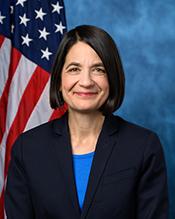
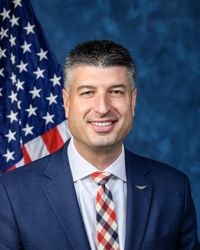
Government entities reported: Defense, Dept of (DOD) Director of National Intelligence (ODNI) Education, Dept of Energy, Dept of Federal Communications Commission (FCC) Food & Drug Administration (FDA) Health & Human Services, Dept of (HHS) Homeland Security, Dept of (DHS) HOUSE OF REPRESENTATIVES Housing & Urban Development, Dept of (HUD) Labor, Dept of (DOL) Natl Institute of Standards & Technology (NIST) Natl Security Council (NSC) Office of Science & Technology Policy (OSTP) SENATE U.S. Trade Representative (USTR)

Reported filing-period amount: $640,000

This is the amount reported for the filing/reporting period and should not be interpreted as money spent lobbying this bill alone.

View official LDA filing ↗

NATIONAL FRATERNAL ORDER OF POLICE

Registrant: NATIONAL FRATERNAL ORDER OF POLICE

1st Quarter (Jan 1 - Mar 31)
Apr 24, 2025

Reported lobbying issue

Law Enforcement/Crime/Criminal Justice: PASSED HOUSE - H.R. 27 (Griffith, R-VA) the Halt All Lethal Trafficking of Fentanyl Act, which would permanently place fentanyl-related substances as a class into schedule I of the Controlled Substances Act. H.R. 378 (Buchanan, R-FL) the Thin Blue Line Act, which would expand the list of aggravating factors in death penalty determinations for those who target, kill, or attempt to kill a law enforcement or other public safety officer; H.R. 621 (Joyce, R-OH), the Protecting First Responders from Secondary Exposure Act, which would allow State and local governments to purchase containment devices through the existing Comprehensive Opioid, Stimulant, and Substance Abuse Program (COSSAP); H.R. 633 (Salazar, R-FL) the Tools to Address Known Exploitation by Immobilizing Technological Deepfakes on Websites and Network (TAKE IT DOWN) Act, which would clarify and expand agency authority to combat the distribution of exploitative deepfake technology; H.R. 911 (Fitzpatrick, R-FL) the Patriot Day Act, which would establish September 11th as a permanent Federal holiday; H.R. 993 (Correa, D-CA) the Directing Resources for Officers Navigating Emergencies (DRONE) Act, which would allow law enforcement agencies to use Edward R. Byrne Memorial Justice Assistance Grant (Byrne-JAG) funds to help purchase and operate unmanned aircraft systems; H.R. 1046 (Bacon, R-NE) the Marc Fischer Memorial Interdiction of Fentanyl in Postal Mail at Federal Prisons Act, which would require the Director of the Bureau of Prisons to develop and implement a strategy to interdict fentanyl and other synthetic drugs in the mail at Federal correctional facilities; H.R. 1236 (Barr, R-KY) the Chief Herbert D. Proffitt Act, which would amend the Public Safety Officers Benefits program and allow survivors to file for death or disability benefits for officers no in active service, provided their death or disability was connected to their service as a law enforcement officer; H.R. 1260 (Malliotakis, R-NY) the U.S. Park Police Modernization Act, which would address the growing crisis that faces the USPP and its ability to protect and serve the public; H.R. 1266 (Panetta, D-CA), the Combating Illicit Xylazine Act, which would appropriate steps to add xylazine to the Controlled Substances Act; H.R. 1269 (Scanlon, D-PA) the Honoring Our Fallen Heroes Act, which would categorize duty-related cancer fatalities as a line of duty death under the Public Safety Officers Benefits (PSOB) program; H.R. 1443 (Van Drew, R-NJ) the Public Safety Free Speech Act, which would clarify and protect the speech of a public safety employee by allowing them to take legal action against an employer who violates this right; TOP PRIORITY - H.R. 1505 (Stauber, D-MN) the Public Safety Employer-Employee Cooperation Act, which would guarantee public safety officers the right to form and join unions and bargain collectively with their employers over wages, hours, and working conditions; PRIORITY - H.R. 1551 (Rutherford, R-FL) the Protect and Serve Act, which would impose Federal penalties on individuals who deliberately target local, State or Federal law enforcement officers with violence; H.R. 1556 (Bresnahan, R-PA) Erics Law, which would amend current law to allow Federal prosecutors to impanel a second jury for the sentencing phase of a Federal capital case if the first jury does not reach a unanimous decision on the sentence; H.R. 1726 (Neguse, D-CO) the Project Safe Neighborhoods Reauthorization Act, which would reauthorize critical funding and support for local law enforcement agencies and community organizations that help reduce violent crime and enhance public safety; H.R. 1773 (Rutherford, R-FL) the Federal Firearms Licensee Protection Act, which would make firearm thefts a Federal offense punishable by up to 20 years in prison; PRIORITY - H.R. 2094 (Rutherford, R-FL) the Homes for Every Local Protector, Educator, and Responder (HELPER) Act, which would give law enforcement more opportunities to find homes they can afford on a public servants salary based on the VA home loan program; H.R. 2096 (Garbarino, R-NY) the Protecting Our Nations Capital Emergency Act. which would restore the collective bargaining rights, non-disclosure protections, and disciplinary protocols of MPD officers that were lost in the implementation of the CPJRAA; H.R. 2194 (Harder, D-CA) the HIDTA Enhancement Act, which would increase the HIDTA programs budget by over $28 million to provide for the creation of new grant programs in order to enhance fentanyl seizure operations and improve coordination between law enforcement agencies; H.R. 2240 (Moore, R-NC) the Improving Law Enforcement Officer Safety and Wellness Through Data Act, which would expand the data collected by the Federal government on attacks and aggressions against law enforcement officers in a comprehensive way; H.R. 2502 (Kaptur, D-OH) the Law Enforcement Training for Mental Health Crisis Response Act, which would provide grants to law enforcement departments at the state, local, territorial, and tribal level to obtain vital behavioral health crisis response training to resolve behavioral health crisis situations more safely and effectively; H.R. 2654 (Stauber, D-MN), the Lifesaving Gear for Police Act, which would protect the important surplus equipment programs for State and local law enforcement, like the 1033 program, from politically-driven interference and competing Executive Orders; H.R. 2711 (Gottheimer, D-NJ,) the Invest to Protect Act, which would establish a grant program, administered by the Community Oriented Policing Services (COPS) Office within the U.S. Department of Justice (DOJ), that would be used for the training of officers from police departments and municipalities that employ fewer than 175 law enforcement officers; H.R. 2735 (Nehls, R-TX) the Strengthening Child Exploitation Enforcement Act, which would close loopholes in Federal child abuse criminal statutes. H.R. 2964 (Taylor, R-OH) the Fight Fentanyl Act, which would provide over $333 million annually for the HIDTA program and allow for and support programs that would enhance fentanyl seizure operations and improve coordination between law enforcement agencies. S. 83 (Cruz, R-TX), the Thin Blue Line Act, which would provide that the murder of local or State prosecutors, law enforcement officers, or other public safety officers also be considered an aggravating factor in a Federal case; S. 122 (Banks, R-ID) the Qualified Immunity Act, which would codify the existing qualified immunity doctrine as established and upheld by the U.S. Supreme Court for decades; S. 146 (Cruz, R-TX) the Tools to Address Known Exploitation by Immobilizing Technological Deepfakes on Websites and Network (TAKE IT DOWN) Act, which would clarify and expand agency authority to combat the distribution of exploitative deepfake technology; PRIORITY - S. 167 (Tillis, R-NC) the Protect and Serve Act, which would make it a Federal crime to target a law enforcement officer with an assault that results in serious bodily harm or death; S. 180 (Grassley R-IA) the Protecting First Responders from Secondary Exposure Act, which would allow State and local governments to purchase containment devices through the existing Comprehensive Opioid, Stimulant, and Substance Abuse Program (COSSAP); S. 237 (Klobuchar, D-MN) the Honoring Our Fallen Heroes Act, which would categorize duty-related cancer fatalities as a line of duty death under the Public Safety Officers Benefits (PSOB) program. S. 331 (Cassidy, R-LA) the Halt All Lethal Trafficking of Fentanyl Act, which would permanently place fentanyl-related substances as a class into schedule I of the Controlled Substances Act. S. 516 (Klobuchar, D-MN) the Stopping Harmful Image Exploitation and Limiting Distribution (SHIELD) Act, which would prohibit the distribution of Non-Consensually Distributed Intimate Images (NDII) that loopholes in select States have thus far prevented; S. 666 (Gillibrand, D-NY) the First Responders Wellness Act, which would establish a national hotline for first responders through the U.S. Department of Health and Human Services (HHS); S. 678 (Cortez Masto, D-NV) the Invest to Protect Act, which would establish a grant program, administered by the Community Oriented Policing Services Office within the U.S. Department of Justice, that would be used for the training of officers from police departments and municipalities that employ fewer than 200 law enforcement officers; TOP PRIORITY - S. 679 (Kennedy, R-LA) the LEOSA Reform Act, which would amend the Law Enforcement Officers Safety Act (LEOSA) exempting qualified active and retired law enforcement officers from local and State prohibitions on the carriage of concealed firearms; S. 767 (Kelly, D-AZ) the High Intensity Drug Trafficking Areas (HIDTA) Act, which would increase the HIDTA programs budget by over $28 million to provide for the creation of new grant programs that would enhance fentanyl seizure operations and improve coordination between law enforcement agencies; S. 911 (Masto, D-NV) the Chief Herbert D. Proffitt Act, which would amend the PSOB Program to ensure that Chief Proffitts family, and any others in a similar situation, would be eligible to apply for the programs benefit; PRIORITY - S. 978 (Moody, R-FL) the Homes for Every Local Protector, Educator, and Responder (HELPER) Act, which would give law enforcement more opportunities to find homes they can afford on a public servants salary based on the VA home loan program; S. 1077 (Collins, R-ME) the District of Columbia Local Funds Act, which would restore the District of Columbias ability to implement its Fiscal Year 2025 budget; S. 1247 (Schmitt, R-MO) the Public Safety Officer Free Speech Act, which would clarify and protect the speech of a public safety employee by allowing them to take legal action against an employer who violates this right; S. 1295 (Justice, R-WV) the Bureau of Prisons Security Check and Action against Narcotics (BOP SCAN) in Mail Act, which would require the Director of the Bureau of Prisons to develop and implement a strategy to interdict fentanyl and other synthetic drugs in the mail at Federal correctional facilities; S. 1300 (Cornyn, R-TX) the Project Safe Neighborhoods Grant Program Authorization Act, which would reauthorize critical funding and support for local law enforcement agencies and community organizations that help reduce violent crime and enhance public safety; S. 1316 (Peters, D-MI) the Strong Communities Act, which would establish a grant program for local law enforcement agencies to assist in recruiting officers from their own community; S. 1333 (Cornyn, R-TX) the Strengthening Child Exploitation Enforcement Act, which would close loopholes in Federal child abuse criminal statutes; S. 1401 (Kennedy, R-LA) the Targeting Child Predators Act, which would extend the time law enforcement can seek a court order to delay a subpoena notification from 90 to 180 days; S. 1409 (Cornyn, R-TX) the Public Safety Officer Concussions and Traumatic Brain Injury Health Act, which would establish concussion protocols for Law Enforcement Agencies. Retirement: The "Law Enforcement Officers Equity Act" Taxation/Internal Revenue Code: H.R. 405 (Fulcher, R-ID) the Keep Every Extra Penny (KEEP) Act, which would eliminate income tax on a public servants overtime pay; Firearms/Guns/Ammunition: TOP PRIORITY - H.R. 2243 (Bacon, R-NE) the LEOSA Reform Act, which would amend the Law Enforcement Officers Safety Act (LEOSA) exempting qualified active and retired law enforcement officers from local and State prohibitions on the carriage of concealed firearms; H.R. 2255 (Fry, R-SC) the Federal Law Enforcement Service Weapon Purchase Act, which would allow Federal law enforcement officers to purchase retired service weapons; Labor Issues/Antitrust/Workplace: TOP PRIORITY - H.R. 1505 (Stauber, D-MN) the Public Safety Employer-Employee Cooperation Act, which would guarantee public safety officers the right to form and join unions and bargain collectively with their employers over wages, hours, and working conditions; TOP PRIORITY - S. 636 (Hickenlooper, D-CO) the Public Safety Employer-Employee Cooperation Act, which would guarantee public safety officers the right to form and join unions and bargain collectively with their employers over wages, hours, and working conditions; Budget/Appropriations: S. 1077 (Collins, R-ME) the District of Columbia Local Funds Act, which would restore the District of Columbias ability to implement its Fiscal Year 2025 budget;

Government entities reported: Homeland Security, Dept of (DHS) HOUSE OF REPRESENTATIVES Justice, Dept of (DOJ) SENATE White House Office Labor, Dept of (DOL)

Reported filing-period amount: $100,000

This is the amount reported for the filing/reporting period and should not be interpreted as money spent lobbying this bill alone.

View official LDA filing ↗

SERGEANTS BENEVOLENT ASSOCIATION OF NEW YORK CITY

Registrant: LONGBOW PUBLIC POLICY GROUP, LLC

1st Quarter (Jan 1 - Mar 31)
Apr 18, 2025

Reported lobbying issue

Budget/Appropriations: Legislative proposal providing for reconciliation under H. Con. Res. 14; amendment proposal to reauthorize the Project Safe Neighborhoods Grant Program (no bill introduced). Law Enforcement/Crime/Criminal Justice: H.R. 27, the "HALT Fentanyl Act," legislation to provide for permanent scheduling of fentanyl-related substances as a Schedule I drug under the Controlled Substances Act; entire bill. S. 331, the "HALT Fentanyl Act," legislation to provide for permanent scheduling of fentanyl-related substances as a Schedule I drug under the Controlled Substances Act; entire bill. H.R. 378, the "Thin Blue Line Act," legislation to expand the list of statutory aggravating factors in death penalty determinations to also include killing or targeting a law enforcement officer, firefighter, or other first responder; entire bill. S. 83, the "Thin Blue Line Act," legislation to expand the list of statutory aggravating factors in death penalty determinations to also include killing or targeting a law enforcement officer, firefighter, or other first responder; entire bill. H.R. 1551, the "Protect and Serve Act," legislation to establish a new criminal offense for knowingly assaulting a law enforcement officer and causing serious bodily injury (or attempting to do so) in circumstances that affect interstate commerce; entire bill. S. 167, the "Protect and Serve Act," legislation to establish a new criminal offense for knowingly assaulting a law enforcement officer and causing serious bodily injury (or attempting to do so) in circumstances that affect interstate commerce; entire bill. H.R. 2243, the "LEOSA Reform Act," legislation to amend title 18, United States Code, to improve the Law Enforcement Officer Safety Act of 2004 and provisions relating to the carrying of concealed weapons by law enforcement officers; entire bill. S. 679, the "LEOSA Reform Act," legislation to amend title 18, United States Code, to improve the Law Enforcement Officer Safety Act of 2004 and provisions relating to the carrying of concealed weapons by law enforcement officers; entire bill. Legislative proposal to establish new criminal offenses for killing, assaulting, and fleeing to avoid prosecution for killing a judge, law enforcement officer, or public safety officer; expand the list of statutory aggravating factors in death penalty determinations to also include the killing or attempted killing of a law enforcement officer, judge, prosecutor, or firefighter or other first responder; and enact necessary reforms to the Law Enforcement Officers Safety Act of 2004 (no bill introduced). H.R. 2726, the "Paula Bohovesky and Joan DAlessandro Act," legislation to amend Title 18, U.S. Code, to increase the scope of the penalty for crimes against children; entire bill. Foreign Relations: PN11-20 and PN11-21, nomination of Rep. Elise Stefanik to be the Representative of the United States of America to the United Nations, with the rank and status of Ambassador Extraordinary and Plenipotentiary, and the Representative of the United States of America in the Security Council of the United Nations. Government Issues: H.R. 1410, the "9/11 Responder and Survivor Health Funding Correction Act," a bill to amend title XXXIII of the Public Health Service Act with respect to flexibility and funding for the World Trade Center Health Program; entire bill. S. 739, the "9/11 Responder and Survivor Health Funding Correction Act," a bill to amend title XXXIII of the Public Health Service Act with respect to flexibility and funding for the World Trade Center Health Program; entire bill. H.R. 1266, the "Combating Illicit Xylazine Act," legislation to prohibit certain uses of xylazine and include xylazine as a Schedule III substance under the Controlled Substances Act; entire bill. S. 545, the "Combating Illicit Xylazine Act," legislation to prohibit certain uses of xylazine and include xylazine as a Schedule III substance under the Controlled Substances Act; entire bill. H.R. 1269, the "Honoring Our Fallen Heroes Act," a bill to amend the Omnibus Crime Control and Safe Streets Act of 1968 to provide public safety officer benefits for exposure-related cancers; entire bill. S. 237, the "Honoring Our Fallen Heroes Act," a bill to amend the Omnibus Crime Control and Safe Streets Act of 1968 to provide public safety officer benefits for exposure-related cancers; entire bill. H.R. 1726, legislation to reauthorize the Project Safe Neighborhoods grant program; entire bill. S. 1300, legislation to reauthorize the Project Safe Neighborhoods grant program; entire bill. H.R. 2240, the "Improving Law Enforcement Officer Safety and Wellness Through Data Act," legislation to require the Attorney General to develop reports relating to violent attacks against law enforcement officers; entire bill. S. 1418, the "Improving Law Enforcement Officer Safety and Wellness Through Data Act," legislation to require the Attorney General to develop reports relating to violent attacks against law enforcement officers; entire bill. S. 180, the "Protecting First Responders from Secondary Exposures Act," legislation to amend the Omnibus Crime Control and Safe Streets Act of 1968 to authorize the use of grant amounts for providing training and resources for first responders on the use of containment devices to prevent secondary exposure to fentanyl and other potentially lethal substances, and purchasing such containment devices for use by first responders; entire bill. H.R. 621, the "Protecting First Responders from Secondary Exposures Act," legislation to amend the Omnibus Crime Control and Safe Streets Act of 1968 to authorize the use of grant amounts for providing training and resources for first responders on the use of containment devices to prevent secondary exposure to fentanyl and other potentially lethal substances, and purchasing such containment devices for use by first responders; entire bill. S. 419, the "Reauthorizing Support for Treatment for Officers in Crisis Act," legislation to amend the Omnibus Crime Control and Safe Streets Act of 1968 to reauthorize grants to support law enforcement officers and families; entire bill. S. 560, the "EAGLES Act," legislation to reauthorize and expand the National Threat Assessment Center of the Department of Homeland Security; entire bill. H.R. 1299, the "EAGLES Act," legislation to reauthorize and expand the National Threat Assessment Center of the Department of Homeland Security; entire bill. Proposed House resolution to establish a "Bill of Rights" to support U.S. law enforcement personnel in their work to protect our communities (no resolution introduced). H.R. 32, the "No Bailout for Sanctuary Cities Act," legislation to provide that sanctuary jurisdictions that provide benefits to aliens who are present in the United States without lawful status under the immigration laws are ineligible for certain federal funds; entire bill. H.R. 2711, the "Invest to Protect Act," legislation to provide law enforcement grants for smaller departments to recruit new officers, provide retention bonuses, and allow departments to provide mental health resources for their officers; entire bill. H.R. 2654, the "Lifesaving Gear for Police Act," a bill to prohibit the enforcement of certain regulations relating to sale, donation, and transfer of federal government property to state and local law enforcement agencies; entire bill. H.R. 1046, the "Marc Fischer Memorial Act," a bill to require the Director of the Bureau of Prisons to develop and implement a strategy to interdict fentanyl and other synthetic drugs in the mail at Federal correctional facilities; entire bill. H.R. 2096, the "Protecting Our Nations Capital Emergency Act," legislation to restore the right to negotiate matters pertaining to the discipline of law enforcement officers of the District of Columbia through collective bargaining, and to restore the statute of limitations for bringing disciplinary cases against members or civilian employees of the Metropolitan Police Department of the District of Columbia; entire bill. Legislative proposal to reauthorize the Justice Department's COPS grant program (no bill introduced). Health Issues: S. 666, the "First Responders Wellness Act," legislation to increase access to mental health, substance use, and counseling services for first responders; entire bill. S. 825, the "Fighting Post-Traumatic Stress Disorder Act," legislation to require the Attorney General to propose a program for making treatment for post-traumatic stress disorder and acute stress disorder available to public safety officers; entire bill. S. 1409, the "Public Safety Officer Concussion and Traumatic Brain Injury Health Act," legislation to require the Secretary of Health and Human Services to collect and disseminate information on concussion and traumatic brain injury among public safety officers; entire bill. H.R. 2830, the "Public Safety Officer Concussion and Traumatic Brain Injury Health Act," legislation to require the Secretary of Health and Human Services to collect and disseminate information on concussion and traumatic brain injury among public safety officers; entire bill. General education regarding the impact on 9/11 law enforcement responders in the World Trade Center Health Program from staffing reductions and reorganization of the Centers for Disease Control and National Institute for Occupational Safety and Health. Housing: H.R. 2094, the "Homes for Every Local Protector, Educator, and Responder (HELPER) Act," legislation to amend the National Housing Act to establish a mortgage insurance program for first responders; entire bill. S. 978, the "Homes for Every Local Protector, Educator, and Responder (HELPER) Act," legislation to amend the National Housing Act to establish a mortgage insurance program for first responders; entire bill. Immigration: General education concerning the impact on officer and community safety arising from policies preventing state and local police from cooperating with federal law enforcement to remover dangerous criminal aliens who are not legally in the United States. Labor Issues/Antitrust/Workplace: General education regarding the impact on public safety from New York City's failure to negotiate a fair contract for NYPD Sergeants and end pay disparity within the Department. General education regarding the importance of maintaining interpretation of Fair Labor Standards Act regarding overtime for police sergeants and other first responders incorporated into the final rule entitled, "Defining and Delimiting the Exemptions for Executive, Administrative, Professional, Outside Sales and Computer Employees" ( 69 FR 22122, April 23, 2004). Transportation: Legislative proposal to authorize the use of urbanized area formula grants for the detection and mitigation of controlled substances and counterfeit substances, and the prevention of human trafficking, in public transportation systems (no bill introduced).

Government entities reported: HOUSE OF REPRESENTATIVES SENATE White House Office Labor, Dept of (DOL)

Reported filing-period amount: $30,000

This is the amount reported for the filing/reporting period and should not be interpreted as money spent lobbying this bill alone.

View official LDA filing ↗

NORTH CAROLINA FRATERNAL ORDER OF POLICE

Registrant: OLD NORTH STRATEGIES, LLC

2nd Quarter (Apr 1 - June 30)
Jul 20, 2026

Reported lobbying issue

Law Enforcement/Crime/Criminal Justice: HR2240, HR1551

Government entities reported: HOUSE OF REPRESENTATIVES SENATE

Reported filing-period amount: $10,500

This is the amount reported for the filing/reporting period and should not be interpreted as money spent lobbying this bill alone.

View official LDA filing ↗

NORTH CAROLINA FRATERNAL ORDER OF POLICE

Registrant: OLD NORTH STRATEGIES, LLC

1st Quarter (Jan 1 - Mar 31)
Apr 30, 2026

Reported lobbying issue

Law Enforcement/Crime/Criminal Justice: HR2240, HR1551

Government entities reported: HOUSE OF REPRESENTATIVES SENATE

Reported filing-period amount: $10,500

This is the amount reported for the filing/reporting period and should not be interpreted as money spent lobbying this bill alone.

View official LDA filing ↗

NORTH CAROLINA FRATERNAL ORDER OF POLICE

Registrant: OLD NORTH STRATEGIES, LLC

4th Quarter (Oct 1 - Dec 31)
Feb 11, 2026

Reported lobbying issue

Law Enforcement/Crime/Criminal Justice: HR2240, HR1551

Government entities reported: HOUSE OF REPRESENTATIVES SENATE

Reported filing-period amount: $10,500

This is the amount reported for the filing/reporting period and should not be interpreted as money spent lobbying this bill alone.

View official LDA filing ↗

NORTH CAROLINA FRATERNAL ORDER OF POLICE

Registrant: OLD NORTH STRATEGIES, LLC

3rd Quarter (July 1 - Sep 30)
Oct 25, 2025

Reported lobbying issue

Law Enforcement/Crime/Criminal Justice: HR2240, HR1551

Government entities reported: HOUSE OF REPRESENTATIVES SENATE

Reported filing-period amount: $10,500

This is the amount reported for the filing/reporting period and should not be interpreted as money spent lobbying this bill alone.

View official LDA filing ↗

NORTH CAROLINA FRATERNAL ORDER OF POLICE

Registrant: OLD NORTH STRATEGIES, LLC

2nd Quarter (Apr 1 - June 30)
Jul 16, 2025

Reported lobbying issue

Law Enforcement/Crime/Criminal Justice: HR2240, HR1551

Government entities reported: HOUSE OF REPRESENTATIVES SENATE

Reported filing-period amount: $10,500

This is the amount reported for the filing/reporting period and should not be interpreted as money spent lobbying this bill alone.

View official LDA filing ↗

Showing the 25 most recent matching disclosures.

Discussion notificationsSign in to subscribe
?
No comments yet. Start the conversation.