





PoliCheck Network
← Back to bill
House Roll Call 65PassedMar 10, 2025

On Motion to Suspend the Rules and Pass

Passed

H.R. 993 — Emerging Innovative Border Technologies Act
406
Yea / Aye
9
Nay / No
0
Present
17
Not Voting
432
Total

Party Breakdown

How members of each party voted on this roll call.

Republican

217 members

Yea / Aye208 (96%)
Nay / No2 (1%)
Not Voting7 (3%)

Democrat

214 members

Yea / Aye197 (92%)
Nay / No7 (3%)
Not Voting10 (5%)

Independent

1 members

Yea / Aye1 (100%)
Nay / No0 (0%)

Yea / Aye

Members who voted in favor.

406 members
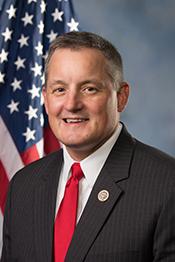
Robert B. Aderholt

Robert B. Aderholt

Republican • Alabama

District 4

Yea
Mark E. Amodei

Mark E. Amodei

Republican • Nevada

District 2

Yea
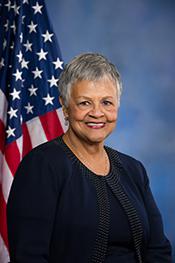
Alma S. Adams

Alma S. Adams

Democrat • North Carolina

District 12

Yea
Pete Aguilar

Pete Aguilar

Democrat • California

District 33

Yea
Rick W. Allen

Rick W. Allen

Republican • Georgia

District 12

Yea
Jodey C. Arrington

Jodey C. Arrington

Republican • Texas

District 19

Yea
Mark Alford

Mark Alford

Republican • Missouri

District 4

Yea
Gabe Amo

Gabe Amo

Democrat • Rhode Island

District 1

Yea
Yassamin Ansari

Yassamin Ansari

Democrat • Arizona

District 3

Yea
Sanford D. Bishop

Sanford D. Bishop

Democrat • Georgia

District 2

Yea
Cliff Bentz

Cliff Bentz

Republican • Oregon

District 2

Yea
Stephanie I. Bice

Stephanie I. Bice

Republican • Oklahoma

District 5

Yea
Gus M. Bilirakis

Gus M. Bilirakis

Republican • Florida

District 12

Yea
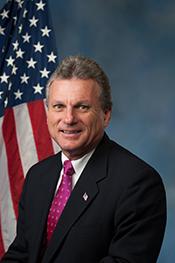
Vern Buchanan

Vern Buchanan

Republican • Florida

District 16

Yea
Suzanne Bonamici

Suzanne Bonamici

Democrat • Oregon

District 1

Yea
Joyce Beatty

Joyce Beatty

Democrat • Ohio

District 3

Yea
Andy Barr

Andy Barr

Republican • Kentucky

District 6

Yea
Julia Brownley

Julia Brownley

Democrat • California

District 26

Yea
Ami Bera

Ami Bera

Democrat • California

District 6

Yea
Brian Babin

Brian Babin

Republican • Texas

District 36

Yea
Donald S. Beyer

Donald S. Beyer

Democrat • Virginia

District 8

Yea
Mike Bost

Mike Bost

Republican • Illinois

District 12

Yea
Brendan F. Boyle

Brendan F. Boyle

Democrat • Pennsylvania

District 2

Yea
Don Bacon

Don Bacon

Republican • Nebraska

District 2

Yea
Nanette Diaz Barragán

Nanette Diaz Barragán

Democrat • California

District 44

Yea
Jack Bergman

Jack Bergman

Republican • Michigan

District 1

Yea
Andy Biggs

Andy Biggs

Republican • Arizona

District 5

Yea
Troy Balderson

Troy Balderson

Republican • Ohio

District 12

Yea
James R. Baird

James R. Baird

Republican • Indiana

District 4

Yea
Tim Burchett

Tim Burchett

Republican • Tennessee

District 2

Yea
Shontel M. Brown

Shontel M. Brown

Democrat • Ohio

District 11

Yea
Aaron Bean

Aaron Bean

Republican • Florida

District 4

Yea
Nikki Budzinski

Nikki Budzinski

Democrat • Illinois

District 13

Yea
Eric Burlison

Eric Burlison

Republican • Missouri

District 7

Yea
Josh Brecheen

Josh Brecheen

Republican • Oklahoma

District 2

Yea
Becca Balint

Becca Balint

Democrat • Vermont

Yea
Tom Barrett

Tom Barrett

Republican • Michigan

District 7

Yea
Michael Baumgartner

Michael Baumgartner

Republican • Washington

District 5

Yea
Nicholas J. Begich

Nicholas J. Begich

Republican • Alaska

Yea
Wesley Bell

Wesley Bell

Democrat • Missouri

District 1

Yea
Sheri Biggs

Sheri Biggs

Republican • South Carolina

District 3

Yea
Janelle S. Bynum

Janelle S. Bynum

Democrat • Oregon

District 5

Yea
Robert P. Bresnahan

Robert P. Bresnahan

Republican • Pennsylvania

District 8

Yea
Ken Calvert

Ken Calvert

Republican • California

District 41

Yea
James E. Clyburn

James E. Clyburn

Democrat • South Carolina

District 6

Yea
Kat Cammack

Kat Cammack

Republican • Florida

District 3

Yea
John R. Carter

John R. Carter

Republican • Texas

District 31

Yea
Tom Cole

Tom Cole

Republican • Oklahoma

District 4

Yea
Ed Case

Ed Case

Democrat • Hawaii

District 1

Yea
Jim Costa

Jim Costa

Democrat • California

District 21

Yea
Emanuel Cleaver

Emanuel Cleaver

Democrat • Missouri

District 5

Yea
Henry Cuellar

Henry Cuellar

Democrat • Texas

District 28

Yea
Kathy Castor

Kathy Castor

Democrat • Florida

District 14

Yea
Yvette D. Clarke

Yvette D. Clarke

Democrat • New York

District 9

Yea
Steve Cohen

Steve Cohen

Democrat • Tennessee

District 9

Yea
Joe Courtney

Joe Courtney

Democrat • Connecticut

District 2

Yea
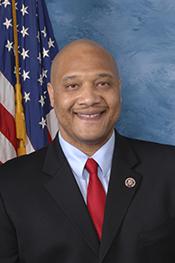
André Carson

André Carson

Democrat • Indiana

District 7

Yea
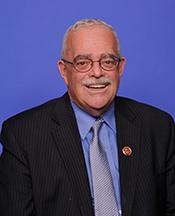
Gerald E. Connolly

Gerald E. Connolly

Democrat • Virginia

District 11

Yea
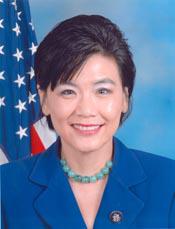
Judy Chu

Judy Chu

Democrat • California

District 28

Yea
Eric A. "Rick" Crawford

Eric A. "Rick" Crawford

Republican • Arkansas

District 1

Yea
Joaquin Castro

Joaquin Castro

Democrat • Texas

District 20

Yea
Katherine M. Clark

Katherine M. Clark

Democrat • Massachusetts

District 5

Yea
Earl L. "Buddy" Carter

Earl L. "Buddy" Carter

Republican • Georgia

District 1

Yea
James Comer

James Comer

Republican • Kentucky

District 1

Yea
J. Luis Correa

J. Luis Correa

Democrat • California

District 46

Yea
Salud O. Carbajal

Salud O. Carbajal

Democrat • California

District 24

Yea
Michael Cloud

Michael Cloud

Republican • Texas

District 27

Yea
Andrew S. Clyde

Andrew S. Clyde

Republican • Georgia

District 9

Yea
Sean Casten

Sean Casten

Democrat • Illinois

District 6

Yea
Ben Cline

Ben Cline

Republican • Virginia

District 6

Yea
Angie Craig

Angie Craig

Democrat • Minnesota

District 2

Yea
Dan Crenshaw

Dan Crenshaw

Republican • Texas

District 2

Yea
Jason Crow

Jason Crow

Democrat • Colorado

District 6

Yea
Gilbert Ray Cisneros

Gilbert Ray Cisneros

Democrat • California

District 31

Yea
Troy A. Carter

Troy A. Carter

Democrat • Louisiana

District 2

Yea
Mike Carey

Mike Carey

Republican • Ohio

District 15

Yea
Sheila Cherfilus-McCormick

Sheila Cherfilus-McCormick

Democrat • Florida

District 20

Yea
Mike Collins

Mike Collins

Republican • Georgia

District 10

Yea
Jasmine Crockett

Jasmine Crockett

Democrat • Texas

District 30

Yea
Elijah Crane

Elijah Crane

Republican • Arizona

District 2

Yea
Juan Ciscomani

Juan Ciscomani

Republican • Arizona

District 6

Yea
Herbert C. Conaway

Herbert C. Conaway

Democrat • New Jersey

District 3

Yea
Jeff Crank

Jeff Crank

Republican • Colorado

District 5

Yea
Byron Donalds

Byron Donalds

Republican • Florida

District 19

Yea
Danny K. Davis

Danny K. Davis

Democrat • Illinois

District 7

Yea
Diana DeGette

Diana DeGette

Democrat • Colorado

District 1

Yea
Rosa L. DeLauro

Rosa L. DeLauro

Democrat • Connecticut

District 3

Yea
Donald G. Davis

Donald G. Davis

Democrat • North Carolina

District 1

Yea
Lloyd Doggett

Lloyd Doggett

Democrat • Texas

District 37

Yea
Christopher R. Deluzio

Christopher R. Deluzio

Democrat • Pennsylvania

District 17

Yea
Monica De La Cruz

Monica De La Cruz

Republican • Texas

District 15

Yea
Mario Diaz-Balart

Mario Diaz-Balart

Republican • Florida

District 26

Yea
Scott DesJarlais

Scott DesJarlais

Republican • Tennessee

District 4

Yea
Suzan K. DelBene

Suzan K. DelBene

Democrat • Washington

District 1

Yea
Mark DeSaulnier

Mark DeSaulnier

Democrat • California

District 10

Yea
Debbie Dingell

Debbie Dingell

Democrat • Michigan

District 6

Yea
Warren Davidson

Warren Davidson

Republican • Ohio

District 8

Yea
Neal P. Dunn

Neal P. Dunn

Republican • Florida

District 2

Yea
Sharice Davids

Sharice Davids

Democrat • Kansas

District 3

Yea
Madeleine Dean

Madeleine Dean

Democrat • Pennsylvania

District 4

Yea
Troy Downing

Troy Downing

Republican • Montana

District 2

Yea
Jake Ellzey

Jake Ellzey

Republican • Texas

District 6

Yea
Mike Ezell

Mike Ezell

Republican • Mississippi

District 4

Yea
Chuck Edwards

Chuck Edwards

Republican • North Carolina

District 11

Yea
Tom Emmer

Tom Emmer

Republican • Minnesota

District 6

Yea
Dwight Evans

Dwight Evans

Democrat • Pennsylvania

District 3

Yea
Adriano Espaillat

Adriano Espaillat

Democrat • New York

District 13

Yea
Ron Estes

Ron Estes

Republican • Kansas

District 4

Yea
Veronica Escobar

Veronica Escobar

Democrat • Texas

District 16

Yea
Gabe Evans

Gabe Evans

Republican • Colorado

District 8

Yea
Sarah Elfreth

Sarah Elfreth

Democrat • Maryland

District 3

Yea
Cleo Fields

Cleo Fields

Democrat • Louisiana

District 6

Yea
Pat Fallon

Pat Fallon

Republican • Texas

District 4

Yea
Randy Feenstra

Randy Feenstra

Republican • Iowa

District 4

Yea
Virginia Foxx

Virginia Foxx

Republican • North Carolina

District 5

Yea
Bill Foster

Bill Foster

Democrat • Illinois

District 11

Yea
Charles J. "Chuck" Fleischmann

Charles J. "Chuck" Fleischmann

Republican • Tennessee

District 3

Yea
Lois Frankel

Lois Frankel

Democrat • Florida

District 22

Yea
Brian K. Fitzpatrick

Brian K. Fitzpatrick

Republican • Pennsylvania

District 1

Yea
Lizzie Fletcher

Lizzie Fletcher

Democrat • Texas

District 7

Yea
Russ Fulcher

Russ Fulcher

Republican • Idaho

District 1

Yea
Michelle Fischbach

Michelle Fischbach

Republican • Minnesota

District 7

Yea
Scott Franklin

Scott Franklin

Republican • Florida

District 18

Yea
Mike Flood

Mike Flood

Republican • Nebraska

District 1

Yea
Brad Finstad

Brad Finstad

Republican • Minnesota

District 1

Yea
Maxwell Frost

Maxwell Frost

Democrat • Florida

District 10

Yea
Valerie P. Foushee

Valerie P. Foushee

Democrat • North Carolina

District 4

Yea
Russell Fry

Russell Fry

Republican • South Carolina

District 7

Yea
Vince Fong

Vince Fong

Republican • California

District 20

Yea
Shomari Figures

Shomari Figures

Democrat • Alabama

District 2

Yea
Julie Fedorchak

Julie Fedorchak

Republican • North Dakota

Yea
Laura Friedman

Laura Friedman

Democrat • California

District 30

Yea
Sam Graves

Sam Graves

Republican • Missouri

District 6

Yea
Al Green

Al Green

Democrat • Texas

District 9

Yea
Brett Guthrie

Brett Guthrie

Republican • Kentucky

District 2

Yea
John Garamendi

John Garamendi

Democrat • California

District 8

Yea
Paul A. Gosar

Paul A. Gosar

Republican • Arizona

District 9

Yea
H. Morgan Griffith

H. Morgan Griffith

Republican • Virginia

District 9

Yea
Glenn Grothman

Glenn Grothman

Republican • Wisconsin

District 6

Yea
Vicente Gonzalez

Vicente Gonzalez

Democrat • Texas

District 34

Yea
Jimmy Gomez

Jimmy Gomez

Democrat • California

District 34

Yea
Jesús G. "Chuy" García

Jesús G. "Chuy" García

Democrat • Illinois

District 4

Yea
Sylvia R. Garcia

Sylvia R. Garcia

Democrat • Texas

District 29

Yea
Lance Gooden

Lance Gooden

Republican • Texas

District 5

Yea
Mark E. Green

Mark E. Green

Republican • Tennessee

District 7

Yea
Michael Guest

Michael Guest

Republican • Mississippi

District 3

Yea
Jared F. Golden

Jared F. Golden

Democrat • Maine

District 2

Yea
Carlos A. Gimenez

Carlos A. Gimenez

Republican • Florida

District 28

Yea
Tony Gonzales

Tony Gonzales

Republican • Texas

District 23

Yea
Marjorie Taylor Greene

Marjorie Taylor Greene

Republican • Georgia

District 14

Yea
Andrew R. Garbarino

Andrew R. Garbarino

Republican • New York

District 2

Yea
Marie Gluesenkamp Perez

Marie Gluesenkamp Perez

Democrat • Washington

District 3

Yea
Craig A. Goldman

Craig A. Goldman

Republican • Texas

District 12

Yea
Laura Gillen

Laura Gillen

Democrat • New York

District 4

Yea
Brandon Gill

Brandon Gill

Republican • Texas

District 26

Yea
Maggie Goodlander

Maggie Goodlander

Democrat • New Hampshire

District 2

Yea
Adam Gray

Adam Gray

Democrat • California

District 13

Yea
Steny H. Hoyer

Steny H. Hoyer

Democrat • Maryland

District 5

Yea
James A. Himes

James A. Himes

Democrat • Connecticut

District 4

Yea
Andy Harris

Andy Harris

Republican • Maryland

District 1

Yea
Bill Huizenga

Bill Huizenga

Republican • Michigan

District 4

Yea
Steven Horsford

Steven Horsford

Democrat • Nevada

District 4

Yea
Richard Hudson

Richard Hudson

Republican • North Carolina

District 9

Yea
Jared Huffman

Jared Huffman

Democrat • California

District 2

Yea
J. French Hill

J. French Hill

Republican • Arkansas

District 2

Yea
Clay Higgins

Clay Higgins

Republican • Louisiana

District 3

Yea
Jahana Hayes

Jahana Hayes

Democrat • Connecticut

District 5

Yea
Kevin Hern

Kevin Hern

Republican • Oklahoma

District 1

Yea
Chrissy Houlahan

Chrissy Houlahan

Democrat • Pennsylvania

District 6

Yea
Diana Harshbarger

Diana Harshbarger

Republican • Tennessee

District 1

Yea
Josh Harder

Josh Harder

Democrat • California

District 9

Yea
Ashley Hinson

Ashley Hinson

Republican • Iowa

District 2

Yea
Erin Houchin

Erin Houchin

Republican • Indiana

District 9

Yea
Val T. Hoyle

Val T. Hoyle

Democrat • Oregon

District 4

Yea
Harriet M. Hageman

Harriet M. Hageman

Republican • Wyoming

Yea
Abraham J. Hamadeh

Abraham J. Hamadeh

Republican • Arizona

District 8

Yea
Mike Haridopolos

Mike Haridopolos

Republican • Florida

District 8

Yea
Jeff Hurd

Jeff Hurd

Republican • Colorado

District 3

Yea
Pat Harrigan

Pat Harrigan

Republican • North Carolina

District 10

Yea
Mark Harris

Mark Harris

Republican • North Carolina

District 8

Yea
Darrell Issa

Darrell Issa

Republican • California

District 48

Yea
Glenn Ivey

Glenn Ivey

Democrat • Maryland

District 4

Yea
Henry C. "Hank" Johnson

Henry C. "Hank" Johnson

Democrat • Georgia

District 4

Yea
Jim Jordan

Jim Jordan

Republican • Ohio

District 4

Yea
Hakeem S. Jeffries

Hakeem S. Jeffries

Democrat • New York

District 8

Yea
David P. Joyce

David P. Joyce

Republican • Ohio

District 14

Yea
Pramila Jayapal

Pramila Jayapal

Democrat • Washington

District 7

Yea
Mike Johnson

Mike Johnson

Republican • Louisiana

District 4

Yea
Dusty Johnson

Dusty Johnson

Republican • South Dakota

Yea
John Joyce

John Joyce

Republican • Pennsylvania

District 13

Yea
Ronny Jackson

Ronny Jackson

Republican • Texas

District 13

Yea
Sara Jacobs

Sara Jacobs

Democrat • California

District 51

Yea
John James

John James

Republican • Michigan

District 10

Yea
Jonathan L. Jackson

Jonathan L. Jackson

Democrat • Illinois

District 1

Yea
Julie Johnson

Julie Johnson

Democrat • Texas

District 32

Yea
Brian Jack

Brian Jack

Republican • Georgia

District 3

Yea
Marcy Kaptur

Marcy Kaptur

Democrat • Ohio

District 9

Yea
William R. Keating

William R. Keating

Democrat • Massachusetts

District 9

Yea
Mike Kelly

Mike Kelly

Republican • Pennsylvania

District 16

Yea
Robin L. Kelly

Robin L. Kelly

Democrat • Illinois

District 2

Yea
Trent Kelly

Trent Kelly

Republican • Mississippi

District 1

Yea
Ro Khanna

Ro Khanna

Democrat • California

District 17

Yea
Raja Krishnamoorthi

Raja Krishnamoorthi

Democrat • Illinois

District 8

Yea
David Kustoff

David Kustoff

Republican • Tennessee

District 8

Yea
Young Kim

Young Kim

Republican • California

District 40

Yea
Thomas H. Kean

Thomas H. Kean

Republican • New Jersey

District 7

Yea
Jennifer A. Kiggans

Jennifer A. Kiggans

Republican • Virginia

District 2

Yea
Sydney Kamlager-Dove

Sydney Kamlager-Dove

Democrat • California

District 37

Yea
Kevin Kiley

Kevin Kiley

Independent • California

District 3

Yea
Timothy M. Kennedy

Timothy M. Kennedy

Democrat • New York

District 26

Yea
Mike Kennedy

Mike Kennedy

Republican • Utah

District 3

Yea
Brad Knott

Brad Knott

Republican • North Carolina

District 13

Yea
Teresa Leger Fernandez

Teresa Leger Fernandez

Democrat • New Mexico

District 3

Yea
Zoe Lofgren

Zoe Lofgren

Democrat • California

District 18

Yea
Frank D. Lucas

Frank D. Lucas

Republican • Oklahoma

District 3

Yea
John B. Larson

John B. Larson

Democrat • Connecticut

District 1

Yea
Rick Larsen

Rick Larsen

Democrat • Washington

District 2

Yea
Stephen F. Lynch

Stephen F. Lynch

Democrat • Massachusetts

District 8

Yea
Robert E. Latta

Robert E. Latta

Republican • Ohio

District 5

Yea
Doug LaMalfa

Doug LaMalfa

Republican • California

District 1

Yea
Ted Lieu

Ted Lieu

Democrat • California

District 36

Yea
Barry Loudermilk

Barry Loudermilk

Republican • Georgia

District 11

Yea
Darin LaHood

Darin LaHood

Republican • Illinois

District 16

Yea
Susie Lee

Susie Lee

Democrat • Nevada

District 3

Yea
Mike Levin

Mike Levin

Democrat • California

District 49

Yea
Anna Paulina Luna

Anna Paulina Luna

Republican • Florida

District 13

Yea
Laurel M. Lee

Laurel M. Lee

Republican • Florida

District 15

Yea
Nick LaLota

Nick LaLota

Republican • New York

District 1

Yea
Michael Lawler

Michael Lawler

Republican • New York

District 17

Yea
Nicholas A. Langworthy

Nicholas A. Langworthy

Republican • New York

District 23

Yea
Greg Landsman

Greg Landsman

Democrat • Ohio

District 1

Yea
Morgan Luttrell

Morgan Luttrell

Republican • Texas

District 8

Yea
George Latimer

George Latimer

Democrat • New York

District 16

Yea
Sam T. Liccardo

Sam T. Liccardo

Democrat • California

District 16

Yea
Nancy Mace

Nancy Mace

Republican • South Carolina

District 1

Yea
James P. McGovern

James P. McGovern

Democrat • Massachusetts

District 2

Yea
Nicole Malliotakis

Nicole Malliotakis

Republican • New York

District 11

Yea
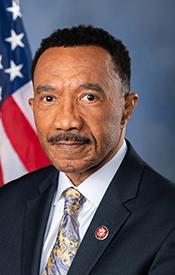
Kweisi Mfume

Kweisi Mfume

Democrat • Maryland

District 7

Yea
Tracey Mann

Tracey Mann

Republican • Kansas

District 1

Yea
Lisa C. McClain

Lisa C. McClain

Republican • Michigan

District 9

Yea
Gregory W. Meeks

Gregory W. Meeks

Democrat • New York

District 5

Yea
Betty McCollum

Betty McCollum

Democrat • Minnesota

District 4

Yea
Michael T. McCaul

Michael T. McCaul

Republican • Texas

District 10

Yea
Gwen Moore

Gwen Moore

Democrat • Wisconsin

District 4

Yea
Doris O. Matsui

Doris O. Matsui

Democrat • California

District 7

Yea
Tom McClintock

Tom McClintock

Republican • California

District 5

Yea
Thomas Massie

Thomas Massie

Republican • Kentucky

District 4

Yea
John R. Moolenaar

John R. Moolenaar

Republican • Michigan

District 2

Yea
Seth Moulton

Seth Moulton

Democrat • Massachusetts

District 6

Yea
Brian J. Mast

Brian J. Mast

Republican • Florida

District 21

Yea
Daniel Meuser

Daniel Meuser

Republican • Pennsylvania

District 9

Yea
Carol D. Miller

Carol D. Miller

Republican • West Virginia

District 1

Yea
Joseph D. Morelle

Joseph D. Morelle

Democrat • New York

District 25

Yea
Lucy McBath

Lucy McBath

Democrat • Georgia

District 6

Yea
Gregory F. Murphy

Gregory F. Murphy

Republican • North Carolina

District 3

Yea
Mary E. Miller

Mary E. Miller

Republican • Illinois

District 15

Yea
Barry Moore

Barry Moore

Republican • Alabama

District 1

Yea
Blake D. Moore

Blake D. Moore

Republican • Utah

District 1

Yea
Frank J. Mrvan

Frank J. Mrvan

Democrat • Indiana

District 1

Yea
Mariannette Miller-Meeks

Mariannette Miller-Meeks

Republican • Iowa

District 1

Yea
Cory Mills

Cory Mills

Republican • Florida

District 7

Yea
Jared Moskowitz

Jared Moskowitz

Democrat • Florida

District 23

Yea
Richard McCormick

Richard McCormick

Republican • Georgia

District 7

Yea
Morgan McGarvey

Morgan McGarvey

Democrat • Kentucky

District 3

Yea
Max L. Miller

Max L. Miller

Republican • Ohio

District 7

Yea
Nathaniel Moran

Nathaniel Moran

Republican • Texas

District 1

Yea
Robert Menendez

Robert Menendez

Democrat • New Jersey

District 8

Yea
Jennifer L. McClellan

Jennifer L. McClellan

Democrat • Virginia

District 4

Yea
Celeste Maloy

Celeste Maloy

Republican • Utah

District 2

Yea
LaMonica McIver

LaMonica McIver

Democrat • New Jersey

District 10

Yea
Ryan Mackenzie

Ryan Mackenzie

Republican • Pennsylvania

District 7

Yea
John W. Mannion

John W. Mannion

Democrat • New York

District 22

Yea
April McClain Delaney

April McClain Delaney

Democrat • Maryland

District 6

Yea
Mark B. Messmer

Mark B. Messmer

Republican • Indiana

District 8

Yea
Kelly Morrison

Kelly Morrison

Democrat • Minnesota

District 3

Yea
Riley M. Moore

Riley M. Moore

Republican • West Virginia

District 2

Yea
Tim Moore

Tim Moore

Republican • North Carolina

District 14

Yea
Kristen McDonald Rivet

Kristen McDonald Rivet

Democrat • Michigan

District 8

Yea
Sarah McBride

Sarah McBride

Democrat • Delaware

Yea
John J. McGuire

John J. McGuire

Republican • Virginia

District 5

Yea
Addison P. McDowell

Addison P. McDowell

Republican • North Carolina

District 6

Yea
Dave Min

Dave Min

Democrat • California

District 47

Yea
Jerrold Nadler

Jerrold Nadler

Democrat • New York

District 12

Yea
Richard E. Neal

Richard E. Neal

Democrat • Massachusetts

District 1

Yea
Troy E. Nehls

Troy E. Nehls

Republican • Texas

District 22

Yea
Donald Norcross

Donald Norcross

Democrat • New Jersey

District 1

Yea
Dan Newhouse

Dan Newhouse

Republican • Washington

District 4

Yea
Joe Neguse

Joe Neguse

Democrat • Colorado

District 2

Yea
Zachary Nunn

Zachary Nunn

Republican • Iowa

District 3

Yea
Jay Obernolte

Jay Obernolte

Republican • California

District 23

Yea
Burgess Owens

Burgess Owens

Republican • Utah

District 4

Yea
Andrew Ogles

Andrew Ogles

Republican • Tennessee

District 5

Yea
Johnny Olszewski

Johnny Olszewski

Democrat • Maryland

District 2

Yea
Robert F. Onder

Robert F. Onder

Republican • Missouri

District 3

Yea
Frank Pallone

Frank Pallone

Democrat • New Jersey

District 6

Yea
August Pfluger

August Pfluger

Republican • Texas

District 11

Yea
Nancy Pelosi

Nancy Pelosi

Democrat • California

District 11

Yea
Chellie Pingree

Chellie Pingree

Democrat • Maine

District 1

Yea
Scott Perry

Scott Perry

Republican • Pennsylvania

District 10

Yea
Mark Pocan

Mark Pocan

Democrat • Wisconsin

District 2

Yea
Scott H. Peters

Scott H. Peters

Democrat • California

District 50

Yea
Gary J. Palmer

Gary J. Palmer

Republican • Alabama

District 6

Yea
Jimmy Panetta

Jimmy Panetta

Democrat • California

District 19

Yea
Chris Pappas

Chris Pappas

Democrat • New Hampshire

District 1

Yea
Brittany Pettersen

Brittany Pettersen

Democrat • Colorado

District 7

Yea
Nellie Pou

Nellie Pou

Democrat • New Jersey

District 9

Yea
Mike Quigley

Mike Quigley

Democrat • Illinois

District 5

Yea
Deborah K. Ross

Deborah K. Ross

Democrat • North Carolina

District 2

Yea
Harold Rogers

Harold Rogers

Republican • Kentucky

District 5

Yea
Mike D. Rogers

Mike D. Rogers

Republican • Alabama

District 3

Yea
Patrick Ryan

Patrick Ryan

Democrat • New York

District 18

Yea
Raul Ruiz

Raul Ruiz

Democrat • California

District 25

Yea
David Rouzer

David Rouzer

Republican • North Carolina

District 7

Yea
Jamie Raskin

Jamie Raskin

Democrat • Maryland

District 8

Yea
John H. Rutherford

John H. Rutherford

Republican • Florida

District 5

Yea
Guy Reschenthaler

Guy Reschenthaler

Republican • Pennsylvania

District 14

Yea
John W. Rose

John W. Rose

Republican • Tennessee

District 6

Yea
Michael A. Rulli

Michael A. Rulli

Republican • Ohio

District 6

Yea
Luz M. Rivas

Luz M. Rivas

Democrat • California

District 29

Yea
Emily Randall

Emily Randall

Democrat • Washington

District 6

Yea
Josh Riley

Josh Riley

Democrat • New York

District 19

Yea
Maria Elvira Salazar

Maria Elvira Salazar

Republican • Florida

District 27

Yea
Robert C. "Bobby" Scott

Robert C. "Bobby" Scott

Democrat • Virginia

District 3

Yea
Pete Sessions

Pete Sessions

Republican • Texas

District 17

Yea
Brad Sherman

Brad Sherman

Democrat • California

District 32

Yea
Adam Smith

Adam Smith

Democrat • Washington

District 9

Yea
Christopher H. Smith

Christopher H. Smith

Republican • New Jersey

District 4

Yea
Victoria Spartz

Victoria Spartz

Republican • Indiana

District 5

Yea
Janice D. Schakowsky

Janice D. Schakowsky

Democrat • Illinois

District 9

Yea
Michael K. Simpson

Michael K. Simpson

Republican • Idaho

District 2

Yea
Linda T. Sánchez

Linda T. Sánchez

Democrat • California

District 38

Yea
David Scott

David Scott

Democrat • Georgia

District 13

Yea
Marilyn Strickland

Marilyn Strickland

Democrat • Washington

District 10

Yea
Adrian Smith

Adrian Smith

Republican • Nebraska

District 3

Yea
Steve Scalise

Steve Scalise

Republican • Louisiana

District 1

Yea
David Schweikert

David Schweikert

Republican • Arizona

District 1

Yea
Terri A. Sewell

Terri A. Sewell

Democrat • Alabama

District 7

Yea
Marlin A. Stutzman

Marlin A. Stutzman

Republican • Indiana

District 3

Yea
Austin Scott

Austin Scott

Republican • Georgia

District 8

Yea
Bradley Scott Schneider

Bradley Scott Schneider

Democrat • Illinois

District 10

Yea
Eric Swalwell

Eric Swalwell

Democrat • California

District 14

Yea
Jason Smith

Jason Smith

Republican • Missouri

District 8

Yea
Elise M. Stefanik

Elise M. Stefanik

Republican • New York

District 21

Yea
Lloyd Smucker

Lloyd Smucker

Republican • Pennsylvania

District 11

Yea
Darren Soto

Darren Soto

Democrat • Florida

District 9

Yea
Thomas R. Suozzi

Thomas R. Suozzi

Democrat • New York

District 3

Yea
Mary Gay Scanlon

Mary Gay Scanlon

Democrat • Pennsylvania

District 5

Yea
Greg Stanton

Greg Stanton

Democrat • Arizona

District 4

Yea
Pete Stauber

Pete Stauber

Republican • Minnesota

District 8

Yea
Bryan Steil

Bryan Steil

Republican • Wisconsin

District 1

Yea
W. Gregory Steube

W. Gregory Steube

Republican • Florida

District 17

Yea
Haley M. Stevens

Haley M. Stevens

Democrat • Michigan

District 11

Yea
Kim Schrier

Kim Schrier

Democrat • Washington

District 8

Yea
Melanie A. Stansbury

Melanie A. Stansbury

Democrat • New Mexico

District 1

Yea
Dale W. Strong

Dale W. Strong

Republican • Alabama

District 5

Yea
Hillary J. Scholten

Hillary J. Scholten

Democrat • Michigan

District 3

Yea
Emilia Strong Sykes

Emilia Strong Sykes

Democrat • Ohio

District 13

Yea
Keith Self

Keith Self

Republican • Texas

District 3

Yea
Eric Sorensen

Eric Sorensen

Democrat • Illinois

District 17

Yea
Andrea Salinas

Andrea Salinas

Democrat • Oregon

District 6

Yea
Derek Schmidt

Derek Schmidt

Republican • Kansas

District 2

Yea
Jefferson Shreve

Jefferson Shreve

Republican • Indiana

District 6

Yea
Suhas Subramanyam

Suhas Subramanyam

Democrat • Virginia

District 10

Yea
Lateefah Simon

Lateefah Simon

Democrat • California

District 12

Yea
Thomas P. Tiffany

Thomas P. Tiffany

Republican • Wisconsin

District 7

Yea
Bennie G. Thompson

Bennie G. Thompson

Democrat • Mississippi

District 2

Yea
Mike Thompson

Mike Thompson

Democrat • California

District 4

Yea
Michael R. Turner

Michael R. Turner

Republican • Ohio

District 10

Yea
Glenn Thompson

Glenn Thompson

Republican • Pennsylvania

District 15

Yea
Dina Titus

Dina Titus

Democrat • Nevada

District 1

Yea
Paul Tonko

Paul Tonko

Democrat • New York

District 20

Yea
Mark Takano

Mark Takano

Democrat • California

District 39

Yea
Norma J. Torres

Norma J. Torres

Democrat • California

District 35

Yea
Claudia Tenney

Claudia Tenney

Republican • New York

District 24

Yea
Lori Trahan

Lori Trahan

Democrat • Massachusetts

District 3

Yea
Ritchie Torres

Ritchie Torres

Democrat • New York

District 15

Yea
Jill N. Tokuda

Jill N. Tokuda

Democrat • Hawaii

District 2

Yea
Shri Thanedar

Shri Thanedar

Democrat • Michigan

District 13

Yea
David J. Taylor

David J. Taylor

Republican • Ohio

District 2

Yea
Derek Tran

Derek Tran

Democrat • California

District 45

Yea
Lauren Underwood

Lauren Underwood

Democrat • Illinois

District 14

Yea
Nydia M. Velázquez

Nydia M. Velázquez

Democrat • New York

District 7

Yea
David G. Valadao

David G. Valadao

Republican • California

District 22

Yea
Juan Vargas

Juan Vargas

Democrat • California

District 52

Yea
Marc A. Veasey

Marc A. Veasey

Democrat • Texas

District 33

Yea
Jefferson Van Drew

Jefferson Van Drew

Republican • New Jersey

District 2

Yea
Beth Van Duyne

Beth Van Duyne

Republican • Texas

District 24

Yea
Gabe Vasquez

Gabe Vasquez

Democrat • New Mexico

District 2

Yea
Eugene Simon Vindman

Eugene Simon Vindman

Democrat • Virginia

District 7

Yea
Maxine Waters

Maxine Waters

Democrat • California

District 43

Yea
Nikema Williams

Nikema Williams

Democrat • Georgia

District 5

Yea
Debbie Wasserman Schultz

Debbie Wasserman Schultz

Democrat • Florida

District 25

Yea
Tim Walberg

Tim Walberg

Republican • Michigan

District 5

Yea
Robert J. Wittman

Robert J. Wittman

Republican • Virginia

District 1

Yea
Daniel Webster

Daniel Webster

Republican • Florida

District 11

Yea
Frederica S. Wilson

Frederica S. Wilson

Democrat • Florida

District 24

Yea
Steve Womack

Steve Womack

Republican • Arkansas

District 3

Yea
Ann Wagner

Ann Wagner

Republican • Missouri

District 2

Yea
Randy K. Sr. Weber

Randy K. Sr. Weber

Republican • Texas

District 14

Yea
Roger Williams

Roger Williams

Republican • Texas

District 25

Yea
Bruce Westerman

Bruce Westerman

Republican • Arkansas

District 4

Yea
Bonnie Watson Coleman

Bonnie Watson Coleman

Democrat • New Jersey

District 12

Yea
Tony Wied

Tony Wied

Republican • Wisconsin

District 8

Yea
George Whitesides

George Whitesides

Democrat • California

District 27

Yea
Rudy Yakym

Rudy Yakym

Republican • Indiana

District 2

Yea
Ryan K. Zinke

Ryan K. Zinke

Republican • Montana

District 1

Yea

Nay / No

Members who voted against.

9 members

Not Voting

Members who did not cast a recorded vote.

17 members

Lobbying Context

Federal lobbying disclosures that explicitly identify H.R. 993. These records show reported lobbying involving the legislation; they do not establish that every member of Congress, sponsor, or voter was personally contacted.

NATIONAL FRATERNAL ORDER OF POLICE

Registrant: NATIONAL FRATERNAL ORDER OF POLICE

2nd Quarter (Apr 1 - June 30)
Jul 24, 2026

Reported lobbying issue

Law Enforcement/Crime/Criminal Justice: H.R. 378 (Buchanan, R-FL) the Thin Blue Line Act, which would expand the list of aggravating factors in death penalty determinations for those who target, kill, or attempt to kill a law enforcement or other public safety officer; H.R. 503 (Foxx, R-NC) the Qualified Immunity Act, which would codify the existing qualified immunity doctrine; H.R. 621 (Joyce, R-OH), the Protecting First Responders from Secondary Exposure Act, which would allow State and local governments to purchase containment devices through the existing Comprehensive Opioid, Stimulant, and Substance Abuse Program (COSSAP); H.R. 633 (Salazar, R-FL) the Tools to Address Known Exploitation by Immobilizing Technological Deepfakes on Websites and Network (TAKE IT DOWN) Act, which would clarify and expand agency authority to combat the distribution of exploitative deepfake technology; H.R. 911 (Fitzpatrick, R-FL) the Patriot Day Act, which would establish September 11th as a permanent Federal holiday; H.R. 993 (Correa, D-CA) the Directing Resources for Officers Navigating Emergencies (DRONE) Act, which would allow law enforcement agencies to use Edward R. Byrne Memorial Justice Assistance Grant (Byrne-JAG) funds to help purchase and operate unmanned aircraft systems; H.R. 1046 (Bacon, R-NE) the Marc Fischer Memorial Interdiction of Fentanyl in Postal Mail at Federal Prisons Act, which would require the Director of the Bureau of Prisons to develop and implement a strategy to interdict fentanyl and other synthetic drugs in the mail at Federal correctional facilities; H.R. 1236 (Barr, R-KY) the Chief Herbert D. Proffitt Act, which would amend the Public Safety Officers Benefits program and allow survivors to file for death or disability benefits for officers no in active service, provided their death or disability was connected to their service as a law enforcement officer; H.R. 1260 (Malliotakis, R-NY) the U.S. Park Police Modernization Act, which would address the growing crisis that faces the USPP and its ability to protect and serve the public; H.R. 1266 (Panetta, D-CA), the Combating Illicit Xylazine Act, which would appropriate steps to add xylazine to the Controlled Substances Act; H.R. 1269 (Scanlon, D-PA) the Honoring Our Fallen Heroes Act, which would categorize duty-related cancer fatalities as a line of duty death under the Public Safety Officers Benefits (PSOB) program; H.R. 1443 (Van Drew, R-NJ) the Public Safety Free Speech Act, which would clarify and protect the speech of a public safety employee by allowing them to take legal action against an employer who violates this right; TOP PRIORITY - H.R. 1505 (Stauber, D-MN) the Public Safety Employer-Employee Cooperation Act, which would guarantee public safety officers the right to form and join unions and bargain collectively with their employers over wages, hours, and working conditions; PRIORITY - H.R. 1551 (Rutherford, R-FL) the Protect and Serve Act, which would impose Federal penalties on individuals who deliberately target local, State or Federal law enforcement officers with violence; H.R. 1556 (Bresnahan, R-PA) Erics Law, which would amend current law to allow Federal prosecutors to impanel a second jury for the sentencing phase of a Federal capital case if the first jury does not reach a unanimous decision on the sentence; H.R. 1726 (Neguse, D-CO) the Project Safe Neighborhoods Reauthorization Act, which would reauthorize critical funding and support for local law enforcement agencies and community organizations that help reduce violent crime and enhance public safety; H.R. 1773 (Rutherford, R-FL) the Federal Firearms Licensee Protection Act, which would make firearm thefts a Federal offense punishable by up to 20 years in prison; H.R. 2305 (Miller-Meeks, R-IA) the Corrections Officer Blake Schwarz Suicide Prevention Act, which would establish a grant program that would provide funding to the Federal Bureau of Prisons, States, and localities to carry out mental health screenings and provide referrals, where applicable, to mental healthcare providers for those corrections officers who are struggling with their mental health; PRIORITY - H.R. 2094 (Rutherford, R-FL) the Homes for Every Local Protector, Educator, and Responder (HELPER) Act, which would give law enforcement more opportunities to find homes they can afford on a public servants salary based on the VA home loan program; H.R. 2096 (Garbarino, R-NY) the Protecting Our Nations Capital Emergency Act. which would restore the collective bargaining rights, non-disclosure protections, and disciplinary protocols of MPD officers that were lost in the implementation of the CPJRAA; H.R. 2194 (Harder, D-CA) the HIDTA Enhancement Act, which would increase the HIDTA programs budget by over $28 million to provide for the creation of new grant programs in order to enhance fentanyl seizure operations and improve coordination between law enforcement agencies; H.R. 2189 (Fitzgerald, R-WI) the Law Enforcement Innovate to De-Escalate Act, which would establish the term less-than-lethal projectile device in Federal statute to ensure that these devices are properly classified by the U.S. Department of Justice (DOJ) based on a new five step criteria; H.R. 2240 (Moore, R-NC) the Improving Law Enforcement Officer Safety and Wellness Through Data Act, which would expand the data collected by the Federal government on attacks and aggressions against law enforcement officers in a comprehensive way; H.R. 2502 (Kaptur, D-OH) the Law Enforcement Training for Mental Health Crisis Response Act, which would provide grants to law enforcement departments at the state, local, territorial, and tribal level to obtain vital behavioral health crisis response training to resolve behavioral health crisis situations more safely and effectively; H.R. 2654 (Stauber, D-MN), the Lifesaving Gear for Police Act, which would protect the important surplus equipment programs for State and local law enforcement, like the 1033 program, from politically-driven interference and competing Executive Orders; H.R. 2711 (Gottheimer, D-NJ,) the Invest to Protect Act, which would establish a grant program that would be used for the training of officers from police departments and municipalities that employ fewer than 175 law enforcement officers; H.R. 2735 (Nehls, R-TX) the Strengthening Child Exploitation Enforcement Act, which would close loopholes in Federal child abuse criminal statutes. H.R. 2752 (Van Drew, R-NJ) the Ensuring Safer Schools Act, which would allow funds from the DOJs Office of Community Oriented Policing Services (COPS) to be utilized for the training of military veterans and retired law enforcement officers to become school resource officers; H.R. 2964 (Taylor, R-OH) the Fight Fentanyl Act, which would provide over $333 million annually for the HIDTA program and allow for and support programs that would enhance fentanyl seizure operations and improve coordination between law enforcement agencies. H.R. 3267 (Houlahan, D-PA), the Public Service Loan Forgiveness (PSLF) Payment Completion Fairness Act, which would eliminate a technicality in the law that requires an applicant to be employed in a public service job to qualify for public loan forgiveness; H.R. 3366 (Pappas, D-NH), the Establishing Accreditation Grants for Law Enforcement (EAGLE) Act, which would establish a grant program that would pay the certification or re-certification fees for small and mid-sized law enforcement agencies; H.R. 3372 (Sykes, D-OH), the Law Enforcement Scenario-Based Training for Safety and De-Escalation Act, which would direct the Office of Community Oriented Policing Services (COPS) to authorize grants to State and local law enforcement agencies to provide law enforcement personnel access to an immersive, real-life, scenario-based training curriculum; H.R. 3398 (Kennedy, D-NY), the Aaron Salter, Jr. Responsible Body Armor Protection Act, which would bar civilians from purchasing, owning, or possessing enhanced body armor with ballistic resistance that meets or exceeds the RF1 standard; H.R. 3598 (Nehls, R-TX,) the De-escalation Drone Pilot Program Act, which would establish a pilot program for small, nonlethal deescalation unmanned aircraft to be used for law enforcement and public safety; H.R.3633 (Hill, R-AR) the "Digital Asset Market Clarity Act," which would establishes a regulatory framework for digital commodities, defined by the bill as digital assets that rely upon a blockchain for their value. H.R.3832 (Bacon, R-NE), the Kerrie Orozco First Responders Family Support Act, which would allow a surviving spouse, child, or parent of a U.S. citizen public safety officer who died in service or as a result of their service to apply for U.S. citizenship more quickly; H.R.4024 (Carbajal, D-CA), the Filling Public Safety Vacancies Act, which would provide a needed one-time boost of $162 million for the hiring program administered by the Office of Community Oriented Policing Services (COPS); H.R. 4334 (Kustoff, R-TN), the Restoring the Armed Career Criminal Act, which would better equip Federal prosecutors to pursue criminals; H.R. 4607 (Neguse, D-C0) the Samaritan Efforts to Ensure Key Health Emergency and Life-saving Protections (SEEK HELP) Act, which would close gaps in the Good Samaritan laws by ensuring that people cannot be prosecuted for drug possession when they seek medical assistance after witnessing or experiencing an overdose; H.R. 5282 (Reschenthaler, R-NY) the Reauthorizing Supporting and Treating Officers in Crisis (STOIC) Act, which would reauthorize funds made available from the DOJs Office of Community Oriented Policing Services (COPS) to continue services for law enforcement officers and their families to include stress reduction and suicide prevention through 2029; H.R. 5391 (Deluzio, D-PA) the Bipartisan Bulletproof Vest Partnership Program Expansion Act, which would increase reauthorization of the Patrick J. Leahy Bulletproof Vest Partnership program; H.R. 5403 (Landsman, D-OH) the Enhancing COPS Hiring Program Grants for Local Law Enforcement Act, which would allow funds administered by the DOJs Office of Community Oriented Policing Services (COPS) to be used to provide bonuses for the recruitment and retention of law enforcement officers; H.R 5594 (McDonald Rivet, D-MI) the Protect Your Pin Act, which would expand guidelines to allow local law enforcement agencies to use grant funding from the U.S. Department of Justices Local Law Enforcement Grants for Enforcement of Cybercrimes program to combat identity theft. H.R. 5744 (Vindman, D-VA) the Targeting Online Sales of Fentanyl Act, which would direct the GAO to investigate the methods used to enable online its sales and assess the procedures and efforts of Federal law enforcement and online providers in combating such; H.R. 6042 (Smith, R-NJ) the Law Against Nefarious Drones, Enforcement, Deconfliction (LANDED) Act, which would create policies for acquiring and deploying approved counter-UAS detection systems, authorize processes for State agencies to detect, monitor, and mitigate drone threats, and establish a grant program to fund equipment and training; H.R. 5107 (Clyde, R-GA) the Common-Sense Law Enforcement and Accountability Now in DC (CLEAN DC) Act, which would repeal the entirety of D.C.s Comprehensive Policing and Justice Reform Amendment Act of 2022. This legislation goes beyond just the restoration of the collective bargaining provisions and would also eliminate restrictive measures that have hampered the ability of the officers serving the Washington, D.C. Metropolitan Police Department (MPD) to do their jobs and allow them to perform their duties more effectively while maintaining essential protections; H.R. 6120 (Zinke, R-MT) the Strengthening Resources for Our Schools (SROs) Act, which would mend existing law to offer a Federal income tax exemption on retirement pay for any officer or veteran who chooses to serve as a School Resource Officer; H.R. 6602 (Torres, D-CA) the Supporting Blue Envelope Programs Act, which would allow individuals with Autism Spectrum Disorder (ASD) and Intellectual and Developmental Disabilities (I/DD) to physically present a blue envelope to officers during traffic stops in order to improve outcomes; H.R. 6605 (Vasquez, D-NM) the Secure Our Skies Drone Safety Act, which would require the Government Accountability Office to submit reports to Congress on the use of drone and counter-drone systems by law enforcement agencies and to submit recommendations on which policies should be changed to ensure law enforcement agencies can properly counter these threats; H.R. 6683 (Williams, R-TX) the Safer Schools Act, which would by creating two pilot grant programs for public schools within the U.S. Department of Justice (DOJ); H.R. 6911 (Harrigan, R-NC) the COPS Anti-Organized Crime and Cartel Enforcement Act, which would establish a new grant program to be administered by the Office of Community Oriented Policing Services (COPS) that would provide resources for State and local law enforcement agencies to create and equip specialized units dedicated to combatting organized crime, cartel operations, and transnational criminal organizations (TCOs). H.R. 7033 (Goldman, D-NY) the Federal Correctional Officer Paycheck Protection Act, which would establish a 35% increase to the General Schedule base pay for all BOP correctional staff, including GS, GL, and custodial wage-grade employees. H.R. 7114 (Moore, R-NC) the No Bounties on Badges Act, which would offer a Federal reward to anyone who provides credible information leading to the prevention, arrest, or conviction of an individual offering bounties to intimidate, harm, or kill a law enforcement officer; H.R. 7184 (McDowell, R-NC) the Preventing Rogue Equipment for Synthetic Substances (PRESS) Act, which would provide Federal prosecutors and law enforcement agencies with the authority to hold foreign entities accountable for intentionally importing pill presses and precursor chemicals for illicit drug manufacturing; H.R. 7718 (Weber, R-TX) the Officer John Barnes and Chief Michael Ansbro Public Safety Officers Benefits Program Expansion Act, which would improve the Public Safety Officers Benefits (PSOB) Program, ensuring that the men and women who serve our communities-and their families-receive timely and meaningful support when tragedy strikes; H.R. 7834 (Lee, R-FL) the Safe Cloud Storage Act, which establishes baseline security and data protection standards for cloud service providers that store sensitive government and law enforcement information; H.R. 7876 (Landsman, D-OH) the Secret Service-Local Law Enforcement Partnership Act, which would create an Extraordinary Protection Reimbursement Program that would authorize more than $61 million for law enforcement agencies that collaborate with the USSS. H.R. 8746 (Evans, R-PA) the Violent Incident Clearance and Technological Investigative Methods (VICTIM) Act, which would establish a grant program administered by the U.S. Department of Justice (DOJ) to help State and local law enforcement agencies improve their clearance rates for homicides and firearm-related violent crimes. H.R. 8750 (Harder, D-CA) the COPS Reauthorization Act, which would establish and reauthorize the Office of Community Oriented Policing Services (COPS) and all the programs it administers through 2031. H.R. 9503 (Rutherford, R-FL) the Officer Leslie Coffelt U.S. Secret Service Police Act, S. 2, the Secure America Act, would would fund several federal law enforcement agencies. S. 83 (Cruz, R-TX), the Thin Blue Line Act, which would provide that the murder of local or State prosecutors, law enforcement officers, or other public safety officers also be considered an aggravating factor in a Federal case; S. 122 (Banks, R-ID) the Qualified Immunity Act, which would codify the existing qualified immunity doctrine as established and upheld by the U.S. Supreme Court for decades; S. 146 (Cruz, R-TX) the Tools to Address Known Exploitation by Immobilizing Technological Deepfakes on Websites and Network (TAKE IT DOWN) Act, which would clarify and expand agency authority to combat the distribution of exploitative deepfake technology; S. 167 (Tillis, R-NC) the Protect and Serve Act, which would make it a Federal crime to target a law enforcement officer with an assault that results in serious bodily harm or death; S. 180 (Grassley R-IA) the Protecting First Responders from Secondary Exposure Act, which would allow State and local governments to purchase containment devices through the existing Comprehensive Opioid, Stimulant, and Substance Abuse Program (COSSAP); S. 237 (Klobuchar, D-MN) the Honoring Our Fallen Heroes Act, which would categorize duty-related cancer fatalities as a line of duty death under the Public Safety Officers Benefits (PSOB) program. S. 516 (Klobuchar, D-MN) the Stopping Harmful Image Exploitation and Limiting Distribution (SHIELD) Act, which would prohibit the distribution of Non-Consensually Distributed Intimate Images (NDII) that loopholes in select States have thus far prevented; S. 666 (Gillibrand, D-NY) the First Responders Wellness Act, which would establish a national hotline for first responders through the U.S. Department of Health and Human Services (HHS); S. 678 (Cortez Masto, D-NV) the Invest to Protect Act, which would establish a grant program, administered by the Community Oriented Policing Services Office within the U.S. Department of Justice, that would be used for the training of officers from police departments and municipalities that employ fewer than 200 law enforcement officers; S. 679 (Kennedy, R-LA) the LEOSA Reform Act, which would amend the Law Enforcement Officers Safety Act (LEOSA) exempting qualified active and retired law enforcement officers from local and State prohibitions on the carriage of concealed firearms; S. 767 (Kelly, D-AZ) the High Intensity Drug Trafficking Areas (HIDTA) Act, which would increase the HIDTA programs budget by over $28 million to provide for the creation of new grant programs that would enhance fentanyl seizure operations and improve coordination between law enforcement agencies; S. 911 (Masto, D-NV) the Chief Herbert D. Proffitt Act, which would amend the PSOB Program to ensure that Chief Proffitts family, and any others in a similar situation, would be eligible to apply for the programs benefit; PRIORITY - S. 978 (Moody, R-FL) the Homes for Every Local Protector, Educator, and Responder (HELPER) Act, which would give law enforcement more opportunities to find homes they can afford on a public servants salary based on the VA home loan program; S. 1077 (Collins, R-ME) the District of Columbia Local Funds Act, which would restore the District of Columbias ability to implement its Fiscal Year 2025 budget; S. 1247 (Schmitt, R-MO) the Public Safety Officer Free Speech Act, which would clarify and protect the speech of a public safety employee by allowing them to take legal action against an employer who violates this right; S. 1283 (Hagerty, R-TN), the Innovate to De-Escalate Modernization Act, which would establish the term less-than-lethal projectile device in Federal statute to ensure that these devices are properly classified by the U.S. Department of Justice (DOJ) based on a new five step criteria; S. 1295 (Justice, R-WV) the Bureau of Prisons Security Check and Action against Narcotics (BOP SCAN) in Mail Act, which would require the Director of the Bureau of Prisons to develop and implement a strategy to interdict fentanyl and other synthetic drugs in the mail at Federal correctional facilities; S. 1300 (Cornyn, R-TX) the Project Safe Neighborhoods Grant Program Authorization Act, which would reauthorize critical funding and support for local law enforcement agencies and community organizations that help reduce violent crime and enhance public safety; S. 1316 (Peters, D-MI) the Strong Communities Act, which would establish a grant program for local law enforcement agencies to assist in recruiting officers from their own community; S. 1333 (Cornyn, R-TX) the Strengthening Child Exploitation Enforcement Act, which would close loopholes in Federal child abuse criminal statutes; S. 1401 (Kennedy, R-LA) the Targeting Child Predators Act, which would extend the time law enforcement can seek a court order to delay a subpoena notification from 90 to 180 days; S. 1409 (Cornyn, R-TX) the Public Safety Officer Concussions and Traumatic Brain Injury Health Act, which would establish concussion protocols for Law Enforcement Agencies. S. 1572 (Blackburn, R-TN) the Federal Carjacking Enforcement Act, which would update the Federal statute governing carjacking offenses to make it easier for prosecutors to bring charges; S. 1595 (Cornyn, R-TX), the Improving Police Critical Aid for Responding to Emergencies (CARE) Act, which would expand the existing U.S. Department of Justices Edward Byrne Memorial Justice Assistance Grant (Byrne-JAG) program to allow for the purchase of trauma kits; S.2200 (Gallego, D-AZ), the First Responders Emergency Assistance Act, which would establish additional grants through the Department of Homeland Security to law enforcement agencies to areas near the Northern and Southern border; S. 2400(Fetterman, D-PA) the Art Market Integrity Act, which would require art dealers and auction houses to implement robust anti-money laundering compliance measures. S. 3023 (Blackburn, R-TN) the Safe Cloud Storage Act, which would establish baseline security and data protection standards for cloud service providers that store sensitive government and law enforcement information; S. 3189 (Sheehy, R-MT) the Strengthening Resources for Our Schools (SROs) Act, which would mend existing law to offer a Federal income tax exemption on retirement pay for any officer or veteran who chooses to serve as a School Resource Officer; S.3366 (Cornyn, R-TX) the Back the Blue Act, which would improve protections for law enforcement officers by increasing the penalties for those who kill or assault law enforcement officers, judges, and other public safety officers.; S.3453 (Scott, R-FL) the No Bounties on Badges Act, which would offer a Federal reward to anyone who provides credible information leading to the prevention, arrest, or conviction of an individual offering bounties to intimidate, harm, or kill a law enforcement officer. S. 3626 (Shaheen, D-NH) the Federal Correctional Officer Paycheck Protection Act, which would establish a 35% increase to the General Schedule base pay for all BOP correctional staff, including GS, GL, and custodial wage-grade employees; S. 3801(Grassley, R-IA) the the Combating Money Laundering, Terrorist Financing, and Counterfeiting Act, which would update and enhance Federal laws to combat money laundering operations and restrict the ability of criminals to profit from their crimes; S. 3897 (Gillibrand, D-NY) the Officer John Barnes and Chief Michael Ansbro Public Safety Officers Benefits Program Expansion Act, which would improve the Public Safety Officers Benefits (PSOB) Program, ensuring that the men and women who serve our communities-and their families-receive timely and meaningful support when tragedy strikes; S. 4260 (Cornyn, R-TX) the Child Predators Accountability Act, which would refine statutory definitions to ensure that the law encompasses both active and passive involvement of minors in sexually explicit depictions when the offender intentionally includes a child. S. 4446 (Moody, R-FL) the Preventing Rogue Equipment for Synthetic Substances (PRESS) Act, which would provide Federal prosecutors and law enforcement agencies with the authority to hold foreign entities accountable for intentionally importing pill presses and precursor chemicals for illicit drug manufacturing S. 4500 (Kennedy, R-LA) the Violent Incident Clearance and Technological Investigative Methods (VICTIM) Act, which would establish a grant program administered by the U.S. Department of Justice (DOJ) to help State and local law enforcement agencies improve their clearance rates for homicides and firearm-related violent crimes. Retirement: H.R. 3226 (Garbarino, R-NY), the Law Enforcement Officers Equity Act, which would expand the definition of law enforcement officer as it applies to salary and retirement benefits so that all Federal law enforcement officers will have access to them. Labor Issues/Antitrust/Workplace: TOP PRIORITY - H.R. 1505 (Stauber, D-MN) the Public Safety Employer-Employee Cooperation Act, which would guarantee public safety officers the right to form and join unions and bargain collectively with their employers over wages, hours, and working conditions; TOP PRIORITY - S. 636 (Hickenlooper, D-CO) the Public Safety Employer-Employee Cooperation Act, which would guarantee public safety officers the right to form and join unions and bargain collectively with their employers over wages, hours, and working conditions; Budget/Appropriations: S. 1077 (Collins, R-ME) the District of Columbia Local Funds Act, which would restore the District of Columbias ability to implement its Fiscal Year 2025 budget; Taxation/Internal Revenue Code: H.R. 405 (Fulcher, R-ID) the Keep Every Extra Penny (KEEP) Act, which would eliminate income tax on a public servants overtime pay; H.R. 7210 (Fitzpatrick, R-PA) the Fuel the Force Act, which amends both the Internal Revenue Code of 1986 and the Higher Education Act of 1965 to provide $100,000 in annual Federal income tax exclusion to full-time law enforcement officers with at least five years of service; H.R. 7361 (Gooden, R-TX) the No Tax on Restored Benefits Act, which would exclude lump-sum payments originating from the Social Security Fairness Act from Federal taxes. Firearms/Guns/Ammunition: TOP PRIORITY - H.R. 2243 (Bacon, R-NE) the LEOSA Reform Act, which would amend the Law Enforcement Officers Safety Act (LEOSA) exempting qualified active and retired law enforcement officers from local and State prohibitions on the carriage of concealed firearms; H.R. 2255 (Fry, R-SC) the Federal Law Enforcement Service Weapon Purchase Act, which would allow Federal law enforcement officers to purchase retired service weapons; S.4671 (Graham, R-SC) the Federal Firearms Licensee Protection Act, which would enhance penalties for those convicted of stealing a firearm from a Federal Firearms Licensee. Health Issues: H.R. 1410 (Garbarino, R-NY) the 9/11 Responder and Survivor Health Funding Correction Act, which addresses the impending funding shortfall facing the World Trade Center Health Program (WTCHP); H.R. 3327 (Bacon, R-NE) the Public Safety Retirees Healthcare Protection Act, which would update the Healthcare Enhancement for Local Public Safety (HELPS) Retirees Act in current Federal law; H.R. 6147 (Landsman, D-OH) the Expanding Health Care Options for First Responders Act, which would give law enforcement and other public safety professionals the option to buy into Medicare at the age of 50; S. 739 (Gillibrand, D-NY), the 9/11 Responder and Survivor Health Funding Correction Act, which addresses the impending funding shortfall facing the World Trade Center Health Program (WTCHP); S. 3221 (Gallego, D-AZ) the Expanding Health Care Options for First Responders Act, which would give law enforcement and other public safety professionals the option to buy into Medicare at the age of 50; Telecommunications: H.R.7386 (Dunn), the "First Responder Network Authority Reauthorization Act," which would reauthorize FirstNet.

Government entities reported: Homeland Security, Dept of (DHS) HOUSE OF REPRESENTATIVES Justice, Dept of (DOJ) SENATE White House Office Labor, Dept of (DOL) Commerce, Dept of (DOC)

Reported filing-period amount: $100,000

This is the amount reported for the filing/reporting period and should not be interpreted as money spent lobbying this bill alone.

View official LDA filing ↗

NATIONAL FRATERNAL ORDER OF POLICE

Registrant: NATIONAL FRATERNAL ORDER OF POLICE

1st Quarter (Jan 1 - Mar 31)
Apr 23, 2026

Reported lobbying issue

Law Enforcement/Crime/Criminal Justice: PASSED HOUSE - H.R. 27 (Griffith, R-VA) the Halt All Lethal Trafficking of Fentanyl Act, which would permanently place fentanyl-related substances as a class into schedule I of the Controlled Substances Act. H.R. 378 (Buchanan, R-FL) the Thin Blue Line Act, which would expand the list of aggravating factors in death penalty determinations for those who target, kill, or attempt to kill a law enforcement or other public safety officer; H.R. 503 (Foxx, R-NC) the Qualified Immunity Act, which would codify the existing qualified immunity doctrine; H.R. 621 (Joyce, R-OH), the Protecting First Responders from Secondary Exposure Act, which would allow State and local governments to purchase containment devices through the existing Comprehensive Opioid, Stimulant, and Substance Abuse Program (COSSAP); H.R. 633 (Salazar, R-FL) the Tools to Address Known Exploitation by Immobilizing Technological Deepfakes on Websites and Network (TAKE IT DOWN) Act, which would clarify and expand agency authority to combat the distribution of exploitative deepfake technology; H.R. 911 (Fitzpatrick, R-FL) the Patriot Day Act, which would establish September 11th as a permanent Federal holiday; H.R. 993 (Correa, D-CA) the Directing Resources for Officers Navigating Emergencies (DRONE) Act, which would allow law enforcement agencies to use Edward R. Byrne Memorial Justice Assistance Grant (Byrne-JAG) funds to help purchase and operate unmanned aircraft systems; H.R. 1046 (Bacon, R-NE) the Marc Fischer Memorial Interdiction of Fentanyl in Postal Mail at Federal Prisons Act, which would require the Director of the Bureau of Prisons to develop and implement a strategy to interdict fentanyl and other synthetic drugs in the mail at Federal correctional facilities; H.R. 1236 (Barr, R-KY) the Chief Herbert D. Proffitt Act, which would amend the Public Safety Officers Benefits program and allow survivors to file for death or disability benefits for officers no in active service, provided their death or disability was connected to their service as a law enforcement officer; H.R. 1260 (Malliotakis, R-NY) the U.S. Park Police Modernization Act, which would address the growing crisis that faces the USPP and its ability to protect and serve the public; H.R. 1266 (Panetta, D-CA), the Combating Illicit Xylazine Act, which would appropriate steps to add xylazine to the Controlled Substances Act; H.R. 1269 (Scanlon, D-PA) the Honoring Our Fallen Heroes Act, which would categorize duty-related cancer fatalities as a line of duty death under the Public Safety Officers Benefits (PSOB) program; H.R. 1443 (Van Drew, R-NJ) the Public Safety Free Speech Act, which would clarify and protect the speech of a public safety employee by allowing them to take legal action against an employer who violates this right; TOP PRIORITY - H.R. 1505 (Stauber, D-MN) the Public Safety Employer-Employee Cooperation Act, which would guarantee public safety officers the right to form and join unions and bargain collectively with their employers over wages, hours, and working conditions; PRIORITY - H.R. 1551 (Rutherford, R-FL) the Protect and Serve Act, which would impose Federal penalties on individuals who deliberately target local, State or Federal law enforcement officers with violence; H.R. 1556 (Bresnahan, R-PA) Erics Law, which would amend current law to allow Federal prosecutors to impanel a second jury for the sentencing phase of a Federal capital case if the first jury does not reach a unanimous decision on the sentence; H.R. 1726 (Neguse, D-CO) the Project Safe Neighborhoods Reauthorization Act, which would reauthorize critical funding and support for local law enforcement agencies and community organizations that help reduce violent crime and enhance public safety; H.R. 1773 (Rutherford, R-FL) the Federal Firearms Licensee Protection Act, which would make firearm thefts a Federal offense punishable by up to 20 years in prison; H.R. 2305 (Miller-Meeks, R-IA) the Corrections Officer Blake Schwarz Suicide Prevention Act, which would establish a grant program that would provide funding to the Federal Bureau of Prisons, States, and localities to carry out mental health screenings and provide referrals, where applicable, to mental healthcare providers for those corrections officers who are struggling with their mental health; PRIORITY - H.R. 2094 (Rutherford, R-FL) the Homes for Every Local Protector, Educator, and Responder (HELPER) Act, which would give law enforcement more opportunities to find homes they can afford on a public servants salary based on the VA home loan program; H.R. 2096 (Garbarino, R-NY) the Protecting Our Nations Capital Emergency Act. which would restore the collective bargaining rights, non-disclosure protections, and disciplinary protocols of MPD officers that were lost in the implementation of the CPJRAA; H.R. 2194 (Harder, D-CA) the HIDTA Enhancement Act, which would increase the HIDTA programs budget by over $28 million to provide for the creation of new grant programs in order to enhance fentanyl seizure operations and improve coordination between law enforcement agencies; H.R. 2189 (Fitzgerald, R-WI) the Law Enforcement Innovate to De-Escalate Act, which would establish the term less-than-lethal projectile device in Federal statute to ensure that these devices are properly classified by the U.S. Department of Justice (DOJ) based on a new five step criteria; H.R. 2240 (Moore, R-NC) the Improving Law Enforcement Officer Safety and Wellness Through Data Act, which would expand the data collected by the Federal government on attacks and aggressions against law enforcement officers in a comprehensive way; H.R. 2502 (Kaptur, D-OH) the Law Enforcement Training for Mental Health Crisis Response Act, which would provide grants to law enforcement departments at the state, local, territorial, and tribal level to obtain vital behavioral health crisis response training to resolve behavioral health crisis situations more safely and effectively; H.R. 2654 (Stauber, D-MN), the Lifesaving Gear for Police Act, which would protect the important surplus equipment programs for State and local law enforcement, like the 1033 program, from politically-driven interference and competing Executive Orders; H.R. 2711 (Gottheimer, D-NJ,) the Invest to Protect Act, which would establish a grant program, administered by the Community Oriented Policing Services (COPS) Office within the U.S. Department of Justice (DOJ), that would be used for the training of officers from police departments and municipalities that employ fewer than 175 law enforcement officers; H.R. 2735 (Nehls, R-TX) the Strengthening Child Exploitation Enforcement Act, which would close loopholes in Federal child abuse criminal statutes. H.R. 2752 (Van Drew, R-NJ) the Ensuring Safer Schools Act, which would amend the Omnibus Crime Control and Safe Streets Act of 1968 by allowing funds from the DOJs Office of Community Oriented Policing Services (COPS) to be utilized for the training of military veterans and retired law enforcement officers to become school resource officers; H.R. 2964 (Taylor, R-OH) the Fight Fentanyl Act, which would provide over $333 million annually for the HIDTA program and allow for and support programs that would enhance fentanyl seizure operations and improve coordination between law enforcement agencies. H.R. 3267 (Houlahan, D-PA), the Public Service Loan Forgiveness (PSLF) Payment Completion Fairness Act, which would eliminate a technicality in the law that requires an applicant to be employed in a public service job to qualify for public loan forgiveness; H.R. 3366 (Pappas, D-NH), the Establishing Accreditation Grants for Law Enforcement (EAGLE) Act, which would establish a grant program that would pay the certification or re-certification fees for small and mid-sized law enforcement agencies; H.R. 3372 (Sykes, D-OH), the Law Enforcement Scenario-Based Training for Safety and De-Escalation Act, which would direct the Office of Community Oriented Policing Services (COPS) to authorize grants to State and local law enforcement agencies to provide law enforcement personnel access to an immersive, real-life, scenario-based training curriculum; H.R. 3398 (Kennedy, D-NY), the Aaron Salter, Jr. Responsible Body Armor Protection Act, which would bar civilians from purchasing, owning, or possessing enhanced body armor with ballistic resistance that meets or exceeds the RF1 standard; H.R. 3598 (Nehls, R-TX,) the De-escalation Drone Pilot Program Act, which would establish a pilot program for small, nonlethal deescalation unmanned aircraft to be used for law enforcement and public safety, and for other purposes. H.R.3832 (Bacon, R-NE), the Kerrie Orozco First Responders Family Support Act, which would allow a surviving spouse, child, or parent of a U.S. citizen public safety officer who died in service or as a result of their service to apply for U.S. citizenship more quickly by waiving the five-year continuous residence and the 30-month physical presence requirements for naturalization. H.R.4024 (Carbajal, D-CA), the Filling Public Safety Vacancies Act, which would provide a needed one-time boost of $162 million for the hiring program administered by the Office of Community Oriented Policing Services (COPS); H.R. 4334 (Kustoff, R-TN), the Restoring the Armed Career Criminal Act, which would better equip Federal prosecutors to pursue criminals; H.R. 4607 (Neguse, D-C0) the Samaritan Efforts to Ensure Key Health Emergency and Life-saving Protections (SEEK HELP) Act, which would close gaps in the Good Samaritan laws by ensuring that people cannot be prosecuted for drug possession when they seek medical assistance after witnessing or experiencing an overdose; H.R. 5282 (Reschenthaler, R-NY) the Reauthorizing Supporting and Treating Officers in Crisis (STOIC) Act, which would reauthorize funds made available from the DOJs Office of Community Oriented Policing Services (COPS) to continue services for law enforcement officers and their families to include stress reduction and suicide prevention through 2029; H.R. 5391 (Deluzio, D-PA) the Bipartisan Bulletproof Vest Partnership Program Expansion Act, which would increase reauthorization of the Patrick J. Leahy Bulletproof Vest Partnership program; H.R. 5403 (Landsman, D-OH) the Enhancing COPS Hiring Program Grants for Local Law Enforcement Act, which would allow funds administered by the DOJs Office of Community Oriented Policing Services (COPS) to be used to provide bonuses for the recruitment and retention of law enforcement officers; H.R 5594 (McDonald Rivet, D-MI) the Protect Your Pin Act, which would expand guidelines to allow local law enforcement agencies to use grant funding from the U.S. Department of Justices Local Law Enforcement Grants for Enforcement of Cybercrimes program to combat identity theft. H.R. 5744 (Vindman, D-VA) the Targeting Online Sales of Fentanyl Act, which would direct the GAO to investigate the methods used to enable online its sales and assess the procedures and efforts of Federal law enforcement and online providers in combating such; H.R. 6042 (Smith, R-NJ) the Law Against Nefarious Drones, Enforcement, Deconfliction (LANDED) Act, which would create policies for acquiring and deploying approved counter-UAS detection systems, authorize processes for State agencies to detect, monitor, and mitigate drone threats, and establish a grant program to fund equipment and training; H.R. 5107 (Clyde, R-GA) the Common-Sense Law Enforcement and Accountability Now in DC (CLEAN DC) Act, which would repeal the entirety of D.C.s Comprehensive Policing and Justice Reform Amendment Act of 2022. This legislation goes beyond just the restoration of the collective bargaining provisions and would also eliminate restrictive measures that have hampered the ability of the officers serving the Washington, D.C. Metropolitan Police Department (MPD) to do their jobs and allow them to perform their duties more effectively while maintaining essential protections; H.R. 6120 (Zinke, R-MT) the Strengthening Resources for Our Schools (SROs) Act, which would mend existing law to offer a Federal income tax exemption on retirement pay for any officer or veteran who chooses to serve as a School Resource Officer; H.R. 6602 (Torres, D-CA) the Supporting Blue Envelope Programs Act, which would allow individuals with Autism Spectrum Disorder (ASD) and Intellectual and Developmental Disabilities (I/DD) to physically present a blue envelope to officers during traffic stops in order to improve outcomes; H.R. 6605 (Vasquez, D-NM) the Secure Our Skies Drone Safety Act, which would require the Government Accountability Office to submit reports to Congress on the use of drone and counter-drone systems by law enforcement agencies and to submit recommendations on which policies should be changed to ensure law enforcement agencies can properly counter these threats; H.R. 6683 (Williams, R-TX) the Safer Schools Act, which would by creating two pilot grant programs for public schools within the U.S. Department of Justice (DOJ); H.R. 6911 (Harrigan, R-NC) the COPS Anti-Organized Crime and Cartel Enforcement Act, which would establish a new grant program to be administered by the Office of Community Oriented Policing Services (COPS) that would provide resources for State and local law enforcement agencies to create and equip specialized units dedicated to combatting organized crime, cartel operations, and transnational criminal organizations (TCOs). H.R. 7033 (Goldman, D-NY) the Federal Correctional Officer Paycheck Protection Act, which would establish a 35% increase to the General Schedule base pay for all BOP correctional staff, including GS, GL, and custodial wage-grade employees. H.R. 7114 (Moore, R-NC) the No Bounties on Badges Act, which would offer a Federal reward to anyone who provides credible information leading to the prevention, arrest, or conviction of an individual offering bounties to intimidate, harm, or kill a law enforcement officer; H.R. 7184 (McDowell, R-NC) the Preventing Rogue Equipment for Synthetic Substances (PRESS) Act, which would provide Federal prosecutors and law enforcement agencies with the authority to hold foreign entities accountable for intentionally importing pill presses and precursor chemicals for illicit drug manufacturing; H.R. 7718 (Weber, R-TX) the Officer John Barnes and Chief Michael Ansbro Public Safety Officers Benefits Program Expansion Act, which would improve the Public Safety Officers Benefits (PSOB) Program, ensuring that the men and women who serve our communities-and their families-receive timely and meaningful support when tragedy strikes; H.R. 7834 (Lee, R-FL) the Safe Cloud Storage Act, which establishes baseline security and data protection standards for cloud service providers that store sensitive government and law enforcement information; H.R. 7876 (Landsman, D-OH) the Secret Service-Local Law Enforcement Partnership Act, which would create an Extraordinary Protection Reimbursement Program that would authorize more than $61 million for law enforcement agencies that collaborate with the USSS. S. 83 (Cruz, R-TX), the Thin Blue Line Act, which would provide that the murder of local or State prosecutors, law enforcement officers, or other public safety officers also be considered an aggravating factor in a Federal case; S. 122 (Banks, R-ID) the Qualified Immunity Act, which would codify the existing qualified immunity doctrine as established and upheld by the U.S. Supreme Court for decades; S. 146 (Cruz, R-TX) the Tools to Address Known Exploitation by Immobilizing Technological Deepfakes on Websites and Network (TAKE IT DOWN) Act, which would clarify and expand agency authority to combat the distribution of exploitative deepfake technology; PRIORITY - S. 167 (Tillis, R-NC) the Protect and Serve Act, which would make it a Federal crime to target a law enforcement officer with an assault that results in serious bodily harm or death; S. 180 (Grassley R-IA) the Protecting First Responders from Secondary Exposure Act, which would allow State and local governments to purchase containment devices through the existing Comprehensive Opioid, Stimulant, and Substance Abuse Program (COSSAP); S. 237 (Klobuchar, D-MN) the Honoring Our Fallen Heroes Act, which would categorize duty-related cancer fatalities as a line of duty death under the Public Safety Officers Benefits (PSOB) program. S. 331 (Cassidy, R-LA) the Halt All Lethal Trafficking of Fentanyl Act, which would permanently place fentanyl-related substances as a class into schedule I of the Controlled Substances Act. S. 516 (Klobuchar, D-MN) the Stopping Harmful Image Exploitation and Limiting Distribution (SHIELD) Act, which would prohibit the distribution of Non-Consensually Distributed Intimate Images (NDII) that loopholes in select States have thus far prevented; S. 666 (Gillibrand, D-NY) the First Responders Wellness Act, which would establish a national hotline for first responders through the U.S. Department of Health and Human Services (HHS); S. 678 (Cortez Masto, D-NV) the Invest to Protect Act, which would establish a grant program, administered by the Community Oriented Policing Services Office within the U.S. Department of Justice, that would be used for the training of officers from police departments and municipalities that employ fewer than 200 law enforcement officers; TOP PRIORITY - S. 679 (Kennedy, R-LA) the LEOSA Reform Act, which would amend the Law Enforcement Officers Safety Act (LEOSA) exempting qualified active and retired law enforcement officers from local and State prohibitions on the carriage of concealed firearms; S. 767 (Kelly, D-AZ) the High Intensity Drug Trafficking Areas (HIDTA) Act, which would increase the HIDTA programs budget by over $28 million to provide for the creation of new grant programs that would enhance fentanyl seizure operations and improve coordination between law enforcement agencies; S. 911 (Masto, D-NV) the Chief Herbert D. Proffitt Act, which would amend the PSOB Program to ensure that Chief Proffitts family, and any others in a similar situation, would be eligible to apply for the programs benefit; PRIORITY - S. 978 (Moody, R-FL) the Homes for Every Local Protector, Educator, and Responder (HELPER) Act, which would give law enforcement more opportunities to find homes they can afford on a public servants salary based on the VA home loan program; S. 1077 (Collins, R-ME) the District of Columbia Local Funds Act, which would restore the District of Columbias ability to implement its Fiscal Year 2025 budget; S. 1247 (Schmitt, R-MO) the Public Safety Officer Free Speech Act, which would clarify and protect the speech of a public safety employee by allowing them to take legal action against an employer who violates this right; S. 1283 (Hagerty, R-TN), the Innovate to De-Escalate Modernization Act, which would establish the term less-than-lethal projectile device in Federal statute to ensure that these devices are properly classified by the U.S. Department of Justice (DOJ) based on a new five step criteria; S. 1295 (Justice, R-WV) the Bureau of Prisons Security Check and Action against Narcotics (BOP SCAN) in Mail Act, which would require the Director of the Bureau of Prisons to develop and implement a strategy to interdict fentanyl and other synthetic drugs in the mail at Federal correctional facilities; S. 1300 (Cornyn, R-TX) the Project Safe Neighborhoods Grant Program Authorization Act, which would reauthorize critical funding and support for local law enforcement agencies and community organizations that help reduce violent crime and enhance public safety; S. 1316 (Peters, D-MI) the Strong Communities Act, which would establish a grant program for local law enforcement agencies to assist in recruiting officers from their own community; S. 1333 (Cornyn, R-TX) the Strengthening Child Exploitation Enforcement Act, which would close loopholes in Federal child abuse criminal statutes; S. 1401 (Kennedy, R-LA) the Targeting Child Predators Act, which would extend the time law enforcement can seek a court order to delay a subpoena notification from 90 to 180 days; S. 1409 (Cornyn, R-TX) the Public Safety Officer Concussions and Traumatic Brain Injury Health Act, which would establish concussion protocols for Law Enforcement Agencies. S. 1572 (Blackburn, R-TN) the Federal Carjacking Enforcement Act, which would update the Federal statute governing carjacking offenses to make it easier for prosecutors to bring charges; S. 1595 (Cornyn, R-TX), the Improving Police Critical Aid for Responding to Emergencies (CARE) Act, which would expand the existing U.S. Department of Justices Edward Byrne Memorial Justice Assistance Grant (Byrne-JAG) program to allow for the purchase of trauma kits; S.2200 (Gallego, D-AZ), the First Responders Emergency Assistance Act, which would establish additional grants through the Department of Homeland Security to law enforcement agencies to areas near the Northern and Southern border; S. 2400(Fetterman, D-PA) the Art Market Integrity Act, which would require art dealers and auction houses to implement robust anti-money laundering compliance measures. S. 3023 (Blackburn, R-TN) the Safe Cloud Storage Act, which would establish baseline security and data protection standards for cloud service providers that store sensitive government and law enforcement information; S. 3189 (Sheehy, R-MT) the Strengthening Resources for Our Schools (SROs) Act, which would mend existing law to offer a Federal income tax exemption on retirement pay for any officer or veteran who chooses to serve as a School Resource Officer; S.3366 (Cornyn, R-TX) the Back the Blue Act, which would improve protections for law enforcement officers by increasing the penalties for those who kill or assault law enforcement officers, judges, and other public safety officers.; S.3453 (Scott, R-FL) the No Bounties on Badges Act, which would offer a Federal reward to anyone who provides credible information leading to the prevention, arrest, or conviction of an individual offering bounties to intimidate, harm, or kill a law enforcement officer. S. 3626 (Shaheen, D-NH) the Federal Correctional Officer Paycheck Protection Act, which would establish a 35% increase to the General Schedule base pay for all BOP correctional staff, including GS, GL, and custodial wage-grade employees; S. 3801(Grassley, R-IA) the the Combating Money Laundering, Terrorist Financing, and Counterfeiting Act, which would update and enhance Federal laws to combat money laundering operations and restrict the ability of criminals to profit from their crimes; S. 3897 (Gillibrand, D-NY) the Officer John Barnes and Chief Michael Ansbro Public Safety Officers Benefits Program Expansion Act, which would improve the Public Safety Officers Benefits (PSOB) Program, ensuring that the men and women who serve our communities-and their families-receive timely and meaningful support when tragedy strikes; S. 4260 (Cornyn, R-TX) the Child Predators Accountability Act, which would refine statutory definitions to ensure that the law encompasses both active and passive involvement of minors in sexually explicit depictions when the offender intentionally includes a child. Retirement: H.R. 3226 (Garbarino, R-NY), the Law Enforcement Officers Equity Act, which would expand the definition of law enforcement officer as it applies to salary and retirement benefits so that all Federal law enforcement officers will have access to them. Labor Issues/Antitrust/Workplace: TOP PRIORITY - H.R. 1505 (Stauber, D-MN) the Public Safety Employer-Employee Cooperation Act, which would guarantee public safety officers the right to form and join unions and bargain collectively with their employers over wages, hours, and working conditions; TOP PRIORITY - S. 636 (Hickenlooper, D-CO) the Public Safety Employer-Employee Cooperation Act, which would guarantee public safety officers the right to form and join unions and bargain collectively with their employers over wages, hours, and working conditions; Budget/Appropriations: S. 1077 (Collins, R-ME) the District of Columbia Local Funds Act, which would restore the District of Columbias ability to implement its Fiscal Year 2025 budget; Taxation/Internal Revenue Code: H.R. 405 (Fulcher, R-ID) the Keep Every Extra Penny (KEEP) Act, which would eliminate income tax on a public servants overtime pay; H.R. 7210 (Fitzpatrick, R-PA) the Fuel the Force Act, which amends both the Internal Revenue Code of 1986 and the Higher Education Act of 1965 to provide $100,000 in annual Federal income tax exclusion to full-time law enforcement officers with at least five years of service; H.R. 7361 (Gooden, R-TX) the No Tax on Restored Benefits Act, which would exclude lump-sum payments originating from the Social Security Fairness Act from Federal taxes. Firearms/Guns/Ammunition: TOP PRIORITY - H.R. 2243 (Bacon, R-NE) the LEOSA Reform Act, which would amend the Law Enforcement Officers Safety Act (LEOSA) exempting qualified active and retired law enforcement officers from local and State prohibitions on the carriage of concealed firearms; H.R. 2255 (Fry, R-SC) the Federal Law Enforcement Service Weapon Purchase Act, which would allow Federal law enforcement officers to purchase retired service weapons; Health Issues: H.R. 1410 (Garbarino, R-NY) the 9/11 Responder and Survivor Health Funding Correction Act, which addresses the impending funding shortfall facing the World Trade Center Health Program (WTCHP); H.R. 3327 (Bacon, R-NE) the Public Safety Retirees Healthcare Protection Act, which would update the Healthcare Enhancement for Local Public Safety (HELPS) Retirees Act in current Federal law; H.R. 6147 (Landsman, D-OH) the Expanding Health Care Options for First Responders Act, which would give law enforcement and other public safety professionals the option to buy into Medicare at the age of 50; S. 739 (Gillibrand, D-NY), the 9/11 Responder and Survivor Health Funding Correction Act, which addresses the impending funding shortfall facing the World Trade Center Health Program (WTCHP); S. 3221 (Gallego, D-AZ) the Expanding Health Care Options for First Responders Act, which would give law enforcement and other public safety professionals the option to buy into Medicare at the age of 50;

Government entities reported: Homeland Security, Dept of (DHS) HOUSE OF REPRESENTATIVES Justice, Dept of (DOJ) SENATE White House Office Labor, Dept of (DOL)

Reported filing-period amount: $100,000

This is the amount reported for the filing/reporting period and should not be interpreted as money spent lobbying this bill alone.

View official LDA filing ↗

UCB, INC.

Registrant: THE NICKLES GROUP, LLC

1st Quarter (Jan 1 - Mar 31)
Apr 16, 2026

Reported lobbying issue

Medicare/Medicaid: Monitored the implementation of P.L. 117-169, the Inflation Reduction Act, as it relates to drug pricing. Issues related to access to home infusion, including H.R. 993, Joe Fiandra Access to Home infusion Act of 2025. Issues related to pharmacy benefit management reforms. Issues related to Most Favored Nation drug pricing. H.R. 7148 (P.L. 119-75), Consolidated Appropriations Act of 2026, as it relates to access to home infusion services and pharmacy benefit management reforms. Taxation/Internal Revenue Code: Monitored implementation of H.R. 1 (P.L. 119-21), One Big Beautiful Bill Act, as it relates to corporate and international taxes. Monitor OECD negotiations related to Pillar II global minimum tax. H.R. 591, Defending American Jobs and Investment Act, and H.R. 2423, Unfair Tax Prevention Act, as they relate to multinational corporations. Health Issues: Issues related to medication step therapy. S.864, HELP Copays Act, as it relates to out-of-pocket costs for prescription drugs. Issues related to pharmacy benefit management reforms. Trade (domestic/foreign): Issues related to tariffs.

Government entities reported: Centers For Medicare and Medicaid Services (CMS) Executive Office of the President (EOP) HOUSE OF REPRESENTATIVES Office of Management & Budget (OMB) SENATE

Reported filing-period amount: $70,000

This is the amount reported for the filing/reporting period and should not be interpreted as money spent lobbying this bill alone.

View official LDA filing ↗

NATIONAL FRATERNAL ORDER OF POLICE

Registrant: NATIONAL FRATERNAL ORDER OF POLICE

4th Quarter (Oct 1 - Dec 31)
Mar 5, 2026

Reported lobbying issue

Law Enforcement/Crime/Criminal Justice: PASSED HOUSE - H.R. 27 (Griffith, R-VA) the Halt All Lethal Trafficking of Fentanyl Act, which would permanently place fentanyl-related substances as a class into schedule I of the Controlled Substances Act. H.R. 378 (Buchanan, R-FL) the Thin Blue Line Act, which would expand the list of aggravating factors in death penalty determinations for those who target, kill, or attempt to kill a law enforcement or other public safety officer; H.R. 621 (Joyce, R-OH), the Protecting First Responders from Secondary Exposure Act, which would allow State and local governments to purchase containment devices through the existing Comprehensive Opioid, Stimulant, and Substance Abuse Program (COSSAP); H.R. 633 (Salazar, R-FL) the Tools to Address Known Exploitation by Immobilizing Technological Deepfakes on Websites and Network (TAKE IT DOWN) Act, which would clarify and expand agency authority to combat the distribution of exploitative deepfake technology; H.R. 911 (Fitzpatrick, R-FL) the Patriot Day Act, which would establish September 11th as a permanent Federal holiday; H.R. 993 (Correa, D-CA) the Directing Resources for Officers Navigating Emergencies (DRONE) Act, which would allow law enforcement agencies to use Edward R. Byrne Memorial Justice Assistance Grant (Byrne-JAG) funds to help purchase and operate unmanned aircraft systems; H.R. 1046 (Bacon, R-NE) the Marc Fischer Memorial Interdiction of Fentanyl in Postal Mail at Federal Prisons Act, which would require the Director of the Bureau of Prisons to develop and implement a strategy to interdict fentanyl and other synthetic drugs in the mail at Federal correctional facilities; H.R. 1236 (Barr, R-KY) the Chief Herbert D. Proffitt Act, which would amend the Public Safety Officers Benefits program and allow survivors to file for death or disability benefits for officers no in active service, provided their death or disability was connected to their service as a law enforcement officer; H.R. 1260 (Malliotakis, R-NY) the U.S. Park Police Modernization Act, which would address the growing crisis that faces the USPP and its ability to protect and serve the public; H.R. 1266 (Panetta, D-CA), the Combating Illicit Xylazine Act, which would appropriate steps to add xylazine to the Controlled Substances Act; H.R. 1269 (Scanlon, D-PA) the Honoring Our Fallen Heroes Act, which would categorize duty-related cancer fatalities as a line of duty death under the Public Safety Officers Benefits (PSOB) program; H.R. 1443 (Van Drew, R-NJ) the Public Safety Free Speech Act, which would clarify and protect the speech of a public safety employee by allowing them to take legal action against an employer who violates this right; TOP PRIORITY - H.R. 1505 (Stauber, D-MN) the Public Safety Employer-Employee Cooperation Act, which would guarantee public safety officers the right to form and join unions and bargain collectively with their employers over wages, hours, and working conditions; PRIORITY - H.R. 1551 (Rutherford, R-FL) the Protect and Serve Act, which would impose Federal penalties on individuals who deliberately target local, State or Federal law enforcement officers with violence; H.R. 1556 (Bresnahan, R-PA) Erics Law, which would amend current law to allow Federal prosecutors to impanel a second jury for the sentencing phase of a Federal capital case if the first jury does not reach a unanimous decision on the sentence; H.R. 1726 (Neguse, D-CO) the Project Safe Neighborhoods Reauthorization Act, which would reauthorize critical funding and support for local law enforcement agencies and community organizations that help reduce violent crime and enhance public safety; H.R. 1773 (Rutherford, R-FL) the Federal Firearms Licensee Protection Act, which would make firearm thefts a Federal offense punishable by up to 20 years in prison; PRIORITY - H.R. 2094 (Rutherford, R-FL) the Homes for Every Local Protector, Educator, and Responder (HELPER) Act, which would give law enforcement more opportunities to find homes they can afford on a public servants salary based on the VA home loan program; H.R. 2096 (Garbarino, R-NY) the Protecting Our Nations Capital Emergency Act. which would restore the collective bargaining rights, non-disclosure protections, and disciplinary protocols of MPD officers that were lost in the implementation of the CPJRAA; H.R. 2194 (Harder, D-CA) the HIDTA Enhancement Act, which would increase the HIDTA programs budget by over $28 million to provide for the creation of new grant programs in order to enhance fentanyl seizure operations and improve coordination between law enforcement agencies; H.R. 2189 (Fitzgerald, R-WI) the Law Enforcement Innovate to De-Escalate Act, which would establish the term less-than-lethal projectile device in Federal statute to ensure that these devices are properly classified by the U.S. Department of Justice (DOJ) based on a new five step criteria; H.R. 2240 (Moore, R-NC) the Improving Law Enforcement Officer Safety and Wellness Through Data Act, which would expand the data collected by the Federal government on attacks and aggressions against law enforcement officers in a comprehensive way; H.R. 2502 (Kaptur, D-OH) the Law Enforcement Training for Mental Health Crisis Response Act, which would provide grants to law enforcement departments at the state, local, territorial, and tribal level to obtain vital behavioral health crisis response training to resolve behavioral health crisis situations more safely and effectively; H.R. 2654 (Stauber, D-MN), the Lifesaving Gear for Police Act, which would protect the important surplus equipment programs for State and local law enforcement, like the 1033 program, from politically-driven interference and competing Executive Orders; H.R. 2711 (Gottheimer, D-NJ,) the Invest to Protect Act, which would establish a grant program, administered by the Community Oriented Policing Services (COPS) Office within the U.S. Department of Justice (DOJ), that would be used for the training of officers from police departments and municipalities that employ fewer than 175 law enforcement officers; H.R. 2735 (Nehls, R-TX) the Strengthening Child Exploitation Enforcement Act, which would close loopholes in Federal child abuse criminal statutes. H.R. 2752 (Van Drew, R-NJ) the Ensuring Safer Schools Act, which would amend the Omnibus Crime Control and Safe Streets Act of 1968 by allowing funds from the DOJs Office of Community Oriented Policing Services (COPS) to be utilized for the training of military veterans and retired law enforcement officers to become school resource officers; H.R. 2964 (Taylor, R-OH) the Fight Fentanyl Act, which would provide over $333 million annually for the HIDTA program and allow for and support programs that would enhance fentanyl seizure operations and improve coordination between law enforcement agencies. H.R. 3267 (Houlahan, D-PA), the Public Service Loan Forgiveness (PSLF) Payment Completion Fairness Act, which would eliminate a technicality in the law that requires an applicant to be employed in a public service job to qualify for public loan forgiveness; H.R. 3366 (Pappas, D-NH), the Establishing Accreditation Grants for Law Enforcement (EAGLE) Act, which would establish a grant program that would pay the certification or re-certification fees for small and mid-sized law enforcement agencies; H.R. 3372 (Sykes, D-OH), the Law Enforcement Scenario-Based Training for Safety and De-Escalation Act, which would direct the Office of Community Oriented Policing Services (COPS) to authorize grants to State and local law enforcement agencies to provide law enforcement personnel access to an immersive, real-life, scenario-based training curriculum; H.R. 3398 (Kennedy, D-NY), the Aaron Salter, Jr. Responsible Body Armor Protection Act, which would bar civilians from purchasing, owning, or possessing enhanced body armor with ballistic resistance that meets or exceeds the RF1 standard; H.R.3832 (Bacon, R-NE), the Kerrie Orozco First Responders Family Support Act, which would allow a surviving spouse, child, or parent of a U.S. citizen public safety officer who died in service or as a result of their service to apply for U.S. citizenship more quickly by waiving the five-year continuous residence and the 30-month physical presence requirements for naturalization. H.R.4024 (Carbajal, D-CA), the Filling Public Safety Vacancies Act, which would provide a needed one-time boost of $162 million for the hiring program administered by the Office of Community Oriented Policing Services (COPS); H.R. 4334 (Kustoff, R-TN), the Restoring the Armed Career Criminal Act, which would better equip Federal prosecutors to pursue criminals; H.R. 4607 (Neguse, D-C0) the Samaritan Efforts to Ensure Key Health Emergency and Life-saving Protections (SEEK HELP) Act, which would close gaps in the Good Samaritan laws by ensuring that people cannot be prosecuted for drug possession when they seek medical assistance after witnessing or experiencing an overdose; H.R. 5282 (Reschenthaler, R-NY) the Reauthorizing Supporting and Treating Officers in Crisis (STOIC) Act, which would reauthorize funds made available from the DOJs Office of Community Oriented Policing Services (COPS) to continue services for law enforcement officers and their families to include stress reduction and suicide prevention through 2029; H.R. 5391 (Deluzio, D-PA) the Bipartisan Bulletproof Vest Partnership Program Expansion Act, which would increase reauthorization of the Patrick J. Leahy Bulletproof Vest Partnership program; H.R. 5403 (Landsman, D-OH) the Enhancing COPS Hiring Program Grants for Local Law Enforcement Act, which would allow funds administered by the DOJs Office of Community Oriented Policing Services (COPS) to be used to provide bonuses for the recruitment and retention of law enforcement officers; H.R 5594 (McDonald Rivet, D-MI) the Protect Your Pin Act, which would expand guidelines to allow local law enforcement agencies to use grant funding from the U.S. Department of Justices Local Law Enforcement Grants for Enforcement of Cybercrimes program to combat identity theft. H.R. 5744 (Vindman, D-VA) the Targeting Online Sales of Fentanyl Act, which would direct the GAO to investigate the methods used to enable online its sales and assess the procedures and efforts of Federal law enforcement and online providers in combating such; H.R. 6042 (Smith, R-NJ) the Law Against Nefarious Drones, Enforcement, Deconfliction (LANDED) Act, which would create policies for acquiring and deploying approved counter-UAS detection systems, authorize processes for State agencies to detect, monitor, and mitigate drone threats, and establish a grant program to fund equipment and training; H.R. 6120 (Zinke, R-MT) the Strengthening Resources for Our Schools (SROs) Act, which would mend existing law to offer a Federal income tax exemption on retirement pay for any officer or veteran who chooses to serve as a School Resource Officer; H.R. 6602 (Torres, D-CA) the Supporting Blue Envelope Programs Act, which would allow individuals with Autism Spectrum Disorder (ASD) and Intellectual and Developmental Disabilities (I/DD) to physically present a blue envelope to officers during traffic stops in order to improve outcomes; H.R. 6605 (Vasquez, D-NM) the Secure Our Skies Drone Safety Act, which would require the Government Accountability Office to submit reports to Congress on the use of drone and counter-drone systems by law enforcement agencies and to submit recommendations on which policies should be changed to ensure law enforcement agencies can properly counter these threats; H.R. 6683 (Williams, R-TX) the Safer Schools Act, which would by creating two pilot grant programs for public schools within the U.S. Department of Justice (DOJ); H.R. 6911 (Harrigan, R-NC) the COPS Anti-Organized Crime and Cartel Enforcement Act, which would establish a new grant program to be administered by the Office of Community Oriented Policing Services (COPS) that would provide resources for State and local law enforcement agencies to create and equip specialized units dedicated to combatting organized crime, cartel operations, and transnational criminal organizations (TCOs). H.R. 7114 (Moore, R-NC) the No Bounties on Badges Act, which would offer a Federal reward to anyone who provides credible information leading to the prevention, arrest, or conviction of an individual offering bounties to intimidate, harm, or kill a law enforcement officer; S. 83 (Cruz, R-TX), the Thin Blue Line Act, which would provide that the murder of local or State prosecutors, law enforcement officers, or other public safety officers also be considered an aggravating factor in a Federal case; S. 122 (Banks, R-ID) the Qualified Immunity Act, which would codify the existing qualified immunity doctrine as established and upheld by the U.S. Supreme Court for decades; S. 146 (Cruz, R-TX) the Tools to Address Known Exploitation by Immobilizing Technological Deepfakes on Websites and Network (TAKE IT DOWN) Act, which would clarify and expand agency authority to combat the distribution of exploitative deepfake technology; PRIORITY - S. 167 (Tillis, R-NC) the Protect and Serve Act, which would make it a Federal crime to target a law enforcement officer with an assault that results in serious bodily harm or death; S. 180 (Grassley R-IA) the Protecting First Responders from Secondary Exposure Act, which would allow State and local governments to purchase containment devices through the existing Comprehensive Opioid, Stimulant, and Substance Abuse Program (COSSAP); S. 237 (Klobuchar, D-MN) the Honoring Our Fallen Heroes Act, which would categorize duty-related cancer fatalities as a line of duty death under the Public Safety Officers Benefits (PSOB) program. S. 331 (Cassidy, R-LA) the Halt All Lethal Trafficking of Fentanyl Act, which would permanently place fentanyl-related substances as a class into schedule I of the Controlled Substances Act. S. 516 (Klobuchar, D-MN) the Stopping Harmful Image Exploitation and Limiting Distribution (SHIELD) Act, which would prohibit the distribution of Non-Consensually Distributed Intimate Images (NDII) that loopholes in select States have thus far prevented; S. 666 (Gillibrand, D-NY) the First Responders Wellness Act, which would establish a national hotline for first responders through the U.S. Department of Health and Human Services (HHS); S. 678 (Cortez Masto, D-NV) the Invest to Protect Act, which would establish a grant program, administered by the Community Oriented Policing Services Office within the U.S. Department of Justice, that would be used for the training of officers from police departments and municipalities that employ fewer than 200 law enforcement officers; TOP PRIORITY - S. 679 (Kennedy, R-LA) the LEOSA Reform Act, which would amend the Law Enforcement Officers Safety Act (LEOSA) exempting qualified active and retired law enforcement officers from local and State prohibitions on the carriage of concealed firearms; S. 767 (Kelly, D-AZ) the High Intensity Drug Trafficking Areas (HIDTA) Act, which would increase the HIDTA programs budget by over $28 million to provide for the creation of new grant programs that would enhance fentanyl seizure operations and improve coordination between law enforcement agencies; S. 911 (Masto, D-NV) the Chief Herbert D. Proffitt Act, which would amend the PSOB Program to ensure that Chief Proffitts family, and any others in a similar situation, would be eligible to apply for the programs benefit; PRIORITY - S. 978 (Moody, R-FL) the Homes for Every Local Protector, Educator, and Responder (HELPER) Act, which would give law enforcement more opportunities to find homes they can afford on a public servants salary based on the VA home loan program; S. 1077 (Collins, R-ME) the District of Columbia Local Funds Act, which would restore the District of Columbias ability to implement its Fiscal Year 2025 budget; S. 1247 (Schmitt, R-MO) the Public Safety Officer Free Speech Act, which would clarify and protect the speech of a public safety employee by allowing them to take legal action against an employer who violates this right; S. 1283 (Hagerty, R-TN), the Innovate to De-Escalate Modernization Act, which would establish the term less-than-lethal projectile device in Federal statute to ensure that these devices are properly classified by the U.S. Department of Justice (DOJ) based on a new five step criteria; S. 1295 (Justice, R-WV) the Bureau of Prisons Security Check and Action against Narcotics (BOP SCAN) in Mail Act, which would require the Director of the Bureau of Prisons to develop and implement a strategy to interdict fentanyl and other synthetic drugs in the mail at Federal correctional facilities; S. 1300 (Cornyn, R-TX) the Project Safe Neighborhoods Grant Program Authorization Act, which would reauthorize critical funding and support for local law enforcement agencies and community organizations that help reduce violent crime and enhance public safety; S. 1316 (Peters, D-MI) the Strong Communities Act, which would establish a grant program for local law enforcement agencies to assist in recruiting officers from their own community; S. 1333 (Cornyn, R-TX) the Strengthening Child Exploitation Enforcement Act, which would close loopholes in Federal child abuse criminal statutes; S. 1401 (Kennedy, R-LA) the Targeting Child Predators Act, which would extend the time law enforcement can seek a court order to delay a subpoena notification from 90 to 180 days; S. 1409 (Cornyn, R-TX) the Public Safety Officer Concussions and Traumatic Brain Injury Health Act, which would establish concussion protocols for Law Enforcement Agencies. S. 1595 (Cornyn, R-TX), the Improving Police Critical Aid for Responding to Emergencies (CARE) Act, which would expand the existing U.S. Department of Justices Edward Byrne Memorial Justice Assistance Grant (Byrne-JAG) program to allow for the purchase of trauma kits; S.2200 (Gallego, D-AZ), the First Responders Emergency Assistance Act, which would establish additional grants through the Department of Homeland Security to law enforcement agencies to areas near the Northern and Southern border; S. 2400(Fetterman, D-PA) the Art Market Integrity Act, which would require art dealers and auction houses to implement robust anti-money laundering compliance measures. S. 3023 (Blackburn, R-TN) the Safe Cloud Storage Act, which would establish baseline security and data protection standards for cloud service providers that store sensitive government and law enforcement information; S. 3189 (Sheehy, R-MT) the Strengthening Resources for Our Schools (SROs) Act, which would mend existing law to offer a Federal income tax exemption on retirement pay for any officer or veteran who chooses to serve as a School Resource Officer; S.3366 (Cornyn, R-TX) the Back the Blue Act, which would improve protections for law enforcement officers by increasing the penalties for those who kill or assault law enforcement officers, judges, and other public safety officers.; S.3453 (Scott, R-FL) the No Bounties on Badges Act, which would offer a Federal reward to anyone who provides credible information leading to the prevention, arrest, or conviction of an individual offering bounties to intimidate, harm, or kill a law enforcement officer. Retirement: H.R. 3226 (Garbarino, R-NY), the Law Enforcement Officers Equity Act, which would expand the definition of law enforcement officer as it applies to salary and retirement benefits so that all Federal law enforcement officers will have access to them. Taxation/Internal Revenue Code: H.R. 405 (Fulcher, R-ID) the Keep Every Extra Penny (KEEP) Act, which would eliminate income tax on a public servants overtime pay; H.R. 7210 (Fitzpatrick, R-PA) the Fuel the Force Act, which amends both the Internal Revenue Code of 1986 and the Higher Education Act of 1965 to provide $100,000 in annual Federal income tax exclusion to full-time law enforcement officers with at least five years of service. Firearms/Guns/Ammunition: TOP PRIORITY - H.R. 2243 (Bacon, R-NE) the LEOSA Reform Act, which would amend the Law Enforcement Officers Safety Act (LEOSA) exempting qualified active and retired law enforcement officers from local and State prohibitions on the carriage of concealed firearms; H.R. 2255 (Fry, R-SC) the Federal Law Enforcement Service Weapon Purchase Act, which would allow Federal law enforcement officers to purchase retired service weapons; Labor Issues/Antitrust/Workplace: TOP PRIORITY - H.R. 1505 (Stauber, D-MN) the Public Safety Employer-Employee Cooperation Act, which would guarantee public safety officers the right to form and join unions and bargain collectively with their employers over wages, hours, and working conditions; TOP PRIORITY - S. 636 (Hickenlooper, D-CO) the Public Safety Employer-Employee Cooperation Act, which would guarantee public safety officers the right to form and join unions and bargain collectively with their employers over wages, hours, and working conditions; Budget/Appropriations: S. 1077 (Collins, R-ME) the District of Columbia Local Funds Act, which would restore the District of Columbias ability to implement its Fiscal Year 2025 budget; Health Issues: H.R. 1410 (Garbarino, R-NY) the 9/11 Responder and Survivor Health Funding Correction Act, which addresses the impending funding shortfall facing the World Trade Center Health Program (WTCHP); H.R. 3327 (Bacon, R-NE) the Public Safety Retirees Healthcare Protection Act, which would update the Healthcare Enhancement for Local Public Safety (HELPS) Retirees Act in current Federal law; H.R. 6147 (Landsman, D-OH) the Expanding Health Care Options for First Responders Act, which would give law enforcement and other public safety professionals the option to buy into Medicare at the age of 50; S. 739 (Gillibrand, D-NY), the 9/11 Responder and Survivor Health Funding Correction Act, which addresses the impending funding shortfall facing the World Trade Center Health Program (WTCHP); S. 3221 (Gallego, D-AZ) the Expanding Health Care Options for First Responders Act, which would give law enforcement and other public safety professionals the option to buy into Medicare at the age of 50;

Government entities reported: Homeland Security, Dept of (DHS) HOUSE OF REPRESENTATIVES Justice, Dept of (DOJ) SENATE White House Office Labor, Dept of (DOL)

Reported filing-period amount: $100,000

This is the amount reported for the filing/reporting period and should not be interpreted as money spent lobbying this bill alone.

View official LDA filing ↗

NATIONAL FRATERNAL ORDER OF POLICE

Registrant: NATIONAL FRATERNAL ORDER OF POLICE

2nd Quarter (Apr 1 - June 30)
Mar 5, 2026

Reported lobbying issue

Law Enforcement/Crime/Criminal Justice: PASSED HOUSE - H.R. 27 (Griffith, R-VA) the Halt All Lethal Trafficking of Fentanyl Act, which would permanently place fentanyl-related substances as a class into schedule I of the Controlled Substances Act. H.R. 378 (Buchanan, R-FL) the Thin Blue Line Act, which would expand the list of aggravating factors in death penalty determinations for those who target, kill, or attempt to kill a law enforcement or other public safety officer; H.R. 621 (Joyce, R-OH), the Protecting First Responders from Secondary Exposure Act, which would allow State and local governments to purchase containment devices through the existing Comprehensive Opioid, Stimulant, and Substance Abuse Program (COSSAP); H.R. 633 (Salazar, R-FL) the Tools to Address Known Exploitation by Immobilizing Technological Deepfakes on Websites and Network (TAKE IT DOWN) Act, which would clarify and expand agency authority to combat the distribution of exploitative deepfake technology; H.R. 911 (Fitzpatrick, R-FL) the Patriot Day Act, which would establish September 11th as a permanent Federal holiday; H.R. 993 (Correa, D-CA) the Directing Resources for Officers Navigating Emergencies (DRONE) Act, which would allow law enforcement agencies to use Edward R. Byrne Memorial Justice Assistance Grant (Byrne-JAG) funds to help purchase and operate unmanned aircraft systems; H.R. 1046 (Bacon, R-NE) the Marc Fischer Memorial Interdiction of Fentanyl in Postal Mail at Federal Prisons Act, which would require the Director of the Bureau of Prisons to develop and implement a strategy to interdict fentanyl and other synthetic drugs in the mail at Federal correctional facilities; H.R. 1236 (Barr, R-KY) the Chief Herbert D. Proffitt Act, which would amend the Public Safety Officers Benefits program and allow survivors to file for death or disability benefits for officers no in active service, provided their death or disability was connected to their service as a law enforcement officer; H.R. 1260 (Malliotakis, R-NY) the U.S. Park Police Modernization Act, which would address the growing crisis that faces the USPP and its ability to protect and serve the public; H.R. 1266 (Panetta, D-CA), the Combating Illicit Xylazine Act, which would appropriate steps to add xylazine to the Controlled Substances Act; H.R. 1269 (Scanlon, D-PA) the Honoring Our Fallen Heroes Act, which would categorize duty-related cancer fatalities as a line of duty death under the Public Safety Officers Benefits (PSOB) program; H.R. 1443 (Van Drew, R-NJ) the Public Safety Free Speech Act, which would clarify and protect the speech of a public safety employee by allowing them to take legal action against an employer who violates this right; TOP PRIORITY - H.R. 1505 (Stauber, D-MN) the Public Safety Employer-Employee Cooperation Act, which would guarantee public safety officers the right to form and join unions and bargain collectively with their employers over wages, hours, and working conditions; PRIORITY - H.R. 1551 (Rutherford, R-FL) the Protect and Serve Act, which would impose Federal penalties on individuals who deliberately target local, State or Federal law enforcement officers with violence; H.R. 1556 (Bresnahan, R-PA) Erics Law, which would amend current law to allow Federal prosecutors to impanel a second jury for the sentencing phase of a Federal capital case if the first jury does not reach a unanimous decision on the sentence; H.R. 1726 (Neguse, D-CO) the Project Safe Neighborhoods Reauthorization Act, which would reauthorize critical funding and support for local law enforcement agencies and community organizations that help reduce violent crime and enhance public safety; H.R. 1773 (Rutherford, R-FL) the Federal Firearms Licensee Protection Act, which would make firearm thefts a Federal offense punishable by up to 20 years in prison; PRIORITY - H.R. 2094 (Rutherford, R-FL) the Homes for Every Local Protector, Educator, and Responder (HELPER) Act, which would give law enforcement more opportunities to find homes they can afford on a public servants salary based on the VA home loan program; H.R. 2096 (Garbarino, R-NY) the Protecting Our Nations Capital Emergency Act. which would restore the collective bargaining rights, non-disclosure protections, and disciplinary protocols of MPD officers that were lost in the implementation of the CPJRAA; H.R. 2194 (Harder, D-CA) the HIDTA Enhancement Act, which would increase the HIDTA programs budget by over $28 million to provide for the creation of new grant programs in order to enhance fentanyl seizure operations and improve coordination between law enforcement agencies; H.R. 2189 (Fitzgerald, R-WI) the Law Enforcement Innovate to De-Escalate Act, which would establish the term less-than-lethal projectile device in Federal statute to ensure that these devices are properly classified by the U.S. Department of Justice (DOJ) based on a new five step criteria; H.R. 2240 (Moore, R-NC) the Improving Law Enforcement Officer Safety and Wellness Through Data Act, which would expand the data collected by the Federal government on attacks and aggressions against law enforcement officers in a comprehensive way; H.R. 2502 (Kaptur, D-OH) the Law Enforcement Training for Mental Health Crisis Response Act, which would provide grants to law enforcement departments at the state, local, territorial, and tribal level to obtain vital behavioral health crisis response training to resolve behavioral health crisis situations more safely and effectively; H.R. 2654 (Stauber, D-MN), the Lifesaving Gear for Police Act, which would protect the important surplus equipment programs for State and local law enforcement, like the 1033 program, from politically-driven interference and competing Executive Orders; H.R. 2711 (Gottheimer, D-NJ,) the Invest to Protect Act, which would establish a grant program, administered by the Community Oriented Policing Services (COPS) Office within the U.S. Department of Justice (DOJ), that would be used for the training of officers from police departments and municipalities that employ fewer than 175 law enforcement officers; H.R. 2735 (Nehls, R-TX) the Strengthening Child Exploitation Enforcement Act, which would close loopholes in Federal child abuse criminal statutes. H.R. 2752 (Van Drew, R-NJ) the Ensuring Safer Schools Act, which would amend the Omnibus Crime Control and Safe Streets Act of 1968 by allowing funds from the DOJs Office of Community Oriented Policing Services (COPS) to be utilized for the training of military veterans and retired law enforcement officers to become school resource officers; H.R. 2964 (Taylor, R-OH) the Fight Fentanyl Act, which would provide over $333 million annually for the HIDTA program and allow for and support programs that would enhance fentanyl seizure operations and improve coordination between law enforcement agencies. H.R. 3267 (Houlahan, D-PA), the Public Service Loan Forgiveness (PSLF) Payment Completion Fairness Act, which would eliminate a technicality in the law that requires an applicant to be employed in a public service job to qualify for public loan forgiveness; H.R. 3366 (Pappas, D-NH), the Establishing Accreditation Grants for Law Enforcement (EAGLE) Act, which would establish a grant program that would pay the certification or re-certification fees for small and mid-sized law enforcement agencies; H.R. 3372 (Sykes, D-OH), the Law Enforcement Scenario-Based Training for Safety and De-Escalation Act, which would direct the Office of Community Oriented Policing Services (COPS) to authorize grants to State and local law enforcement agencies to provide law enforcement personnel access to an immersive, real-life, scenario-based training curriculum; H.R. 3398 (Kennedy, D-NY), the Aaron Salter, Jr. Responsible Body Armor Protection Act, which would bar civilians from purchasing, owning, or possessing enhanced body armor with ballistic resistance that meets or exceeds the RF1 standard; H.R.3832 (Bacon, R-NE), the Kerrie Orozco First Responders Family Support Act, which would allow a surviving spouse, child, or parent of a U.S. citizen public safety officer who died in service or as a result of their service to apply for U.S. citizenship more quickly by waiving the five-year continuous residence and the 30-month physical presence requirements for naturalization. H.R.4024 (Carbajal, D-CA), the Filling Public Safety Vacancies Act, which would provide a needed one-time boost of $162 million for the hiring program administered by the Office of Community Oriented Policing Services (COPS); H.R. 4334 (Kustoff, R-TN), the Restoring the Armed Career Criminal Act, which would better equip Federal prosecutors to pursue criminals; S. 83 (Cruz, R-TX), the Thin Blue Line Act, which would provide that the murder of local or State prosecutors, law enforcement officers, or other public safety officers also be considered an aggravating factor in a Federal case; S. 122 (Banks, R-ID) the Qualified Immunity Act, which would codify the existing qualified immunity doctrine as established and upheld by the U.S. Supreme Court for decades; S. 146 (Cruz, R-TX) the Tools to Address Known Exploitation by Immobilizing Technological Deepfakes on Websites and Network (TAKE IT DOWN) Act, which would clarify and expand agency authority to combat the distribution of exploitative deepfake technology; PRIORITY - S. 167 (Tillis, R-NC) the Protect and Serve Act, which would make it a Federal crime to target a law enforcement officer with an assault that results in serious bodily harm or death; S. 180 (Grassley R-IA) the Protecting First Responders from Secondary Exposure Act, which would allow State and local governments to purchase containment devices through the existing Comprehensive Opioid, Stimulant, and Substance Abuse Program (COSSAP); S. 237 (Klobuchar, D-MN) the Honoring Our Fallen Heroes Act, which would categorize duty-related cancer fatalities as a line of duty death under the Public Safety Officers Benefits (PSOB) program. S. 331 (Cassidy, R-LA) the Halt All Lethal Trafficking of Fentanyl Act, which would permanently place fentanyl-related substances as a class into schedule I of the Controlled Substances Act. S. 516 (Klobuchar, D-MN) the Stopping Harmful Image Exploitation and Limiting Distribution (SHIELD) Act, which would prohibit the distribution of Non-Consensually Distributed Intimate Images (NDII) that loopholes in select States have thus far prevented; S. 666 (Gillibrand, D-NY) the First Responders Wellness Act, which would establish a national hotline for first responders through the U.S. Department of Health and Human Services (HHS); S. 678 (Cortez Masto, D-NV) the Invest to Protect Act, which would establish a grant program, administered by the Community Oriented Policing Services Office within the U.S. Department of Justice, that would be used for the training of officers from police departments and municipalities that employ fewer than 200 law enforcement officers; TOP PRIORITY - S. 679 (Kennedy, R-LA) the LEOSA Reform Act, which would amend the Law Enforcement Officers Safety Act (LEOSA) exempting qualified active and retired law enforcement officers from local and State prohibitions on the carriage of concealed firearms; S. 767 (Kelly, D-AZ) the High Intensity Drug Trafficking Areas (HIDTA) Act, which would increase the HIDTA programs budget by over $28 million to provide for the creation of new grant programs that would enhance fentanyl seizure operations and improve coordination between law enforcement agencies; S. 911 (Masto, D-NV) the Chief Herbert D. Proffitt Act, which would amend the PSOB Program to ensure that Chief Proffitts family, and any others in a similar situation, would be eligible to apply for the programs benefit; PRIORITY - S. 978 (Moody, R-FL) the Homes for Every Local Protector, Educator, and Responder (HELPER) Act, which would give law enforcement more opportunities to find homes they can afford on a public servants salary based on the VA home loan program; S. 1077 (Collins, R-ME) the District of Columbia Local Funds Act, which would restore the District of Columbias ability to implement its Fiscal Year 2025 budget; S. 1247 (Schmitt, R-MO) the Public Safety Officer Free Speech Act, which would clarify and protect the speech of a public safety employee by allowing them to take legal action against an employer who violates this right; S. 1283 (Hagerty, R-TN), the Innovate to De-Escalate Modernization Act, which would establish the term less-than-lethal projectile device in Federal statute to ensure that these devices are properly classified by the U.S. Department of Justice (DOJ) based on a new five step criteria; S. 1295 (Justice, R-WV) the Bureau of Prisons Security Check and Action against Narcotics (BOP SCAN) in Mail Act, which would require the Director of the Bureau of Prisons to develop and implement a strategy to interdict fentanyl and other synthetic drugs in the mail at Federal correctional facilities; S. 1300 (Cornyn, R-TX) the Project Safe Neighborhoods Grant Program Authorization Act, which would reauthorize critical funding and support for local law enforcement agencies and community organizations that help reduce violent crime and enhance public safety; S. 1316 (Peters, D-MI) the Strong Communities Act, which would establish a grant program for local law enforcement agencies to assist in recruiting officers from their own community; S. 1333 (Cornyn, R-TX) the Strengthening Child Exploitation Enforcement Act, which would close loopholes in Federal child abuse criminal statutes; S. 1401 (Kennedy, R-LA) the Targeting Child Predators Act, which would extend the time law enforcement can seek a court order to delay a subpoena notification from 90 to 180 days; S. 1409 (Cornyn, R-TX) the Public Safety Officer Concussions and Traumatic Brain Injury Health Act, which would establish concussion protocols for Law Enforcement Agencies. S. 1595 (Cornyn, R-TX), the Improving Police Critical Aid for Responding to Emergencies (CARE) Act, which would expand the existing U.S. Department of Justices Edward Byrne Memorial Justice Assistance Grant (Byrne-JAG) program to allow for the purchase of trauma kits; S.2200 (Gallego, D-AZ), the First Responders Emergency Assistance Act, which would establish additional grants through the Department of Homeland Security to law enforcement agencies to areas near the Northern and Southern border; Retirement: H.R. 3226 (Garbarino, R-NY), the Law Enforcement Officers Equity Act, which would expand the definition of law enforcement officer as it applies to salary and retirement benefits so that all Federal law enforcement officers will have access to them. Taxation/Internal Revenue Code: H.R. 405 (Fulcher, R-ID) the Keep Every Extra Penny (KEEP) Act, which would eliminate income tax on a public servants overtime pay; Firearms/Guns/Ammunition: TOP PRIORITY - H.R. 2243 (Bacon, R-NE) the LEOSA Reform Act, which would amend the Law Enforcement Officers Safety Act (LEOSA) exempting qualified active and retired law enforcement officers from local and State prohibitions on the carriage of concealed firearms; H.R. 2255 (Fry, R-SC) the Federal Law Enforcement Service Weapon Purchase Act, which would allow Federal law enforcement officers to purchase retired service weapons; Labor Issues/Antitrust/Workplace: TOP PRIORITY - H.R. 1505 (Stauber, D-MN) the Public Safety Employer-Employee Cooperation Act, which would guarantee public safety officers the right to form and join unions and bargain collectively with their employers over wages, hours, and working conditions; TOP PRIORITY - S. 636 (Hickenlooper, D-CO) the Public Safety Employer-Employee Cooperation Act, which would guarantee public safety officers the right to form and join unions and bargain collectively with their employers over wages, hours, and working conditions; Budget/Appropriations: S. 1077 (Collins, R-ME) the District of Columbia Local Funds Act, which would restore the District of Columbias ability to implement its Fiscal Year 2025 budget; Health Issues: H.R. 1410 (Garbarino, R-NY) the 9/11 Responder and Survivor Health Funding Correction Act, which addresses the impending funding shortfall facing the World Trade Center Health Program (WTCHP); S. 739 (Gillibrand, D-NY), the 9/11 Responder and Survivor Health Funding Correction Act, which addresses the impending funding shortfall facing the World Trade Center Health Program (WTCHP);

Government entities reported: Homeland Security, Dept of (DHS) HOUSE OF REPRESENTATIVES Justice, Dept of (DOJ) SENATE White House Office Labor, Dept of (DOL)

Reported filing-period amount: $100,000

This is the amount reported for the filing/reporting period and should not be interpreted as money spent lobbying this bill alone.

View official LDA filing ↗

NATIONAL FRATERNAL ORDER OF POLICE

Registrant: NATIONAL FRATERNAL ORDER OF POLICE

1st Quarter (Jan 1 - Mar 31)
Mar 5, 2026

Reported lobbying issue

Law Enforcement/Crime/Criminal Justice: PASSED HOUSE - H.R. 27 (Griffith, R-VA) the Halt All Lethal Trafficking of Fentanyl Act, which would permanently place fentanyl-related substances as a class into schedule I of the Controlled Substances Act. H.R. 378 (Buchanan, R-FL) the Thin Blue Line Act, which would expand the list of aggravating factors in death penalty determinations for those who target, kill, or attempt to kill a law enforcement or other public safety officer; H.R. 621 (Joyce, R-OH), the Protecting First Responders from Secondary Exposure Act, which would allow State and local governments to purchase containment devices through the existing Comprehensive Opioid, Stimulant, and Substance Abuse Program (COSSAP); H.R. 633 (Salazar, R-FL) the Tools to Address Known Exploitation by Immobilizing Technological Deepfakes on Websites and Network (TAKE IT DOWN) Act, which would clarify and expand agency authority to combat the distribution of exploitative deepfake technology; H.R. 911 (Fitzpatrick, R-FL) the Patriot Day Act, which would establish September 11th as a permanent Federal holiday; H.R. 993 (Correa, D-CA) the Directing Resources for Officers Navigating Emergencies (DRONE) Act, which would allow law enforcement agencies to use Edward R. Byrne Memorial Justice Assistance Grant (Byrne-JAG) funds to help purchase and operate unmanned aircraft systems; H.R. 1046 (Bacon, R-NE) the Marc Fischer Memorial Interdiction of Fentanyl in Postal Mail at Federal Prisons Act, which would require the Director of the Bureau of Prisons to develop and implement a strategy to interdict fentanyl and other synthetic drugs in the mail at Federal correctional facilities; H.R. 1236 (Barr, R-KY) the Chief Herbert D. Proffitt Act, which would amend the Public Safety Officers Benefits program and allow survivors to file for death or disability benefits for officers no in active service, provided their death or disability was connected to their service as a law enforcement officer; H.R. 1260 (Malliotakis, R-NY) the U.S. Park Police Modernization Act, which would address the growing crisis that faces the USPP and its ability to protect and serve the public; H.R. 1266 (Panetta, D-CA), the Combating Illicit Xylazine Act, which would appropriate steps to add xylazine to the Controlled Substances Act; H.R. 1269 (Scanlon, D-PA) the Honoring Our Fallen Heroes Act, which would categorize duty-related cancer fatalities as a line of duty death under the Public Safety Officers Benefits (PSOB) program; H.R. 1443 (Van Drew, R-NJ) the Public Safety Free Speech Act, which would clarify and protect the speech of a public safety employee by allowing them to take legal action against an employer who violates this right; TOP PRIORITY - H.R. 1505 (Stauber, D-MN) the Public Safety Employer-Employee Cooperation Act, which would guarantee public safety officers the right to form and join unions and bargain collectively with their employers over wages, hours, and working conditions; PRIORITY - H.R. 1551 (Rutherford, R-FL) the Protect and Serve Act, which would impose Federal penalties on individuals who deliberately target local, State or Federal law enforcement officers with violence; H.R. 1556 (Bresnahan, R-PA) Erics Law, which would amend current law to allow Federal prosecutors to impanel a second jury for the sentencing phase of a Federal capital case if the first jury does not reach a unanimous decision on the sentence; H.R. 1726 (Neguse, D-CO) the Project Safe Neighborhoods Reauthorization Act, which would reauthorize critical funding and support for local law enforcement agencies and community organizations that help reduce violent crime and enhance public safety; H.R. 1773 (Rutherford, R-FL) the Federal Firearms Licensee Protection Act, which would make firearm thefts a Federal offense punishable by up to 20 years in prison; PRIORITY - H.R. 2094 (Rutherford, R-FL) the Homes for Every Local Protector, Educator, and Responder (HELPER) Act, which would give law enforcement more opportunities to find homes they can afford on a public servants salary based on the VA home loan program; H.R. 2096 (Garbarino, R-NY) the Protecting Our Nations Capital Emergency Act. which would restore the collective bargaining rights, non-disclosure protections, and disciplinary protocols of MPD officers that were lost in the implementation of the CPJRAA; H.R. 2194 (Harder, D-CA) the HIDTA Enhancement Act, which would increase the HIDTA programs budget by over $28 million to provide for the creation of new grant programs in order to enhance fentanyl seizure operations and improve coordination between law enforcement agencies; H.R. 2240 (Moore, R-NC) the Improving Law Enforcement Officer Safety and Wellness Through Data Act, which would expand the data collected by the Federal government on attacks and aggressions against law enforcement officers in a comprehensive way; H.R. 2502 (Kaptur, D-OH) the Law Enforcement Training for Mental Health Crisis Response Act, which would provide grants to law enforcement departments at the state, local, territorial, and tribal level to obtain vital behavioral health crisis response training to resolve behavioral health crisis situations more safely and effectively; H.R. 2654 (Stauber, D-MN), the Lifesaving Gear for Police Act, which would protect the important surplus equipment programs for State and local law enforcement, like the 1033 program, from politically-driven interference and competing Executive Orders; H.R. 2711 (Gottheimer, D-NJ,) the Invest to Protect Act, which would establish a grant program, administered by the Community Oriented Policing Services (COPS) Office within the U.S. Department of Justice (DOJ), that would be used for the training of officers from police departments and municipalities that employ fewer than 175 law enforcement officers; H.R. 2735 (Nehls, R-TX) the Strengthening Child Exploitation Enforcement Act, which would close loopholes in Federal child abuse criminal statutes. H.R. 2964 (Taylor, R-OH) the Fight Fentanyl Act, which would provide over $333 million annually for the HIDTA program and allow for and support programs that would enhance fentanyl seizure operations and improve coordination between law enforcement agencies. S. 83 (Cruz, R-TX), the Thin Blue Line Act, which would provide that the murder of local or State prosecutors, law enforcement officers, or other public safety officers also be considered an aggravating factor in a Federal case; S. 122 (Banks, R-ID) the Qualified Immunity Act, which would codify the existing qualified immunity doctrine as established and upheld by the U.S. Supreme Court for decades; S. 146 (Cruz, R-TX) the Tools to Address Known Exploitation by Immobilizing Technological Deepfakes on Websites and Network (TAKE IT DOWN) Act, which would clarify and expand agency authority to combat the distribution of exploitative deepfake technology; PRIORITY - S. 167 (Tillis, R-NC) the Protect and Serve Act, which would make it a Federal crime to target a law enforcement officer with an assault that results in serious bodily harm or death; S. 180 (Grassley R-IA) the Protecting First Responders from Secondary Exposure Act, which would allow State and local governments to purchase containment devices through the existing Comprehensive Opioid, Stimulant, and Substance Abuse Program (COSSAP); S. 237 (Klobuchar, D-MN) the Honoring Our Fallen Heroes Act, which would categorize duty-related cancer fatalities as a line of duty death under the Public Safety Officers Benefits (PSOB) program. S. 331 (Cassidy, R-LA) the Halt All Lethal Trafficking of Fentanyl Act, which would permanently place fentanyl-related substances as a class into schedule I of the Controlled Substances Act. S. 516 (Klobuchar, D-MN) the Stopping Harmful Image Exploitation and Limiting Distribution (SHIELD) Act, which would prohibit the distribution of Non-Consensually Distributed Intimate Images (NDII) that loopholes in select States have thus far prevented; S. 666 (Gillibrand, D-NY) the First Responders Wellness Act, which would establish a national hotline for first responders through the U.S. Department of Health and Human Services (HHS); S. 678 (Cortez Masto, D-NV) the Invest to Protect Act, which would establish a grant program, administered by the Community Oriented Policing Services Office within the U.S. Department of Justice, that would be used for the training of officers from police departments and municipalities that employ fewer than 200 law enforcement officers; TOP PRIORITY - S. 679 (Kennedy, R-LA) the LEOSA Reform Act, which would amend the Law Enforcement Officers Safety Act (LEOSA) exempting qualified active and retired law enforcement officers from local and State prohibitions on the carriage of concealed firearms; S. 767 (Kelly, D-AZ) the High Intensity Drug Trafficking Areas (HIDTA) Act, which would increase the HIDTA programs budget by over $28 million to provide for the creation of new grant programs that would enhance fentanyl seizure operations and improve coordination between law enforcement agencies; S. 911 (Masto, D-NV) the Chief Herbert D. Proffitt Act, which would amend the PSOB Program to ensure that Chief Proffitts family, and any others in a similar situation, would be eligible to apply for the programs benefit; PRIORITY - S. 978 (Moody, R-FL) the Homes for Every Local Protector, Educator, and Responder (HELPER) Act, which would give law enforcement more opportunities to find homes they can afford on a public servants salary based on the VA home loan program; S. 1077 (Collins, R-ME) the District of Columbia Local Funds Act, which would restore the District of Columbias ability to implement its Fiscal Year 2025 budget; S. 1247 (Schmitt, R-MO) the Public Safety Officer Free Speech Act, which would clarify and protect the speech of a public safety employee by allowing them to take legal action against an employer who violates this right; S. 1295 (Justice, R-WV) the Bureau of Prisons Security Check and Action against Narcotics (BOP SCAN) in Mail Act, which would require the Director of the Bureau of Prisons to develop and implement a strategy to interdict fentanyl and other synthetic drugs in the mail at Federal correctional facilities; S. 1300 (Cornyn, R-TX) the Project Safe Neighborhoods Grant Program Authorization Act, which would reauthorize critical funding and support for local law enforcement agencies and community organizations that help reduce violent crime and enhance public safety; S. 1316 (Peters, D-MI) the Strong Communities Act, which would establish a grant program for local law enforcement agencies to assist in recruiting officers from their own community; S. 1333 (Cornyn, R-TX) the Strengthening Child Exploitation Enforcement Act, which would close loopholes in Federal child abuse criminal statutes; S. 1401 (Kennedy, R-LA) the Targeting Child Predators Act, which would extend the time law enforcement can seek a court order to delay a subpoena notification from 90 to 180 days; S. 1409 (Cornyn, R-TX) the Public Safety Officer Concussions and Traumatic Brain Injury Health Act, which would establish concussion protocols for Law Enforcement Agencies. Retirement: The "Law Enforcement Officers Equity Act" Taxation/Internal Revenue Code: H.R. 405 (Fulcher, R-ID) the Keep Every Extra Penny (KEEP) Act, which would eliminate income tax on a public servants overtime pay; Firearms/Guns/Ammunition: TOP PRIORITY - H.R. 2243 (Bacon, R-NE) the LEOSA Reform Act, which would amend the Law Enforcement Officers Safety Act (LEOSA) exempting qualified active and retired law enforcement officers from local and State prohibitions on the carriage of concealed firearms; H.R. 2255 (Fry, R-SC) the Federal Law Enforcement Service Weapon Purchase Act, which would allow Federal law enforcement officers to purchase retired service weapons; Labor Issues/Antitrust/Workplace: TOP PRIORITY - H.R. 1505 (Stauber, D-MN) the Public Safety Employer-Employee Cooperation Act, which would guarantee public safety officers the right to form and join unions and bargain collectively with their employers over wages, hours, and working conditions; TOP PRIORITY - S. 636 (Hickenlooper, D-CO) the Public Safety Employer-Employee Cooperation Act, which would guarantee public safety officers the right to form and join unions and bargain collectively with their employers over wages, hours, and working conditions; Budget/Appropriations: S. 1077 (Collins, R-ME) the District of Columbia Local Funds Act, which would restore the District of Columbias ability to implement its Fiscal Year 2025 budget;

Government entities reported: Homeland Security, Dept of (DHS) HOUSE OF REPRESENTATIVES Justice, Dept of (DOJ) SENATE White House Office Labor, Dept of (DOL)

Reported filing-period amount: $100,000

This is the amount reported for the filing/reporting period and should not be interpreted as money spent lobbying this bill alone.

View official LDA filing ↗

NATIONAL FRATERNAL ORDER OF POLICE

Registrant: NATIONAL FRATERNAL ORDER OF POLICE

3rd Quarter (July 1 - Sep 30)
Mar 5, 2026

Reported lobbying issue

Law Enforcement/Crime/Criminal Justice: PASSED HOUSE - H.R. 27 (Griffith, R-VA) the Halt All Lethal Trafficking of Fentanyl Act, which would permanently place fentanyl-related substances as a class into schedule I of the Controlled Substances Act. H.R. 378 (Buchanan, R-FL) the Thin Blue Line Act, which would expand the list of aggravating factors in death penalty determinations for those who target, kill, or attempt to kill a law enforcement or other public safety officer; H.R. 621 (Joyce, R-OH), the Protecting First Responders from Secondary Exposure Act, which would allow State and local governments to purchase containment devices through the existing Comprehensive Opioid, Stimulant, and Substance Abuse Program (COSSAP); H.R. 633 (Salazar, R-FL) the Tools to Address Known Exploitation by Immobilizing Technological Deepfakes on Websites and Network (TAKE IT DOWN) Act, which would clarify and expand agency authority to combat the distribution of exploitative deepfake technology; H.R. 911 (Fitzpatrick, R-FL) the Patriot Day Act, which would establish September 11th as a permanent Federal holiday; H.R. 993 (Correa, D-CA) the Directing Resources for Officers Navigating Emergencies (DRONE) Act, which would allow law enforcement agencies to use Edward R. Byrne Memorial Justice Assistance Grant (Byrne-JAG) funds to help purchase and operate unmanned aircraft systems; H.R. 1046 (Bacon, R-NE) the Marc Fischer Memorial Interdiction of Fentanyl in Postal Mail at Federal Prisons Act, which would require the Director of the Bureau of Prisons to develop and implement a strategy to interdict fentanyl and other synthetic drugs in the mail at Federal correctional facilities; H.R. 1236 (Barr, R-KY) the Chief Herbert D. Proffitt Act, which would amend the Public Safety Officers Benefits program and allow survivors to file for death or disability benefits for officers no in active service, provided their death or disability was connected to their service as a law enforcement officer; H.R. 1260 (Malliotakis, R-NY) the U.S. Park Police Modernization Act, which would address the growing crisis that faces the USPP and its ability to protect and serve the public; H.R. 1266 (Panetta, D-CA), the Combating Illicit Xylazine Act, which would appropriate steps to add xylazine to the Controlled Substances Act; H.R. 1269 (Scanlon, D-PA) the Honoring Our Fallen Heroes Act, which would categorize duty-related cancer fatalities as a line of duty death under the Public Safety Officers Benefits (PSOB) program; H.R. 1443 (Van Drew, R-NJ) the Public Safety Free Speech Act, which would clarify and protect the speech of a public safety employee by allowing them to take legal action against an employer who violates this right; TOP PRIORITY - H.R. 1505 (Stauber, D-MN) the Public Safety Employer-Employee Cooperation Act, which would guarantee public safety officers the right to form and join unions and bargain collectively with their employers over wages, hours, and working conditions; PRIORITY - H.R. 1551 (Rutherford, R-FL) the Protect and Serve Act, which would impose Federal penalties on individuals who deliberately target local, State or Federal law enforcement officers with violence; H.R. 1556 (Bresnahan, R-PA) Erics Law, which would amend current law to allow Federal prosecutors to impanel a second jury for the sentencing phase of a Federal capital case if the first jury does not reach a unanimous decision on the sentence; H.R. 1726 (Neguse, D-CO) the Project Safe Neighborhoods Reauthorization Act, which would reauthorize critical funding and support for local law enforcement agencies and community organizations that help reduce violent crime and enhance public safety; H.R. 1773 (Rutherford, R-FL) the Federal Firearms Licensee Protection Act, which would make firearm thefts a Federal offense punishable by up to 20 years in prison; PRIORITY - H.R. 2094 (Rutherford, R-FL) the Homes for Every Local Protector, Educator, and Responder (HELPER) Act, which would give law enforcement more opportunities to find homes they can afford on a public servants salary based on the VA home loan program; H.R. 2096 (Garbarino, R-NY) the Protecting Our Nations Capital Emergency Act. which would restore the collective bargaining rights, non-disclosure protections, and disciplinary protocols of MPD officers that were lost in the implementation of the CPJRAA; H.R. 2194 (Harder, D-CA) the HIDTA Enhancement Act, which would increase the HIDTA programs budget by over $28 million to provide for the creation of new grant programs in order to enhance fentanyl seizure operations and improve coordination between law enforcement agencies; H.R. 2189 (Fitzgerald, R-WI) the Law Enforcement Innovate to De-Escalate Act, which would establish the term less-than-lethal projectile device in Federal statute to ensure that these devices are properly classified by the U.S. Department of Justice (DOJ) based on a new five step criteria; H.R. 2240 (Moore, R-NC) the Improving Law Enforcement Officer Safety and Wellness Through Data Act, which would expand the data collected by the Federal government on attacks and aggressions against law enforcement officers in a comprehensive way; H.R. 2502 (Kaptur, D-OH) the Law Enforcement Training for Mental Health Crisis Response Act, which would provide grants to law enforcement departments at the state, local, territorial, and tribal level to obtain vital behavioral health crisis response training to resolve behavioral health crisis situations more safely and effectively; H.R. 2654 (Stauber, D-MN), the Lifesaving Gear for Police Act, which would protect the important surplus equipment programs for State and local law enforcement, like the 1033 program, from politically-driven interference and competing Executive Orders; H.R. 2711 (Gottheimer, D-NJ,) the Invest to Protect Act, which would establish a grant program, administered by the Community Oriented Policing Services (COPS) Office within the U.S. Department of Justice (DOJ), that would be used for the training of officers from police departments and municipalities that employ fewer than 175 law enforcement officers; H.R. 2735 (Nehls, R-TX) the Strengthening Child Exploitation Enforcement Act, which would close loopholes in Federal child abuse criminal statutes. H.R. 2752 (Van Drew, R-NJ) the Ensuring Safer Schools Act, which would amend the Omnibus Crime Control and Safe Streets Act of 1968 by allowing funds from the DOJs Office of Community Oriented Policing Services (COPS) to be utilized for the training of military veterans and retired law enforcement officers to become school resource officers; H.R. 2964 (Taylor, R-OH) the Fight Fentanyl Act, which would provide over $333 million annually for the HIDTA program and allow for and support programs that would enhance fentanyl seizure operations and improve coordination between law enforcement agencies. H.R. 3267 (Houlahan, D-PA), the Public Service Loan Forgiveness (PSLF) Payment Completion Fairness Act, which would eliminate a technicality in the law that requires an applicant to be employed in a public service job to qualify for public loan forgiveness; H.R. 3366 (Pappas, D-NH), the Establishing Accreditation Grants for Law Enforcement (EAGLE) Act, which would establish a grant program that would pay the certification or re-certification fees for small and mid-sized law enforcement agencies; H.R. 3372 (Sykes, D-OH), the Law Enforcement Scenario-Based Training for Safety and De-Escalation Act, which would direct the Office of Community Oriented Policing Services (COPS) to authorize grants to State and local law enforcement agencies to provide law enforcement personnel access to an immersive, real-life, scenario-based training curriculum; H.R. 3398 (Kennedy, D-NY), the Aaron Salter, Jr. Responsible Body Armor Protection Act, which would bar civilians from purchasing, owning, or possessing enhanced body armor with ballistic resistance that meets or exceeds the RF1 standard; H.R.3832 (Bacon, R-NE), the Kerrie Orozco First Responders Family Support Act, which would allow a surviving spouse, child, or parent of a U.S. citizen public safety officer who died in service or as a result of their service to apply for U.S. citizenship more quickly by waiving the five-year continuous residence and the 30-month physical presence requirements for naturalization. H.R.4024 (Carbajal, D-CA), the Filling Public Safety Vacancies Act, which would provide a needed one-time boost of $162 million for the hiring program administered by the Office of Community Oriented Policing Services (COPS); H.R. 4334 (Kustoff, R-TN), the Restoring the Armed Career Criminal Act, which would better equip Federal prosecutors to pursue criminals; H.R. 4607 (Neguse, D-C0) the Samaritan Efforts to Ensure Key Health Emergency and Life-saving Protections (SEEK HELP) Act, which would close gaps in the Good Samaritan laws by ensuring that people cannot be prosecuted for drug possession when they seek medical assistance after witnessing or experiencing an overdose; H.R. 5282 (Reschenthaler, R-NY) the Reauthorizing Supporting and Treating Officers in Crisis (STOIC) Act, which would reauthorize funds made available from the DOJs Office of Community Oriented Policing Services (COPS) to continue services for law enforcement officers and their families to include stress reduction and suicide prevention through 2029; H.R. 5391 (Deluzio, D-PA) the Bipartisan Bulletproof Vest Partnership Program Expansion Act, which would increase reauthorization of the Patrick J. Leahy Bulletproof Vest Partnership program; H.R. 5403 (Landsman, D-OH) the Enhancing COPS Hiring Program Grants for Local Law Enforcement Act, which would allow funds administered by the DOJs Office of Community Oriented Policing Services (COPS) to be used to provide bonuses for the recruitment and retention of law enforcement officers; H.R 5594 (McDonald Rivet, D-MI) the Protect Your Pin Act, which would expand guidelines to allow local law enforcement agencies to use grant funding from the U.S. Department of Justices Local Law Enforcement Grants for Enforcement of Cybercrimes program to combat identity theft. S. 83 (Cruz, R-TX), the Thin Blue Line Act, which would provide that the murder of local or State prosecutors, law enforcement officers, or other public safety officers also be considered an aggravating factor in a Federal case; S. 122 (Banks, R-ID) the Qualified Immunity Act, which would codify the existing qualified immunity doctrine as established and upheld by the U.S. Supreme Court for decades; S. 146 (Cruz, R-TX) the Tools to Address Known Exploitation by Immobilizing Technological Deepfakes on Websites and Network (TAKE IT DOWN) Act, which would clarify and expand agency authority to combat the distribution of exploitative deepfake technology; PRIORITY - S. 167 (Tillis, R-NC) the Protect and Serve Act, which would make it a Federal crime to target a law enforcement officer with an assault that results in serious bodily harm or death; S. 180 (Grassley R-IA) the Protecting First Responders from Secondary Exposure Act, which would allow State and local governments to purchase containment devices through the existing Comprehensive Opioid, Stimulant, and Substance Abuse Program (COSSAP); S. 237 (Klobuchar, D-MN) the Honoring Our Fallen Heroes Act, which would categorize duty-related cancer fatalities as a line of duty death under the Public Safety Officers Benefits (PSOB) program. S. 331 (Cassidy, R-LA) the Halt All Lethal Trafficking of Fentanyl Act, which would permanently place fentanyl-related substances as a class into schedule I of the Controlled Substances Act. S. 516 (Klobuchar, D-MN) the Stopping Harmful Image Exploitation and Limiting Distribution (SHIELD) Act, which would prohibit the distribution of Non-Consensually Distributed Intimate Images (NDII) that loopholes in select States have thus far prevented; S. 666 (Gillibrand, D-NY) the First Responders Wellness Act, which would establish a national hotline for first responders through the U.S. Department of Health and Human Services (HHS); S. 678 (Cortez Masto, D-NV) the Invest to Protect Act, which would establish a grant program, administered by the Community Oriented Policing Services Office within the U.S. Department of Justice, that would be used for the training of officers from police departments and municipalities that employ fewer than 200 law enforcement officers; TOP PRIORITY - S. 679 (Kennedy, R-LA) the LEOSA Reform Act, which would amend the Law Enforcement Officers Safety Act (LEOSA) exempting qualified active and retired law enforcement officers from local and State prohibitions on the carriage of concealed firearms; S. 767 (Kelly, D-AZ) the High Intensity Drug Trafficking Areas (HIDTA) Act, which would increase the HIDTA programs budget by over $28 million to provide for the creation of new grant programs that would enhance fentanyl seizure operations and improve coordination between law enforcement agencies; S. 911 (Masto, D-NV) the Chief Herbert D. Proffitt Act, which would amend the PSOB Program to ensure that Chief Proffitts family, and any others in a similar situation, would be eligible to apply for the programs benefit; PRIORITY - S. 978 (Moody, R-FL) the Homes for Every Local Protector, Educator, and Responder (HELPER) Act, which would give law enforcement more opportunities to find homes they can afford on a public servants salary based on the VA home loan program; S. 1077 (Collins, R-ME) the District of Columbia Local Funds Act, which would restore the District of Columbias ability to implement its Fiscal Year 2025 budget; S. 1247 (Schmitt, R-MO) the Public Safety Officer Free Speech Act, which would clarify and protect the speech of a public safety employee by allowing them to take legal action against an employer who violates this right; S. 1283 (Hagerty, R-TN), the Innovate to De-Escalate Modernization Act, which would establish the term less-than-lethal projectile device in Federal statute to ensure that these devices are properly classified by the U.S. Department of Justice (DOJ) based on a new five step criteria; S. 1295 (Justice, R-WV) the Bureau of Prisons Security Check and Action against Narcotics (BOP SCAN) in Mail Act, which would require the Director of the Bureau of Prisons to develop and implement a strategy to interdict fentanyl and other synthetic drugs in the mail at Federal correctional facilities; S. 1300 (Cornyn, R-TX) the Project Safe Neighborhoods Grant Program Authorization Act, which would reauthorize critical funding and support for local law enforcement agencies and community organizations that help reduce violent crime and enhance public safety; S. 1316 (Peters, D-MI) the Strong Communities Act, which would establish a grant program for local law enforcement agencies to assist in recruiting officers from their own community; S. 1333 (Cornyn, R-TX) the Strengthening Child Exploitation Enforcement Act, which would close loopholes in Federal child abuse criminal statutes; S. 1401 (Kennedy, R-LA) the Targeting Child Predators Act, which would extend the time law enforcement can seek a court order to delay a subpoena notification from 90 to 180 days; S. 1409 (Cornyn, R-TX) the Public Safety Officer Concussions and Traumatic Brain Injury Health Act, which would establish concussion protocols for Law Enforcement Agencies. S. 1595 (Cornyn, R-TX), the Improving Police Critical Aid for Responding to Emergencies (CARE) Act, which would expand the existing U.S. Department of Justices Edward Byrne Memorial Justice Assistance Grant (Byrne-JAG) program to allow for the purchase of trauma kits; S.2200 (Gallego, D-AZ), the First Responders Emergency Assistance Act, which would establish additional grants through the Department of Homeland Security to law enforcement agencies to areas near the Northern and Southern border; S. 2400(Fetterman, D-PA) the Art Market Integrity Act, which would require art dealers and auction houses to implement robust anti-money laundering compliance measures. Retirement: H.R. 3226 (Garbarino, R-NY), the Law Enforcement Officers Equity Act, which would expand the definition of law enforcement officer as it applies to salary and retirement benefits so that all Federal law enforcement officers will have access to them. Taxation/Internal Revenue Code: H.R. 405 (Fulcher, R-ID) the Keep Every Extra Penny (KEEP) Act, which would eliminate income tax on a public servants overtime pay; Firearms/Guns/Ammunition: TOP PRIORITY - H.R. 2243 (Bacon, R-NE) the LEOSA Reform Act, which would amend the Law Enforcement Officers Safety Act (LEOSA) exempting qualified active and retired law enforcement officers from local and State prohibitions on the carriage of concealed firearms; H.R. 2255 (Fry, R-SC) the Federal Law Enforcement Service Weapon Purchase Act, which would allow Federal law enforcement officers to purchase retired service weapons; Labor Issues/Antitrust/Workplace: TOP PRIORITY - H.R. 1505 (Stauber, D-MN) the Public Safety Employer-Employee Cooperation Act, which would guarantee public safety officers the right to form and join unions and bargain collectively with their employers over wages, hours, and working conditions; TOP PRIORITY - S. 636 (Hickenlooper, D-CO) the Public Safety Employer-Employee Cooperation Act, which would guarantee public safety officers the right to form and join unions and bargain collectively with their employers over wages, hours, and working conditions; Budget/Appropriations: S. 1077 (Collins, R-ME) the District of Columbia Local Funds Act, which would restore the District of Columbias ability to implement its Fiscal Year 2025 budget; Health Issues: H.R. 1410 (Garbarino, R-NY) the 9/11 Responder and Survivor Health Funding Correction Act, which addresses the impending funding shortfall facing the World Trade Center Health Program (WTCHP); H.R. 3327 (Bacon, R-NE) the Public Safety Retirees Healthcare Protection Act, which would update the Healthcare Enhancement for Local Public Safety (HELPS) Retirees Act in current Federal law; S. 739 (Gillibrand, D-NY), the 9/11 Responder and Survivor Health Funding Correction Act, which addresses the impending funding shortfall facing the World Trade Center Health Program (WTCHP);

Government entities reported: Homeland Security, Dept of (DHS) HOUSE OF REPRESENTATIVES Justice, Dept of (DOJ) SENATE White House Office Labor, Dept of (DOL)

Reported filing-period amount: $100,000

This is the amount reported for the filing/reporting period and should not be interpreted as money spent lobbying this bill alone.

View official LDA filing ↗

AMERICANS FOR PROSPERITY

Registrant: AMERICANS FOR PROSPERITY

1st Quarter (Jan 1 - Mar 31)
Mar 3, 2026

Reported lobbying issue

Animals: Issues related to the Gray Wolf and restoring state control of game species for population management. Budget/Appropriations: H.R. 6953; Comprehensive Congressional Budget Act of 2024 - provisions related to empower committees and members to review and manage all policies in the federal budget. S. 4016; Responsible Budget Targets Act of 2022 - provisions related to reintroducing H.R. 7420 (117th congress). Modifies the federal budget process to establish new spending caps that are adjusted annually based on factors such as the amount of revenue and the growth of the gross domestic product. H.R. 7420; Responsible Budget Targets Act of 2022 - Provisions related to reintroducing H.R. 7420 (117th congress). Issues related to generally reducing federal spending. Issues related to preserving lower individual and corporate tax rates. Issues related to a change in revenue or spending to increase border security at the northern border. Issues related to budget reconciliation and whether Senate/House goes first. Issues related to funding DHS during budget reconciliation. Clean Air and Water (quality): S.J. Res. 4; A joint resolution providing for congressional disapproval under chapter 8 of title 5, United States Code, of the rule submitted by the Department of Energy relating to "Energy Conservation Program: Energy Conservation Standards for Consumer Gas-fired Instantaneous Water Heaters". - provisions on the negative ramifications of government intervention in the consumer appliance space that are a form of overregulation. S.1072; A bill to amend the Clean Air Act to eliminate a waiver under that Act, to eliminate an authorization for States to use new motor vehicle emission and new motor vehicle engine emissions standards identical to standards adopted in California, and for other purposes, - provisions to the negative effects of limiting the availability of passenger vehicles through arbitrary rulemaking. S. 990; The Freedom to Haul Act - provisions related to prohibit the enforcement of a rule with respect to emissions, to amend the Clean Air Act to ensure that tailpipe regulations do not limit availability of new motor vehicles, and for other purposes. Issues related to the negative ramifications of forced limitation of available commercial vehicles through government mandates or edicts. Issues related to the negative ramifications of overly strict emission standards intended to remove certain passenger and commercial vehicle segments from commerce on the state level. Issues related to the negative interactions from CEQ on administrative agencies in providing streamlined NEPA guidelines or rules. Issues related to the Environmental Protection Agency negative effects of overregulation on reliable energy production systems. Issues related to the negative effects of government coercion for preferred modes of transportation by mandate. Issues related to the negative ramifications of the EPAs Multi-Pollutant Emissions Standards for Model Years 2027 and Later Light-Duty and Medium-Duty Vehicles on the consumer vehicle marketplace if the rule is fully implemented. Issues related to the negative ramifications of the EPAs Greenhouse Gas Emissions Standards for Heavy-Duty Vehicles-Phase 3 if fully implemented. Issues related to the Greenhouse Gas Reduction Fund and negative ramifications of Inflation Reduction Act overspending. Issues related to the negative effects of EPA guidelines and final rulemaking efforts to harm state plans, air quality standards, or raise standards to arbitrary levels that place local government, states, and municipalities in jeopardy of future violations. Issues related to the negative ramifications of the California Clean Car Advanced waivers approved by the EPA and distortion in the consumer automobile sector, negative implications to the supply chain, and pre-emption of California over other states. Issues related to the benefits of energy stability and production within the Permian Basin. Issues related to the negative effects of the EPAs methane emissions rule that negatively impacts family operators in the oil and gas industry. Issues related to the negative ramifications of rules issued by the EPA that penalize productivity activity within oil and gas sectors through the collection of arbitrary fees. Issues related to the negative ramifications of rules issued by the EPA that arbitrarily hurt state approved plans that do not consider all factors for those plans. Issues related to the negative ramifications of rules issued by the Department of Energy that arbitrarily remove consumer choice in purchasing gas-fired appliances that are more affordable and universal. Issues related to the negative ramifications of rules issued by the Department of Energy that arbitrarily place energy standards for refrigeration units to levels where the technology is neither feasible nor possible, thus limiting choice in consumer appliances, and further increasing costs. Issues related to the negative ramifications of EPA actions to limit the availability of passenger vehicles, commercial vehicles, for sale in certain states by set deadlines. Issues related to the negative effects of government mandated energy preferences for the U.S. Commercial trucking fleet. Issues related to the negative effects of government mandated energy preferences for the passenger vehicle segment. Issues related to the negative ramifications of forced electrification of consumer passenger vehicles by the Federal Government through onerous regulations. Issues related to the negative effects of bans on the internal combustion engine for consumers. Issues related to the negative ramifications of government mandates on vehicle and truck purchase and selection in the open marketplace. Issues related to modifing the Presidential memoranda regarding OCSLA ban on 625 million offshore acres. Issues related to the reverse or modify EPA waiver of California CARB standards. Issues related to defund, repeal, or modification (neuter rule) of NHTSA CAFE updated standards. Issues related to defund, repeal, or modification (neuter rule) of the EPA heavy-duty vehicle rule. Issues related to defund, repeal, or modification (neuter rule) of the EPA light-duty and medium-duty vehicle rule. Education: H.R. 10391; No More D.C. Waste Act - provisions related to supporting DC federal student loan grant clawbacks of unused funds. - Do we need to include the Bill number Energy/Nuclear: S. 5038; CARB Act - Provisions related to eliminate CARB waivers. H.J. Res. 42; Providing for congressional disapproval under chapter 8 of title 5, United States Code, of the rule submitted by the Department of Energy relating to "Energy Conservation Program for Appliance Standards: Certification Requirements, Labeling Requirements, and Enforcement Provisions for Certain Consumer Products and Commercial Equipment" - provisions related to energy conservation programs that decrease innovation and consumer choice in commerce. S.J. Res. 4;A joint resolution providing for congressional disapproval under chapter 8 of title 5, United States Code, of the rule submitted by the Department of Energy relating to "Energy Conservation Program: Energy Conservation Standards for Consumer Gas-fired Instantaneous Water Heaters". and the in support of broader consumer choice in appliances that may utilize gas-fired furnaces or appliances. H.J. Res. 24; A joint resolution providing for congressional disapproval under chapter 8 of title 5, United States Code, of the rule submitted by the Environmental Protection Agency- provisions related to "National Emission Standards for Hazardous Air Pollutants: Rubber Tire Manufacturing" and the negative implications of last-minute regulatory actions by DOE that over regulate commercial refrigerator and freezer walk-in units, also negative ramifications of energy conservation standards that escalate cost and result in supply shortages of available refrigeration technology for small businesses. H.J. Res. 75; Providing for congressional disapproval under chapter 8 of title 5, United States Code, of the rule submitted by the Office of Energy Efficiency and Renewable Energy, Department of Energy relating to "Energy Conservation Program: Energy Conservation Standards for Commercial Refrigerators, Freezers, and Refrigerator-Freezers" - provisions related to the negative implications of last-minutes regulatory actions by DOE that over regulate commercial refrigerators, freezers, and refrigerator-freezers, and the negative ramifications of energy conservation standards that escalate cost and result in supply shortages of available refrigeration technology for small businesses. H.R. 651; Spectrum Pipeline Act of 2025 - provisions in it that direct the Congress to sell spectrum to raise funds for the government Issues related to energy development, natural resources and hispanic outreach. Issues related to stopping energy tax credits from going to countries of concerned. Issues related to the Congressional Review Act and ways to claw back Bidens offshore leasing ban. Issues related to the Conservation & Landscape Health Rule promulgated by the Bureau of Land Management that nixes the multiple-use aspect of Federal Lands primarily managed by the Bureau of Land Management in the Western United States by prioritizing conservation as a multiple-use. Conservation is not one of the Congressionally defined multiple-uses as established under FLPMA. Issues related to national security and the concern of energy prices and shortages in the future. Issues related to the negative ramifications of rules issued by the Department of Energy that arbitrarily place energy standards for refrigeration units to levels where the technology is neither feasible nor possible, thus limiting choice in consumer appliances, and further increasing costs. MK Issues related to the negative ramifications of rules issued by the EPA that penalize productivity activity within oil and gas sectors through the collection of arbitrary fees. Issues related to the loss of consumer choice in gas-powered appliances by the Deparment of Energy rulemaking on home appliances. Issues related to the negative ramifications of rules issued by the EPA that arbitrarily hurt state approved plans that do not consider all factors for those plans. Issues related to the benefits of diverse sources of energy without preferential government intervention in the electric utility generation mix. Issues related to the benefits to a productive outer continental shelf leasing program for energy purposes. Issues related to the need of free marketplace commerce for the U.S. trucking fleet without government mandated electric vehicles. Issues related to the benefits of utilization of the National Petroleum Reserve in Alaska for national security and energy needs. Issues related to the prioritizing electric or pipeline infrastructure under the purview of the Federal Energy Regulatory Commission. Issues related to the needs for state-based solutions to energy, mineral, and resource needs to manage remote areas of Alaska in conjunction with the Federal Government. Issues related to the need to reverse Federal Government mandates that inhibit voluntary participatory market activities in commerce, energy, and housing. Issues related to waivers on new electric vehicles in California and efforts to eliminate the internal combustion engine. Environment/Superfund: H.J. Res 30; Providing for congressional disapproval under chapter 8 of title 5, United States Code, of the rule submitted by the Environmental Protection Agency relating to "Phasedown of Hydrofluorocarbons: Management of Certain Hydrofluorocarbons and Substitutes Under the American Innovation and Manufacturing Act of 2020". - provisions related to phasing out the management rule for Hydrofluorocarbons. Issues related to the negative effects of government surcharges on energy production processes. Government Issues: H.R. 1330; Smithsonian National Museum of the American Latino Act - provisions related to building a museum of the American Latino on the National Mall. Issues related to the REINS Act to empower congressional oversight over regulatory changes by the executive branch and federal agencies. Issues related to housing reform. Financial Institutions/Investments/Securities: Issues related to the negative ramifications of energy tax credits that distort the private consumer vehicle marketplace through government coercion and intervention. Sent questions to Senate Banking Committee addressing issues related to politicized regulator pressure as the main driver of debanking, through things like Operation Chokepoint or the recent FDIC Crypto debanking. Fuel/Gas/Oil: H.R. 26: Protecting American Energy Production Act - provisions of the benefits of responsible energy production through the use of hydraulic fracturing. H.J. Res. 57; Providing for congressional disapproval under chapter 8 of title 5, United States Code, of the rule submitted by the Department of the Interior relating to "Oil and Gas and Sulfur Operations in the Outer Continental Shelf-High Pressure High Temperature Updates" - provisions related to the offshore leasing program and efforts to bureaucratically inhibit offshore energy resources through government requirements to the detriment of taxpayers and consumers through higher energy costs. S. 615; Chemical Tax Repeal Act - provisions related to the support of removing arbitrary taxes and penalties on energy producers that result in higher costs for consumers. Issues related to the negative effects of prematurely removing mineral resources in Federal waters for future energy supply shocks or national security reasons. Issues related to the benefits of oil and gas development in the State of Alaska for the permanent fund. Issues related to the negative effects of prematurely removing mineral resources in Federal waters for future energy supply shocks or national security reasons. Issues related to the negative ramifications on commerce for elimination of certain modes of transportation. Health Issues: H.R. 955; HOPE Act of 2025 - provisions related to portable benefits to an individual is not considered in determining whether such individual is an employee of a person H.R. 2309; The Medicare and Medicaid Fraud Prevention Act - provisions related to require the SSA's death file to be reviewed regularly for deceased physicians and medical device providers. H.R. 2092; Speak Act - provisions related to reintroduction and require the Secretary of Health and Human Services to establish a task force to improve access to health care information technology for non-English speakers. This bill creates a taskforce at HHS that will pull together a private-public partnership to identify best practices for language access. H.R.1319; To amend the Fair Labor Standards Act of 1938 and the National Labor Relations Act to clarify the standard for determining whether an individual is an employee, and for other purposes - - provisions related to provision of portable benefits to an individual is not considered in determining whether such individual is an employee of a person. HR 1320; to ensure that the provision of portable benefits to an individual is not considered in determining whether such individual is an employee of a person. H.R. 548; HAS Modernization Act - provisions related to ensure that the provision of portable benefits to an individual is not considered in determining whether such individual is an employee of a person. H.R. 548; HAS Modernization Act - provisions related to modifing tax advantage for HSA's by increasing accessibility. H.R. 1157; ACCESS Act - provisions related to ensure that the provision of portable benefits to an individual is not considered in determining whether such individual is an employee of a person. HR 1157; the ACCESS Act - provisions related to giving help to lower income families flexibility under ACA. H.R. 1585; Conrad State 30 and Physician Access Reauthorization Act - provisions related to reauthorizing and protecting J-1 visas and their expansion and use across state lines. Issues related to workforce shortages and access to care for on Medicaid/Medicare. Issues related to the SPEAK Act and gaps in telehealth services. Issues related to the reintroduction of the CONNECT Act. Immigration: H.R. 1201; Doctors in our Boarders Act - provisions that refer to raising the amount of visa's per state up to 100 per state to help meet physician gaps. H.R. 551: Make the migrant protection protocols mandatory Act - provisions related to the EO into law through a formal legislative passive. H.R. 993; Emerging Innovative Boarder Technologies Act - provisions related to establishing a taskforce at DHS to bring in technology and implement new technologies that augment border security and customs processing along with tracking migrant flows and identifying opportunities for humanitarian assistance as needed. issues related to improving security at the southern border. Issues related to improving security at the northern border. Issues related to the logistics of mass deportation of undocumented immigrants. Issues related to restructuring high-skilled immigration. Issues related to realigning the visa system toward strategic American goals. Issues related to increasing the cap on the number of CONRAD 30 visas per state up to 100 to ensure more foreign born doctors that are trained in the U.S. can remain here and practice in underserved communities, which is connected to the Doctor's in Our Borders Act, has not be reintroducted yet. Issues related to the reintroduction of a bill that would limit sanctuary cities from receiving federal transportation funding Issues related to protect the legal status of DACA/Dreamers. Issues related to improving working conditions for CBP. Law Enforcement/Crime/Criminal Justice: H.R. 1526; No Rogue Rulings Act: A bill relating to the limitation of federal district courts issuance of injunctions. Issues related to the SEEK Act, that provides civil and legal liability protection for good Samaritans who help someone overdosing. Issues related to enforcement on criminal behavior of illegal immigrants and standardizing the consequences for breaking the law especially as it relates to Border Patrol Agents. Labor Issues/Antitrust/Workplace: H.R. 1319; Fair Labor Standards Act of 1938 and the National Labor Relations Act - to clarify the standard for determining whether an individual is an employee, and for other purposes. H.R. 1320: To ensure that the provision of portable benefits to an individual is not considered in. Natural Resources: H.R. 471; Fix Our Forests Act - provisions related to the best management practices and undoing potential burdens on the Secretary and Governor when determining a fireshed. S. 362; A bill to allow certain Federal minerals to be mined consistent with the Bull Mountains Mining Plan Modification, and for other purposes. - provisions related to allow certain Federal minerals to be mined consistent with the Bull Mountains Mining Plan Modification, and for other purposes. Spoke on provisions of mineral availability and bipartisan support for domestic mineral extraction. H.R. 8790; The Fix Our Forests Act - provisions related to the need for longer term reforms to legal challenges to timber sales on Federal Lands. H.R. 471; Fix Our Forests Act, provisions related to incorporating better management considerations for land managers in consideration of Indigenous Knowledge not as a requirement to perform proper management. Issues related to the benefits of resource cultivation, especially concerning the Ambler Road for state revenues. Issues related to the status of ANSCA 17(d)(1) lands and the benefits of local control of resource outcomes within the D-1 lands. Issues related to the forestry timber sales and expansion of special use management zones to treat overgrown Federal forests. Issues related to the Western States Solar Plan and negative ramifications of preferential treatment of non-baseload energy production on Federal lands. Issues related to the Conservation & Landscape Health rule by the BLM and usurping Congressional intent of the Federal Lands Policy Management Act and multiple-use. Issues related to the Thompson Divide and negative ramifications of mineral withdrawals under the Antiquities Act. Issues related to the Antiquities Act and the negative effects of large monument additions on the Federal Estate. Issues related to the benefits of proper licensing of hydropower facilities under the purview of the Federal Energy Regulatory Commission. Issues related to revising the Bureau of Ocean Energy Management leasing systems concerning benefits to the American taxpayer. Issues related to the local management of Federal Lands and cultivation of mineral resources or other beneficial uses in the State of Alaska. Issues related to related to Alaska natural resource potential cultivation versus onerous government restrictions. Issues related to the preservation of the Lower Snake River Dams in Washington and the need for baseload energy supply in the United States. Issues related to the negative consequences by the Biden Administration to shutter leases in theOuter Continental Shelf and resulting in loss of revenue to Federal Government. Issues related to the Endangered Species Act and efforts to protect private property owners when action occurs under the Act. Science/Technology: H.R. 651; Spectrum Pipeline Act - provisions related to selling spectrum to overcome the digital divide, generating revenue for the government, and building out out tech capabilities. Taxation/Internal Revenue Code: H.R.651; Spectrum Pipeline Act of 2025 - provisions related to direct the Congress to sell spectrum to raise funds for the government. H.R. 6953; Comprehensive Congressional Budget Act of 2024 - provisions related to empower committees and members to review and manage all policies in the federal budget. Issues related to the Fiscal Cliff, specifically extending all Individual Tax Rates, rejecting Any Corporate Tax Increase, maintaining Tax Simplification, and ending Corporate Welfare from the Tax Cut and Jobs Act (TCJA). Issues related to reconciliation, taxes and spending. Issues related to housing reform and budget process reform. Issues related to opposing a Border Adjustment Tax. Issues related to protecting the corporate and individual tax rates. Issues related to the Inflation Reduction Act and the need to reverse spending financed by additional debt causing additional inflation. Issues related to the negative ramifications of government electricity credits, and other tax credits, that distort market forces that do not provide consumers with more affordable energy or reliable electric systems. Veterans: H.R. 740: Veteran ACCESS Act - provisions related to increasing veterans access to community health care. H.R. 244; Veteran True Choice Act - provisions related to the costs for patients. H.R. 472; Restore VA Accountability Act of 2025 - Provisions related to accountability of employees and oversight of dept. of veterans affairs. S. 275; ACCESS Act - provisions related to improve care and services under the Veterans Community Care Program of the Department of Veterans Affairs, and for other purposes. Issues related to recruitment in public schools.

Government entities reported: HOUSE OF REPRESENTATIVES SENATE Executive Office of the President (EOP)

Reported filing-period amount: $305,000

This is the amount reported for the filing/reporting period and should not be interpreted as money spent lobbying this bill alone.

View official LDA filing ↗

NATIONAL FRATERNAL ORDER OF POLICE

Registrant: NATIONAL FRATERNAL ORDER OF POLICE

4th Quarter (Oct 1 - Dec 31)
Feb 9, 2026

Reported lobbying issue

Law Enforcement/Crime/Criminal Justice: PASSED HOUSE - H.R. 27 (Griffith, R-VA) the Halt All Lethal Trafficking of Fentanyl Act, which would permanently place fentanyl-related substances as a class into schedule I of the Controlled Substances Act. H.R. 378 (Buchanan, R-FL) the Thin Blue Line Act, which would expand the list of aggravating factors in death penalty determinations for those who target, kill, or attempt to kill a law enforcement or other public safety officer; H.R. 621 (Joyce, R-OH), the Protecting First Responders from Secondary Exposure Act, which would allow State and local governments to purchase containment devices through the existing Comprehensive Opioid, Stimulant, and Substance Abuse Program (COSSAP); H.R. 633 (Salazar, R-FL) the Tools to Address Known Exploitation by Immobilizing Technological Deepfakes on Websites and Network (TAKE IT DOWN) Act, which would clarify and expand agency authority to combat the distribution of exploitative deepfake technology; H.R. 911 (Fitzpatrick, R-FL) the Patriot Day Act, which would establish September 11th as a permanent Federal holiday; H.R. 993 (Correa, D-CA) the Directing Resources for Officers Navigating Emergencies (DRONE) Act, which would allow law enforcement agencies to use Edward R. Byrne Memorial Justice Assistance Grant (Byrne-JAG) funds to help purchase and operate unmanned aircraft systems; H.R. 1046 (Bacon, R-NE) the Marc Fischer Memorial Interdiction of Fentanyl in Postal Mail at Federal Prisons Act, which would require the Director of the Bureau of Prisons to develop and implement a strategy to interdict fentanyl and other synthetic drugs in the mail at Federal correctional facilities; H.R. 1236 (Barr, R-KY) the Chief Herbert D. Proffitt Act, which would amend the Public Safety Officers Benefits program and allow survivors to file for death or disability benefits for officers no in active service, provided their death or disability was connected to their service as a law enforcement officer; H.R. 1260 (Malliotakis, R-NY) the U.S. Park Police Modernization Act, which would address the growing crisis that faces the USPP and its ability to protect and serve the public; H.R. 1266 (Panetta, D-CA), the Combating Illicit Xylazine Act, which would appropriate steps to add xylazine to the Controlled Substances Act; H.R. 1269 (Scanlon, D-PA) the Honoring Our Fallen Heroes Act, which would categorize duty-related cancer fatalities as a line of duty death under the Public Safety Officers Benefits (PSOB) program; H.R. 1443 (Van Drew, R-NJ) the Public Safety Free Speech Act, which would clarify and protect the speech of a public safety employee by allowing them to take legal action against an employer who violates this right; TOP PRIORITY - H.R. 1505 (Stauber, D-MN) the Public Safety Employer-Employee Cooperation Act, which would guarantee public safety officers the right to form and join unions and bargain collectively with their employers over wages, hours, and working conditions; PRIORITY - H.R. 1551 (Rutherford, R-FL) the Protect and Serve Act, which would impose Federal penalties on individuals who deliberately target local, State or Federal law enforcement officers with violence; H.R. 1556 (Bresnahan, R-PA) Erics Law, which would amend current law to allow Federal prosecutors to impanel a second jury for the sentencing phase of a Federal capital case if the first jury does not reach a unanimous decision on the sentence; H.R. 1726 (Neguse, D-CO) the Project Safe Neighborhoods Reauthorization Act, which would reauthorize critical funding and support for local law enforcement agencies and community organizations that help reduce violent crime and enhance public safety; H.R. 1773 (Rutherford, R-FL) the Federal Firearms Licensee Protection Act, which would make firearm thefts a Federal offense punishable by up to 20 years in prison; PRIORITY - H.R. 2094 (Rutherford, R-FL) the Homes for Every Local Protector, Educator, and Responder (HELPER) Act, which would give law enforcement more opportunities to find homes they can afford on a public servants salary based on the VA home loan program; H.R. 2096 (Garbarino, R-NY) the Protecting Our Nations Capital Emergency Act. which would restore the collective bargaining rights, non-disclosure protections, and disciplinary protocols of MPD officers that were lost in the implementation of the CPJRAA; H.R. 2194 (Harder, D-CA) the HIDTA Enhancement Act, which would increase the HIDTA programs budget by over $28 million to provide for the creation of new grant programs in order to enhance fentanyl seizure operations and improve coordination between law enforcement agencies; H.R. 2189 (Fitzgerald, R-WI) the Law Enforcement Innovate to De-Escalate Act, which would establish the term less-than-lethal projectile device in Federal statute to ensure that these devices are properly classified by the U.S. Department of Justice (DOJ) based on a new five step criteria; H.R. 2240 (Moore, R-NC) the Improving Law Enforcement Officer Safety and Wellness Through Data Act, which would expand the data collected by the Federal government on attacks and aggressions against law enforcement officers in a comprehensive way; H.R. 2502 (Kaptur, D-OH) the Law Enforcement Training for Mental Health Crisis Response Act, which would provide grants to law enforcement departments at the state, local, territorial, and tribal level to obtain vital behavioral health crisis response training to resolve behavioral health crisis situations more safely and effectively; H.R. 2654 (Stauber, D-MN), the Lifesaving Gear for Police Act, which would protect the important surplus equipment programs for State and local law enforcement, like the 1033 program, from politically-driven interference and competing Executive Orders; H.R. 2711 (Gottheimer, D-NJ,) the Invest to Protect Act, which would establish a grant program, administered by the Community Oriented Policing Services (COPS) Office within the U.S. Department of Justice (DOJ), that would be used for the training of officers from police departments and municipalities that employ fewer than 175 law enforcement officers; H.R. 2735 (Nehls, R-TX) the Strengthening Child Exploitation Enforcement Act, which would close loopholes in Federal child abuse criminal statutes. H.R. 2752 (Van Drew, R-NJ) the Ensuring Safer Schools Act, which would amend the Omnibus Crime Control and Safe Streets Act of 1968 by allowing funds from the DOJs Office of Community Oriented Policing Services (COPS) to be utilized for the training of military veterans and retired law enforcement officers to become school resource officers; H.R. 2964 (Taylor, R-OH) the Fight Fentanyl Act, which would provide over $333 million annually for the HIDTA program and allow for and support programs that would enhance fentanyl seizure operations and improve coordination between law enforcement agencies. H.R. 3267 (Houlahan, D-PA), the Public Service Loan Forgiveness (PSLF) Payment Completion Fairness Act, which would eliminate a technicality in the law that requires an applicant to be employed in a public service job to qualify for public loan forgiveness; H.R. 3366 (Pappas, D-NH), the Establishing Accreditation Grants for Law Enforcement (EAGLE) Act, which would establish a grant program that would pay the certification or re-certification fees for small and mid-sized law enforcement agencies; H.R. 3372 (Sykes, D-OH), the Law Enforcement Scenario-Based Training for Safety and De-Escalation Act, which would direct the Office of Community Oriented Policing Services (COPS) to authorize grants to State and local law enforcement agencies to provide law enforcement personnel access to an immersive, real-life, scenario-based training curriculum; H.R. 3398 (Kennedy, D-NY), the Aaron Salter, Jr. Responsible Body Armor Protection Act, which would bar civilians from purchasing, owning, or possessing enhanced body armor with ballistic resistance that meets or exceeds the RF1 standard; H.R.3832 (Bacon, R-NE), the Kerrie Orozco First Responders Family Support Act, which would allow a surviving spouse, child, or parent of a U.S. citizen public safety officer who died in service or as a result of their service to apply for U.S. citizenship more quickly by waiving the five-year continuous residence and the 30-month physical presence requirements for naturalization. H.R.4024 (Carbajal, D-CA), the Filling Public Safety Vacancies Act, which would provide a needed one-time boost of $162 million for the hiring program administered by the Office of Community Oriented Policing Services (COPS); H.R. 4334 (Kustoff, R-TN), the Restoring the Armed Career Criminal Act, which would better equip Federal prosecutors to pursue criminals; H.R. 4607 (Neguse, D-C0) the Samaritan Efforts to Ensure Key Health Emergency and Life-saving Protections (SEEK HELP) Act, which would close gaps in the Good Samaritan laws by ensuring that people cannot be prosecuted for drug possession when they seek medical assistance after witnessing or experiencing an overdose; H.R. 5282 (Reschenthaler, R-NY) the Reauthorizing Supporting and Treating Officers in Crisis (STOIC) Act, which would reauthorize funds made available from the DOJs Office of Community Oriented Policing Services (COPS) to continue services for law enforcement officers and their families to include stress reduction and suicide prevention through 2029; H.R. 5391 (Deluzio, D-PA) the Bipartisan Bulletproof Vest Partnership Program Expansion Act, which would increase reauthorization of the Patrick J. Leahy Bulletproof Vest Partnership program; H.R. 5403 (Landsman, D-OH) the Enhancing COPS Hiring Program Grants for Local Law Enforcement Act, which would allow funds administered by the DOJs Office of Community Oriented Policing Services (COPS) to be used to provide bonuses for the recruitment and retention of law enforcement officers; H.R 5594 (McDonald Rivet, D-MI) the Protect Your Pin Act, which would expand guidelines to allow local law enforcement agencies to use grant funding from the U.S. Department of Justices Local Law Enforcement Grants for Enforcement of Cybercrimes program to combat identity theft. H.R. 5744 (Vindman, D-VA) the Targeting Online Sales of Fentanyl Act, which would direct the GAO to investigate the methods used to enable online its sales and assess the procedures and efforts of Federal law enforcement and online providers in combating such; H.R. 6042 (Smith, R-NJ) the Law Against Nefarious Drones, Enforcement, Deconfliction (LANDED) Act, which would create policies for acquiring and deploying approved counter-UAS detection systems, authorize processes for State agencies to detect, monitor, and mitigate drone threats, and establish a grant program to fund equipment and training; H.R. 6120 (Zinke, R-MT) the Strengthening Resources for Our Schools (SROs) Act, which would mend existing law to offer a Federal income tax exemption on retirement pay for any officer or veteran who chooses to serve as a School Resource Officer; H.R. 6602 (Torres, D-CA) the Supporting Blue Envelope Programs Act, which would allow individuals with Autism Spectrum Disorder (ASD) and Intellectual and Developmental Disabilities (I/DD) to physically present a blue envelope to officers during traffic stops in order to improve outcomes; H.R. 6605 (Vasquez, D-NM) the Secure Our Skies Drone Safety Act, which would require the Government Accountability Office to submit reports to Congress on the use of drone and counter-drone systems by law enforcement agencies and to submit recommendations on which policies should be changed to ensure law enforcement agencies can properly counter these threats; H.R. 6683 (Williams, R-TX) the Safer Schools Act, which would by creating two pilot grant programs for public schools within the U.S. Department of Justice (DOJ); H.R. 6911 (Harrigan, R-NC) the COPS Anti-Organized Crime and Cartel Enforcement Act, which would establish a new grant program to be administered by the Office of Community Oriented Policing Services (COPS) that would provide resources for State and local law enforcement agencies to create and equip specialized units dedicated to combatting organized crime, cartel operations, and transnational criminal organizations (TCOs). H.R. 7114 (Moore, R-NC) the No Bounties on Badges Act, which would offer a Federal reward to anyone who provides credible information leading to the prevention, arrest, or conviction of an individual offering bounties to intimidate, harm, or kill a law enforcement officer; S. 83 (Cruz, R-TX), the Thin Blue Line Act, which would provide that the murder of local or State prosecutors, law enforcement officers, or other public safety officers also be considered an aggravating factor in a Federal case; S. 122 (Banks, R-ID) the Qualified Immunity Act, which would codify the existing qualified immunity doctrine as established and upheld by the U.S. Supreme Court for decades; S. 146 (Cruz, R-TX) the Tools to Address Known Exploitation by Immobilizing Technological Deepfakes on Websites and Network (TAKE IT DOWN) Act, which would clarify and expand agency authority to combat the distribution of exploitative deepfake technology; PRIORITY - S. 167 (Tillis, R-NC) the Protect and Serve Act, which would make it a Federal crime to target a law enforcement officer with an assault that results in serious bodily harm or death; S. 180 (Grassley R-IA) the Protecting First Responders from Secondary Exposure Act, which would allow State and local governments to purchase containment devices through the existing Comprehensive Opioid, Stimulant, and Substance Abuse Program (COSSAP); S. 237 (Klobuchar, D-MN) the Honoring Our Fallen Heroes Act, which would categorize duty-related cancer fatalities as a line of duty death under the Public Safety Officers Benefits (PSOB) program. S. 331 (Cassidy, R-LA) the Halt All Lethal Trafficking of Fentanyl Act, which would permanently place fentanyl-related substances as a class into schedule I of the Controlled Substances Act. S. 516 (Klobuchar, D-MN) the Stopping Harmful Image Exploitation and Limiting Distribution (SHIELD) Act, which would prohibit the distribution of Non-Consensually Distributed Intimate Images (NDII) that loopholes in select States have thus far prevented; S. 666 (Gillibrand, D-NY) the First Responders Wellness Act, which would establish a national hotline for first responders through the U.S. Department of Health and Human Services (HHS); S. 678 (Cortez Masto, D-NV) the Invest to Protect Act, which would establish a grant program, administered by the Community Oriented Policing Services Office within the U.S. Department of Justice, that would be used for the training of officers from police departments and municipalities that employ fewer than 200 law enforcement officers; TOP PRIORITY - S. 679 (Kennedy, R-LA) the LEOSA Reform Act, which would amend the Law Enforcement Officers Safety Act (LEOSA) exempting qualified active and retired law enforcement officers from local and State prohibitions on the carriage of concealed firearms; S. 767 (Kelly, D-AZ) the High Intensity Drug Trafficking Areas (HIDTA) Act, which would increase the HIDTA programs budget by over $28 million to provide for the creation of new grant programs that would enhance fentanyl seizure operations and improve coordination between law enforcement agencies; S. 911 (Masto, D-NV) the Chief Herbert D. Proffitt Act, which would amend the PSOB Program to ensure that Chief Proffitts family, and any others in a similar situation, would be eligible to apply for the programs benefit; PRIORITY - S. 978 (Moody, R-FL) the Homes for Every Local Protector, Educator, and Responder (HELPER) Act, which would give law enforcement more opportunities to find homes they can afford on a public servants salary based on the VA home loan program; S. 1077 (Collins, R-ME) the District of Columbia Local Funds Act, which would restore the District of Columbias ability to implement its Fiscal Year 2025 budget; S. 1247 (Schmitt, R-MO) the Public Safety Officer Free Speech Act, which would clarify and protect the speech of a public safety employee by allowing them to take legal action against an employer who violates this right; S. 1283 (Hagerty, R-TN), the Innovate to De-Escalate Modernization Act, which would establish the term less-than-lethal projectile device in Federal statute to ensure that these devices are properly classified by the U.S. Department of Justice (DOJ) based on a new five step criteria; S. 1295 (Justice, R-WV) the Bureau of Prisons Security Check and Action against Narcotics (BOP SCAN) in Mail Act, which would require the Director of the Bureau of Prisons to develop and implement a strategy to interdict fentanyl and other synthetic drugs in the mail at Federal correctional facilities; S. 1300 (Cornyn, R-TX) the Project Safe Neighborhoods Grant Program Authorization Act, which would reauthorize critical funding and support for local law enforcement agencies and community organizations that help reduce violent crime and enhance public safety; S. 1316 (Peters, D-MI) the Strong Communities Act, which would establish a grant program for local law enforcement agencies to assist in recruiting officers from their own community; S. 1333 (Cornyn, R-TX) the Strengthening Child Exploitation Enforcement Act, which would close loopholes in Federal child abuse criminal statutes; S. 1401 (Kennedy, R-LA) the Targeting Child Predators Act, which would extend the time law enforcement can seek a court order to delay a subpoena notification from 90 to 180 days; S. 1409 (Cornyn, R-TX) the Public Safety Officer Concussions and Traumatic Brain Injury Health Act, which would establish concussion protocols for Law Enforcement Agencies. S. 1595 (Cornyn, R-TX), the Improving Police Critical Aid for Responding to Emergencies (CARE) Act, which would expand the existing U.S. Department of Justices Edward Byrne Memorial Justice Assistance Grant (Byrne-JAG) program to allow for the purchase of trauma kits; S.2200 (Gallego, D-AZ), the First Responders Emergency Assistance Act, which would establish additional grants through the Department of Homeland Security to law enforcement agencies to areas near the Northern and Southern border; S. 2400(Fetterman, D-PA) the Art Market Integrity Act, which would require art dealers and auction houses to implement robust anti-money laundering compliance measures. S. 3023 (Blackburn, R-TN) the Safe Cloud Storage Act, which would establish baseline security and data protection standards for cloud service providers that store sensitive government and law enforcement information; S. 3189 (Sheehy, R-MT) the Strengthening Resources for Our Schools (SROs) Act, which would mend existing law to offer a Federal income tax exemption on retirement pay for any officer or veteran who chooses to serve as a School Resource Officer; S.3366 (Cornyn, R-TX) the Back the Blue Act, which would improve protections for law enforcement officers by increasing the penalties for those who kill or assault law enforcement officers, judges, and other public safety officers.; S.3453 (Scott, R-FL) the No Bounties on Badges Act, which would offer a Federal reward to anyone who provides credible information leading to the prevention, arrest, or conviction of an individual offering bounties to intimidate, harm, or kill a law enforcement officer. Retirement: H.R. 3226 (Garbarino, R-NY), the Law Enforcement Officers Equity Act, which would expand the definition of law enforcement officer as it applies to salary and retirement benefits so that all Federal law enforcement officers will have access to them. Taxation/Internal Revenue Code: H.R. 405 (Fulcher, R-ID) the Keep Every Extra Penny (KEEP) Act, which would eliminate income tax on a public servants overtime pay; H.R. 7210 (Fitzpatrick, R-PA) the Fuel the Force Act, which amends both the Internal Revenue Code of 1986 and the Higher Education Act of 1965 to provide $100,000 in annual Federal income tax exclusion to full-time law enforcement officers with at least five years of service. Firearms/Guns/Ammunition: TOP PRIORITY - H.R. 2243 (Bacon, R-NE) the LEOSA Reform Act, which would amend the Law Enforcement Officers Safety Act (LEOSA) exempting qualified active and retired law enforcement officers from local and State prohibitions on the carriage of concealed firearms; H.R. 2255 (Fry, R-SC) the Federal Law Enforcement Service Weapon Purchase Act, which would allow Federal law enforcement officers to purchase retired service weapons; Labor Issues/Antitrust/Workplace: TOP PRIORITY - H.R. 1505 (Stauber, D-MN) the Public Safety Employer-Employee Cooperation Act, which would guarantee public safety officers the right to form and join unions and bargain collectively with their employers over wages, hours, and working conditions; TOP PRIORITY - S. 636 (Hickenlooper, D-CO) the Public Safety Employer-Employee Cooperation Act, which would guarantee public safety officers the right to form and join unions and bargain collectively with their employers over wages, hours, and working conditions; Budget/Appropriations: S. 1077 (Collins, R-ME) the District of Columbia Local Funds Act, which would restore the District of Columbias ability to implement its Fiscal Year 2025 budget; Health Issues: H.R. 1410 (Garbarino, R-NY) the 9/11 Responder and Survivor Health Funding Correction Act, which addresses the impending funding shortfall facing the World Trade Center Health Program (WTCHP); H.R. 3327 (Bacon, R-NE) the Public Safety Retirees Healthcare Protection Act, which would update the Healthcare Enhancement for Local Public Safety (HELPS) Retirees Act in current Federal law; H.R. 6147 (Landsman, D-OH) the Expanding Health Care Options for First Responders Act, which would give law enforcement and other public safety professionals the option to buy into Medicare at the age of 50; S. 739 (Gillibrand, D-NY), the 9/11 Responder and Survivor Health Funding Correction Act, which addresses the impending funding shortfall facing the World Trade Center Health Program (WTCHP); S. 3221 (Gallego, D-AZ) the Expanding Health Care Options for First Responders Act, which would give law enforcement and other public safety professionals the option to buy into Medicare at the age of 50;

Government entities reported: Homeland Security, Dept of (DHS) HOUSE OF REPRESENTATIVES Justice, Dept of (DOJ) SENATE White House Office Labor, Dept of (DOL)

Reported filing-period amount: $100,000

This is the amount reported for the filing/reporting period and should not be interpreted as money spent lobbying this bill alone.

View official LDA filing ↗

UCB, INC.

Registrant: THE NICKLES GROUP, LLC

4th Quarter (Oct 1 - Dec 31)
Jan 20, 2026

Reported lobbying issue

Medicare/Medicaid: Monitored the implementation of P.L. 117-169, the Inflation Reduction Act, as it relates to drug pricing. Issues related to access to home infusion, including H.R. 993, Joe Fiandra Access to Home infusion Act of 2025. Issues related to pharmacy benefit management reforms. Issues related to Most Favored Nation drug pricing. Taxation/Internal Revenue Code: Monitor implementation of H.R. 1 (P.L. 119-21), One Big Beautiful Bill Act, as it relates to corporate and international taxes. Monitor OECD negotiations related to Pillar II global minimum tax. H.R. 591, Defending American Jobs and Investment Act, and H.R. 2423, Unfair Tax Prevention Act, as they relate to multinational corporations. Health Issues: Issues related to medication step therapy. S.864, HELP Copays Act, as it relates to out-of-pocket costs for prescription drugs. Issues related to pharmacy benefit management reforms. Trade (domestic/foreign): Issues related to tariffs.

Government entities reported: Centers For Medicare and Medicaid Services (CMS) Executive Office of the President (EOP) HOUSE OF REPRESENTATIVES Office of Management & Budget (OMB) SENATE

Reported filing-period amount: $60,000

This is the amount reported for the filing/reporting period and should not be interpreted as money spent lobbying this bill alone.

View official LDA filing ↗

NATIONAL FRATERNAL ORDER OF POLICE

Registrant: NATIONAL FRATERNAL ORDER OF POLICE

3rd Quarter (July 1 - Sep 30)
Oct 24, 2025

Reported lobbying issue

Law Enforcement/Crime/Criminal Justice: PASSED HOUSE - H.R. 27 (Griffith, R-VA) the Halt All Lethal Trafficking of Fentanyl Act, which would permanently place fentanyl-related substances as a class into schedule I of the Controlled Substances Act. H.R. 378 (Buchanan, R-FL) the Thin Blue Line Act, which would expand the list of aggravating factors in death penalty determinations for those who target, kill, or attempt to kill a law enforcement or other public safety officer; H.R. 621 (Joyce, R-OH), the Protecting First Responders from Secondary Exposure Act, which would allow State and local governments to purchase containment devices through the existing Comprehensive Opioid, Stimulant, and Substance Abuse Program (COSSAP); H.R. 633 (Salazar, R-FL) the Tools to Address Known Exploitation by Immobilizing Technological Deepfakes on Websites and Network (TAKE IT DOWN) Act, which would clarify and expand agency authority to combat the distribution of exploitative deepfake technology; H.R. 911 (Fitzpatrick, R-FL) the Patriot Day Act, which would establish September 11th as a permanent Federal holiday; H.R. 993 (Correa, D-CA) the Directing Resources for Officers Navigating Emergencies (DRONE) Act, which would allow law enforcement agencies to use Edward R. Byrne Memorial Justice Assistance Grant (Byrne-JAG) funds to help purchase and operate unmanned aircraft systems; H.R. 1046 (Bacon, R-NE) the Marc Fischer Memorial Interdiction of Fentanyl in Postal Mail at Federal Prisons Act, which would require the Director of the Bureau of Prisons to develop and implement a strategy to interdict fentanyl and other synthetic drugs in the mail at Federal correctional facilities; H.R. 1236 (Barr, R-KY) the Chief Herbert D. Proffitt Act, which would amend the Public Safety Officers Benefits program and allow survivors to file for death or disability benefits for officers no in active service, provided their death or disability was connected to their service as a law enforcement officer; H.R. 1260 (Malliotakis, R-NY) the U.S. Park Police Modernization Act, which would address the growing crisis that faces the USPP and its ability to protect and serve the public; H.R. 1266 (Panetta, D-CA), the Combating Illicit Xylazine Act, which would appropriate steps to add xylazine to the Controlled Substances Act; H.R. 1269 (Scanlon, D-PA) the Honoring Our Fallen Heroes Act, which would categorize duty-related cancer fatalities as a line of duty death under the Public Safety Officers Benefits (PSOB) program; H.R. 1443 (Van Drew, R-NJ) the Public Safety Free Speech Act, which would clarify and protect the speech of a public safety employee by allowing them to take legal action against an employer who violates this right; TOP PRIORITY - H.R. 1505 (Stauber, D-MN) the Public Safety Employer-Employee Cooperation Act, which would guarantee public safety officers the right to form and join unions and bargain collectively with their employers over wages, hours, and working conditions; PRIORITY - H.R. 1551 (Rutherford, R-FL) the Protect and Serve Act, which would impose Federal penalties on individuals who deliberately target local, State or Federal law enforcement officers with violence; H.R. 1556 (Bresnahan, R-PA) Erics Law, which would amend current law to allow Federal prosecutors to impanel a second jury for the sentencing phase of a Federal capital case if the first jury does not reach a unanimous decision on the sentence; H.R. 1726 (Neguse, D-CO) the Project Safe Neighborhoods Reauthorization Act, which would reauthorize critical funding and support for local law enforcement agencies and community organizations that help reduce violent crime and enhance public safety; H.R. 1773 (Rutherford, R-FL) the Federal Firearms Licensee Protection Act, which would make firearm thefts a Federal offense punishable by up to 20 years in prison; PRIORITY - H.R. 2094 (Rutherford, R-FL) the Homes for Every Local Protector, Educator, and Responder (HELPER) Act, which would give law enforcement more opportunities to find homes they can afford on a public servants salary based on the VA home loan program; H.R. 2096 (Garbarino, R-NY) the Protecting Our Nations Capital Emergency Act. which would restore the collective bargaining rights, non-disclosure protections, and disciplinary protocols of MPD officers that were lost in the implementation of the CPJRAA; H.R. 2194 (Harder, D-CA) the HIDTA Enhancement Act, which would increase the HIDTA programs budget by over $28 million to provide for the creation of new grant programs in order to enhance fentanyl seizure operations and improve coordination between law enforcement agencies; H.R. 2189 (Fitzgerald, R-WI) the Law Enforcement Innovate to De-Escalate Act, which would establish the term less-than-lethal projectile device in Federal statute to ensure that these devices are properly classified by the U.S. Department of Justice (DOJ) based on a new five step criteria; H.R. 2240 (Moore, R-NC) the Improving Law Enforcement Officer Safety and Wellness Through Data Act, which would expand the data collected by the Federal government on attacks and aggressions against law enforcement officers in a comprehensive way; H.R. 2502 (Kaptur, D-OH) the Law Enforcement Training for Mental Health Crisis Response Act, which would provide grants to law enforcement departments at the state, local, territorial, and tribal level to obtain vital behavioral health crisis response training to resolve behavioral health crisis situations more safely and effectively; H.R. 2654 (Stauber, D-MN), the Lifesaving Gear for Police Act, which would protect the important surplus equipment programs for State and local law enforcement, like the 1033 program, from politically-driven interference and competing Executive Orders; H.R. 2711 (Gottheimer, D-NJ,) the Invest to Protect Act, which would establish a grant program, administered by the Community Oriented Policing Services (COPS) Office within the U.S. Department of Justice (DOJ), that would be used for the training of officers from police departments and municipalities that employ fewer than 175 law enforcement officers; H.R. 2735 (Nehls, R-TX) the Strengthening Child Exploitation Enforcement Act, which would close loopholes in Federal child abuse criminal statutes. H.R. 2752 (Van Drew, R-NJ) the Ensuring Safer Schools Act, which would amend the Omnibus Crime Control and Safe Streets Act of 1968 by allowing funds from the DOJs Office of Community Oriented Policing Services (COPS) to be utilized for the training of military veterans and retired law enforcement officers to become school resource officers; H.R. 2964 (Taylor, R-OH) the Fight Fentanyl Act, which would provide over $333 million annually for the HIDTA program and allow for and support programs that would enhance fentanyl seizure operations and improve coordination between law enforcement agencies. H.R. 3267 (Houlahan, D-PA), the Public Service Loan Forgiveness (PSLF) Payment Completion Fairness Act, which would eliminate a technicality in the law that requires an applicant to be employed in a public service job to qualify for public loan forgiveness; H.R. 3366 (Pappas, D-NH), the Establishing Accreditation Grants for Law Enforcement (EAGLE) Act, which would establish a grant program that would pay the certification or re-certification fees for small and mid-sized law enforcement agencies; H.R. 3372 (Sykes, D-OH), the Law Enforcement Scenario-Based Training for Safety and De-Escalation Act, which would direct the Office of Community Oriented Policing Services (COPS) to authorize grants to State and local law enforcement agencies to provide law enforcement personnel access to an immersive, real-life, scenario-based training curriculum; H.R. 3398 (Kennedy, D-NY), the Aaron Salter, Jr. Responsible Body Armor Protection Act, which would bar civilians from purchasing, owning, or possessing enhanced body armor with ballistic resistance that meets or exceeds the RF1 standard; H.R.3832 (Bacon, R-NE), the Kerrie Orozco First Responders Family Support Act, which would allow a surviving spouse, child, or parent of a U.S. citizen public safety officer who died in service or as a result of their service to apply for U.S. citizenship more quickly by waiving the five-year continuous residence and the 30-month physical presence requirements for naturalization. H.R.4024 (Carbajal, D-CA), the Filling Public Safety Vacancies Act, which would provide a needed one-time boost of $162 million for the hiring program administered by the Office of Community Oriented Policing Services (COPS); H.R. 4334 (Kustoff, R-TN), the Restoring the Armed Career Criminal Act, which would better equip Federal prosecutors to pursue criminals; H.R. 4607 (Neguse, D-C0) the Samaritan Efforts to Ensure Key Health Emergency and Life-saving Protections (SEEK HELP) Act, which would close gaps in the Good Samaritan laws by ensuring that people cannot be prosecuted for drug possession when they seek medical assistance after witnessing or experiencing an overdose; H.R. 5282 (Reschenthaler, R-NY) the Reauthorizing Supporting and Treating Officers in Crisis (STOIC) Act, which would reauthorize funds made available from the DOJs Office of Community Oriented Policing Services (COPS) to continue services for law enforcement officers and their families to include stress reduction and suicide prevention through 2029; H.R. 5391 (Deluzio, D-PA) the Bipartisan Bulletproof Vest Partnership Program Expansion Act, which would increase reauthorization of the Patrick J. Leahy Bulletproof Vest Partnership program; H.R. 5403 (Landsman, D-OH) the Enhancing COPS Hiring Program Grants for Local Law Enforcement Act, which would allow funds administered by the DOJs Office of Community Oriented Policing Services (COPS) to be used to provide bonuses for the recruitment and retention of law enforcement officers; H.R 5594 (McDonald Rivet, D-MI) the Protect Your Pin Act, which would expand guidelines to allow local law enforcement agencies to use grant funding from the U.S. Department of Justices Local Law Enforcement Grants for Enforcement of Cybercrimes program to combat identity theft. S. 83 (Cruz, R-TX), the Thin Blue Line Act, which would provide that the murder of local or State prosecutors, law enforcement officers, or other public safety officers also be considered an aggravating factor in a Federal case; S. 122 (Banks, R-ID) the Qualified Immunity Act, which would codify the existing qualified immunity doctrine as established and upheld by the U.S. Supreme Court for decades; S. 146 (Cruz, R-TX) the Tools to Address Known Exploitation by Immobilizing Technological Deepfakes on Websites and Network (TAKE IT DOWN) Act, which would clarify and expand agency authority to combat the distribution of exploitative deepfake technology; PRIORITY - S. 167 (Tillis, R-NC) the Protect and Serve Act, which would make it a Federal crime to target a law enforcement officer with an assault that results in serious bodily harm or death; S. 180 (Grassley R-IA) the Protecting First Responders from Secondary Exposure Act, which would allow State and local governments to purchase containment devices through the existing Comprehensive Opioid, Stimulant, and Substance Abuse Program (COSSAP); S. 237 (Klobuchar, D-MN) the Honoring Our Fallen Heroes Act, which would categorize duty-related cancer fatalities as a line of duty death under the Public Safety Officers Benefits (PSOB) program. S. 331 (Cassidy, R-LA) the Halt All Lethal Trafficking of Fentanyl Act, which would permanently place fentanyl-related substances as a class into schedule I of the Controlled Substances Act. S. 516 (Klobuchar, D-MN) the Stopping Harmful Image Exploitation and Limiting Distribution (SHIELD) Act, which would prohibit the distribution of Non-Consensually Distributed Intimate Images (NDII) that loopholes in select States have thus far prevented; S. 666 (Gillibrand, D-NY) the First Responders Wellness Act, which would establish a national hotline for first responders through the U.S. Department of Health and Human Services (HHS); S. 678 (Cortez Masto, D-NV) the Invest to Protect Act, which would establish a grant program, administered by the Community Oriented Policing Services Office within the U.S. Department of Justice, that would be used for the training of officers from police departments and municipalities that employ fewer than 200 law enforcement officers; TOP PRIORITY - S. 679 (Kennedy, R-LA) the LEOSA Reform Act, which would amend the Law Enforcement Officers Safety Act (LEOSA) exempting qualified active and retired law enforcement officers from local and State prohibitions on the carriage of concealed firearms; S. 767 (Kelly, D-AZ) the High Intensity Drug Trafficking Areas (HIDTA) Act, which would increase the HIDTA programs budget by over $28 million to provide for the creation of new grant programs that would enhance fentanyl seizure operations and improve coordination between law enforcement agencies; S. 911 (Masto, D-NV) the Chief Herbert D. Proffitt Act, which would amend the PSOB Program to ensure that Chief Proffitts family, and any others in a similar situation, would be eligible to apply for the programs benefit; PRIORITY - S. 978 (Moody, R-FL) the Homes for Every Local Protector, Educator, and Responder (HELPER) Act, which would give law enforcement more opportunities to find homes they can afford on a public servants salary based on the VA home loan program; S. 1077 (Collins, R-ME) the District of Columbia Local Funds Act, which would restore the District of Columbias ability to implement its Fiscal Year 2025 budget; S. 1247 (Schmitt, R-MO) the Public Safety Officer Free Speech Act, which would clarify and protect the speech of a public safety employee by allowing them to take legal action against an employer who violates this right; S. 1283 (Hagerty, R-TN), the Innovate to De-Escalate Modernization Act, which would establish the term less-than-lethal projectile device in Federal statute to ensure that these devices are properly classified by the U.S. Department of Justice (DOJ) based on a new five step criteria; S. 1295 (Justice, R-WV) the Bureau of Prisons Security Check and Action against Narcotics (BOP SCAN) in Mail Act, which would require the Director of the Bureau of Prisons to develop and implement a strategy to interdict fentanyl and other synthetic drugs in the mail at Federal correctional facilities; S. 1300 (Cornyn, R-TX) the Project Safe Neighborhoods Grant Program Authorization Act, which would reauthorize critical funding and support for local law enforcement agencies and community organizations that help reduce violent crime and enhance public safety; S. 1316 (Peters, D-MI) the Strong Communities Act, which would establish a grant program for local law enforcement agencies to assist in recruiting officers from their own community; S. 1333 (Cornyn, R-TX) the Strengthening Child Exploitation Enforcement Act, which would close loopholes in Federal child abuse criminal statutes; S. 1401 (Kennedy, R-LA) the Targeting Child Predators Act, which would extend the time law enforcement can seek a court order to delay a subpoena notification from 90 to 180 days; S. 1409 (Cornyn, R-TX) the Public Safety Officer Concussions and Traumatic Brain Injury Health Act, which would establish concussion protocols for Law Enforcement Agencies. S. 1595 (Cornyn, R-TX), the Improving Police Critical Aid for Responding to Emergencies (CARE) Act, which would expand the existing U.S. Department of Justices Edward Byrne Memorial Justice Assistance Grant (Byrne-JAG) program to allow for the purchase of trauma kits; S.2200 (Gallego, D-AZ), the First Responders Emergency Assistance Act, which would establish additional grants through the Department of Homeland Security to law enforcement agencies to areas near the Northern and Southern border; S. 2400(Fetterman, D-PA) the Art Market Integrity Act, which would require art dealers and auction houses to implement robust anti-money laundering compliance measures. Budget/Appropriations: S. 1077 (Collins, R-ME) the District of Columbia Local Funds Act, which would restore the District of Columbias ability to implement its Fiscal Year 2025 budget; Retirement: H.R. 3226 (Garbarino, R-NY), the Law Enforcement Officers Equity Act, which would expand the definition of law enforcement officer as it applies to salary and retirement benefits so that all Federal law enforcement officers will have access to them. Taxation/Internal Revenue Code: H.R. 405 (Fulcher, R-ID) the Keep Every Extra Penny (KEEP) Act, which would eliminate income tax on a public servants overtime pay; Firearms/Guns/Ammunition: TOP PRIORITY - H.R. 2243 (Bacon, R-NE) the LEOSA Reform Act, which would amend the Law Enforcement Officers Safety Act (LEOSA) exempting qualified active and retired law enforcement officers from local and State prohibitions on the carriage of concealed firearms; H.R. 2255 (Fry, R-SC) the Federal Law Enforcement Service Weapon Purchase Act, which would allow Federal law enforcement officers to purchase retired service weapons; Labor Issues/Antitrust/Workplace: TOP PRIORITY - H.R. 1505 (Stauber, D-MN) the Public Safety Employer-Employee Cooperation Act, which would guarantee public safety officers the right to form and join unions and bargain collectively with their employers over wages, hours, and working conditions; TOP PRIORITY - S. 636 (Hickenlooper, D-CO) the Public Safety Employer-Employee Cooperation Act, which would guarantee public safety officers the right to form and join unions and bargain collectively with their employers over wages, hours, and working conditions; Health Issues: H.R. 1410 (Garbarino, R-NY) the 9/11 Responder and Survivor Health Funding Correction Act, which addresses the impending funding shortfall facing the World Trade Center Health Program (WTCHP); H.R. 3327 (Bacon, R-NE) the Public Safety Retirees Healthcare Protection Act, which would update the Healthcare Enhancement for Local Public Safety (HELPS) Retirees Act in current Federal law; S. 739 (Gillibrand, D-NY), the 9/11 Responder and Survivor Health Funding Correction Act, which addresses the impending funding shortfall facing the World Trade Center Health Program (WTCHP);

Government entities reported: Homeland Security, Dept of (DHS) HOUSE OF REPRESENTATIVES Justice, Dept of (DOJ) SENATE White House Office Labor, Dept of (DOL)

Reported filing-period amount: $100,000

This is the amount reported for the filing/reporting period and should not be interpreted as money spent lobbying this bill alone.

View official LDA filing ↗

UCB, INC.

Registrant: THE NICKLES GROUP, LLC

3rd Quarter (July 1 - Sep 30)
Oct 16, 2025

Reported lobbying issue

Medicare/Medicaid: Monitored the implementation of P.L. 117-169, the Inflation Reduction Act, as it relates to drug pricing. Issues related to access to home infusion, including H.R. 993, Joe Fiandra Access to Home infusion Act of 2025. H.R. 946/S.1862, ORPHAN Cures Act. H.R. 1 (P.L. 119-21), One Big Beautiful Bill Act, as it relates to drug pricing and pharmacy benefit management reforms. Issues related to Most Favored Nation drug pricing. Taxation/Internal Revenue Code: Issues related to the Orphan Drug Tax Credit. H.R. 1 (P.L. 119-21), One Big Beautiful Bill Act, as it relates to corporate and international taxes. Health Issues: Issues related to medication step therapy. S.864, HELP Copays Act, as it relates to out-of-pocket costs for prescription drugs. Issues related to pharmacy benefit management reforms. Trade (domestic/foreign): Issues related to tariffs.

Government entities reported: HOUSE OF REPRESENTATIVES SENATE Executive Office of the President (EOP)

Reported filing-period amount: $60,000

This is the amount reported for the filing/reporting period and should not be interpreted as money spent lobbying this bill alone.

View official LDA filing ↗

NATIONAL FRATERNAL ORDER OF POLICE

Registrant: NATIONAL FRATERNAL ORDER OF POLICE

2nd Quarter (Apr 1 - June 30)
Aug 11, 2025

Reported lobbying issue

Law Enforcement/Crime/Criminal Justice: PASSED HOUSE - H.R. 27 (Griffith, R-VA) the Halt All Lethal Trafficking of Fentanyl Act, which would permanently place fentanyl-related substances as a class into schedule I of the Controlled Substances Act. H.R. 378 (Buchanan, R-FL) the Thin Blue Line Act, which would expand the list of aggravating factors in death penalty determinations for those who target, kill, or attempt to kill a law enforcement or other public safety officer; H.R. 621 (Joyce, R-OH), the Protecting First Responders from Secondary Exposure Act, which would allow State and local governments to purchase containment devices through the existing Comprehensive Opioid, Stimulant, and Substance Abuse Program (COSSAP); H.R. 633 (Salazar, R-FL) the Tools to Address Known Exploitation by Immobilizing Technological Deepfakes on Websites and Network (TAKE IT DOWN) Act, which would clarify and expand agency authority to combat the distribution of exploitative deepfake technology; H.R. 911 (Fitzpatrick, R-FL) the Patriot Day Act, which would establish September 11th as a permanent Federal holiday; H.R. 993 (Correa, D-CA) the Directing Resources for Officers Navigating Emergencies (DRONE) Act, which would allow law enforcement agencies to use Edward R. Byrne Memorial Justice Assistance Grant (Byrne-JAG) funds to help purchase and operate unmanned aircraft systems; H.R. 1046 (Bacon, R-NE) the Marc Fischer Memorial Interdiction of Fentanyl in Postal Mail at Federal Prisons Act, which would require the Director of the Bureau of Prisons to develop and implement a strategy to interdict fentanyl and other synthetic drugs in the mail at Federal correctional facilities; H.R. 1236 (Barr, R-KY) the Chief Herbert D. Proffitt Act, which would amend the Public Safety Officers Benefits program and allow survivors to file for death or disability benefits for officers no in active service, provided their death or disability was connected to their service as a law enforcement officer; H.R. 1260 (Malliotakis, R-NY) the U.S. Park Police Modernization Act, which would address the growing crisis that faces the USPP and its ability to protect and serve the public; H.R. 1266 (Panetta, D-CA), the Combating Illicit Xylazine Act, which would appropriate steps to add xylazine to the Controlled Substances Act; H.R. 1269 (Scanlon, D-PA) the Honoring Our Fallen Heroes Act, which would categorize duty-related cancer fatalities as a line of duty death under the Public Safety Officers Benefits (PSOB) program; H.R. 1443 (Van Drew, R-NJ) the Public Safety Free Speech Act, which would clarify and protect the speech of a public safety employee by allowing them to take legal action against an employer who violates this right; TOP PRIORITY - H.R. 1505 (Stauber, D-MN) the Public Safety Employer-Employee Cooperation Act, which would guarantee public safety officers the right to form and join unions and bargain collectively with their employers over wages, hours, and working conditions; PRIORITY - H.R. 1551 (Rutherford, R-FL) the Protect and Serve Act, which would impose Federal penalties on individuals who deliberately target local, State or Federal law enforcement officers with violence; H.R. 1556 (Bresnahan, R-PA) Erics Law, which would amend current law to allow Federal prosecutors to impanel a second jury for the sentencing phase of a Federal capital case if the first jury does not reach a unanimous decision on the sentence; H.R. 1726 (Neguse, D-CO) the Project Safe Neighborhoods Reauthorization Act, which would reauthorize critical funding and support for local law enforcement agencies and community organizations that help reduce violent crime and enhance public safety; H.R. 1773 (Rutherford, R-FL) the Federal Firearms Licensee Protection Act, which would make firearm thefts a Federal offense punishable by up to 20 years in prison; PRIORITY - H.R. 2094 (Rutherford, R-FL) the Homes for Every Local Protector, Educator, and Responder (HELPER) Act, which would give law enforcement more opportunities to find homes they can afford on a public servants salary based on the VA home loan program; H.R. 2096 (Garbarino, R-NY) the Protecting Our Nations Capital Emergency Act. which would restore the collective bargaining rights, non-disclosure protections, and disciplinary protocols of MPD officers that were lost in the implementation of the CPJRAA; H.R. 2194 (Harder, D-CA) the HIDTA Enhancement Act, which would increase the HIDTA programs budget by over $28 million to provide for the creation of new grant programs in order to enhance fentanyl seizure operations and improve coordination between law enforcement agencies; H.R. 2189 (Fitzgerald, R-WI) the Law Enforcement Innovate to De-Escalate Act, which would establish the term less-than-lethal projectile device in Federal statute to ensure that these devices are properly classified by the U.S. Department of Justice (DOJ) based on a new five step criteria; H.R. 2240 (Moore, R-NC) the Improving Law Enforcement Officer Safety and Wellness Through Data Act, which would expand the data collected by the Federal government on attacks and aggressions against law enforcement officers in a comprehensive way; H.R. 2502 (Kaptur, D-OH) the Law Enforcement Training for Mental Health Crisis Response Act, which would provide grants to law enforcement departments at the state, local, territorial, and tribal level to obtain vital behavioral health crisis response training to resolve behavioral health crisis situations more safely and effectively; H.R. 2654 (Stauber, D-MN), the Lifesaving Gear for Police Act, which would protect the important surplus equipment programs for State and local law enforcement, like the 1033 program, from politically-driven interference and competing Executive Orders; H.R. 2711 (Gottheimer, D-NJ,) the Invest to Protect Act, which would establish a grant program, administered by the Community Oriented Policing Services (COPS) Office within the U.S. Department of Justice (DOJ), that would be used for the training of officers from police departments and municipalities that employ fewer than 175 law enforcement officers; H.R. 2735 (Nehls, R-TX) the Strengthening Child Exploitation Enforcement Act, which would close loopholes in Federal child abuse criminal statutes. H.R. 2752 (Van Drew, R-NJ) the Ensuring Safer Schools Act, which would amend the Omnibus Crime Control and Safe Streets Act of 1968 by allowing funds from the DOJs Office of Community Oriented Policing Services (COPS) to be utilized for the training of military veterans and retired law enforcement officers to become school resource officers; H.R. 2964 (Taylor, R-OH) the Fight Fentanyl Act, which would provide over $333 million annually for the HIDTA program and allow for and support programs that would enhance fentanyl seizure operations and improve coordination between law enforcement agencies. H.R. 3267 (Houlahan, D-PA), the Public Service Loan Forgiveness (PSLF) Payment Completion Fairness Act, which would eliminate a technicality in the law that requires an applicant to be employed in a public service job to qualify for public loan forgiveness; H.R. 3366 (Pappas, D-NH), the Establishing Accreditation Grants for Law Enforcement (EAGLE) Act, which would establish a grant program that would pay the certification or re-certification fees for small and mid-sized law enforcement agencies; H.R. 3372 (Sykes, D-OH), the Law Enforcement Scenario-Based Training for Safety and De-Escalation Act, which would direct the Office of Community Oriented Policing Services (COPS) to authorize grants to State and local law enforcement agencies to provide law enforcement personnel access to an immersive, real-life, scenario-based training curriculum; H.R. 3398 (Kennedy, D-NY), the Aaron Salter, Jr. Responsible Body Armor Protection Act, which would bar civilians from purchasing, owning, or possessing enhanced body armor with ballistic resistance that meets or exceeds the RF1 standard; H.R.3832 (Bacon, R-NE), the Kerrie Orozco First Responders Family Support Act, which would allow a surviving spouse, child, or parent of a U.S. citizen public safety officer who died in service or as a result of their service to apply for U.S. citizenship more quickly by waiving the five-year continuous residence and the 30-month physical presence requirements for naturalization. H.R.4024 (Carbajal, D-CA), the Filling Public Safety Vacancies Act, which would provide a needed one-time boost of $162 million for the hiring program administered by the Office of Community Oriented Policing Services (COPS); H.R. 4334 (Kustoff, R-TN), the Restoring the Armed Career Criminal Act, which would better equip Federal prosecutors to pursue criminals; S. 83 (Cruz, R-TX), the Thin Blue Line Act, which would provide that the murder of local or State prosecutors, law enforcement officers, or other public safety officers also be considered an aggravating factor in a Federal case; S. 122 (Banks, R-ID) the Qualified Immunity Act, which would codify the existing qualified immunity doctrine as established and upheld by the U.S. Supreme Court for decades; S. 146 (Cruz, R-TX) the Tools to Address Known Exploitation by Immobilizing Technological Deepfakes on Websites and Network (TAKE IT DOWN) Act, which would clarify and expand agency authority to combat the distribution of exploitative deepfake technology; PRIORITY - S. 167 (Tillis, R-NC) the Protect and Serve Act, which would make it a Federal crime to target a law enforcement officer with an assault that results in serious bodily harm or death; S. 180 (Grassley R-IA) the Protecting First Responders from Secondary Exposure Act, which would allow State and local governments to purchase containment devices through the existing Comprehensive Opioid, Stimulant, and Substance Abuse Program (COSSAP); S. 237 (Klobuchar, D-MN) the Honoring Our Fallen Heroes Act, which would categorize duty-related cancer fatalities as a line of duty death under the Public Safety Officers Benefits (PSOB) program. S. 331 (Cassidy, R-LA) the Halt All Lethal Trafficking of Fentanyl Act, which would permanently place fentanyl-related substances as a class into schedule I of the Controlled Substances Act. S. 516 (Klobuchar, D-MN) the Stopping Harmful Image Exploitation and Limiting Distribution (SHIELD) Act, which would prohibit the distribution of Non-Consensually Distributed Intimate Images (NDII) that loopholes in select States have thus far prevented; S. 666 (Gillibrand, D-NY) the First Responders Wellness Act, which would establish a national hotline for first responders through the U.S. Department of Health and Human Services (HHS); S. 678 (Cortez Masto, D-NV) the Invest to Protect Act, which would establish a grant program, administered by the Community Oriented Policing Services Office within the U.S. Department of Justice, that would be used for the training of officers from police departments and municipalities that employ fewer than 200 law enforcement officers; TOP PRIORITY - S. 679 (Kennedy, R-LA) the LEOSA Reform Act, which would amend the Law Enforcement Officers Safety Act (LEOSA) exempting qualified active and retired law enforcement officers from local and State prohibitions on the carriage of concealed firearms; S. 767 (Kelly, D-AZ) the High Intensity Drug Trafficking Areas (HIDTA) Act, which would increase the HIDTA programs budget by over $28 million to provide for the creation of new grant programs that would enhance fentanyl seizure operations and improve coordination between law enforcement agencies; S. 911 (Masto, D-NV) the Chief Herbert D. Proffitt Act, which would amend the PSOB Program to ensure that Chief Proffitts family, and any others in a similar situation, would be eligible to apply for the programs benefit; PRIORITY - S. 978 (Moody, R-FL) the Homes for Every Local Protector, Educator, and Responder (HELPER) Act, which would give law enforcement more opportunities to find homes they can afford on a public servants salary based on the VA home loan program; S. 1077 (Collins, R-ME) the District of Columbia Local Funds Act, which would restore the District of Columbias ability to implement its Fiscal Year 2025 budget; S. 1247 (Schmitt, R-MO) the Public Safety Officer Free Speech Act, which would clarify and protect the speech of a public safety employee by allowing them to take legal action against an employer who violates this right; S. 1283 (Hagerty, R-TN), the Innovate to De-Escalate Modernization Act, which would establish the term less-than-lethal projectile device in Federal statute to ensure that these devices are properly classified by the U.S. Department of Justice (DOJ) based on a new five step criteria; S. 1295 (Justice, R-WV) the Bureau of Prisons Security Check and Action against Narcotics (BOP SCAN) in Mail Act, which would require the Director of the Bureau of Prisons to develop and implement a strategy to interdict fentanyl and other synthetic drugs in the mail at Federal correctional facilities; S. 1300 (Cornyn, R-TX) the Project Safe Neighborhoods Grant Program Authorization Act, which would reauthorize critical funding and support for local law enforcement agencies and community organizations that help reduce violent crime and enhance public safety; S. 1316 (Peters, D-MI) the Strong Communities Act, which would establish a grant program for local law enforcement agencies to assist in recruiting officers from their own community; S. 1333 (Cornyn, R-TX) the Strengthening Child Exploitation Enforcement Act, which would close loopholes in Federal child abuse criminal statutes; S. 1401 (Kennedy, R-LA) the Targeting Child Predators Act, which would extend the time law enforcement can seek a court order to delay a subpoena notification from 90 to 180 days; S. 1409 (Cornyn, R-TX) the Public Safety Officer Concussions and Traumatic Brain Injury Health Act, which would establish concussion protocols for Law Enforcement Agencies. S. 1595 (Cornyn, R-TX), the Improving Police Critical Aid for Responding to Emergencies (CARE) Act, which would expand the existing U.S. Department of Justices Edward Byrne Memorial Justice Assistance Grant (Byrne-JAG) program to allow for the purchase of trauma kits; S.2200 (Gallego, D-AZ), the First Responders Emergency Assistance Act, which would establish additional grants through the Department of Homeland Security to law enforcement agencies to areas near the Northern and Southern border; Retirement: H.R. 3226 (Garbarino, R-NY), the Law Enforcement Officers Equity Act, which would expand the definition of law enforcement officer as it applies to salary and retirement benefits so that all Federal law enforcement officers will have access to them. Taxation/Internal Revenue Code: H.R. 405 (Fulcher, R-ID) the Keep Every Extra Penny (KEEP) Act, which would eliminate income tax on a public servants overtime pay; Firearms/Guns/Ammunition: TOP PRIORITY - H.R. 2243 (Bacon, R-NE) the LEOSA Reform Act, which would amend the Law Enforcement Officers Safety Act (LEOSA) exempting qualified active and retired law enforcement officers from local and State prohibitions on the carriage of concealed firearms; H.R. 2255 (Fry, R-SC) the Federal Law Enforcement Service Weapon Purchase Act, which would allow Federal law enforcement officers to purchase retired service weapons; Labor Issues/Antitrust/Workplace: TOP PRIORITY - H.R. 1505 (Stauber, D-MN) the Public Safety Employer-Employee Cooperation Act, which would guarantee public safety officers the right to form and join unions and bargain collectively with their employers over wages, hours, and working conditions; TOP PRIORITY - S. 636 (Hickenlooper, D-CO) the Public Safety Employer-Employee Cooperation Act, which would guarantee public safety officers the right to form and join unions and bargain collectively with their employers over wages, hours, and working conditions; Budget/Appropriations: S. 1077 (Collins, R-ME) the District of Columbia Local Funds Act, which would restore the District of Columbias ability to implement its Fiscal Year 2025 budget; Health Issues: H.R. 1410 (Garbarino, R-NY) the 9/11 Responder and Survivor Health Funding Correction Act, which addresses the impending funding shortfall facing the World Trade Center Health Program (WTCHP); S. 739 (Gillibrand, D-NY), the 9/11 Responder and Survivor Health Funding Correction Act, which addresses the impending funding shortfall facing the World Trade Center Health Program (WTCHP);

Government entities reported: Homeland Security, Dept of (DHS) HOUSE OF REPRESENTATIVES Justice, Dept of (DOJ) SENATE White House Office Labor, Dept of (DOL)

Reported filing-period amount: $100,000

This is the amount reported for the filing/reporting period and should not be interpreted as money spent lobbying this bill alone.

View official LDA filing ↗

AMERICANS FOR PROSPERITY

Registrant: AMERICANS FOR PROSPERITY

1st Quarter (Jan 1 - Mar 31)
Jul 17, 2025

Reported lobbying issue

Animals: Issues related to the Gray Wolf and restoring state control of game species for population management. Health Issues: H.R. 955; HOPE Act of 2025 - provisions related to portable benefits to an individual is not considered in determining whether such individual is an employee of a person H.R. 2309; The Medicare and Medicaid Fraud Prevention Act - provisions related to require the SSA's death file to be reviewed regularly for deceased physicians and medical device providers. H.R. 2092; Speak Act - provisions related to reintroduction and require the Secretary of Health and Human Services to establish a task force to improve access to health care information technology for non-English speakers. This bill creates a taskforce at HHS that will pull together a private-public partnership to identify best practices for language access. H.R.1319; To amend the Fair Labor Standards Act of 1938 and the National Labor Relations Act to clarify the standard for determining whether an individual is an employee, and for other purposes - - provisions related to provision of portable benefits to an individual is not considered in determining whether such individual is an employee of a person. HR 1320; to ensure that the provision of portable benefits to an individual is not considered in determining whether such individual is an employee of a person. H.R. 548; HAS Modernization Act - provisions related to ensure that the provision of portable benefits to an individual is not considered in determining whether such individual is an employee of a person. H.R. 548; HAS Modernization Act - provisions related to modifing tax advantage for HSA's by increasing accessibility. H.R. 1157; ACCESS Act - provisions related to ensure that the provision of portable benefits to an individual is not considered in determining whether such individual is an employee of a person. HR 1157; the ACCESS Act - provisions related to giving help to lower income families flexibility under ACA. H.R. 1585; Conrad State 30 and Physician Access Reauthorization Act - provisions related to reauthorizing and protecting J-1 visas and their expansion and use across state lines. Issues related to workforce shortages and access to care for on Medicaid/Medicare. Issues related to the SPEAK Act and gaps in telehealth services. Issues related to the reintroduction of the CONNECT Act. Government Issues: H.R. 1330; Smithsonian National Museum of the American Latino Act - provisions related to building a museum of the American Latino on the National Mall. Issues related to the REINS Act to empower congressional oversight over regulatory changes by the executive branch and federal agencies. Issues related to housing reform. Financial Institutions/Investments/Securities: Issues related to the negative ramifications of energy tax credits that distort the private consumer vehicle marketplace through government coercion and intervention. Sent questions to Senate Banking Committee addressing issues related to politicized regulator pressure as the main driver of debanking, through things like Operation Chokepoint or the recent FDIC Crypto debanking. Fuel/Gas/Oil: H.R. 26: Protecting American Energy Production Act - provisions of the benefits of responsible energy production through the use of hydraulic fracturing. H.J. Res. 57; Providing for congressional disapproval under chapter 8 of title 5, United States Code, of the rule submitted by the Department of the Interior relating to "Oil and Gas and Sulfur Operations in the Outer Continental Shelf-High Pressure High Temperature Updates" - provisions related to the offshore leasing program and efforts to bureaucratically inhibit offshore energy resources through government requirements to the detriment of taxpayers and consumers through higher energy costs. S. 615; Chemical Tax Repeal Act - provisions related to the support of removing arbitrary taxes and penalties on energy producers that result in higher costs for consumers. Issues related to the negative effects of prematurely removing mineral resources in Federal waters for future energy supply shocks or national security reasons. Issues related to the benefits of oil and gas development in the State of Alaska for the permanent fund. Issues related to the negative effects of prematurely removing mineral resources in Federal waters for future energy supply shocks or national security reasons. Issues related to the negative ramifications on commerce for elimination of certain modes of transportation. Budget/Appropriations: H.R. 6953; Comprehensive Congressional Budget Act of 2024 - provisions related to empower committees and members to review and manage all policies in the federal budget. S. 4016; Responsible Budget Targets Act of 2022 - provisions related to reintroducing H.R. 7420 (117th congress). Modifies the federal budget process to establish new spending caps that are adjusted annually based on factors such as the amount of revenue and the growth of the gross domestic product. H.R. 7420; Responsible Budget Targets Act of 2022 - Provisions related to reintroducing H.R. 7420 (117th congress). Issues related to generally reducing federal spending. Issues related to preserving lower individual and corporate tax rates. Issues related to a change in revenue or spending to increase border security at the northern border. Issues related to budget reconciliation and whether Senate/House goes first. Issues related to funding DHS during budget reconciliation. Clean Air and Water (quality): S.J. Res. 4; A joint resolution providing for congressional disapproval under chapter 8 of title 5, United States Code, of the rule submitted by the Department of Energy relating to "Energy Conservation Program: Energy Conservation Standards for Consumer Gas-fired Instantaneous Water Heaters". - provisions on the negative ramifications of government intervention in the consumer appliance space that are a form of overregulation. S.1072; A bill to amend the Clean Air Act to eliminate a waiver under that Act, to eliminate an authorization for States to use new motor vehicle emission and new motor vehicle engine emissions standards identical to standards adopted in California, and for other purposes, - provisions to the negative effects of limiting the availability of passenger vehicles through arbitrary rulemaking. S. 990; The Freedom to Haul Act - provisions related to prohibit the enforcement of a rule with respect to emissions, to amend the Clean Air Act to ensure that tailpipe regulations do not limit availability of new motor vehicles, and for other purposes. Issues related to the negative ramifications of forced limitation of available commercial vehicles through government mandates or edicts. Issues related to the negative ramifications of overly strict emission standards intended to remove certain passenger and commercial vehicle segments from commerce on the state level. Issues related to the negative interactions from CEQ on administrative agencies in providing streamlined NEPA guidelines or rules. Issues related to the Environmental Protection Agency negative effects of overregulation on reliable energy production systems. Issues related to the negative effects of government coercion for preferred modes of transportation by mandate. Issues related to the negative ramifications of the EPAs Multi-Pollutant Emissions Standards for Model Years 2027 and Later Light-Duty and Medium-Duty Vehicles on the consumer vehicle marketplace if the rule is fully implemented. Issues related to the negative ramifications of the EPAs Greenhouse Gas Emissions Standards for Heavy-Duty Vehicles-Phase 3 if fully implemented. Issues related to the Greenhouse Gas Reduction Fund and negative ramifications of Inflation Reduction Act overspending. Issues related to the negative effects of EPA guidelines and final rulemaking efforts to harm state plans, air quality standards, or raise standards to arbitrary levels that place local government, states, and municipalities in jeopardy of future violations. Issues related to the negative ramifications of the California Clean Car Advanced waivers approved by the EPA and distortion in the consumer automobile sector, negative implications to the supply chain, and pre-emption of California over other states. Issues related to the benefits of energy stability and production within the Permian Basin. Issues related to the negative effects of the EPAs methane emissions rule that negatively impacts family operators in the oil and gas industry. Issues related to the negative ramifications of rules issued by the EPA that penalize productivity activity within oil and gas sectors through the collection of arbitrary fees. Issues related to the negative ramifications of rules issued by the EPA that arbitrarily hurt state approved plans that do not consider all factors for those plans. Issues related to the negative ramifications of rules issued by the Department of Energy that arbitrarily remove consumer choice in purchasing gas-fired appliances that are more affordable and universal. Issues related to the negative ramifications of rules issued by the Department of Energy that arbitrarily place energy standards for refrigeration units to levels where the technology is neither feasible nor possible, thus limiting choice in consumer appliances, and further increasing costs. Issues related to the negative ramifications of EPA actions to limit the availability of passenger vehicles, commercial vehicles, for sale in certain states by set deadlines. Issues related to the negative effects of government mandated energy preferences for the U.S. Commercial trucking fleet. Issues related to the negative effects of government mandated energy preferences for the passenger vehicle segment. Issues related to the negative ramifications of forced electrification of consumer passenger vehicles by the Federal Government through onerous regulations. Issues related to the negative effects of bans on the internal combustion engine for consumers. Issues related to the negative ramifications of government mandates on vehicle and truck purchase and selection in the open marketplace. Issues related to modifing the Presidential memoranda regarding OCSLA ban on 625 million offshore acres. Issues related to the reverse or modify EPA waiver of California CARB standards. Issues related to defund, repeal, or modification (neuter rule) of NHTSA CAFE updated standards. Issues related to defund, repeal, or modification (neuter rule) of the EPA heavy-duty vehicle rule. Issues related to defund, repeal, or modification (neuter rule) of the EPA light-duty and medium-duty vehicle rule. Education: H.R. 10391; No More D.C. Waste Act - provisions related to supporting DC federal student loan grant clawbacks of unused funds. - Do we need to include the Bill number Energy/Nuclear: S. 5038; CARB Act - Provisions related to eliminate CARB waivers. H.J. Res. 42; Providing for congressional disapproval under chapter 8 of title 5, United States Code, of the rule submitted by the Department of Energy relating to "Energy Conservation Program for Appliance Standards: Certification Requirements, Labeling Requirements, and Enforcement Provisions for Certain Consumer Products and Commercial Equipment" - provisions related to energy conservation programs that decrease innovation and consumer choice in commerce. S.J. Res. 4;A joint resolution providing for congressional disapproval under chapter 8 of title 5, United States Code, of the rule submitted by the Department of Energy relating to "Energy Conservation Program: Energy Conservation Standards for Consumer Gas-fired Instantaneous Water Heaters". and the in support of broader consumer choice in appliances that may utilize gas-fired furnaces or appliances. H.J. Res. 24; A joint resolution providing for congressional disapproval under chapter 8 of title 5, United States Code, of the rule submitted by the Environmental Protection Agency- provisions related to "National Emission Standards for Hazardous Air Pollutants: Rubber Tire Manufacturing" and the negative implications of last-minute regulatory actions by DOE that over regulate commercial refrigerator and freezer walk-in units, also negative ramifications of energy conservation standards that escalate cost and result in supply shortages of available refrigeration technology for small businesses. H.J. Res. 75; Providing for congressional disapproval under chapter 8 of title 5, United States Code, of the rule submitted by the Office of Energy Efficiency and Renewable Energy, Department of Energy relating to "Energy Conservation Program: Energy Conservation Standards for Commercial Refrigerators, Freezers, and Refrigerator-Freezers" - provisions related to the negative implications of last-minutes regulatory actions by DOE that over regulate commercial refrigerators, freezers, and refrigerator-freezers, and the negative ramifications of energy conservation standards that escalate cost and result in supply shortages of available refrigeration technology for small businesses. H.R. 651; Spectrum Pipeline Act of 2025 - provisions in it that direct the Congress to sell spectrum to raise funds for the government Issues related to energy development, natural resources and hispanic outreach. Issues related to stopping energy tax credits from going to countries of concerned. Issues related to the Congressional Review Act and ways to claw back Bidens offshore leasing ban. Issues related to the Conservation & Landscape Health Rule promulgated by the Bureau of Land Management that nixes the multiple-use aspect of Federal Lands primarily managed by the Bureau of Land Management in the Western United States by prioritizing conservation as a multiple-use. Conservation is not one of the Congressionally defined multiple-uses as established under FLPMA. Issues related to national security and the concern of energy prices and shortages in the future. Issues related to the negative ramifications of rules issued by the Department of Energy that arbitrarily place energy standards for refrigeration units to levels where the technology is neither feasible nor possible, thus limiting choice in consumer appliances, and further increasing costs. MK Issues related to the negative ramifications of rules issued by the EPA that penalize productivity activity within oil and gas sectors through the collection of arbitrary fees. Issues related to the loss of consumer choice in gas-powered appliances by the Deparment of Energy rulemaking on home appliances. Issues related to the negative ramifications of rules issued by the EPA that arbitrarily hurt state approved plans that do not consider all factors for those plans. Issues related to the benefits of diverse sources of energy without preferential government intervention in the electric utility generation mix. Issues related to the benefits to a productive outer continental shelf leasing program for energy purposes. Issues related to the need of free marketplace commerce for the U.S. trucking fleet without government mandated electric vehicles. Issues related to the benefits of utilization of the National Petroleum Reserve in Alaska for national security and energy needs. Issues related to the prioritizing electric or pipeline infrastructure under the purview of the Federal Energy Regulatory Commission. Issues related to the needs for state-based solutions to energy, mineral, and resource needs to manage remote areas of Alaska in conjunction with the Federal Government. Issues related to the need to reverse Federal Government mandates that inhibit voluntary participatory market activities in commerce, energy, and housing. Issues related to waivers on new electric vehicles in California and efforts to eliminate the internal combustion engine. Environment/Superfund: H.J. Res 30; Providing for congressional disapproval under chapter 8 of title 5, United States Code, of the rule submitted by the Environmental Protection Agency relating to "Phasedown of Hydrofluorocarbons: Management of Certain Hydrofluorocarbons and Substitutes Under the American Innovation and Manufacturing Act of 2020". - provisions related to phasing out the management rule for Hydrofluorocarbons. Issues related to the negative effects of government surcharges on energy production processes. Immigration: H.R. 1201; Doctors in our Boarders Act - provisions that refer to raising the amount of visa's per state up to 100 per state to help meet physician gaps. H.R. 551: Make the migrant protection protocols mandatory Act - provisions related to the EO into law through a formal legislative passive. H.R. 993; Emerging Innovative Boarder Technologies Act - provisions related to establishing a taskforce at DHS to bring in technology and implement new technologies that augment border security and customs processing along with tracking migrant flows and identifying opportunities for humanitarian assistance as needed. issues related to improving security at the southern border. Issues related to improving security at the northern border. Issues related to the logistics of mass deportation of undocumented immigrants. Issues related to restructuring high-skilled immigration. Issues related to realigning the visa system toward strategic American goals. Issues related to increasing the cap on the number of CONRAD 30 visas per state up to 100 to ensure more foreign born doctors that are trained in the U.S. can remain here and practice in underserved communities, which is connected to the Doctor's in Our Borders Act, has not be reintroducted yet. Issues related to the reintroduction of a bill that would limit sanctuary cities from receiving federal transportation funding Issues related to protect the legal status of DACA/Dreamers. Issues related to improving working conditions for CBP. Law Enforcement/Crime/Criminal Justice: H.R. 1526; No Rogue Rulings Act: A bill relating to the limitation of federal district courts issuance of injunctions. Issues related to the SEEK Act, that provides civil and legal liability protection for good Samaritans who help someone overdosing. Issues related to enforcement on criminal behavior of illegal immigrants and standardizing the consequences for breaking the law especially as it relates to Border Patrol Agents. Labor Issues/Antitrust/Workplace: H.R. 1319; Fair Labor Standards Act of 1938 and the National Labor Relations Act - to clarify the standard for determining whether an individual is an employee, and for other purposes. H.R. 1320: To ensure that the provision of portable benefits to an individual is not considered in. Natural Resources: H.R. 471; Fix Our Forests Act - provisions related to the best management practices and undoing potential burdens on the Secretary and Governor when determining a fireshed. S. 362; A bill to allow certain Federal minerals to be mined consistent with the Bull Mountains Mining Plan Modification, and for other purposes. - provisions related to allow certain Federal minerals to be mined consistent with the Bull Mountains Mining Plan Modification, and for other purposes. Spoke on provisions of mineral availability and bipartisan support for domestic mineral extraction. H.R. 8790; The Fix Our Forests Act - provisions related to the need for longer term reforms to legal challenges to timber sales on Federal Lands. H.R. 471; Fix Our Forests Act, provisions related to incorporating better management considerations for land managers in consideration of Indigenous Knowledge not as a requirement to perform proper management. Issues related to the benefits of resource cultivation, especially concerning the Ambler Road for state revenues. Issues related to the status of ANSCA 17(d)(1) lands and the benefits of local control of resource outcomes within the D-1 lands. Issues related to the forestry timber sales and expansion of special use management zones to treat overgrown Federal forests. Issues related to the Western States Solar Plan and negative ramifications of preferential treatment of non-baseload energy production on Federal lands. Issues related to the Conservation & Landscape Health rule by the BLM and usurping Congressional intent of the Federal Lands Policy Management Act and multiple-use. Issues related to the Thompson Divide and negative ramifications of mineral withdrawals under the Antiquities Act. Issues related to the Antiquities Act and the negative effects of large monument additions on the Federal Estate. Issues related to the benefits of proper licensing of hydropower facilities under the purview of the Federal Energy Regulatory Commission. Issues related to revising the Bureau of Ocean Energy Management leasing systems concerning benefits to the American taxpayer. Issues related to the local management of Federal Lands and cultivation of mineral resources or other beneficial uses in the State of Alaska. Issues related to related to Alaska natural resource potential cultivation versus onerous government restrictions. Issues related to the preservation of the Lower Snake River Dams in Washington and the need for baseload energy supply in the United States. Issues related to the negative consequences by the Biden Administration to shutter leases in theOuter Continental Shelf and resulting in loss of revenue to Federal Government. Issues related to the Endangered Species Act and efforts to protect private property owners when action occurs under the Act. Science/Technology: H.R. 651; Spectrum Pipeline Act - provisions related to selling spectrum to overcome the digital divide, generating revenue for the government, and building out out tech capabilities. Taxation/Internal Revenue Code: H.R.651; Spectrum Pipeline Act of 2025 - provisions related to direct the Congress to sell spectrum to raise funds for the government. H.R. 6953; Comprehensive Congressional Budget Act of 2024 - provisions related to empower committees and members to review and manage all policies in the federal budget. Issues related to the Fiscal Cliff, specifically extending all Individual Tax Rates, rejecting Any Corporate Tax Increase, maintaining Tax Simplification, and ending Corporate Welfare from the Tax Cut and Jobs Act (TCJA). Issues related to reconciliation, taxes and spending. Issues related to housing reform and budget process reform. Issues related to opposing a Border Adjustment Tax. Issues related to protecting the corporate and individual tax rates. Issues related to the Inflation Reduction Act and the need to reverse spending financed by additional debt causing additional inflation. Issues related to the negative ramifications of government electricity credits, and other tax credits, that distort market forces that do not provide consumers with more affordable energy or reliable electric systems. Veterans: H.R. 740: Veteran ACCESS Act - provisions related to increasing veterans access to community health care. H.R. 244; Veteran True Choice Act - provisions related to the costs for patients. H.R. 472; Restore VA Accountability Act of 2025 - Provisions related to accountability of employees and oversight of dept. of veterans affairs. S. 275; ACCESS Act - provisions related to improve care and services under the Veterans Community Care Program of the Department of Veterans Affairs, and for other purposes. Issues related to recruitment in public schools.

Government entities reported: HOUSE OF REPRESENTATIVES SENATE Executive Office of the President (EOP)

Reported filing-period amount: $305,000

This is the amount reported for the filing/reporting period and should not be interpreted as money spent lobbying this bill alone.

View official LDA filing ↗

NATIONAL FRATERNAL ORDER OF POLICE

Registrant: NATIONAL FRATERNAL ORDER OF POLICE

1st Quarter (Jan 1 - Mar 31)
Apr 24, 2025

Reported lobbying issue

Law Enforcement/Crime/Criminal Justice: PASSED HOUSE - H.R. 27 (Griffith, R-VA) the Halt All Lethal Trafficking of Fentanyl Act, which would permanently place fentanyl-related substances as a class into schedule I of the Controlled Substances Act. H.R. 378 (Buchanan, R-FL) the Thin Blue Line Act, which would expand the list of aggravating factors in death penalty determinations for those who target, kill, or attempt to kill a law enforcement or other public safety officer; H.R. 621 (Joyce, R-OH), the Protecting First Responders from Secondary Exposure Act, which would allow State and local governments to purchase containment devices through the existing Comprehensive Opioid, Stimulant, and Substance Abuse Program (COSSAP); H.R. 633 (Salazar, R-FL) the Tools to Address Known Exploitation by Immobilizing Technological Deepfakes on Websites and Network (TAKE IT DOWN) Act, which would clarify and expand agency authority to combat the distribution of exploitative deepfake technology; H.R. 911 (Fitzpatrick, R-FL) the Patriot Day Act, which would establish September 11th as a permanent Federal holiday; H.R. 993 (Correa, D-CA) the Directing Resources for Officers Navigating Emergencies (DRONE) Act, which would allow law enforcement agencies to use Edward R. Byrne Memorial Justice Assistance Grant (Byrne-JAG) funds to help purchase and operate unmanned aircraft systems; H.R. 1046 (Bacon, R-NE) the Marc Fischer Memorial Interdiction of Fentanyl in Postal Mail at Federal Prisons Act, which would require the Director of the Bureau of Prisons to develop and implement a strategy to interdict fentanyl and other synthetic drugs in the mail at Federal correctional facilities; H.R. 1236 (Barr, R-KY) the Chief Herbert D. Proffitt Act, which would amend the Public Safety Officers Benefits program and allow survivors to file for death or disability benefits for officers no in active service, provided their death or disability was connected to their service as a law enforcement officer; H.R. 1260 (Malliotakis, R-NY) the U.S. Park Police Modernization Act, which would address the growing crisis that faces the USPP and its ability to protect and serve the public; H.R. 1266 (Panetta, D-CA), the Combating Illicit Xylazine Act, which would appropriate steps to add xylazine to the Controlled Substances Act; H.R. 1269 (Scanlon, D-PA) the Honoring Our Fallen Heroes Act, which would categorize duty-related cancer fatalities as a line of duty death under the Public Safety Officers Benefits (PSOB) program; H.R. 1443 (Van Drew, R-NJ) the Public Safety Free Speech Act, which would clarify and protect the speech of a public safety employee by allowing them to take legal action against an employer who violates this right; TOP PRIORITY - H.R. 1505 (Stauber, D-MN) the Public Safety Employer-Employee Cooperation Act, which would guarantee public safety officers the right to form and join unions and bargain collectively with their employers over wages, hours, and working conditions; PRIORITY - H.R. 1551 (Rutherford, R-FL) the Protect and Serve Act, which would impose Federal penalties on individuals who deliberately target local, State or Federal law enforcement officers with violence; H.R. 1556 (Bresnahan, R-PA) Erics Law, which would amend current law to allow Federal prosecutors to impanel a second jury for the sentencing phase of a Federal capital case if the first jury does not reach a unanimous decision on the sentence; H.R. 1726 (Neguse, D-CO) the Project Safe Neighborhoods Reauthorization Act, which would reauthorize critical funding and support for local law enforcement agencies and community organizations that help reduce violent crime and enhance public safety; H.R. 1773 (Rutherford, R-FL) the Federal Firearms Licensee Protection Act, which would make firearm thefts a Federal offense punishable by up to 20 years in prison; PRIORITY - H.R. 2094 (Rutherford, R-FL) the Homes for Every Local Protector, Educator, and Responder (HELPER) Act, which would give law enforcement more opportunities to find homes they can afford on a public servants salary based on the VA home loan program; H.R. 2096 (Garbarino, R-NY) the Protecting Our Nations Capital Emergency Act. which would restore the collective bargaining rights, non-disclosure protections, and disciplinary protocols of MPD officers that were lost in the implementation of the CPJRAA; H.R. 2194 (Harder, D-CA) the HIDTA Enhancement Act, which would increase the HIDTA programs budget by over $28 million to provide for the creation of new grant programs in order to enhance fentanyl seizure operations and improve coordination between law enforcement agencies; H.R. 2240 (Moore, R-NC) the Improving Law Enforcement Officer Safety and Wellness Through Data Act, which would expand the data collected by the Federal government on attacks and aggressions against law enforcement officers in a comprehensive way; H.R. 2502 (Kaptur, D-OH) the Law Enforcement Training for Mental Health Crisis Response Act, which would provide grants to law enforcement departments at the state, local, territorial, and tribal level to obtain vital behavioral health crisis response training to resolve behavioral health crisis situations more safely and effectively; H.R. 2654 (Stauber, D-MN), the Lifesaving Gear for Police Act, which would protect the important surplus equipment programs for State and local law enforcement, like the 1033 program, from politically-driven interference and competing Executive Orders; H.R. 2711 (Gottheimer, D-NJ,) the Invest to Protect Act, which would establish a grant program, administered by the Community Oriented Policing Services (COPS) Office within the U.S. Department of Justice (DOJ), that would be used for the training of officers from police departments and municipalities that employ fewer than 175 law enforcement officers; H.R. 2735 (Nehls, R-TX) the Strengthening Child Exploitation Enforcement Act, which would close loopholes in Federal child abuse criminal statutes. H.R. 2964 (Taylor, R-OH) the Fight Fentanyl Act, which would provide over $333 million annually for the HIDTA program and allow for and support programs that would enhance fentanyl seizure operations and improve coordination between law enforcement agencies. S. 83 (Cruz, R-TX), the Thin Blue Line Act, which would provide that the murder of local or State prosecutors, law enforcement officers, or other public safety officers also be considered an aggravating factor in a Federal case; S. 122 (Banks, R-ID) the Qualified Immunity Act, which would codify the existing qualified immunity doctrine as established and upheld by the U.S. Supreme Court for decades; S. 146 (Cruz, R-TX) the Tools to Address Known Exploitation by Immobilizing Technological Deepfakes on Websites and Network (TAKE IT DOWN) Act, which would clarify and expand agency authority to combat the distribution of exploitative deepfake technology; PRIORITY - S. 167 (Tillis, R-NC) the Protect and Serve Act, which would make it a Federal crime to target a law enforcement officer with an assault that results in serious bodily harm or death; S. 180 (Grassley R-IA) the Protecting First Responders from Secondary Exposure Act, which would allow State and local governments to purchase containment devices through the existing Comprehensive Opioid, Stimulant, and Substance Abuse Program (COSSAP); S. 237 (Klobuchar, D-MN) the Honoring Our Fallen Heroes Act, which would categorize duty-related cancer fatalities as a line of duty death under the Public Safety Officers Benefits (PSOB) program. S. 331 (Cassidy, R-LA) the Halt All Lethal Trafficking of Fentanyl Act, which would permanently place fentanyl-related substances as a class into schedule I of the Controlled Substances Act. S. 516 (Klobuchar, D-MN) the Stopping Harmful Image Exploitation and Limiting Distribution (SHIELD) Act, which would prohibit the distribution of Non-Consensually Distributed Intimate Images (NDII) that loopholes in select States have thus far prevented; S. 666 (Gillibrand, D-NY) the First Responders Wellness Act, which would establish a national hotline for first responders through the U.S. Department of Health and Human Services (HHS); S. 678 (Cortez Masto, D-NV) the Invest to Protect Act, which would establish a grant program, administered by the Community Oriented Policing Services Office within the U.S. Department of Justice, that would be used for the training of officers from police departments and municipalities that employ fewer than 200 law enforcement officers; TOP PRIORITY - S. 679 (Kennedy, R-LA) the LEOSA Reform Act, which would amend the Law Enforcement Officers Safety Act (LEOSA) exempting qualified active and retired law enforcement officers from local and State prohibitions on the carriage of concealed firearms; S. 767 (Kelly, D-AZ) the High Intensity Drug Trafficking Areas (HIDTA) Act, which would increase the HIDTA programs budget by over $28 million to provide for the creation of new grant programs that would enhance fentanyl seizure operations and improve coordination between law enforcement agencies; S. 911 (Masto, D-NV) the Chief Herbert D. Proffitt Act, which would amend the PSOB Program to ensure that Chief Proffitts family, and any others in a similar situation, would be eligible to apply for the programs benefit; PRIORITY - S. 978 (Moody, R-FL) the Homes for Every Local Protector, Educator, and Responder (HELPER) Act, which would give law enforcement more opportunities to find homes they can afford on a public servants salary based on the VA home loan program; S. 1077 (Collins, R-ME) the District of Columbia Local Funds Act, which would restore the District of Columbias ability to implement its Fiscal Year 2025 budget; S. 1247 (Schmitt, R-MO) the Public Safety Officer Free Speech Act, which would clarify and protect the speech of a public safety employee by allowing them to take legal action against an employer who violates this right; S. 1295 (Justice, R-WV) the Bureau of Prisons Security Check and Action against Narcotics (BOP SCAN) in Mail Act, which would require the Director of the Bureau of Prisons to develop and implement a strategy to interdict fentanyl and other synthetic drugs in the mail at Federal correctional facilities; S. 1300 (Cornyn, R-TX) the Project Safe Neighborhoods Grant Program Authorization Act, which would reauthorize critical funding and support for local law enforcement agencies and community organizations that help reduce violent crime and enhance public safety; S. 1316 (Peters, D-MI) the Strong Communities Act, which would establish a grant program for local law enforcement agencies to assist in recruiting officers from their own community; S. 1333 (Cornyn, R-TX) the Strengthening Child Exploitation Enforcement Act, which would close loopholes in Federal child abuse criminal statutes; S. 1401 (Kennedy, R-LA) the Targeting Child Predators Act, which would extend the time law enforcement can seek a court order to delay a subpoena notification from 90 to 180 days; S. 1409 (Cornyn, R-TX) the Public Safety Officer Concussions and Traumatic Brain Injury Health Act, which would establish concussion protocols for Law Enforcement Agencies. Retirement: The "Law Enforcement Officers Equity Act" Taxation/Internal Revenue Code: H.R. 405 (Fulcher, R-ID) the Keep Every Extra Penny (KEEP) Act, which would eliminate income tax on a public servants overtime pay; Firearms/Guns/Ammunition: TOP PRIORITY - H.R. 2243 (Bacon, R-NE) the LEOSA Reform Act, which would amend the Law Enforcement Officers Safety Act (LEOSA) exempting qualified active and retired law enforcement officers from local and State prohibitions on the carriage of concealed firearms; H.R. 2255 (Fry, R-SC) the Federal Law Enforcement Service Weapon Purchase Act, which would allow Federal law enforcement officers to purchase retired service weapons; Labor Issues/Antitrust/Workplace: TOP PRIORITY - H.R. 1505 (Stauber, D-MN) the Public Safety Employer-Employee Cooperation Act, which would guarantee public safety officers the right to form and join unions and bargain collectively with their employers over wages, hours, and working conditions; TOP PRIORITY - S. 636 (Hickenlooper, D-CO) the Public Safety Employer-Employee Cooperation Act, which would guarantee public safety officers the right to form and join unions and bargain collectively with their employers over wages, hours, and working conditions; Budget/Appropriations: S. 1077 (Collins, R-ME) the District of Columbia Local Funds Act, which would restore the District of Columbias ability to implement its Fiscal Year 2025 budget;

Government entities reported: Homeland Security, Dept of (DHS) HOUSE OF REPRESENTATIVES Justice, Dept of (DOJ) SENATE White House Office Labor, Dept of (DOL)

Reported filing-period amount: $100,000

This is the amount reported for the filing/reporting period and should not be interpreted as money spent lobbying this bill alone.

View official LDA filing ↗

AMERICANS FOR PROSPERITY

Registrant: AMERICANS FOR PROSPERITY

1st Quarter (Jan 1 - Mar 31)
Apr 21, 2025

Reported lobbying issue

Animals: Issues related to the Gray Wolf and restoring state control of game species for population management. Budget/Appropriations: H.R. 6953; Comprehensive Congressional Budget Act of 2024 - provisions related to empower committees and members to review and manage all policies in the federal budget. S. 4016; Responsible Budget Targets Act of 2022 - provisions related to reintroducing H.R. 7420 (117th congress). Modifies the federal budget process to establish new spending caps that are adjusted annually based on factors such as the amount of revenue and the growth of the gross domestic product. H.R. 7420; Responsible Budget Targets Act of 2022 - Provisions related to reintroducing H.R. 7420 (117th congress). Issues related to generally reducing federal spending. Issues related to preserving lower individual and corporate tax rates. Issues related to a change in revenue or spending to increase border security at the northern border. Issues related to budget reconciliation and whether Senate/House goes first. Issues related to funding DHS during budget reconciliation. Clean Air and Water (quality): S.J. Res. 4; A joint resolution providing for congressional disapproval under chapter 8 of title 5, United States Code, of the rule submitted by the Department of Energy relating to "Energy Conservation Program: Energy Conservation Standards for Consumer Gas-fired Instantaneous Water Heaters". - provisions on the negative ramifications of government intervention in the consumer appliance space that are a form of overregulation. S.1072; A bill to amend the Clean Air Act to eliminate a waiver under that Act, to eliminate an authorization for States to use new motor vehicle emission and new motor vehicle engine emissions standards identical to standards adopted in California, and for other purposes, - provisions to the negative effects of limiting the availability of passenger vehicles through arbitrary rulemaking. S. 990; The Freedom to Haul Act - provisions related to prohibit the enforcement of a rule with respect to emissions, to amend the Clean Air Act to ensure that tailpipe regulations do not limit availability of new motor vehicles, and for other purposes. Issues related to the negative ramifications of forced limitation of available commercial vehicles through government mandates or edicts. Issues related to the negative ramifications of overly strict emission standards intended to remove certain passenger and commercial vehicle segments from commerce on the state level. Issues related to the negative interactions from CEQ on administrative agencies in providing streamlined NEPA guidelines or rules. Issues related to the Environmental Protection Agency negative effects of overregulation on reliable energy production systems. Issues related to the negative effects of government coercion for preferred modes of transportation by mandate. Issues related to the negative ramifications of the EPAs Multi-Pollutant Emissions Standards for Model Years 2027 and Later Light-Duty and Medium-Duty Vehicles on the consumer vehicle marketplace if the rule is fully implemented. Issues related to the negative ramifications of the EPAs Greenhouse Gas Emissions Standards for Heavy-Duty Vehicles-Phase 3 if fully implemented. Issues related to the Greenhouse Gas Reduction Fund and negative ramifications of Inflation Reduction Act overspending. Issues related to the negative effects of EPA guidelines and final rulemaking efforts to harm state plans, air quality standards, or raise standards to arbitrary levels that place local government, states, and municipalities in jeopardy of future violations. Issues related to the negative ramifications of the California Clean Car Advanced waivers approved by the EPA and distortion in the consumer automobile sector, negative implications to the supply chain, and pre-emption of California over other states. Issues related to the benefits of energy stability and production within the Permian Basin. Issues related to the negative effects of the EPAs methane emissions rule that negatively impacts family operators in the oil and gas industry. Issues related to the negative ramifications of rules issued by the EPA that penalize productivity activity within oil and gas sectors through the collection of arbitrary fees. Issues related to the negative ramifications of rules issued by the EPA that arbitrarily hurt state approved plans that do not consider all factors for those plans. Issues related to the negative ramifications of rules issued by the Department of Energy that arbitrarily remove consumer choice in purchasing gas-fired appliances that are more affordable and universal. Issues related to the negative ramifications of rules issued by the Department of Energy that arbitrarily place energy standards for refrigeration units to levels where the technology is neither feasible nor possible, thus limiting choice in consumer appliances, and further increasing costs. Issues related to the negative ramifications of EPA actions to limit the availability of passenger vehicles, commercial vehicles, for sale in certain states by set deadlines. Issues related to the negative effects of government mandated energy preferences for the U.S. Commercial trucking fleet. Issues related to the negative effects of government mandated energy preferences for the passenger vehicle segment. Issues related to the negative ramifications of forced electrification of consumer passenger vehicles by the Federal Government through onerous regulations. Issues related to the negative effects of bans on the internal combustion engine for consumers. Issues related to the negative ramifications of government mandates on vehicle and truck purchase and selection in the open marketplace. Issues related to modifing the Presidential memoranda regarding OCSLA ban on 625 million offshore acres. Issues related to the reverse or modify EPA waiver of California CARB standards. Issues related to defund, repeal, or modification (neuter rule) of NHTSA CAFE updated standards. Issues related to defund, repeal, or modification (neuter rule) of the EPA heavy-duty vehicle rule. Issues related to defund, repeal, or modification (neuter rule) of the EPA light-duty and medium-duty vehicle rule. Education: H.R. 10391; No More D.C. Waste Act - provisions related to supporting DC federal student loan grant clawbacks of unused funds. - Do we need to include the Bill number Energy/Nuclear: S. 5038; CARB Act - Provisions related to eliminate CARB waivers. H.J. Res. 42; Providing for congressional disapproval under chapter 8 of title 5, United States Code, of the rule submitted by the Department of Energy relating to "Energy Conservation Program for Appliance Standards: Certification Requirements, Labeling Requirements, and Enforcement Provisions for Certain Consumer Products and Commercial Equipment" - provisions related to energy conservation programs that decrease innovation and consumer choice in commerce. S.J. Res. 4;A joint resolution providing for congressional disapproval under chapter 8 of title 5, United States Code, of the rule submitted by the Department of Energy relating to "Energy Conservation Program: Energy Conservation Standards for Consumer Gas-fired Instantaneous Water Heaters". and the in support of broader consumer choice in appliances that may utilize gas-fired furnaces or appliances. H.J. Res. 24; A joint resolution providing for congressional disapproval under chapter 8 of title 5, United States Code, of the rule submitted by the Environmental Protection Agency- provisions related to "National Emission Standards for Hazardous Air Pollutants: Rubber Tire Manufacturing" and the negative implications of last-minute regulatory actions by DOE that over regulate commercial refrigerator and freezer walk-in units, also negative ramifications of energy conservation standards that escalate cost and result in supply shortages of available refrigeration technology for small businesses. H.J. Res. 75; Providing for congressional disapproval under chapter 8 of title 5, United States Code, of the rule submitted by the Office of Energy Efficiency and Renewable Energy, Department of Energy relating to "Energy Conservation Program: Energy Conservation Standards for Commercial Refrigerators, Freezers, and Refrigerator-Freezers" - provisions related to the negative implications of last-minutes regulatory actions by DOE that over regulate commercial refrigerators, freezers, and refrigerator-freezers, and the negative ramifications of energy conservation standards that escalate cost and result in supply shortages of available refrigeration technology for small businesses. H.R. 651; Spectrum Pipeline Act of 2025 - provisions in it that direct the Congress to sell spectrum to raise funds for the government Issues related to energy development, natural resources and hispanic outreach. Issues related to stopping energy tax credits from going to countries of concerned. Issues related to the Congressional Review Act and ways to claw back Bidens offshore leasing ban. Issues related to the Conservation & Landscape Health Rule promulgated by the Bureau of Land Management that nixes the multiple-use aspect of Federal Lands primarily managed by the Bureau of Land Management in the Western United States by prioritizing conservation as a multiple-use. Conservation is not one of the Congressionally defined multiple-uses as established under FLPMA. Issues related to national security and the concern of energy prices and shortages in the future. Issues related to the negative ramifications of rules issued by the Department of Energy that arbitrarily place energy standards for refrigeration units to levels where the technology is neither feasible nor possible, thus limiting choice in consumer appliances, and further increasing costs. MK Issues related to the negative ramifications of rules issued by the EPA that penalize productivity activity within oil and gas sectors through the collection of arbitrary fees. Issues related to the loss of consumer choice in gas-powered appliances by the Deparment of Energy rulemaking on home appliances. Issues related to the negative ramifications of rules issued by the EPA that arbitrarily hurt state approved plans that do not consider all factors for those plans. Issues related to the benefits of diverse sources of energy without preferential government intervention in the electric utility generation mix. Issues related to the benefits to a productive outer continental shelf leasing program for energy purposes. Issues related to the need of free marketplace commerce for the U.S. trucking fleet without government mandated electric vehicles. Issues related to the benefits of utilization of the National Petroleum Reserve in Alaska for national security and energy needs. Issues related to the prioritizing electric or pipeline infrastructure under the purview of the Federal Energy Regulatory Commission. Issues related to the needs for state-based solutions to energy, mineral, and resource needs to manage remote areas of Alaska in conjunction with the Federal Government. Issues related to the need to reverse Federal Government mandates that inhibit voluntary participatory market activities in commerce, energy, and housing. Issues related to waivers on new electric vehicles in California and efforts to eliminate the internal combustion engine. Environment/Superfund: H.J. Res 30; Providing for congressional disapproval under chapter 8 of title 5, United States Code, of the rule submitted by the Environmental Protection Agency relating to "Phasedown of Hydrofluorocarbons: Management of Certain Hydrofluorocarbons and Substitutes Under the American Innovation and Manufacturing Act of 2020". - provisions related to phasing out the management rule for Hydrofluorocarbons. Issues related to the negative effects of government surcharges on energy production processes. Government Issues: H.R. 1330; Smithsonian National Museum of the American Latino Act - provisions related to building a museum of the American Latino on the National Mall. Issues related to the REINS Act to empower congressional oversight over regulatory changes by the executive branch and federal agencies. Issues related to housing reform. Financial Institutions/Investments/Securities: Issues related to the negative ramifications of energy tax credits that distort the private consumer vehicle marketplace through government coercion and intervention. Sent questions to Senate Banking Committee addressing issues related to politicized regulator pressure as the main driver of debanking, through things like Operation Chokepoint or the recent FDIC Crypto debanking. Fuel/Gas/Oil: H.R. 26: Protecting American Energy Production Act - provisions of the benefits of responsible energy production through the use of hydraulic fracturing. H.J. Res. 57; Providing for congressional disapproval under chapter 8 of title 5, United States Code, of the rule submitted by the Department of the Interior relating to "Oil and Gas and Sulfur Operations in the Outer Continental Shelf-High Pressure High Temperature Updates" - provisions related to the offshore leasing program and efforts to bureaucratically inhibit offshore energy resources through government requirements to the detriment of taxpayers and consumers through higher energy costs. S. 615; Chemical Tax Repeal Act - provisions related to the support of removing arbitrary taxes and penalties on energy producers that result in higher costs for consumers. Issues related to the negative effects of prematurely removing mineral resources in Federal waters for future energy supply shocks or national security reasons. Issues related to the benefits of oil and gas development in the State of Alaska for the permanent fund. Issues related to the negative effects of prematurely removing mineral resources in Federal waters for future energy supply shocks or national security reasons. Issues related to the negative ramifications on commerce for elimination of certain modes of transportation. Labor Issues/Antitrust/Workplace: H.R. 1319; Fair Labor Standards Act of 1938 and the National Labor Relations Act - to clarify the standard for determining whether an individual is an employee, and for other purposes. H.R. 1320: To ensure that the provision of portable benefits to an individual is not considered in. Health Issues: H.R. 955; HOPE Act of 2025 - provisions related to portable benefits to an individual is not considered in determining whether such individual is an employee of a person H.R. 2309; The Medicare and Medicaid Fraud Prevention Act - provisions related to require the SSA's death file to be reviewed regularly for deceased physicians and medical device providers. H.R. 2092; Speak Act - provisions related to reintroduction and require the Secretary of Health and Human Services to establish a task force to improve access to health care information technology for non-English speakers. This bill creates a taskforce at HHS that will pull together a private-public partnership to identify best practices for language access. H.R.1319; To amend the Fair Labor Standards Act of 1938 and the National Labor Relations Act to clarify the standard for determining whether an individual is an employee, and for other purposes - - provisions related to provision of portable benefits to an individual is not considered in determining whether such individual is an employee of a person. HR 1320; to ensure that the provision of portable benefits to an individual is not considered in determining whether such individual is an employee of a person. H.R. 548; HAS Modernization Act - provisions related to ensure that the provision of portable benefits to an individual is not considered in determining whether such individual is an employee of a person. H.R. 548; HAS Modernization Act - provisions related to modifing tax advantage for HSA's by increasing accessibility. H.R. 1157; ACCESS Act - provisions related to ensure that the provision of portable benefits to an individual is not considered in determining whether such individual is an employee of a person. HR 1157; the ACCESS Act - provisions related to giving help to lower income families flexibility under ACA. H.R. 1585; Conrad State 30 and Physician Access Reauthorization Act - provisions related to reauthorizing and protecting J-1 visas and their expansion and use across state lines. Issues related to workforce shortages and access to care for on Medicaid/Medicare. Issues related to the SPEAK Act and gaps in telehealth services. Issues related to the reintroduction of the CONNECT Act. Immigration: H.R. 1201; Doctors in our Boarders Act - provisions that refer to raising the amount of visa's per state up to 100 per state to help meet physician gaps. H.R. 551: Make the migrant protection protocols mandatory Act - provisions related to the EO into law through a formal legislative passive. H.R. 993; Emerging Innovative Boarder Technologies Act - provisions related to establishing a taskforce at DHS to bring in technology and implement new technologies that augment border security and customs processing along with tracking migrant flows and identifying opportunities for humanitarian assistance as needed. issues related to improving security at the southern border. Issues related to improving security at the northern border. Issues related to the logistics of mass deportation of undocumented immigrants. Issues related to restructuring high-skilled immigration. Issues related to realigning the visa system toward strategic American goals. Issues related to increasing the cap on the number of CONRAD 30 visas per state up to 100 to ensure more foreign born doctors that are trained in the U.S. can remain here and practice in underserved communities, which is connected to the Doctor's in Our Borders Act, has not be reintroducted yet. Issues related to the reintroduction of a bill that would limit sanctuary cities from receiving federal transportation funding Issues related to protect the legal status of DACA/Dreamers. Issues related to improving working conditions for CBP. Law Enforcement/Crime/Criminal Justice: H.R. 1526; No Rogue Rulings Act: A bill relating to the limitation of federal district courts issuance of injunctions. Issues related to the SEEK Act, that provides civil and legal liability protection for good Samaritans who help someone overdosing. Issues related to enforcement on criminal behavior of illegal immigrants and standardizing the consequences for breaking the law especially as it relates to Border Patrol Agents. Natural Resources: H.R. 471; Fix Our Forests Act - provisions related to the best management practices and undoing potential burdens on the Secretary and Governor when determining a fireshed. S. 362; A bill to allow certain Federal minerals to be mined consistent with the Bull Mountains Mining Plan Modification, and for other purposes. - provisions related to allow certain Federal minerals to be mined consistent with the Bull Mountains Mining Plan Modification, and for other purposes. Spoke on provisions of mineral availability and bipartisan support for domestic mineral extraction. H.R. 8790; The Fix Our Forests Act - provisions related to the need for longer term reforms to legal challenges to timber sales on Federal Lands. H.R. 471; Fix Our Forests Act, provisions related to incorporating better management considerations for land managers in consideration of Indigenous Knowledge not as a requirement to perform proper management. Issues related to the benefits of resource cultivation, especially concerning the Ambler Road for state revenues. Issues related to the status of ANSCA 17(d)(1) lands and the benefits of local control of resource outcomes within the D-1 lands. Issues related to the forestry timber sales and expansion of special use management zones to treat overgrown Federal forests. Issues related to the Western States Solar Plan and negative ramifications of preferential treatment of non-baseload energy production on Federal lands. Issues related to the Conservation & Landscape Health rule by the BLM and usurping Congressional intent of the Federal Lands Policy Management Act and multiple-use. Issues related to the Thompson Divide and negative ramifications of mineral withdrawals under the Antiquities Act. Issues related to the Antiquities Act and the negative effects of large monument additions on the Federal Estate. Issues related to the benefits of proper licensing of hydropower facilities under the purview of the Federal Energy Regulatory Commission. Issues related to revising the Bureau of Ocean Energy Management leasing systems concerning benefits to the American taxpayer. Issues related to the local management of Federal Lands and cultivation of mineral resources or other beneficial uses in the State of Alaska. Issues related to related to Alaska natural resource potential cultivation versus onerous government restrictions. Issues related to the preservation of the Lower Snake River Dams in Washington and the need for baseload energy supply in the United States. Issues related to the negative consequences by the Biden Administration to shutter leases in theOuter Continental Shelf and resulting in loss of revenue to Federal Government. Issues related to the Endangered Species Act and efforts to protect private property owners when action occurs under the Act. Science/Technology: H.R. 651; Spectrum Pipeline Act - provisions related to selling spectrum to overcome the digital divide, generating revenue for the government, and building out out tech capabilities. Taxation/Internal Revenue Code: H.R.651; Spectrum Pipeline Act of 2025 - provisions related to direct the Congress to sell spectrum to raise funds for the government. H.R. 6953; Comprehensive Congressional Budget Act of 2024 - provisions related to empower committees and members to review and manage all policies in the federal budget. Issues related to the Fiscal Cliff, specifically extending all Individual Tax Rates, rejecting Any Corporate Tax Increase, maintaining Tax Simplification, and ending Corporate Welfare from the Tax Cut and Jobs Act (TCJA). Issues related to reconciliation, taxes and spending. Issues related to housing reform and budget process reform. Issues related to opposing a Border Adjustment Tax. Issues related to protecting the corporate and individual tax rates. Issues related to the Inflation Reduction Act and the need to reverse spending financed by additional debt causing additional inflation. Issues related to the negative ramifications of government electricity credits, and other tax credits, that distort market forces that do not provide consumers with more affordable energy or reliable electric systems. Veterans: H.R. 740: Veteran ACCESS Act - provisions related to increasing veterans access to community health care. H.R. 244; Veteran True Choice Act - provisions related to the costs for patients. H.R. 472; Restore VA Accountability Act of 2025 - Provisions related to accountability of employees and oversight of dept. of veterans affairs. S. 275; ACCESS Act - provisions related to improve care and services under the Veterans Community Care Program of the Department of Veterans Affairs, and for other purposes. Issues related to recruitment in public schools.

Government entities reported: HOUSE OF REPRESENTATIVES SENATE Executive Office of the President (EOP)

Reported filing-period amount: $120,000

This is the amount reported for the filing/reporting period and should not be interpreted as money spent lobbying this bill alone.

View official LDA filing ↗
Discussion notificationsSign in to subscribe
?
No comments yet. Start the conversation.